Botanical Infusion Machines & Herbal Infusers
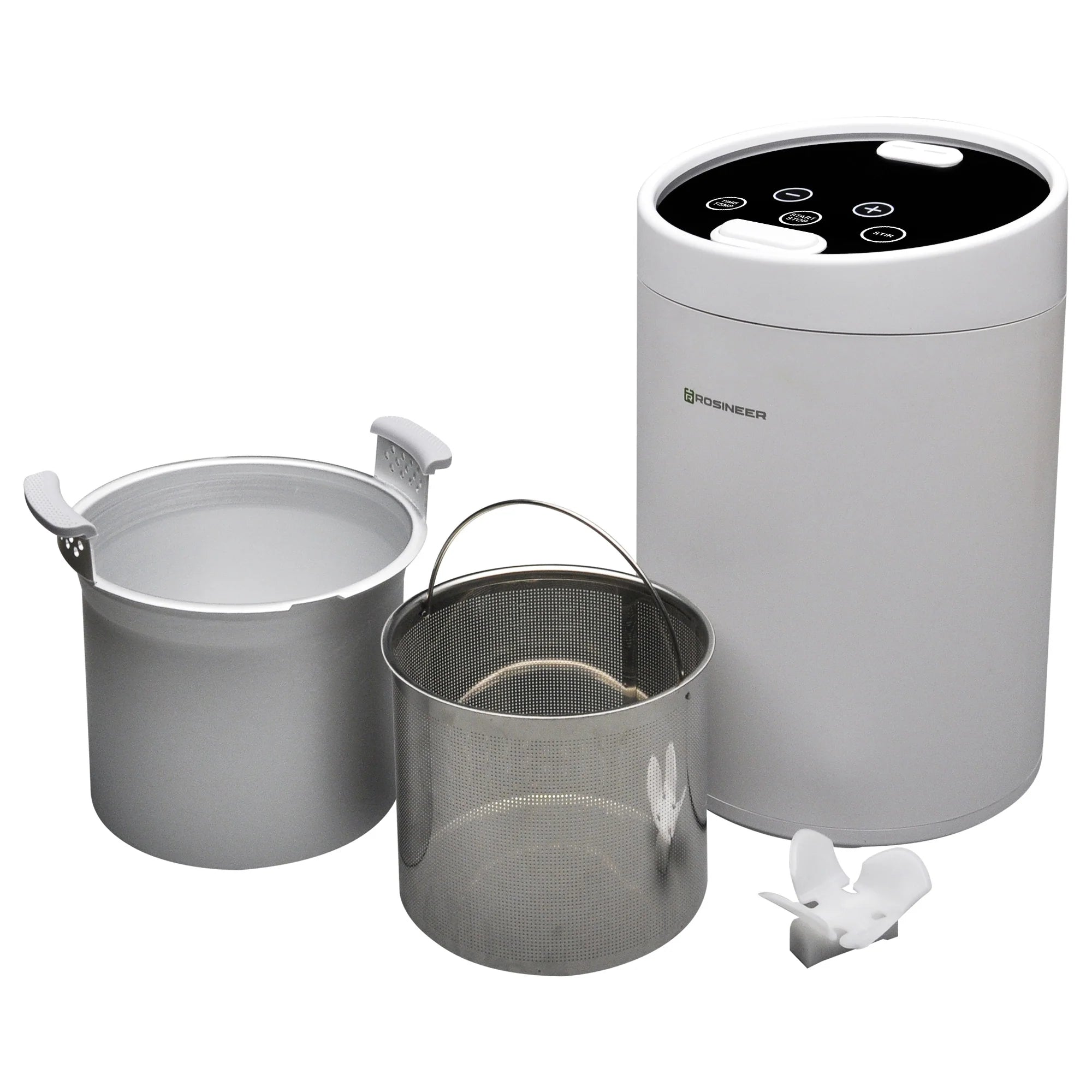
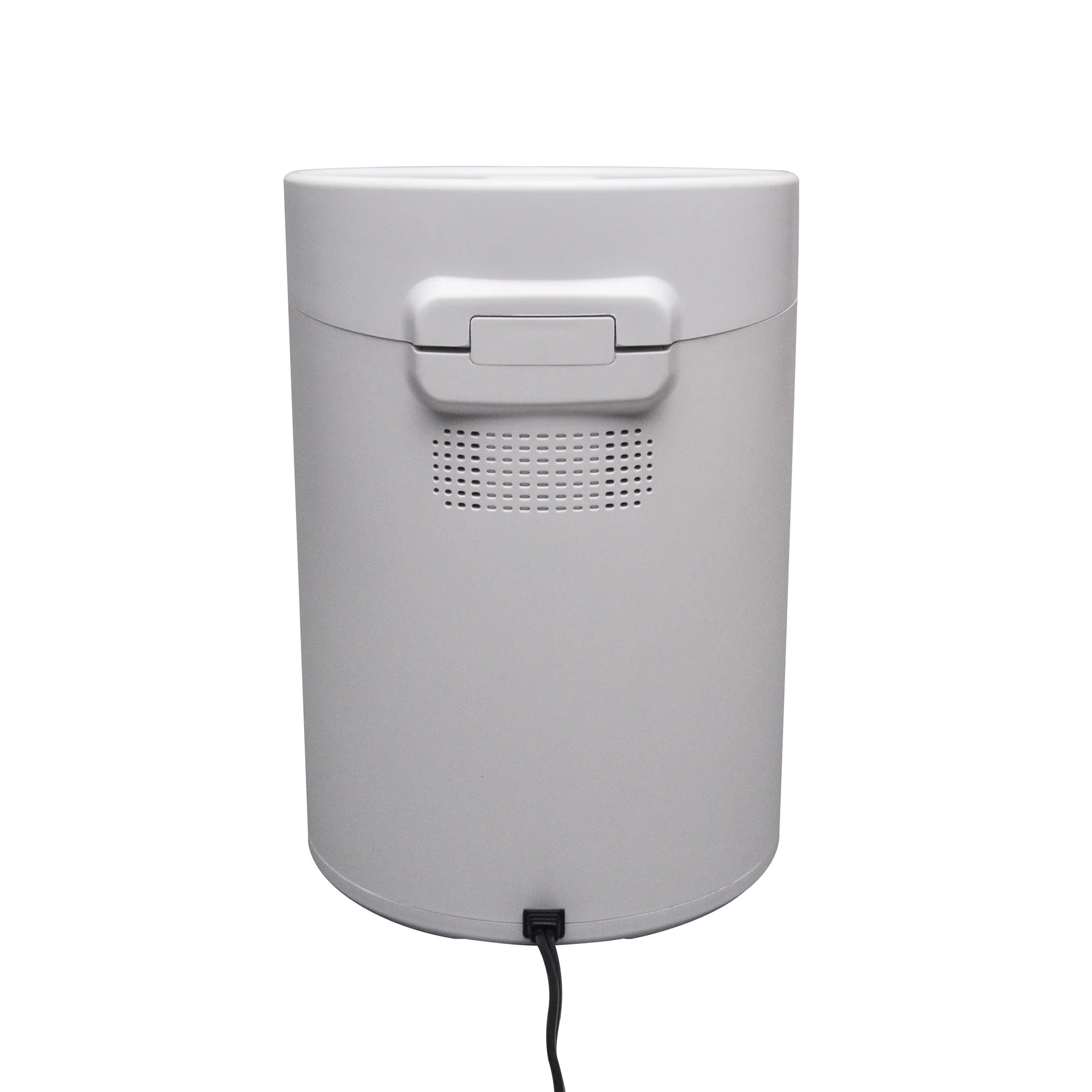
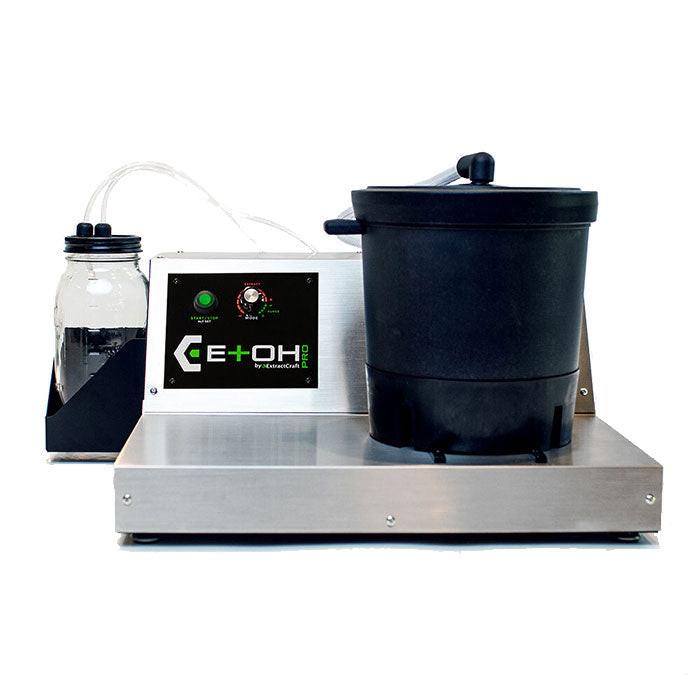
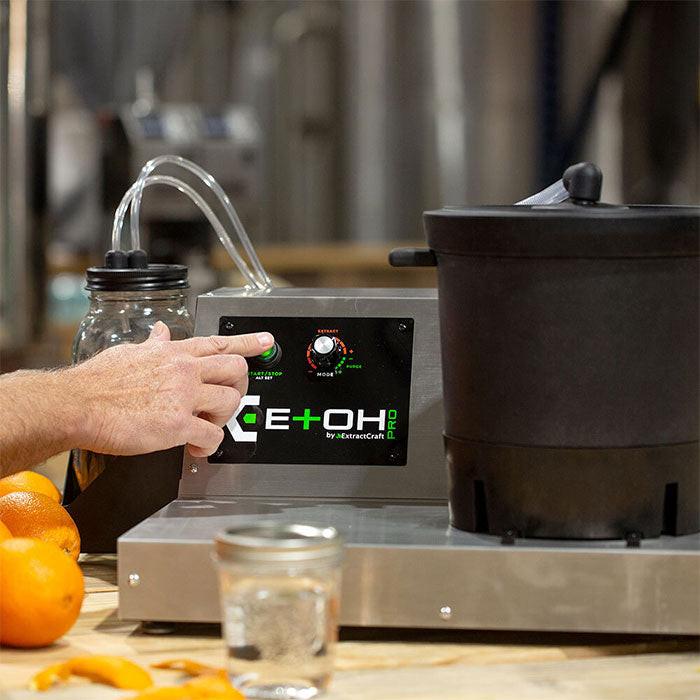
Botanical infusion machines are countertop appliances that automate the decarboxylation and infusion processes for creating herb-infused oils, butters, and tinctures from dried botanical plant material. Manual infusion requires monitoring temperature and timing on the stovetop -- a process that is imprecise and labor-intensive for consistent results. Dedicated infusion machines control decarboxylation temperature and infusion time automatically, producing more consistent results with less attention than stovetop methods. The most widely used machines in this category combine both the decarboxylation step (activating compounds through heat) and the infusion step (transferring those compounds into a carrier oil or butter) in a single countertop device.
Decarboxylation
Decarboxylation is the heat-activation step that converts precursor acid-form compounds in dried botanical material into their active forms by removing a carboxyl group through thermal energy. The process requires sustained heating at a specific temperature range -- typically 220-240 degrees F for 30-45 minutes for most botanical material -- maintained precisely enough to fully activate the material without excessive heat that degrades the target compounds. Countertop decarboxylation devices (the Ardent FX and similar) provide precise temperature control in a sealed chamber that limits aromatic compound escape during the process, producing better activation efficiency than oven decarboxylation methods.
Infusion Carriers
After decarboxylation, the activated botanical material is combined with a fat-based carrier (butter, coconut oil, olive oil, or similar) and held at infusion temperature (160-180 degrees F) for 1-4 hours to transfer the activated compounds into the carrier. Infusion machines maintain this temperature automatically. Fat content of the carrier determines infusion capacity. Browse our full harvest storage collection for storage after infusion production. -- high-fat carriers (coconut oil, clarified butter) infuse more efficiently than lower-fat carriers (olive oil). Lecithin (sunflower or soy) added to the infusion carrier improves emulsification and absorption in finished infused products. Fast shipping.
Botanical Infusion Machines FAQ
What is a botanical infusion machine?
A botanical infusion machine is a countertop appliance that automates the process of infusing dried botanical plant material into oils, butters, or other carrier fats. The machine controls the temperature and timing of both the decarboxylation step (heat-activating the botanical compounds) and the infusion step (transferring those compounds into the fat carrier) automatically. The result is a consistently infused product without the manual temperature monitoring and timing required by stovetop infusion methods.
Does an infusion machine also decarboxylate?
It depends on the specific machine. Some infusion machines (the Ardent FX, Magical Butter MB2e) decarboxylate and infuse in a single device. Others are infusion-only and assume the material has already been decarboxylated separately. Check the specific machine's capabilities before purchasing -- if you want a single-device workflow that handles both steps, verify the machine includes a dedicated decarboxylation mode. Some growers prefer separate dedicated decarboxylation devices (standalone decarb ovens) and separate infusion equipment for more control over each step.
What oil is best for botanical infusion?
Coconut oil is the most commonly used carrier for botanical infusion because of its high saturated fat content (approximately 90% saturated fat) -- saturated fats bind botanical compounds more efficiently than unsaturated fats. MCT oil (fractionated coconut oil) is similarly high in saturated fat and produces a clear, shelf-stable infusion. Clarified butter (ghee) is another high-fat option popular for cooking applications. Olive oil, avocado oil, and other primarily unsaturated fat carriers infuse less efficiently but work well for applications where the oil's flavor contributes positively to the final product.
How long does an infusion machine take?
A complete infusion cycle in a countertop machine typically takes 2-4 hours including decarboxylation (30-60 minutes) and infusion (1-4 hours depending on the machine's program and the target infusion strength). Some machines offer shorter quick-infuse programs (45-90 minutes) at the cost of somewhat lower efficiency, and longer extended programs (4+ hours) for maximum compound extraction from the material. Follow the specific machine's recommended program times -- most manufacturers publish program settings optimized for different carrier types and starting material quantities.
How do I clean an infusion machine?
Clean immediately after each use while residual oils are still warm and liquid -- warm fat cleans much more easily than cold solidified fat. For machines with removable chambers: wash with warm water and dish soap, rinse thoroughly, and dry before storage. For machines with fixed chambers: run a cleaning cycle with warm water and a small amount of dish soap per the manufacturer's instructions, then rinse with clean water. Avoid submerging electrical components. Fat residue left in the machine between uses can go rancid and affect subsequent infusion flavor -- clean after every use for consistent output quality.