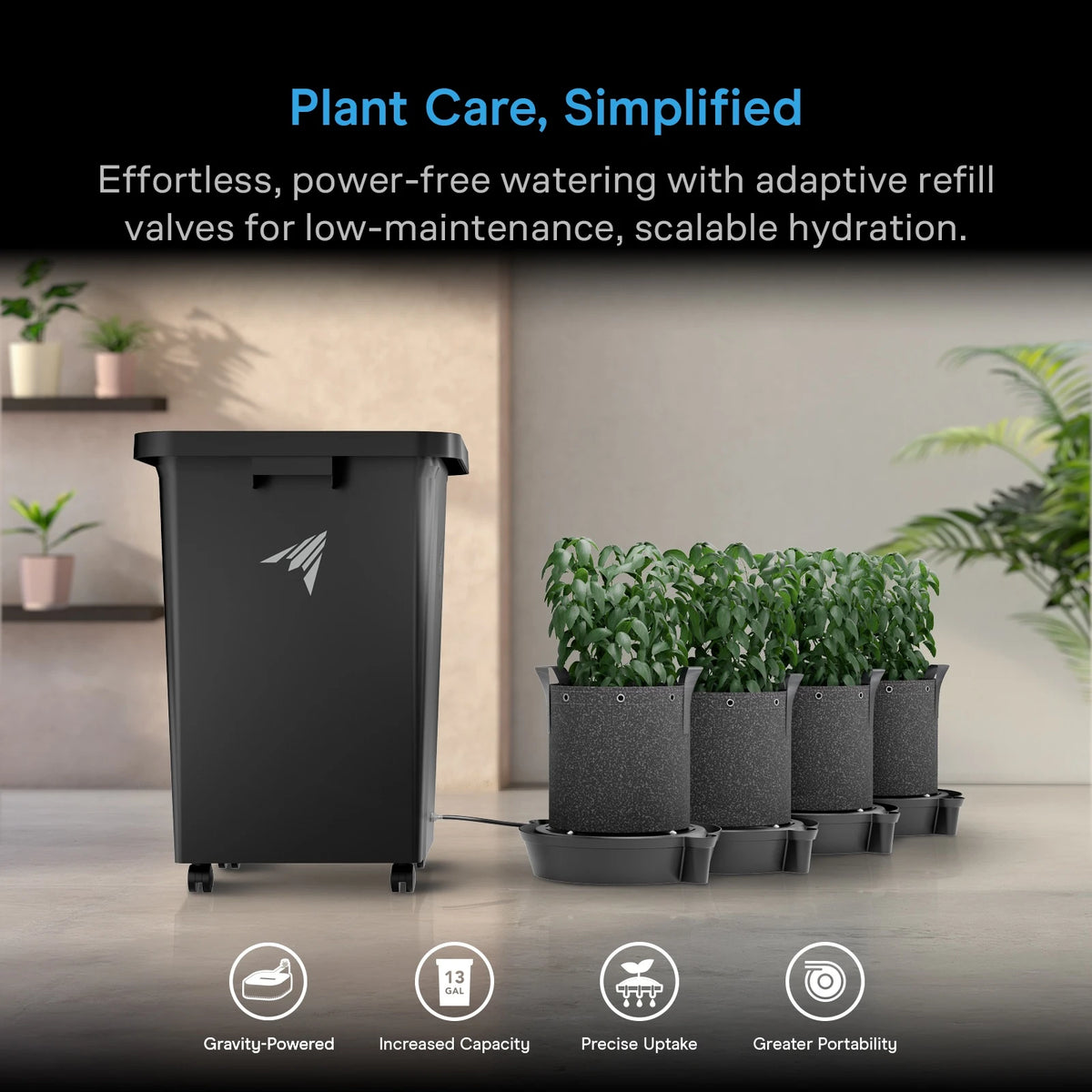
Automatic Watering Systems for Indoor & Outdoor Growing
Automatic watering systems eliminate the variability and labor of hand-watering by delivering precise, consistent irrigation events on a programmed schedule or sensor-driven trigger. For indoor growing environments where irrigation frequency determines substrate moisture levels that directly affect plant physiology, automated delivery produces more consistent results than the inevitable variation in manual watering timing, volume, and frequency. At commercial scale, automation is not optional -- the labor cost of hand-watering any significant number of containers is prohibitive, and the precision that crop steering programs require is impossible to achieve manually.
System Types
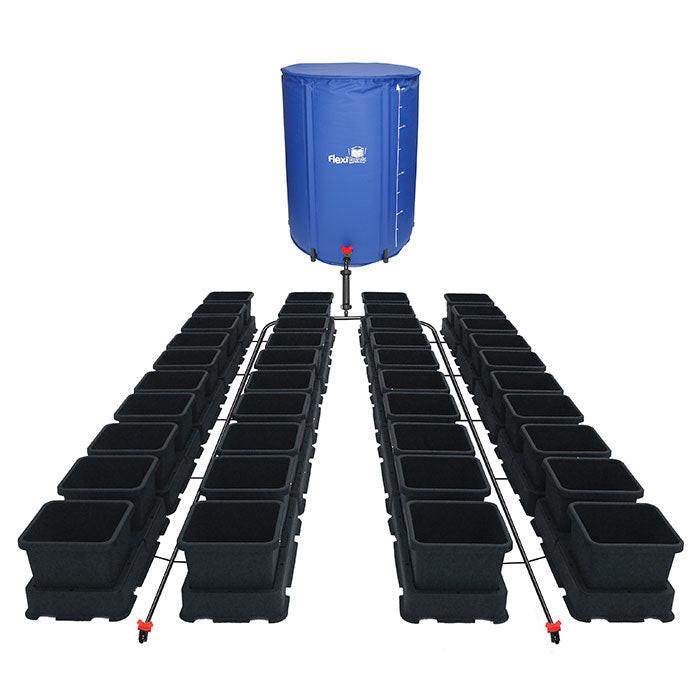
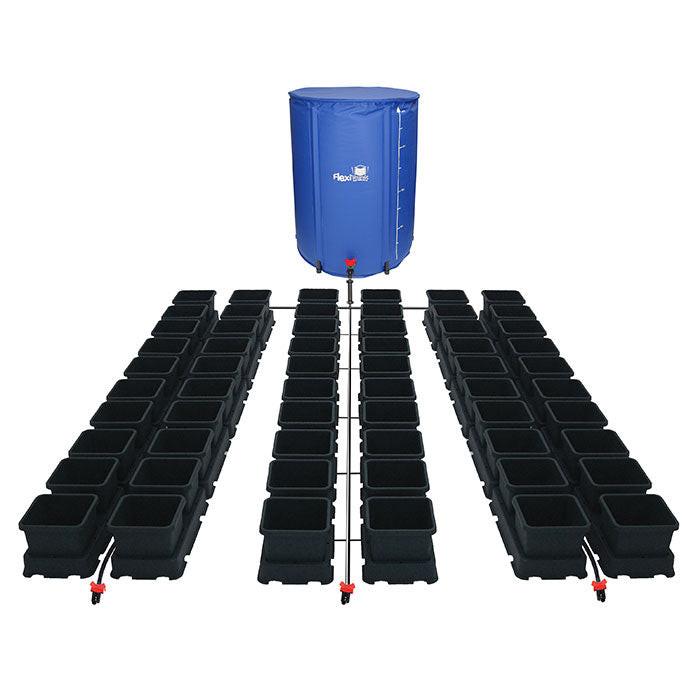
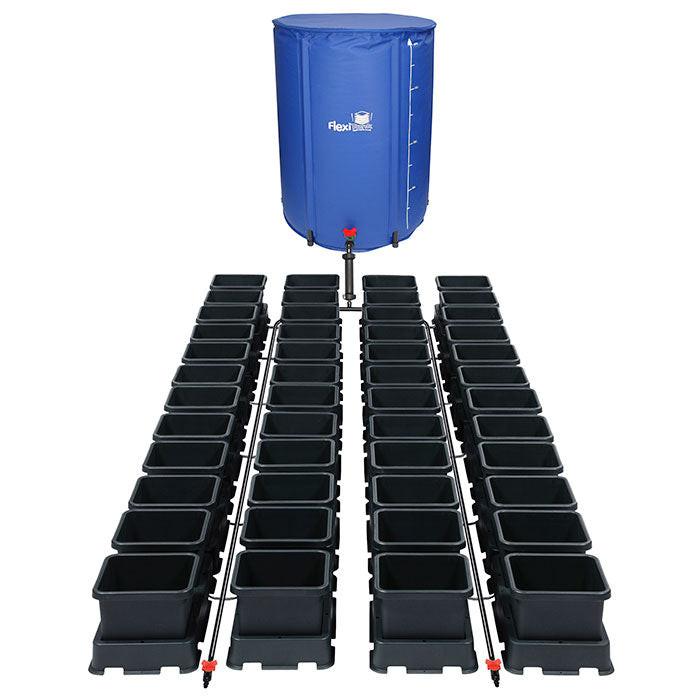
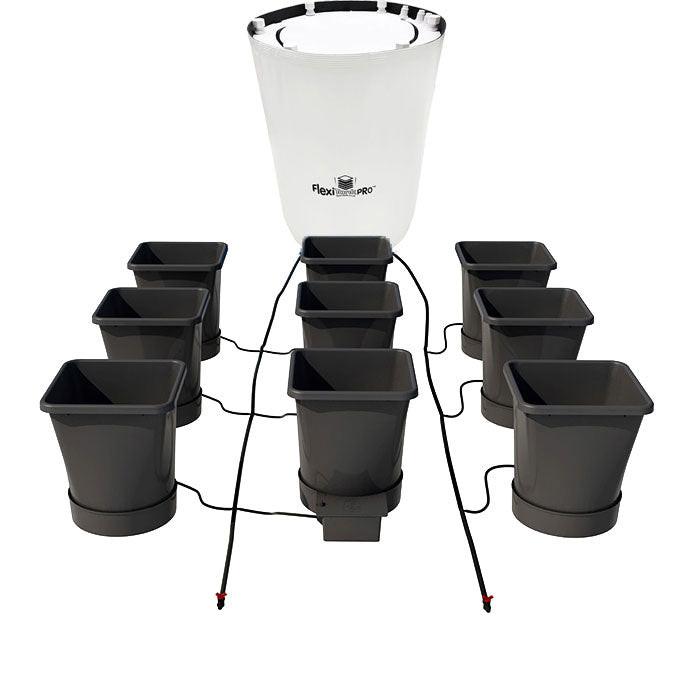
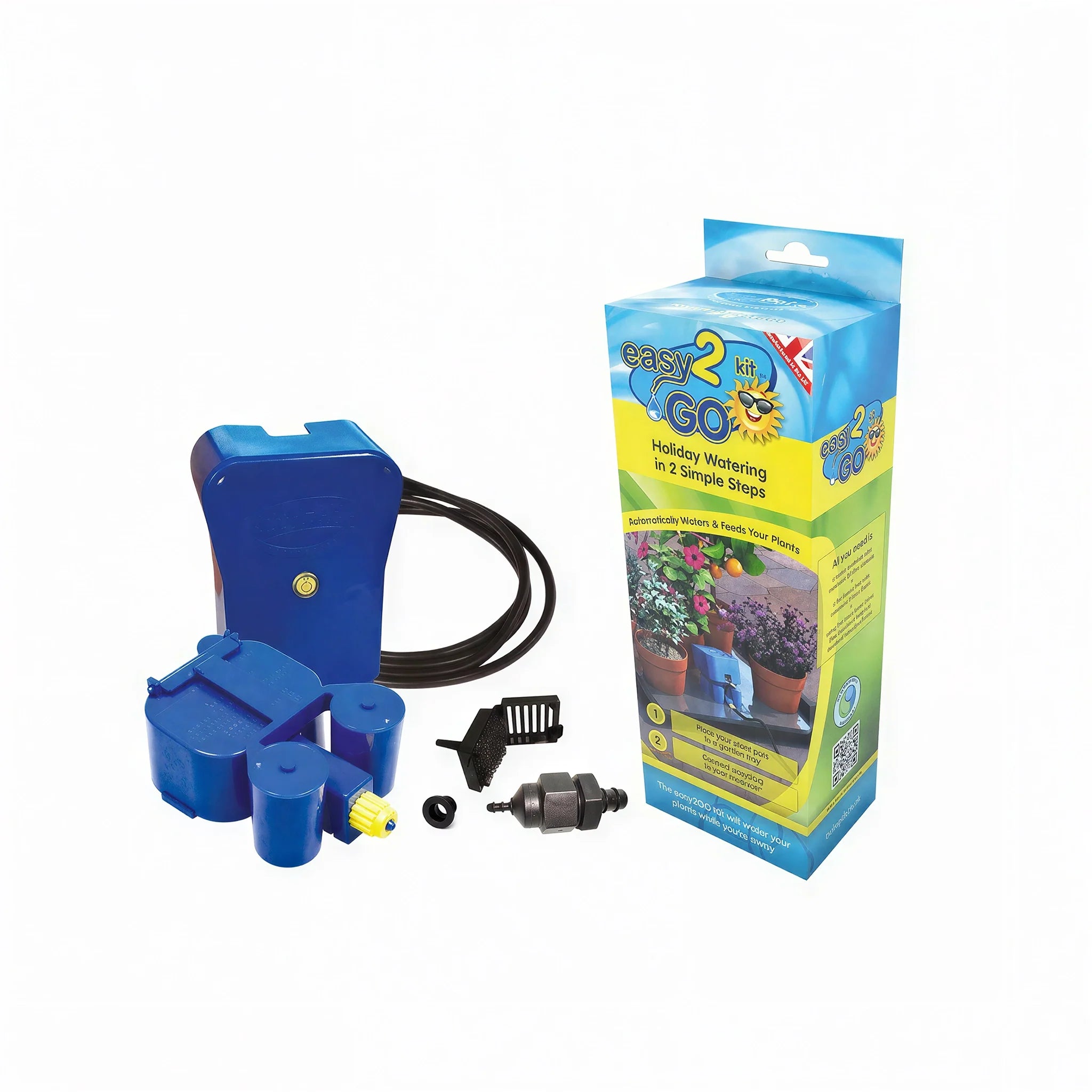
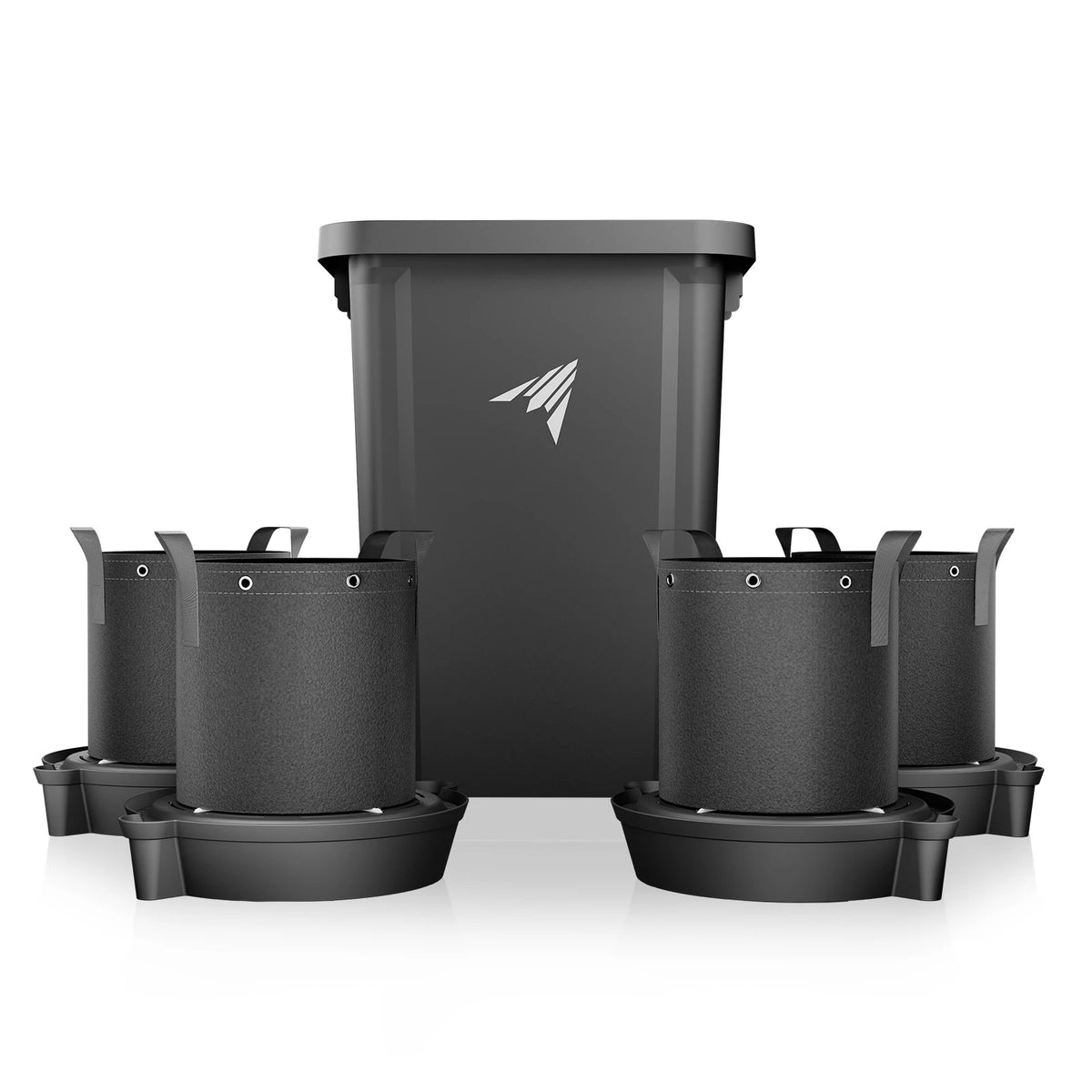
Timer-based top-feed drip systems are the most common automated indoor growing setup -- a programmable timer controls a pump that delivers nutrient solution through distribution tubing and drip emitters to each container on a set schedule. Ebb and flow systems flood a tray at programmed intervals. Automated fertigation systems add automated nutrient dosing alongside irrigation scheduling for a fully hands-off nutrient delivery program. Complete automatic watering kits bundle all components into a single purchase -- emitters, tubing, timer, and pump -- eliminating compatibility research for first-time automation builds.
Key Design Considerations
Every automated drip system requires four infrastructure elements: a water/nutrient source (reservoir or main line), a pump or supply pressure, a filter to protect emitters from sediment clogging, and a pressure regulator if the supply pressure exceeds the emitter's rated operating range. Missing any of these elements causes either emitter failure from clogging or inconsistent delivery from pressure variation. Expert support available -- call 888-815-9763 for system sizing and design guidance. Fast shipping.
Automatic Watering Systems FAQ
What is the simplest automatic watering system for a small indoor grow?
The simplest automated drip setup for 4-12 plants: a submersible pump in a reservoir, a digital outlet timer, a main distribution line from the pump, and individual drip emitters at each container connected via spaghetti tubing from the main line. The timer runs the pump for 1-5 minutes on a programmed schedule (frequency depends on substrate and growth stage) -- the pump delivers nutrient solution through the emitters each time it runs. Total cost is modest and setup is straightforward. Add a small inline filter between the pump outlet and the main line to prevent emitter clogging from particulate in the reservoir.
How often should an automated drip system water?
Irrigation frequency depends on substrate type, container size, growth stage, and environmental conditions. Starting points: rockwool and coco coir in 3-4 inch blocks or small containers -- 4-8 events per day in early veg, increasing to 12-20+ events per day at peak flowering under commercial lighting intensity. Larger containers (5-7 gallon) in coco -- 4-10 events per day. Peat/soil in standard containers -- 1-3 events per day. These are starting points; adjust based on substrate moisture measurements and dry-back patterns. A recycling timer gives the most control over frequency for high-event-count programs.
Do I need a pressure regulator for an automated drip system?
Yes, if your supply pressure exceeds the emitter's rated operating range. Standard drip emitters are rated for 8-25 PSI operating pressure. Reservoir pump systems typically operate well within this range (most small submersible pumps deliver under 15 PSI at the emitter). Municipal water supplies (40-80 PSI) and high-head pump systems require an inline pressure regulator before the drip emitters to reduce pressure to the 8-25 PSI range -- running emitters above their rated pressure produces excessive flow rates and inconsistent delivery.
What is the difference between an automatic watering system and a fertigation system?
An automatic watering system delivers pre-mixed nutrient solution from a reservoir on a programmed schedule -- the grower manually mixes nutrients and pH-adjusts the reservoir, and the system handles the delivery timing. A fertigation system automates the nutrient mixing step as well -- dosing pumps inject concentrated nutrients and pH adjusters into clean water in real time, eliminating manual reservoir preparation. Automatic watering systems are simpler and lower-cost; fertigation systems eliminate the daily mixing labor and provide more precise nutrient delivery consistency.
Can I automate watering for outdoor raised beds and gardens?
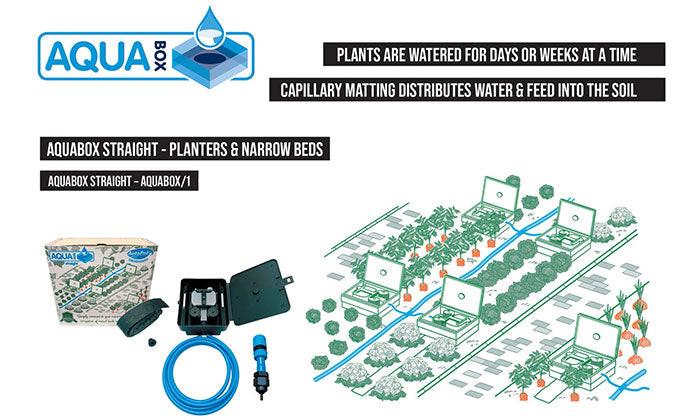
Yes -- drip irrigation with battery-operated or plug-in timer controllers is widely used for outdoor raised beds, greenhouses, and garden irrigation. Battery-operated hose timers connect directly to an outdoor spigot and control a drip system without any power wiring. For larger outdoor systems, AC-powered multi-zone controllers manage multiple irrigation zones on independent schedules. The same drip components (dripline, emitters, tubing, fittings) used in indoor growing work for outdoor applications with the addition of UV-resistant materials for long-term outdoor exposure.