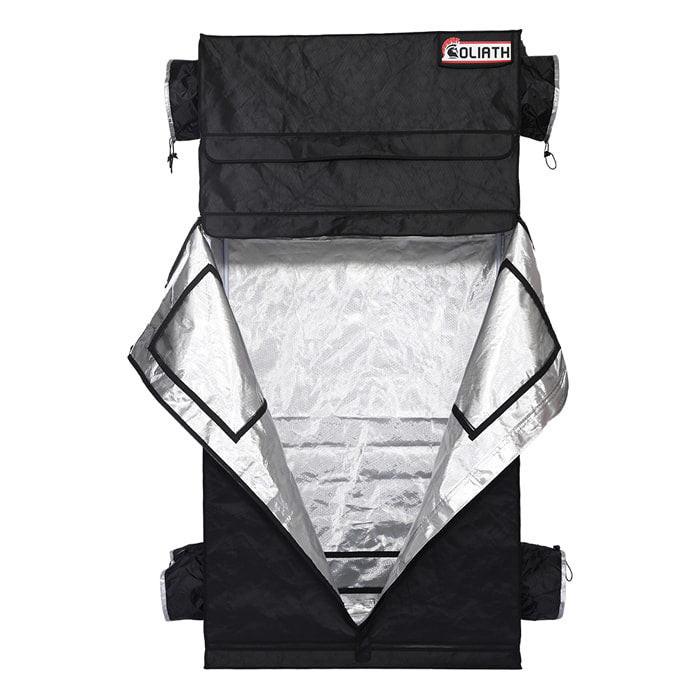
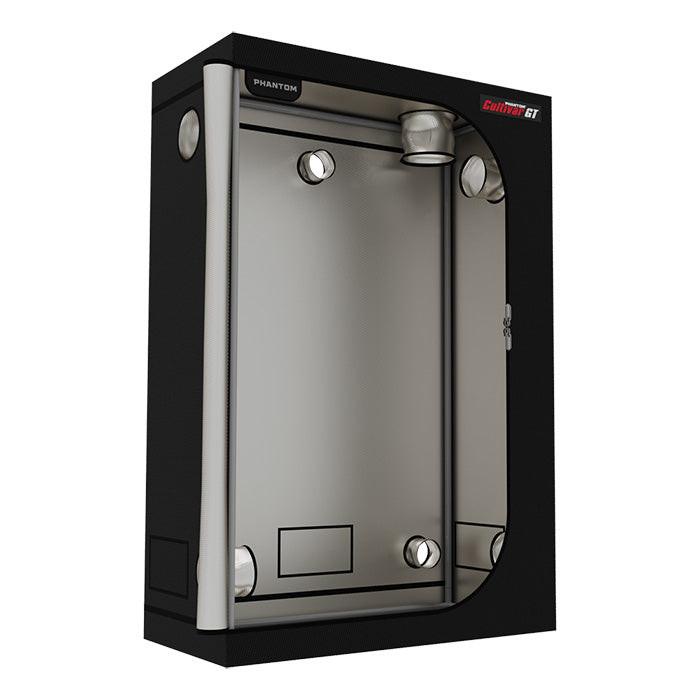
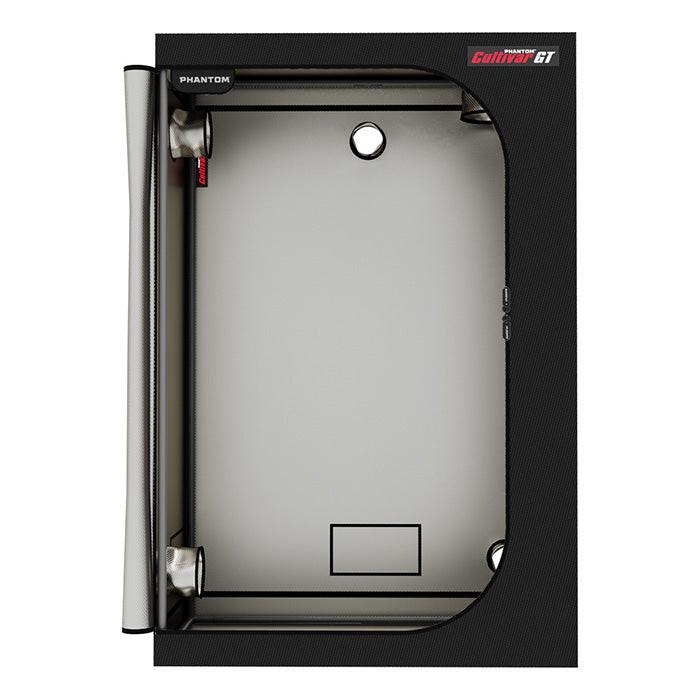
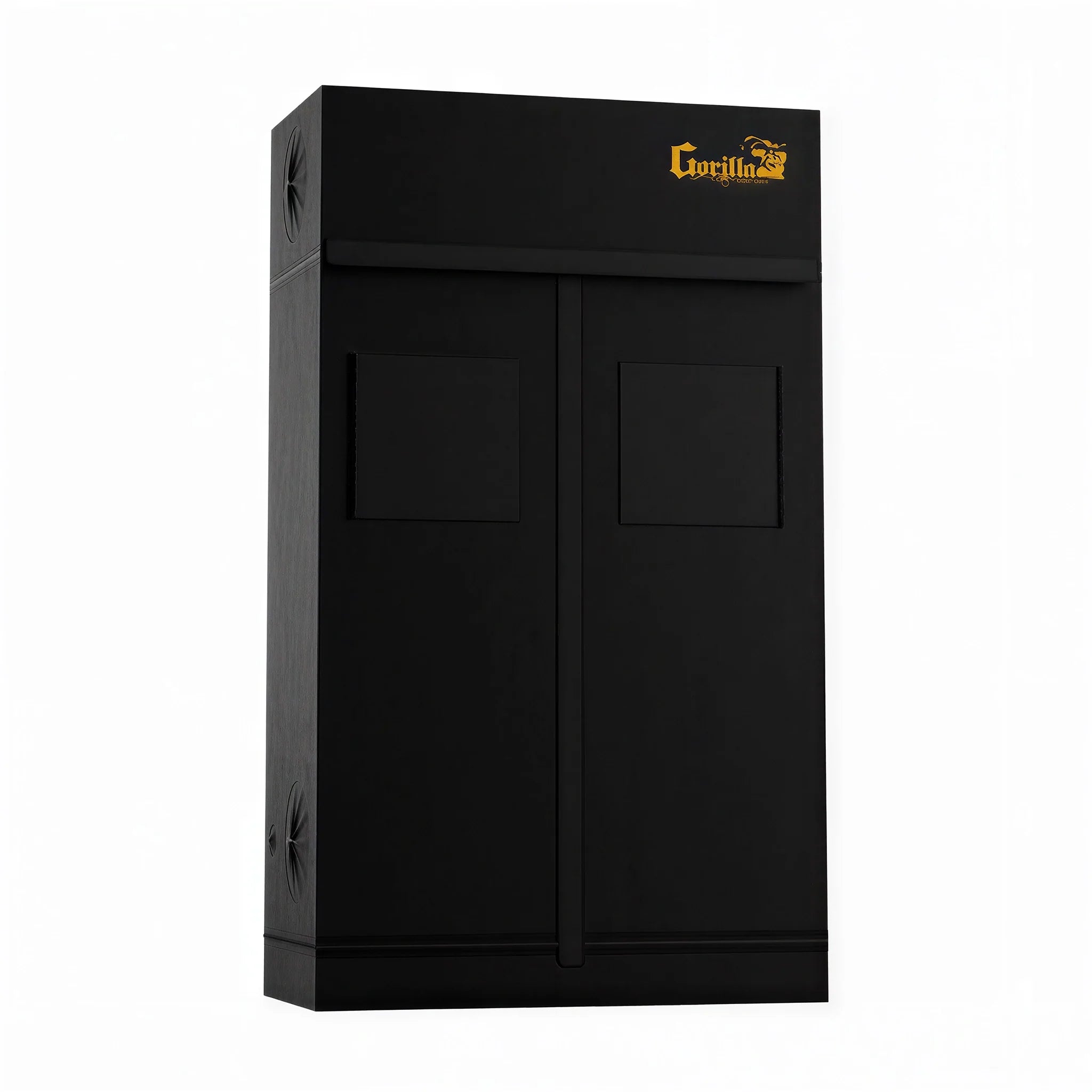
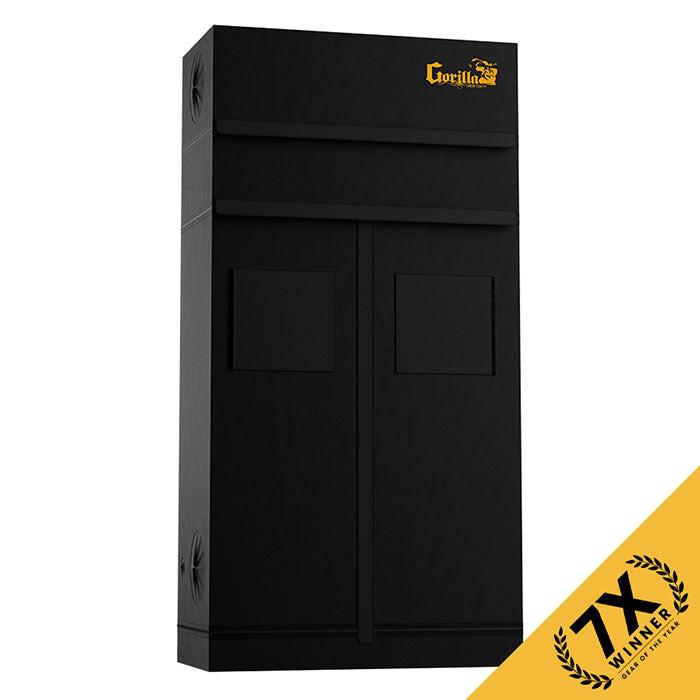
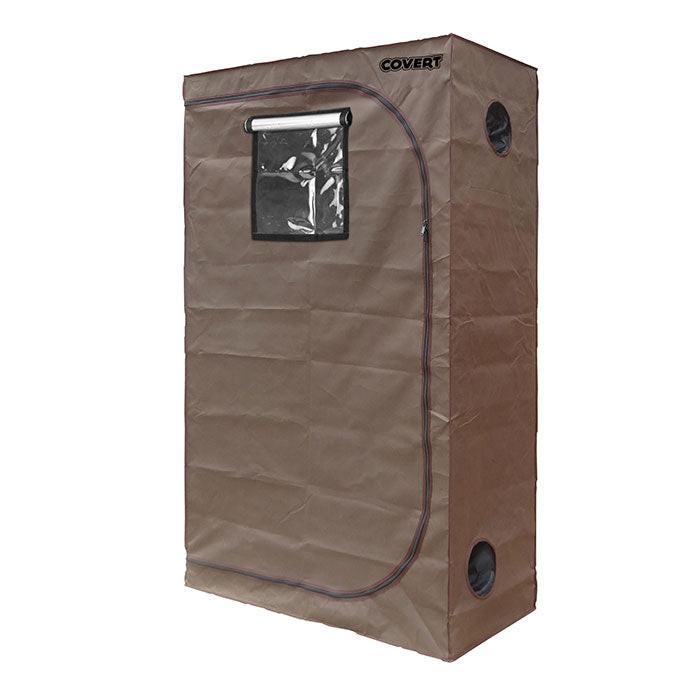
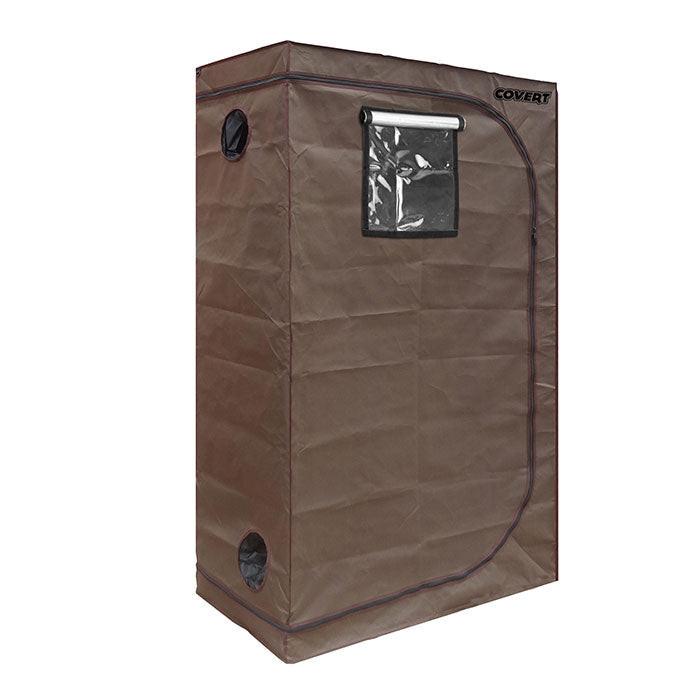
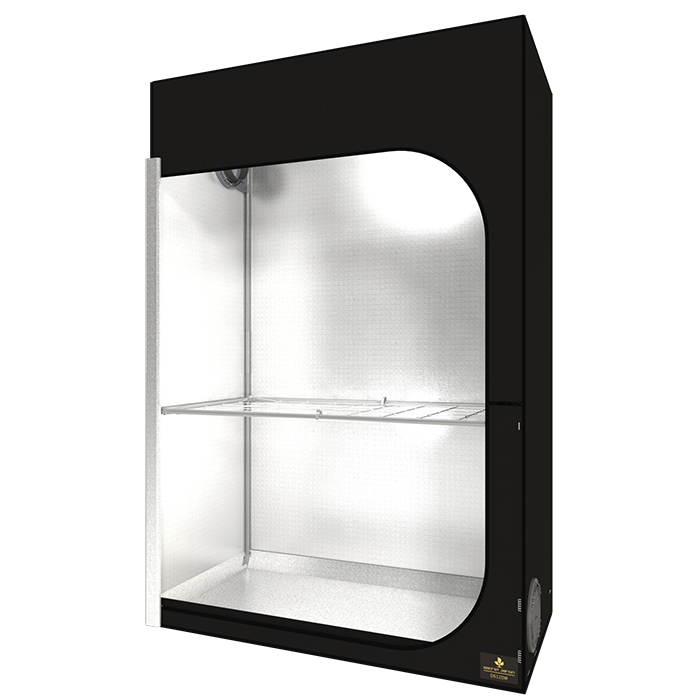
2x4 Grow Tents
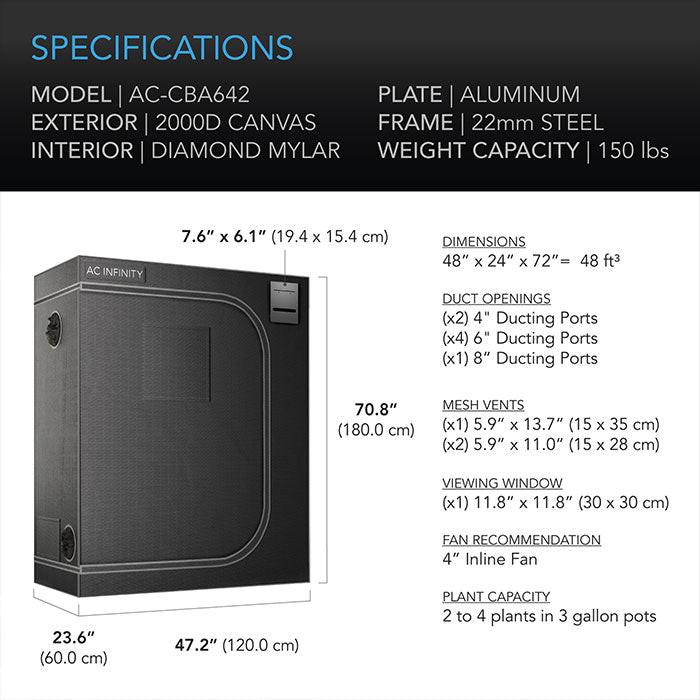
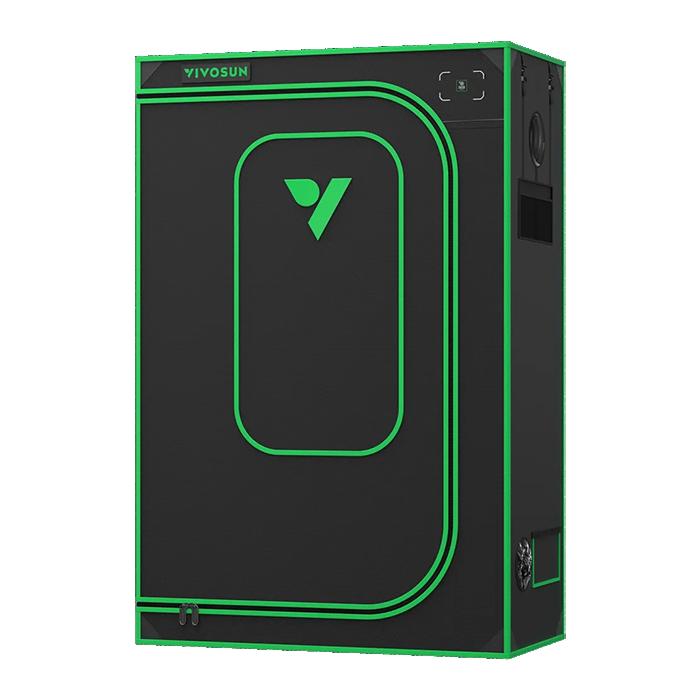
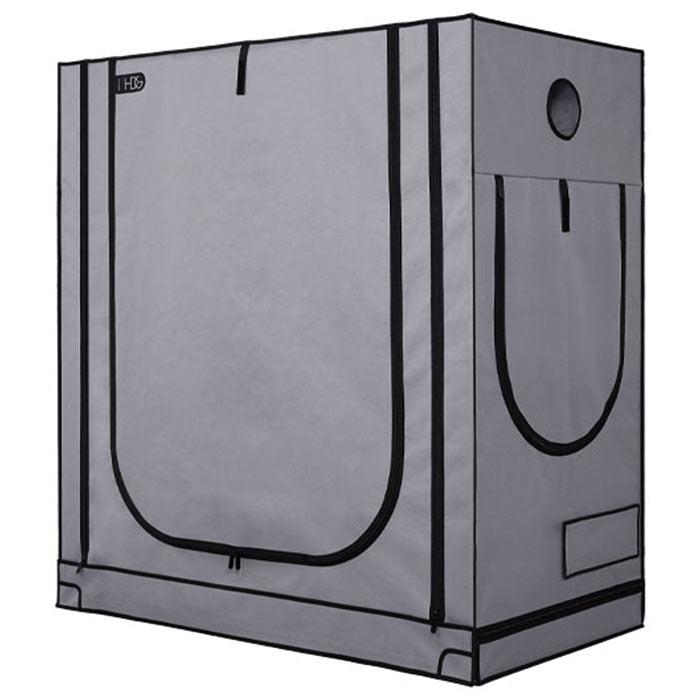
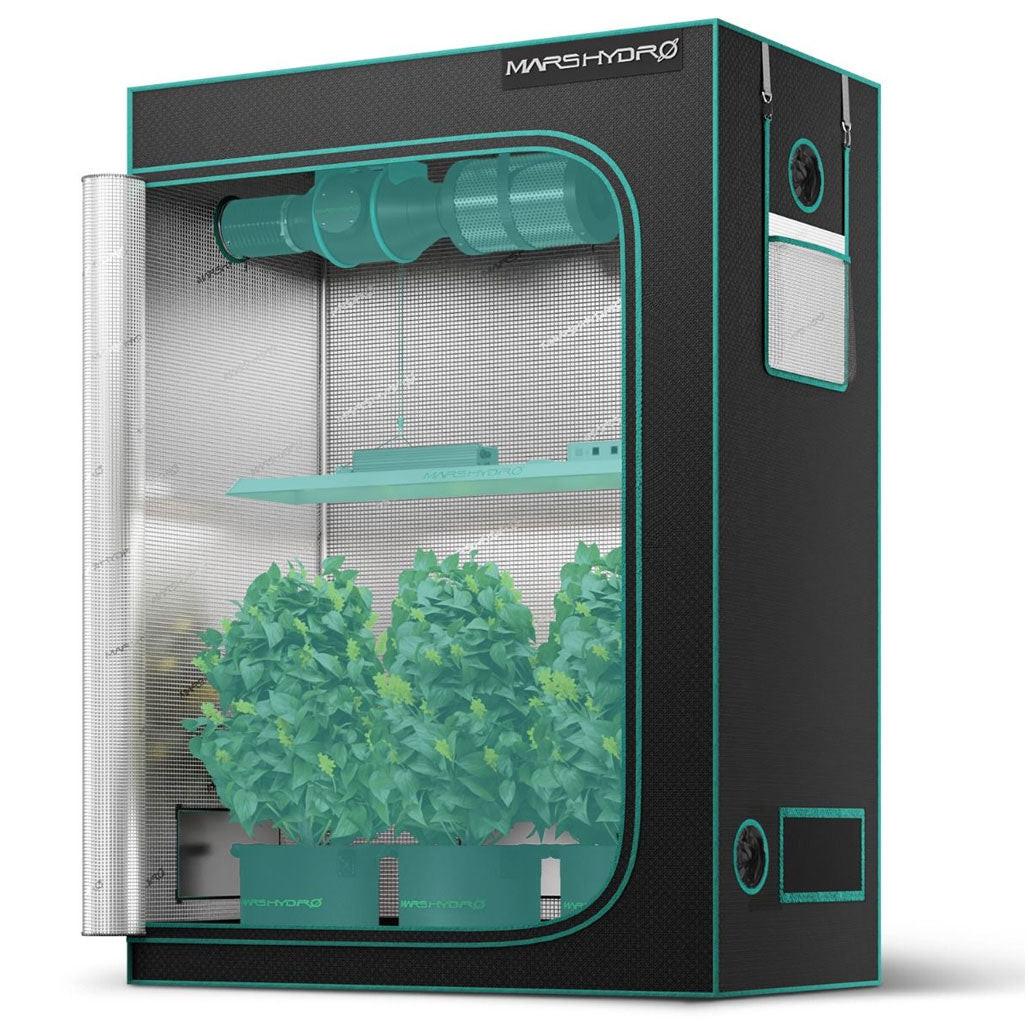
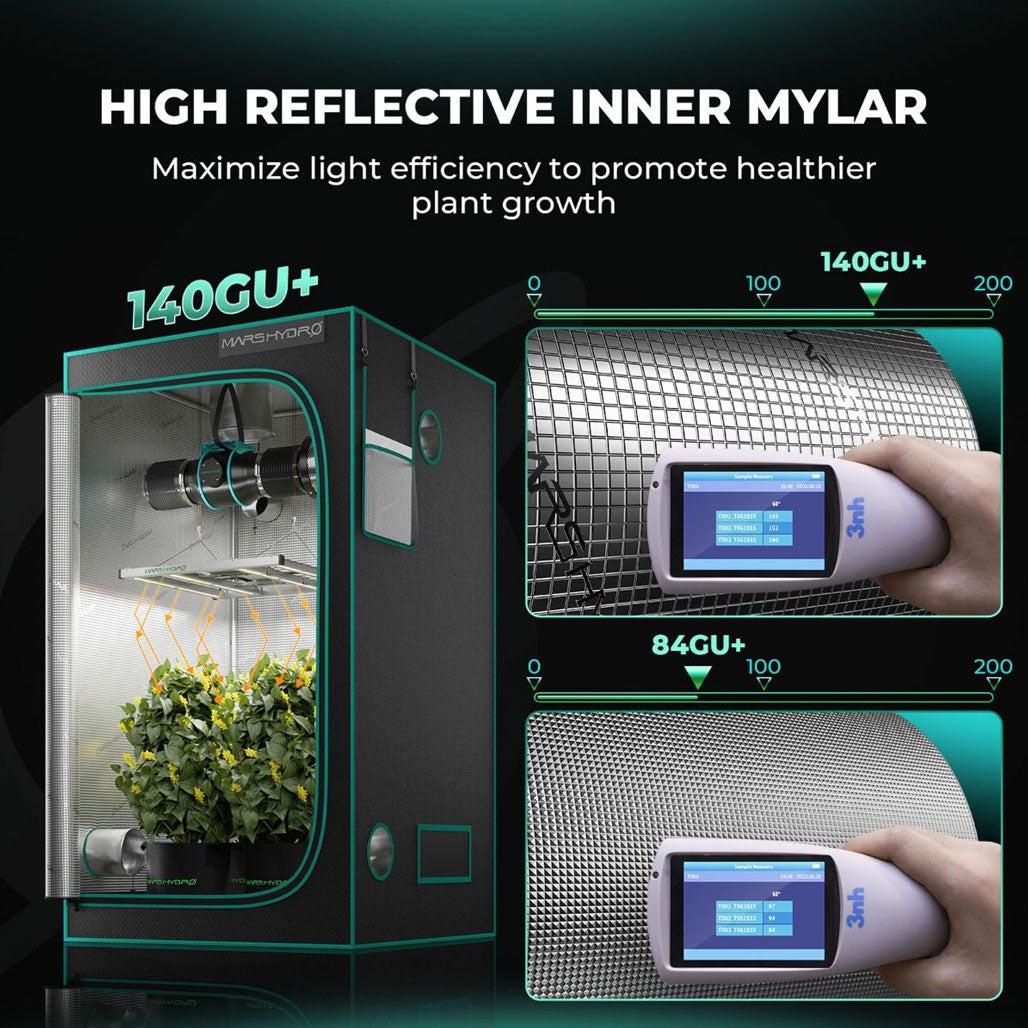
2x4 grow tents provide 8 square feet of growing floor area -- the most space-efficient rectangular tent format -- maximum canopy area in minimum depth of the standard indoor tent lineup. At this footprint, 2-4 plants and 200-300W of grow light is appropriate for productive results. The 2x4 format is one of the most space-efficient tent formats available, fitting into spaces where larger tents would not: closets, spare rooms with limited floor space, and dedicated growing corners where the tent needs to fit alongside other room contents.
Lighting for 2x4 Tents
Match lighting to the tent footprint for even canopy coverage without over-lighting edges or under-lighting the center. At 2x4, 200-300W LED grow lights or equivalent CMH and HPS options provide appropriate intensity across the full floor area. Quality fixtures at this size from Growers Choice, Faven Lighting, and other commercial LED brands deliver the PPFD targets needed for productive flowering programs. Browse the full grow tents collection for all tent sizes.
Ventilation Requirements
A 2x4 tent requires a matched inline fan and carbon filter for odor control and air exchange. The standard 4-inch inline fan and carbon filter kit provides adequate CFM for this tent size at typical heat loads. Position the carbon filter at the top of the tent interior, connect to the inline fan with a short flex duct section, and exhaust through the top tent port to the outside. Fast shipping.
2x4 Grow Tent FAQ
How many plants can I grow in a 2x4 tent?
A 2x4 ft tent supports 2-4 plants in a standard growing program. Container size determines plant count more than raw floor area -- fewer large containers (5-10 gallon) or more small containers (1-3 gallon) both fit the 2x4 footprint. Most growers in this tent size run 1-4 plants depending on training style: a single plant trained with SCROG can fill the canopy; multiple smaller plants with less training can also fill the space. Match plant count to your training style and the container sizes you plan to use.
What ventilation does this tent size need?
A 4-inch inline fan rated for 150-200 CFM paired with a 4-inch carbon filter provides adequate air exchange and odor control for a 2x4 ft tent under most conditions. The goal is 1-3 air changes per minute: a 2x4 tent at 6 ft height contains approximately 48 cubic feet of air, requiring at least 16 CFM to change the air volume every 3 minutes. Ensure the tent has at least one lower intake port partially open to provide fresh air inlet for the exhaust fan to pull against without creating excessive negative pressure.
Can I run CO2 enrichment in this tent size?
CO2 enrichment is most effective in sealed growing environments where enriched air cannot escape through ventilation. In a small tent where the exhaust fan runs continuously to manage temperature, CO2 is constantly diluted and exhausted -- making compressed gas enrichment inefficient and costly. Natural CO2 products (bag fermentation generators) are a practical option for this tent size: they provide a modest CO2 boost (500-800 PPM from ambient 400 PPM) without the compressed gas infrastructure, at a scale appropriate for the small air volume of a 2x4 tent.
What grow light wattage is right for this tent?
Match LED wattage to the tent footprint: 200-300W LED is appropriate for 2x4 ft. At this wattage, quality fixtures deliver 800-1,000+ umol/m2/s at the canopy when hung at 12-18 inches above the plants -- adequate for productive flowering. Use the manufacturer's PPFD map to verify coverage across the full tent floor at your target hanging height. Dim the fixture to 50-70% for seedlings and early veg to reduce heat and avoid photoinhibition in young plants.
What temperature and humidity should I maintain in this tent?
Target environment during vegetative stage: 70-82 degrees F, 50-70% RH. During flowering: 65-80 degrees F, 40-60% RH, lowering to 40-50% RH in the final 2 weeks before harvest to reduce botrytis risk. Small tent volumes heat and cool faster than larger rooms and are more sensitive to external temperature swings -- if the room the tent is in gets warm, the tent interior will quickly exceed target temperatures. A small portable AC or the mini-split cooling the room surrounding the tent is the most effective heat management for tents in warm climates.