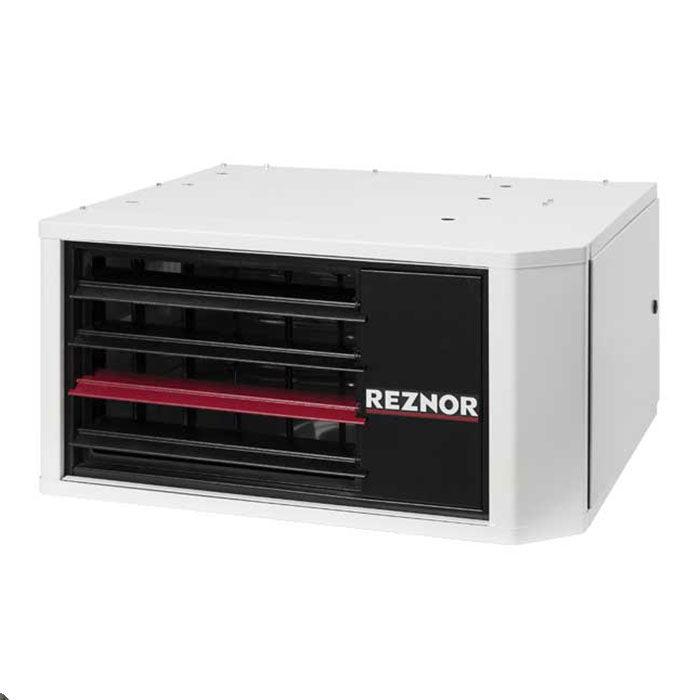
Greenhouse & Grow Room Heaters for Winter Growing
Maintaining adequate growing temperatures through cold months is one of the primary environmental challenges for indoor and greenhouse growers in temperate climates. Most crop varieties require minimum root zone temperatures of 60-65 degrees F for adequate growth and nutrient uptake; many crops stall or stress when air temperature drops below 65 degrees F for extended periods. A properly sized heater matched to your growing space's heat loss rate ensures consistent growing temperatures regardless of outdoor conditions, extending productive growing into months that would otherwise force a production shutdown.
Heater Types for Growing Applications
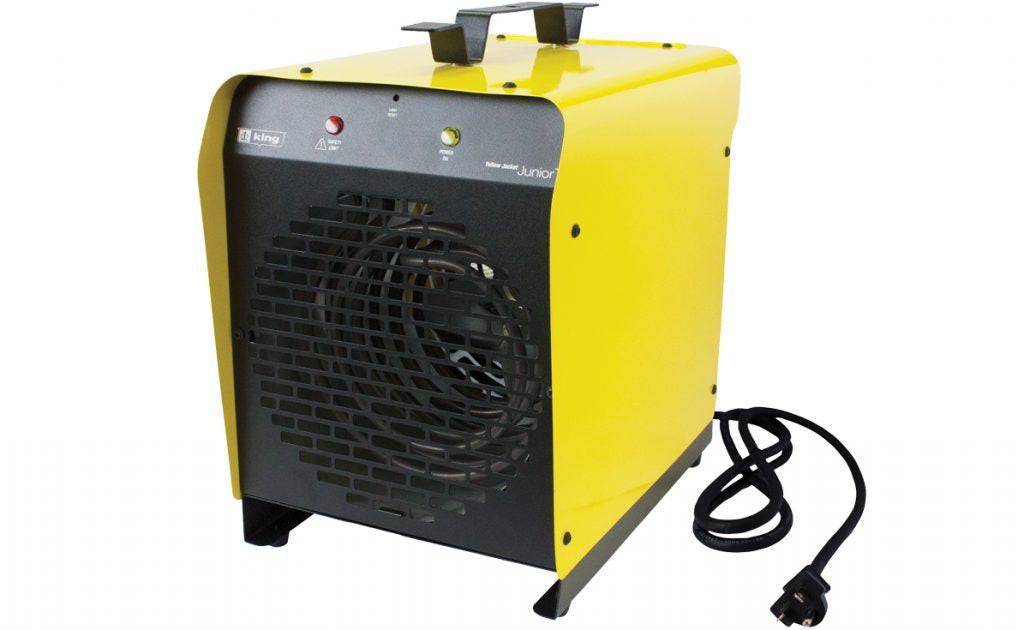
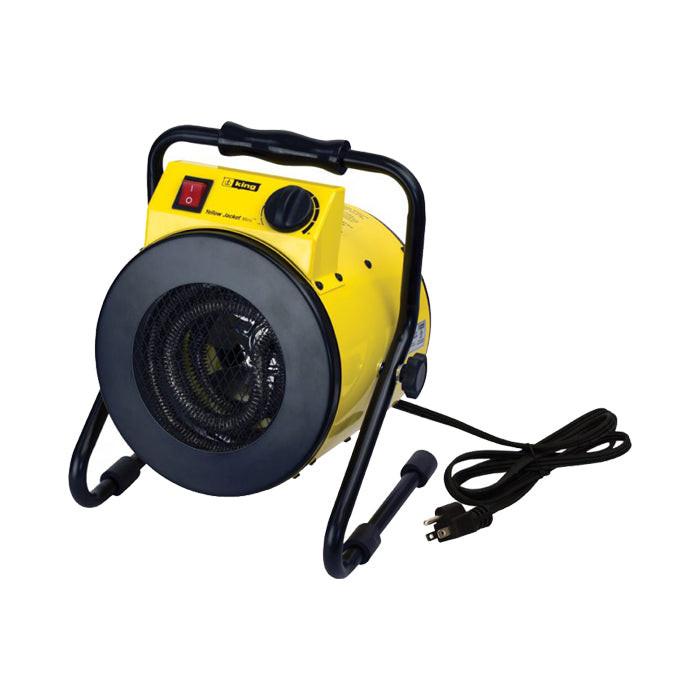
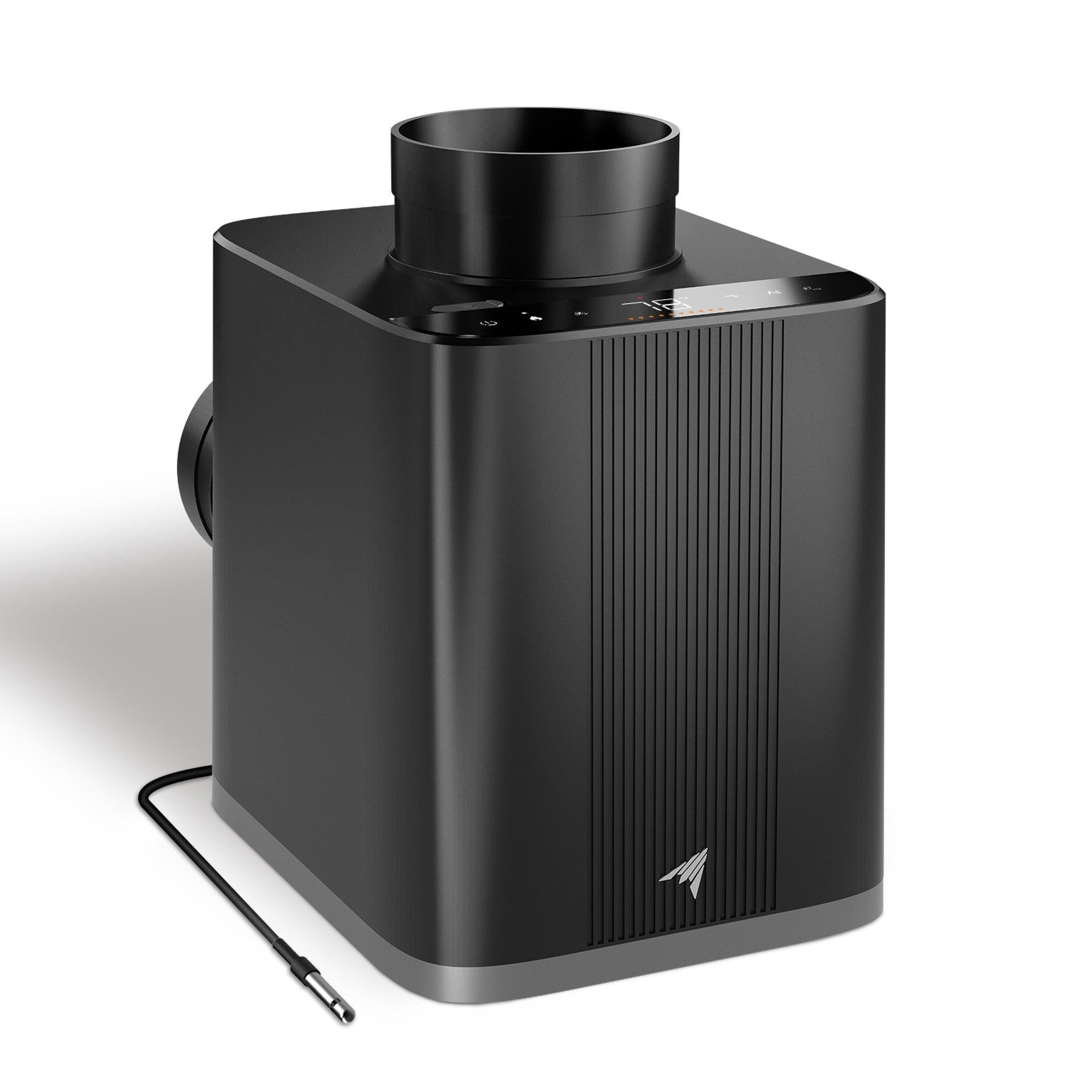
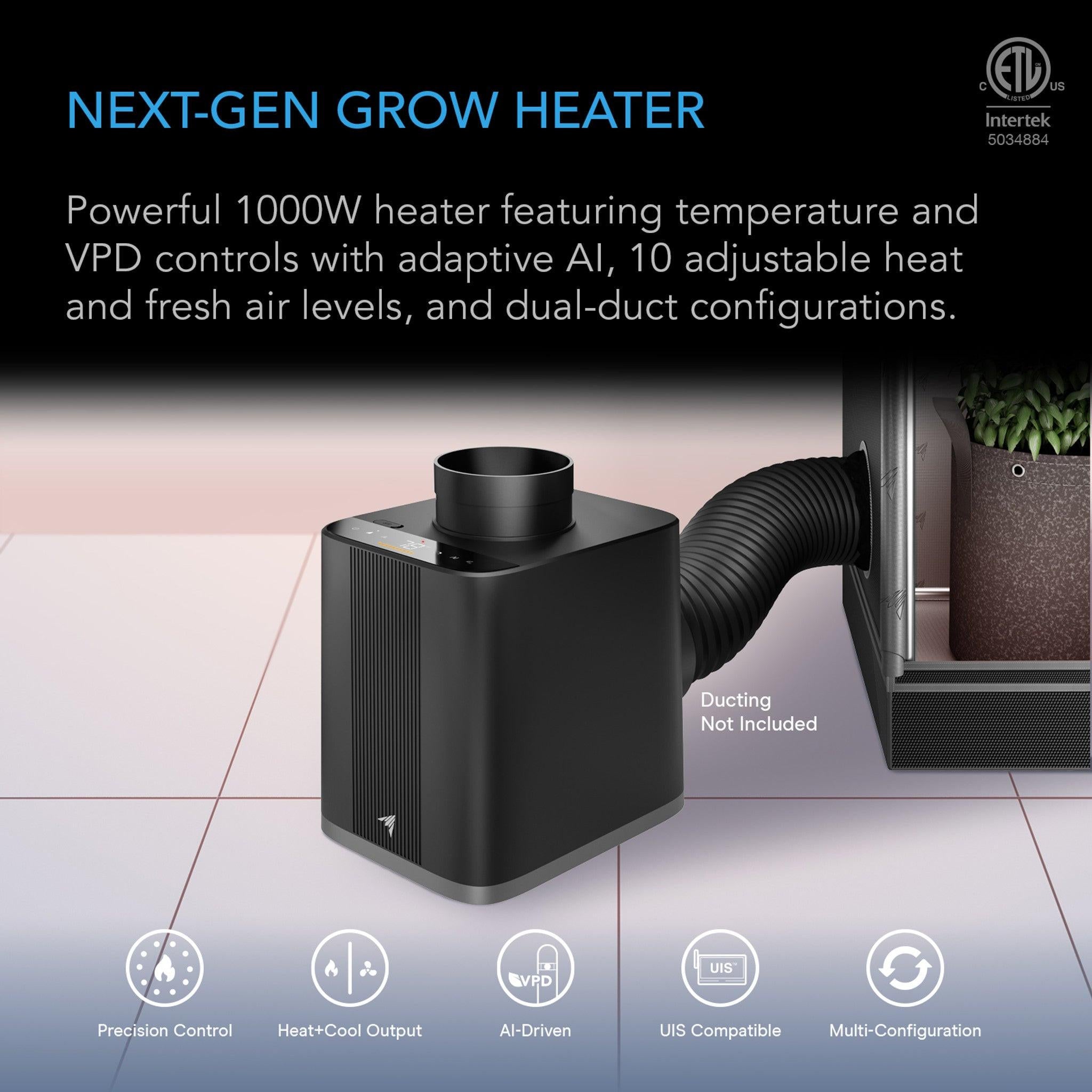
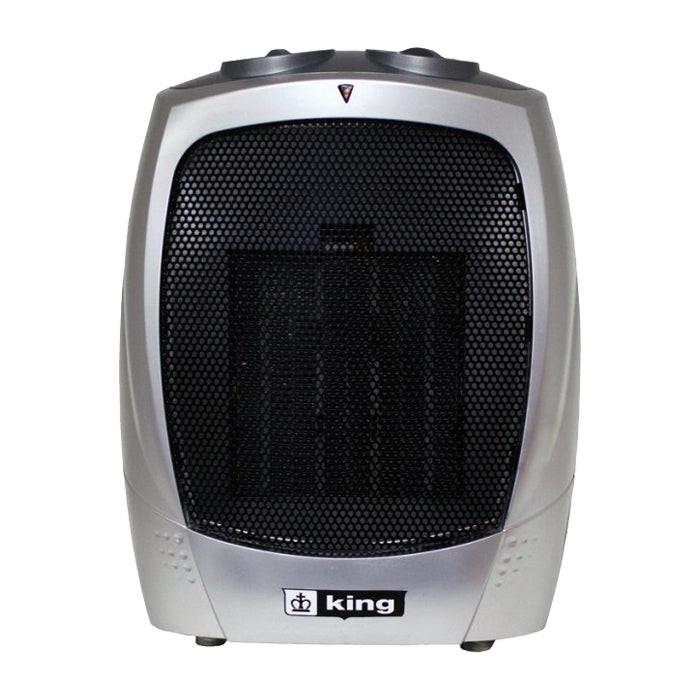
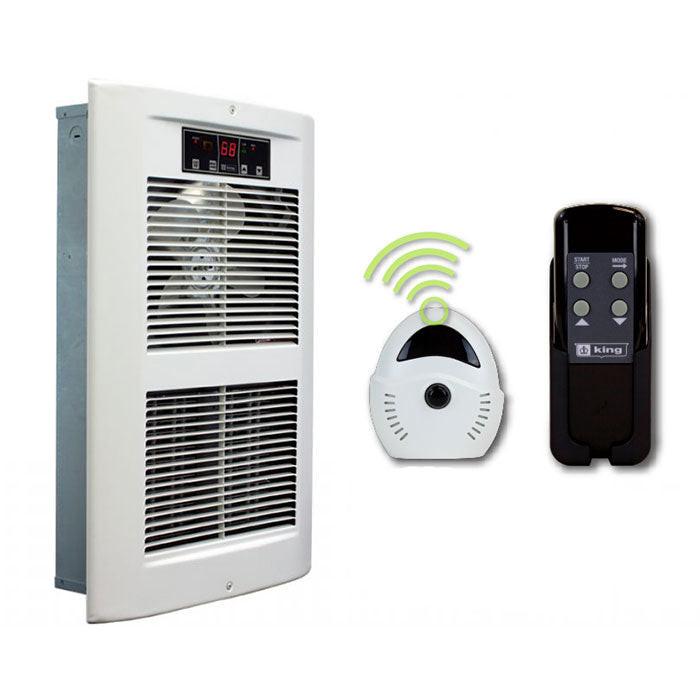
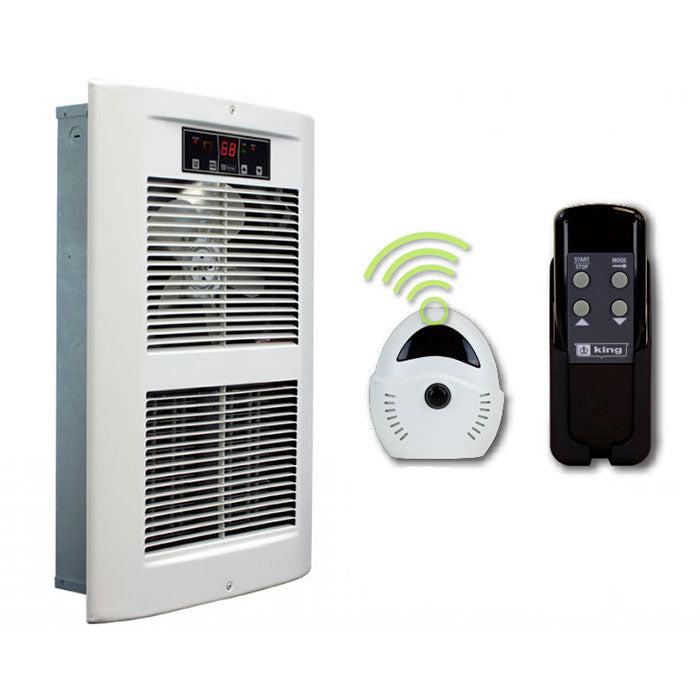
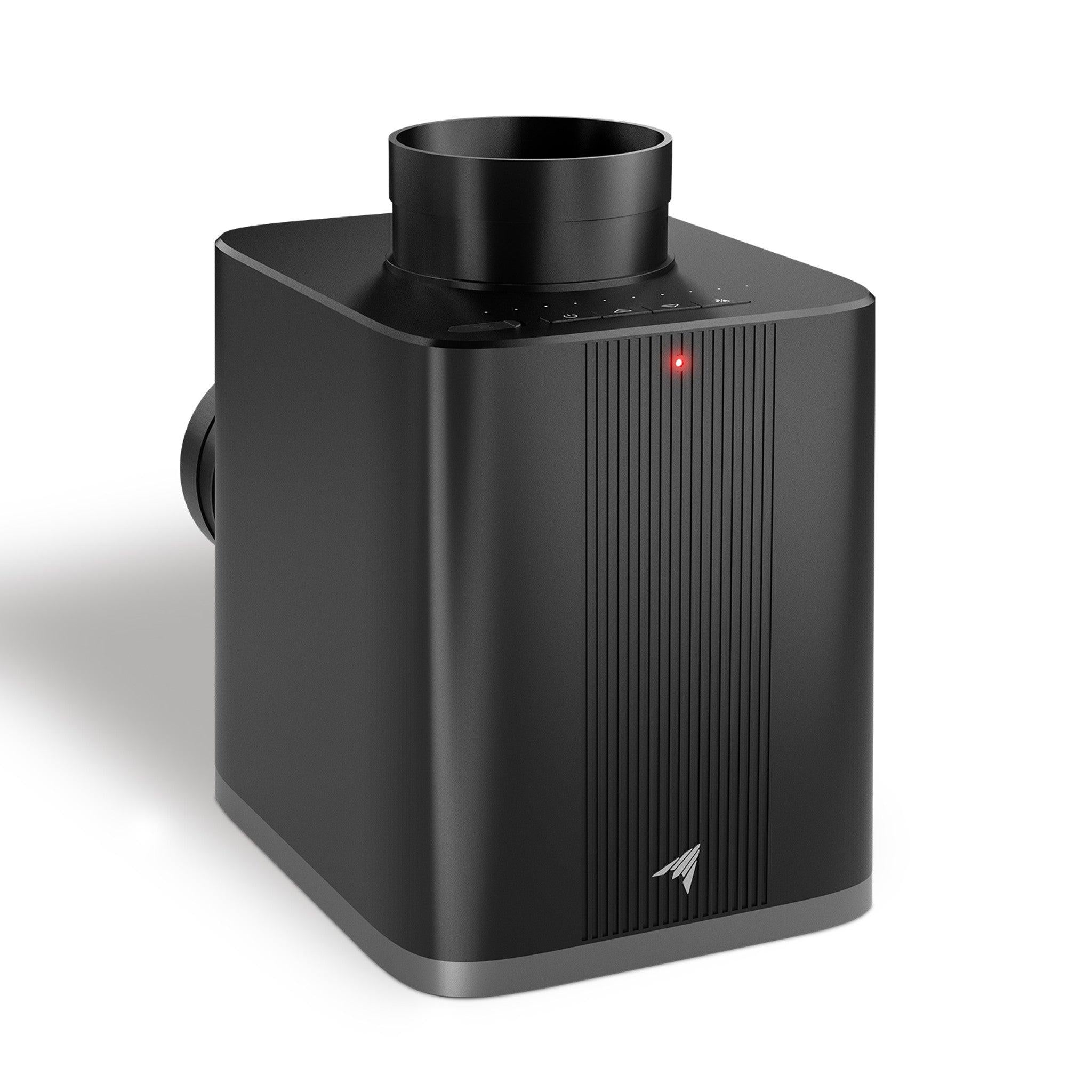
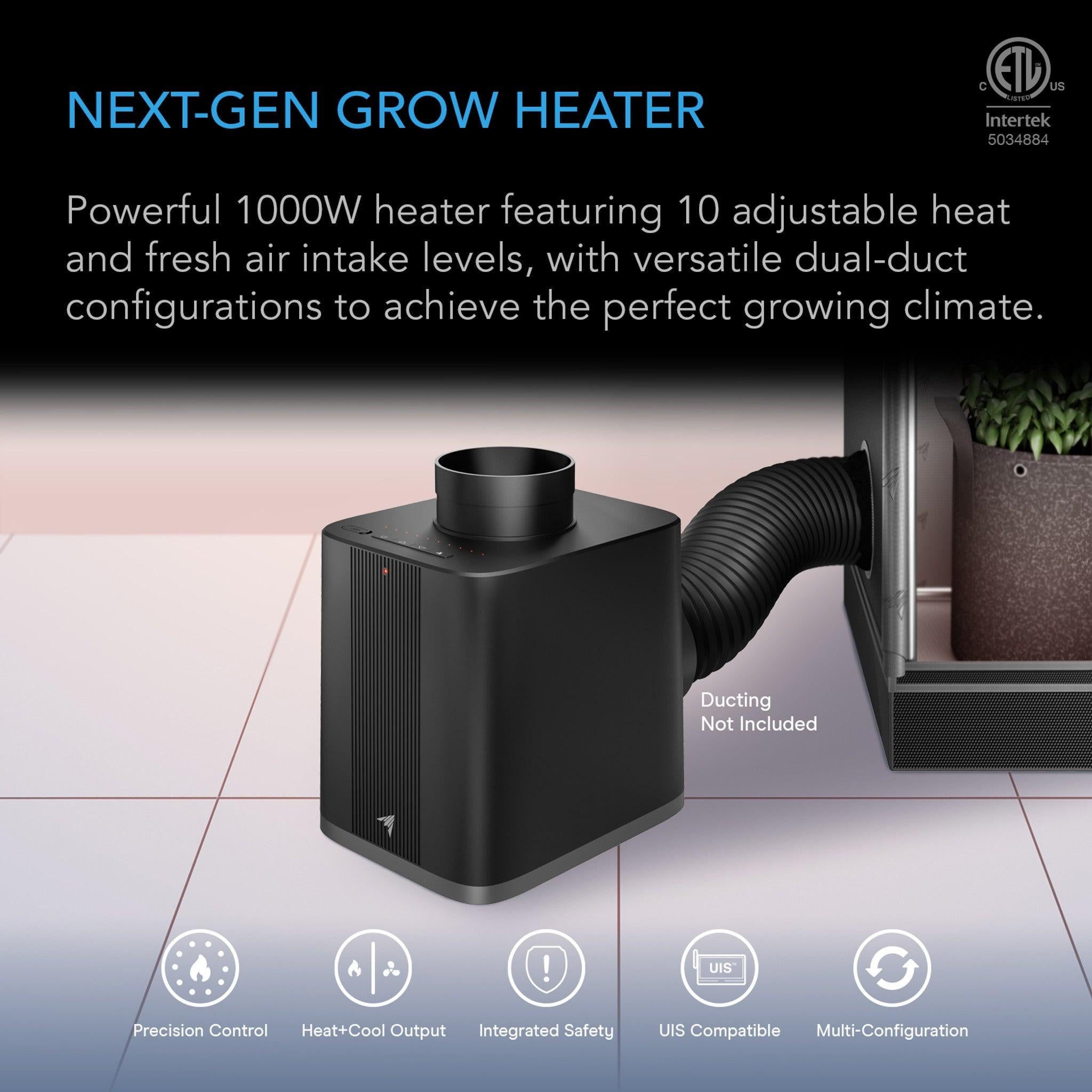
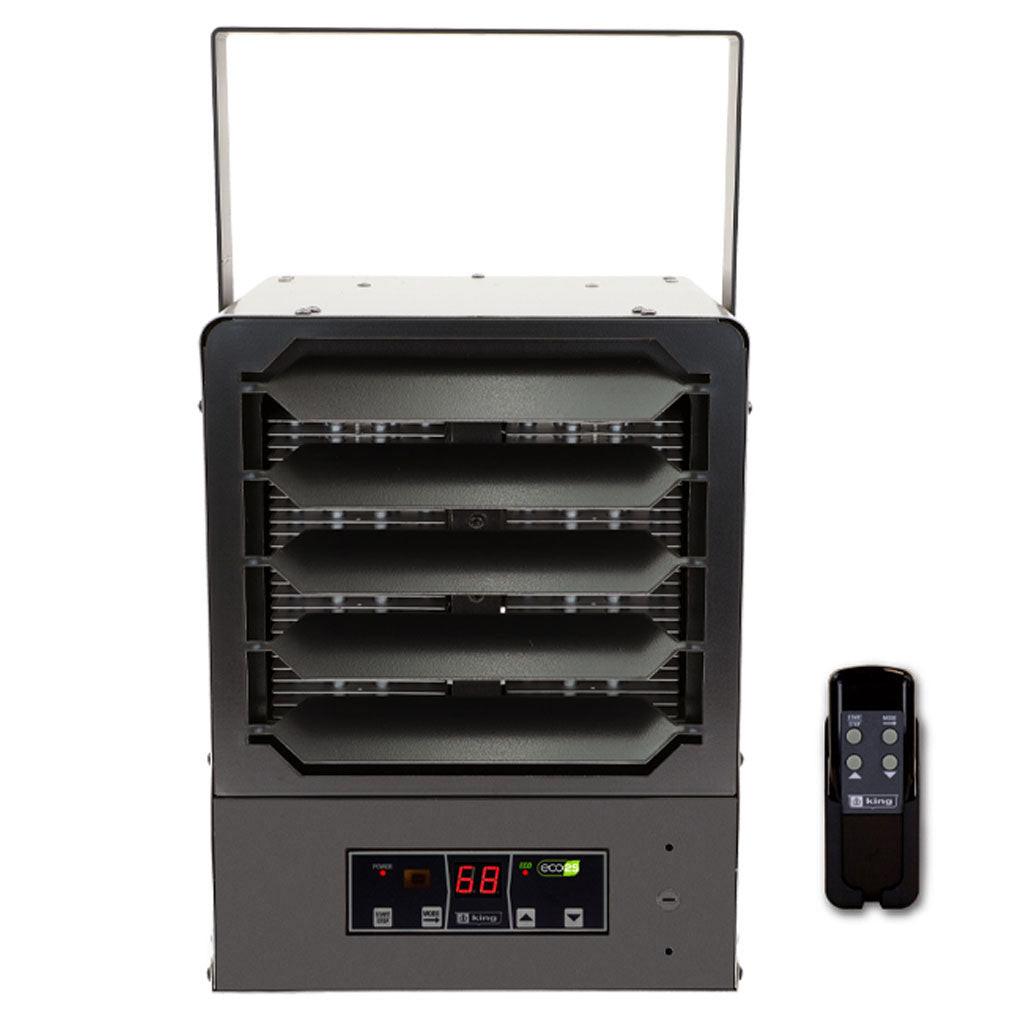
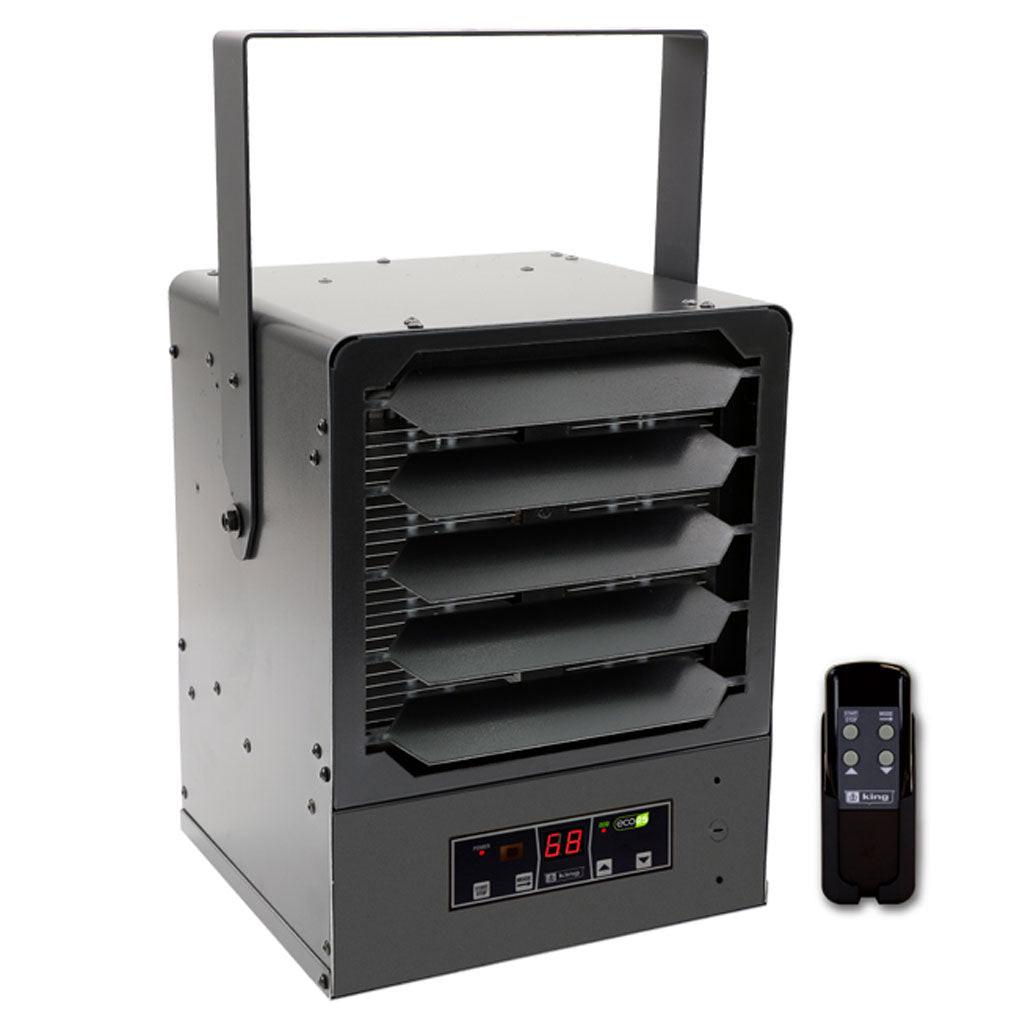
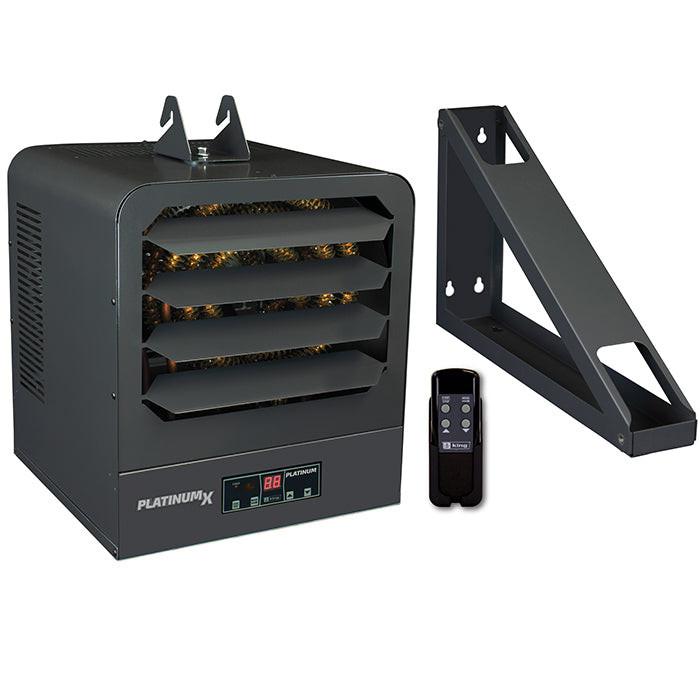
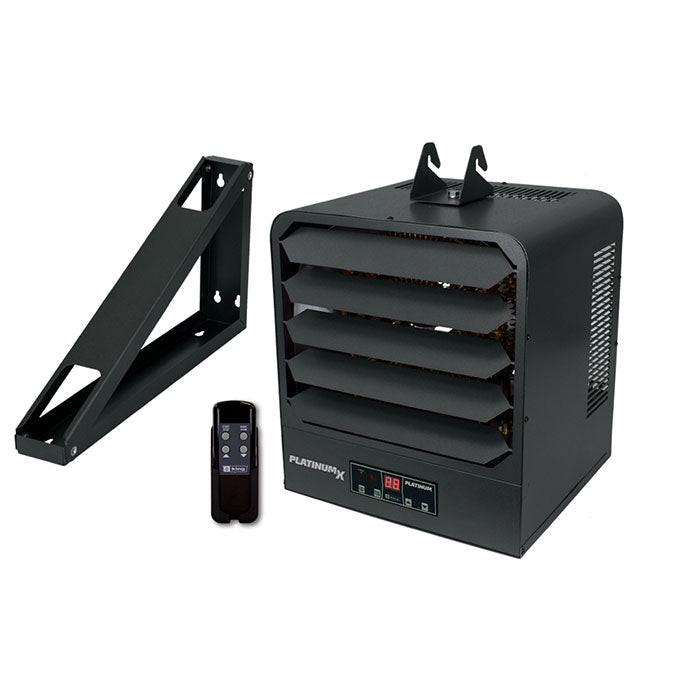
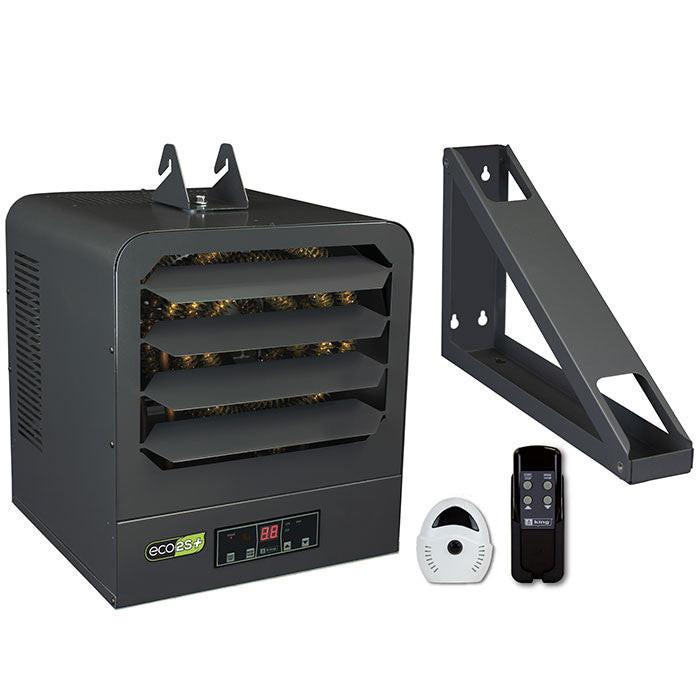
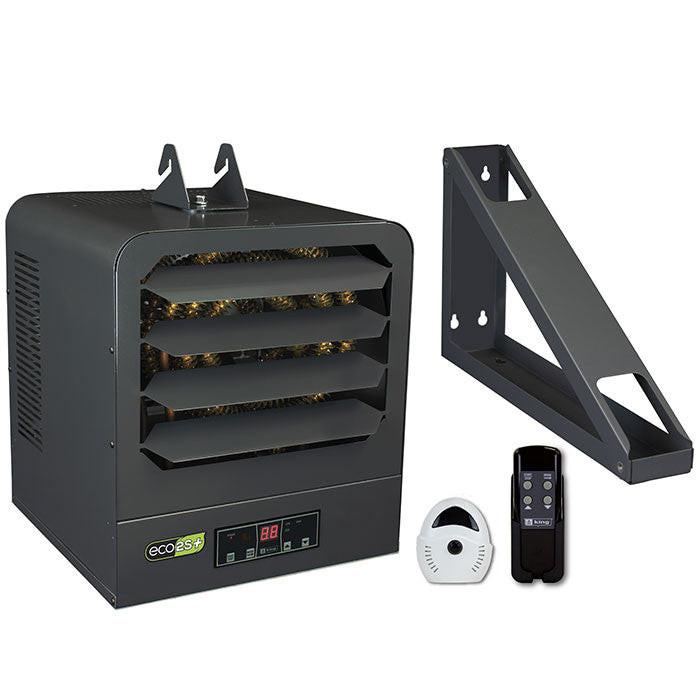
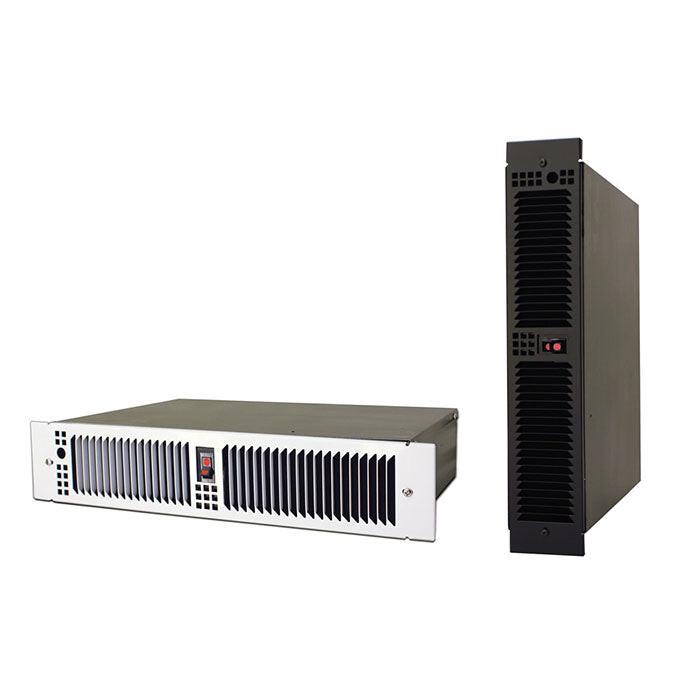
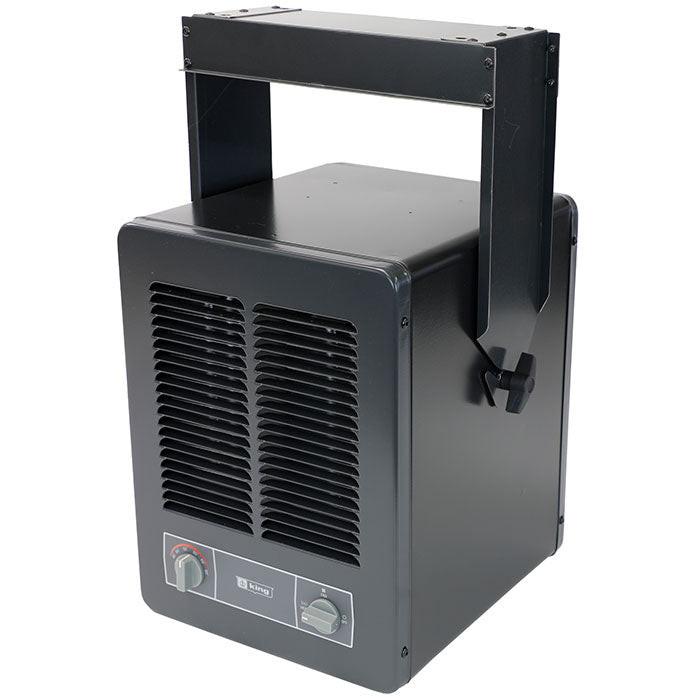
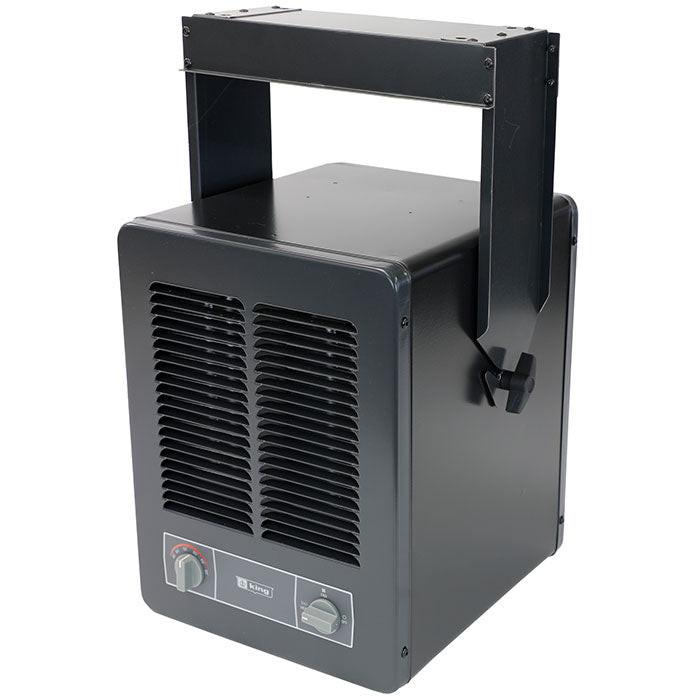
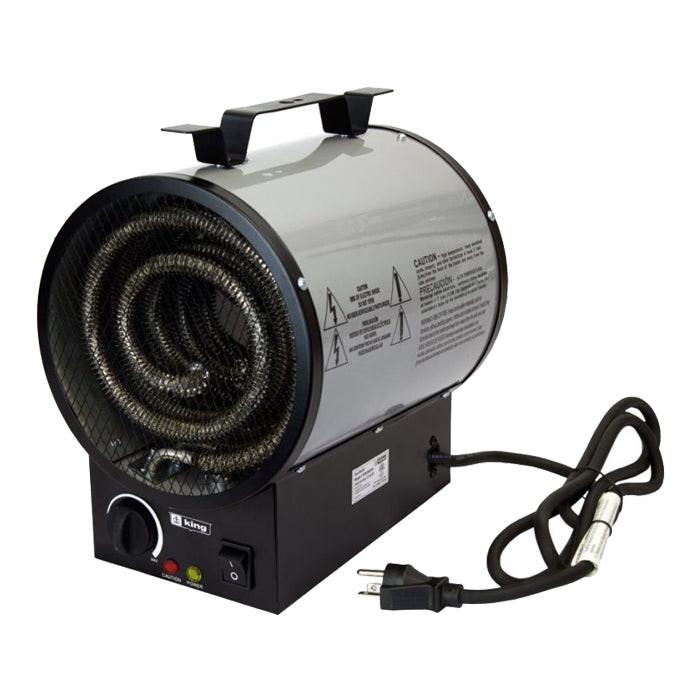
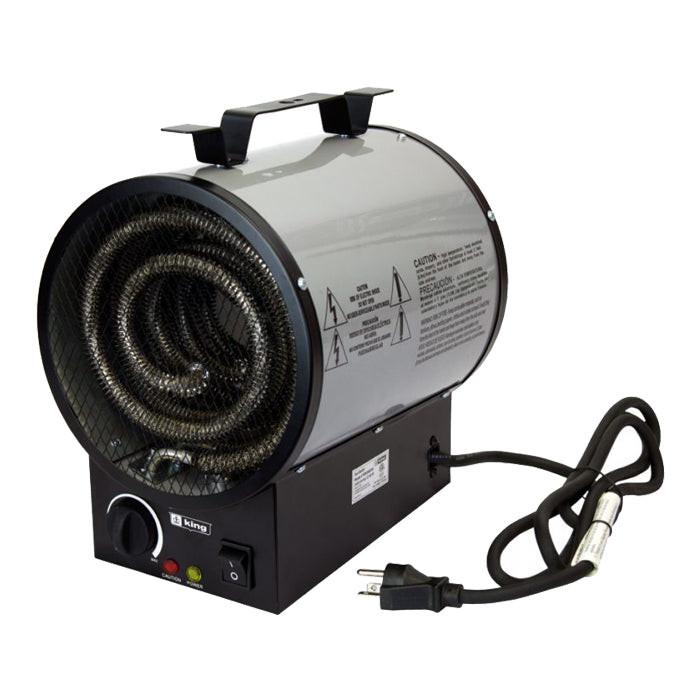
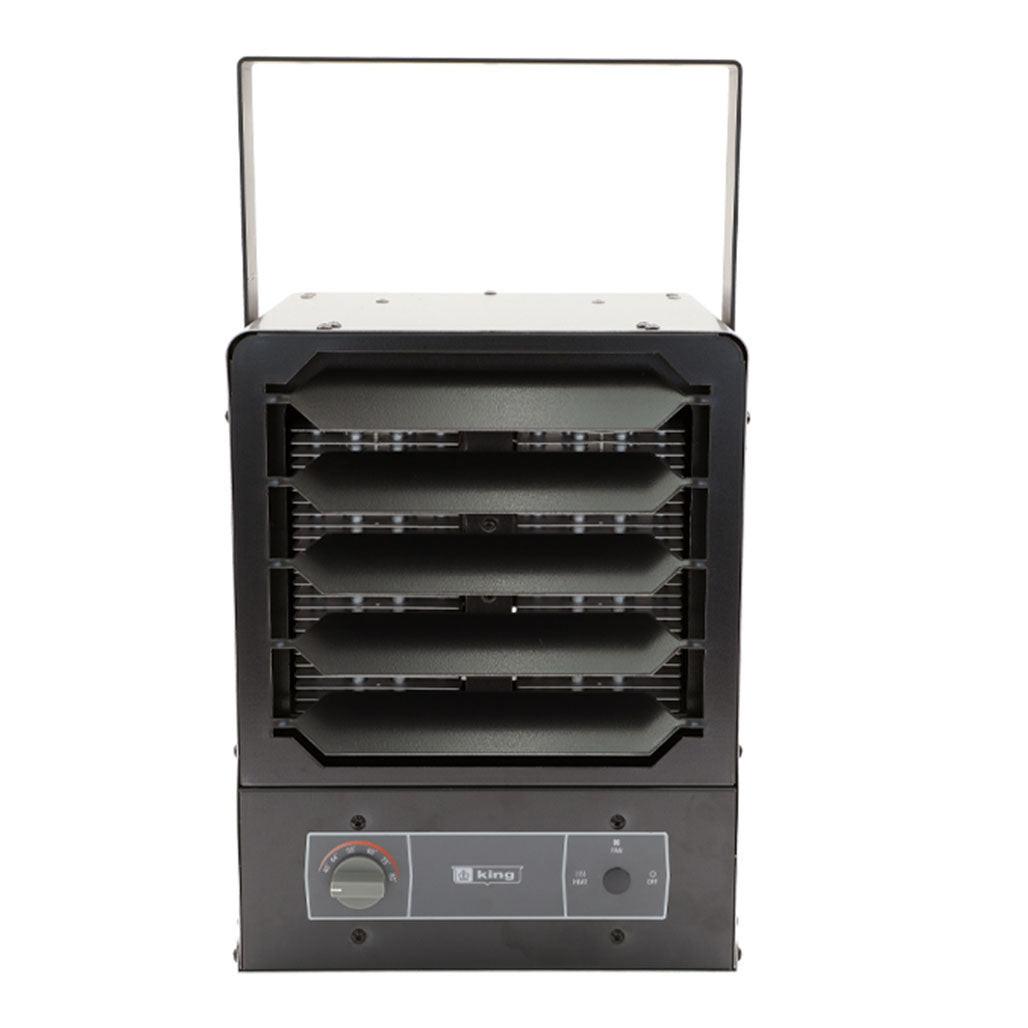
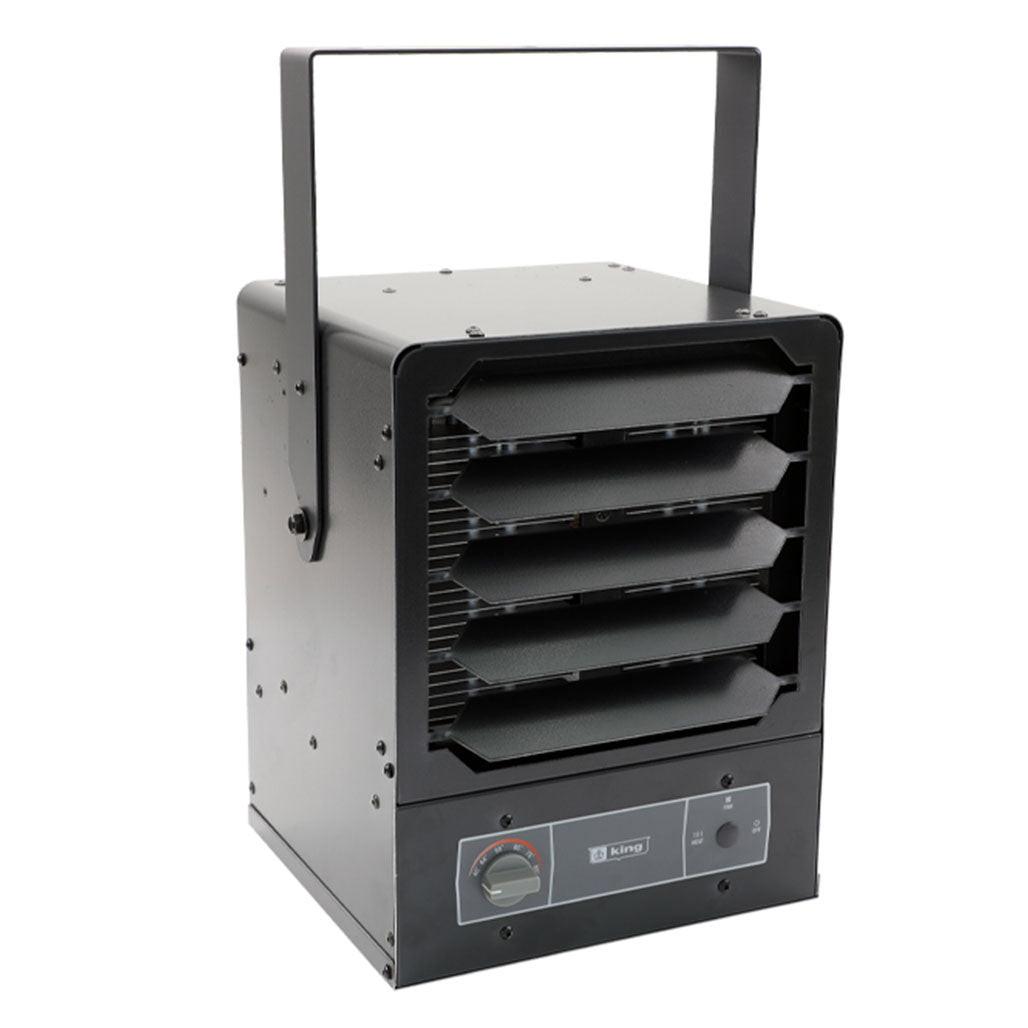
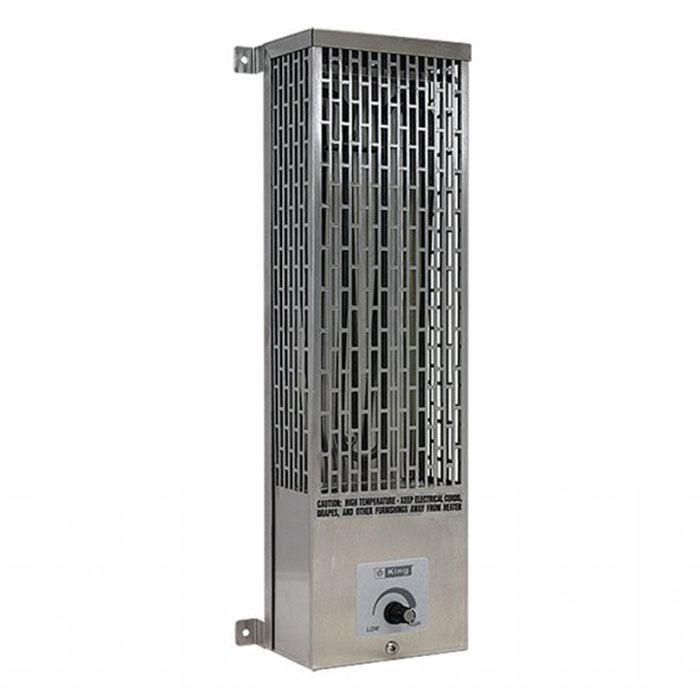
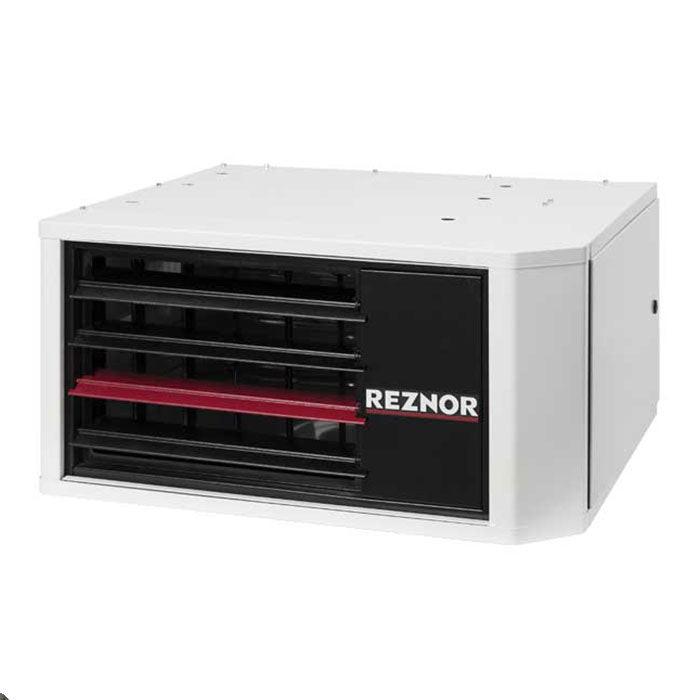
Propane and natural gas unit heaters are the standard for greenhouse heating -- they produce large amounts of heat output at low fuel cost per BTU compared to electric resistance heating, and the CO2 produced by combustion supplements plant growth in sealed or semi-sealed greenhouse environments. Electric resistance heaters (fan-forced or radiant) work well in small spaces, grow tents, and situations where gas connections are not available -- simpler installation, no combustion products, but higher operating cost per BTU. Hydronic (hot water) radiant heating is the premium option for large commercial greenhouses, providing the most uniform heat distribution with roots-first bottom heating that supports plant growth -- higher installation cost but lowest operational variability. For grow tents where even small amounts of supplemental heat are needed during cold nights, a small fan-forced electric heater with an adjustable thermostat is the most practical solution.
Sizing a Heater for a Grow Room or Greenhouse
Heater sizing requires calculating the heat loss rate of your space (a function of insulation R-value, surface area, and the temperature difference between inside target and outside minimum). For a grow tent: tent walls provide minimal insulation, so heat loss can be significant in cold conditions -- a 200-400W electric heater with thermostat control is typically adequate for a 4x4 tent to 5x5 tent in a garage maintaining 40-50 degrees F ambient. For greenhouses: use the industry rule of thumb of 1 BTU/hr per square foot of floor area per 1 degree F of temperature difference between inside target and outside design minimum (e.g., a 1,000 sq ft greenhouse targeting 65 degrees F with outside design temp of -5 degrees F needs 1,000 x 70 = 70,000 BTU/hr). Pair with a temperature monitor for continuous tracking. Use our Grow Room AC/BTU Calculator for climate control sizing. Fast shipping.
Greenhouse & Grow Room Heaters FAQ
What type of heater is best for a grow tent?
For grow tents, a small fan-forced electric heater (200-400W for 4x4 to 5x5 tents) with an adjustable thermostat or a standalone temperature controller is the most practical and safe choice. Propane and natural gas heaters require combustion air supply and flue management that are not compatible with sealed tent environments. Electric heaters are plug-and-play, produce no combustion products, and are easily controlled by standard thermostatic outlets or environment controllers. Look for units specifically rated for continuous operation and verify the thermostat can maintain the target temperature in your specific tent and ambient conditions.
Is the CO2 from a propane heater beneficial for plants?
Yes -- in sealed or semi-sealed greenhouses, CO2 produced by natural gas or propane combustion enriches the growing environment above ambient 400 ppm. This is a natural side benefit of combustion heating that commercial greenhouse operators have utilized for decades. However, combustion heaters also produce water vapor (raising humidity and dehumidification load) and require adequate combustion air supply to ensure complete combustion -- incomplete combustion produces carbon monoxide, which is dangerous to humans at low concentrations. Always install CO and CO2 monitors when running combustion heaters in enclosed growing spaces.
How do I control a grow room heater automatically?
Connect the heater's power inlet to a temperature controller's heating outlet -- the controller turns the heater on when temperature drops below the setpoint and off when target is reached. Basic temperature controllers (Titan Controls, Inkbird) provide simple on/off temperature switching. Multi-function environment controllers (TrolMaster Hydro-X) integrate heater control alongside dehumidifier, AC, fan, and CO2 management from a single setpoint interface. For heaters above 15 amps (1800W at 120V), use a contactor relay between the controller outlet and the heater to avoid exceeding the controller's outlet rating with the heater's inrush current.
What temperature should I maintain in a grow room in winter?
Target 70-78 degrees F during the light period for most crop varieties -- the same range targeted year-round. During the dark period, most growers allow temperature to drop 5-10 degrees F below the light period target (temperature drop at lights-off triggers the natural night-cooling signal that many plants use to regulate growth). Minimum acceptable dark period temperature for most crops: 60-65 degrees F. Below 60 degrees F consistently, nutrient uptake slows, growth stalls, and disease susceptibility increases. Root zone temperature matters as much as air temperature -- cold floors and cold containers can chill the root zone even when air temperature is adequate.
Can I use a space heater in a grow tent?
Yes, with precautions. Use a heater rated for the wattage needed (200-400W for most tents), with tip-over protection and automatic thermal shutoff -- standard safety features on most quality fan-forced electric space heaters. Never use an open-coil radiant heater or any unit without thermal shutoff in a tent -- if the heater is blocked by a falling branch or falling tent material, an unprotected heater creates a fire risk. Position the heater at floor level pointing toward the tent interior, not directly at plant material. Connect to a thermostatic outlet controller to prevent overheating when lights are on and heat load is already at maximum.