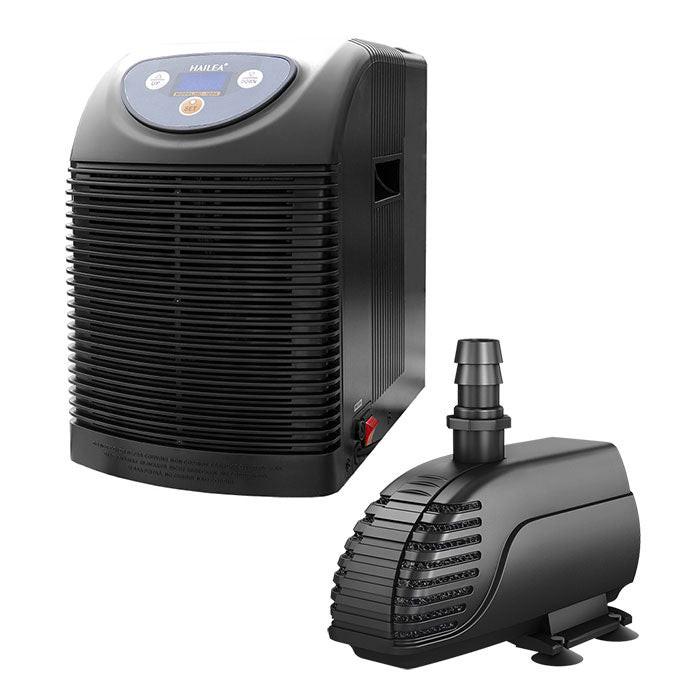
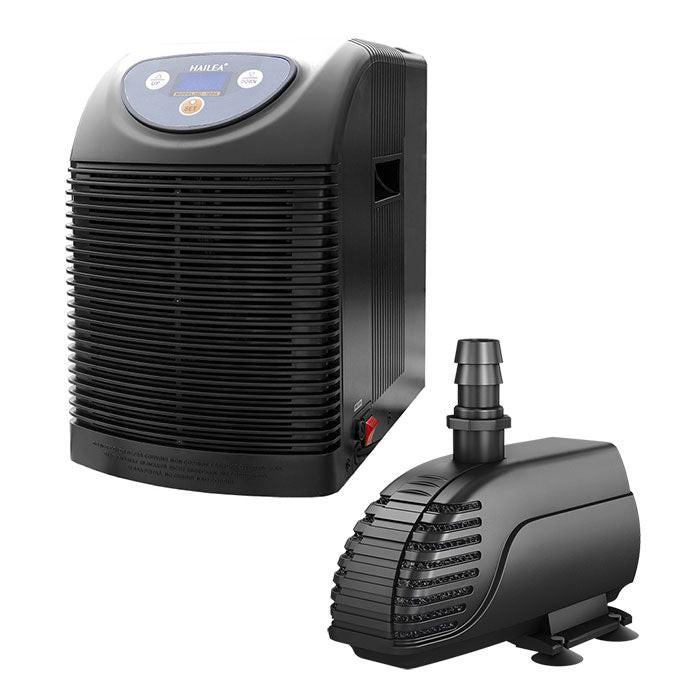
Hydroponic Water Chillers & Heaters
Reservoir water temperature is one of the most commonly overlooked variables in hydroponic growing -- yet it directly controls dissolved oxygen availability, root zone pathogen risk, and overall plant performance. Water at 68 degrees F holds approximately 9.1 mg/L dissolved oxygen; at 75 degrees F that drops to 8.3 mg/L; at 80 degrees F it falls to 7.7 mg/L. For DWC and RDWC systems where roots live directly in the nutrient solution, that difference in dissolved oxygen drives measurable differences in root health, growth rate, and susceptibility to root pathogens like Pythium. Most indoor grows without active water temperature management run warmer than the optimal 65-68 degrees F target -- particularly in summer or high-lighting environments where grow lights add heat to the room.
Water Chillers for DWC & RDWC
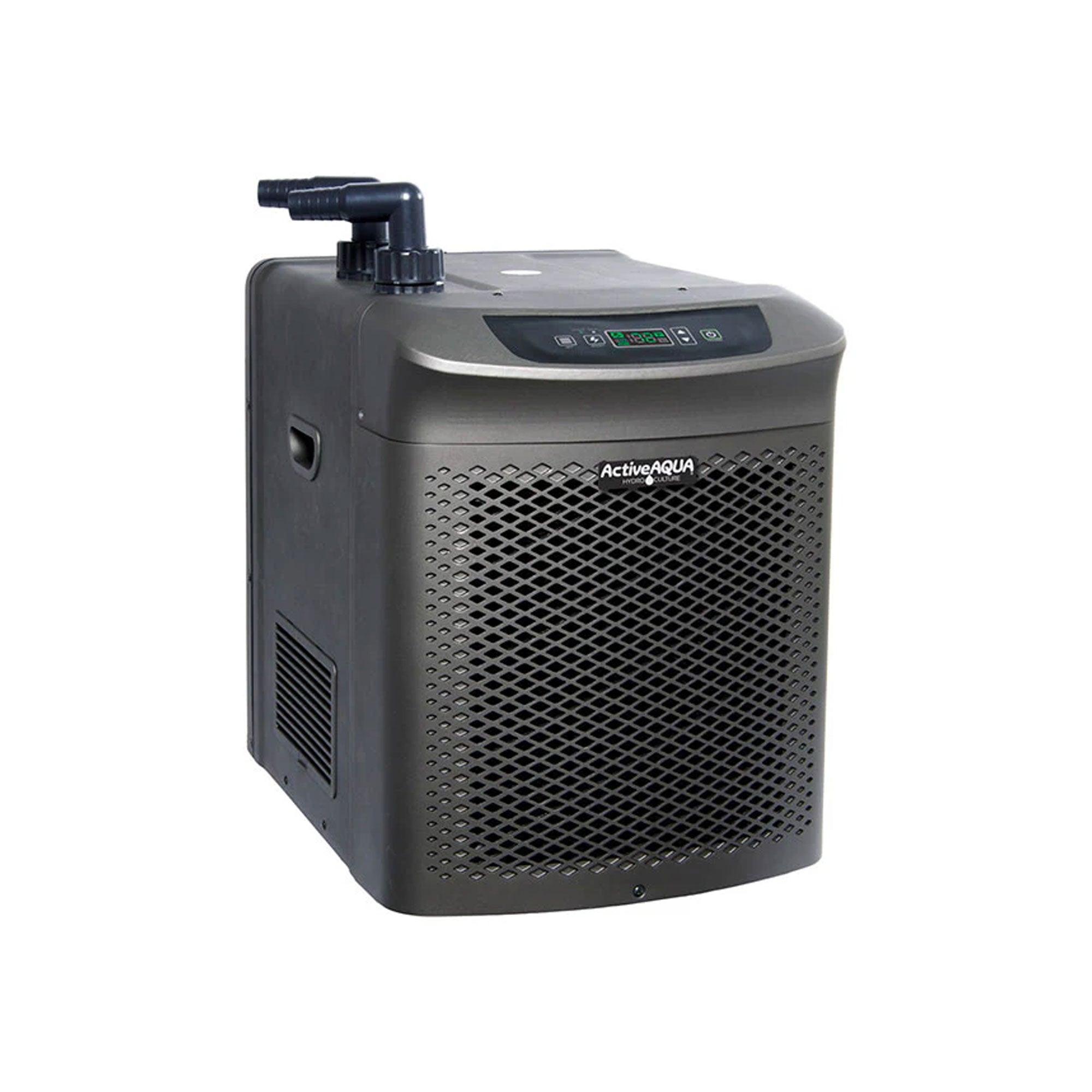
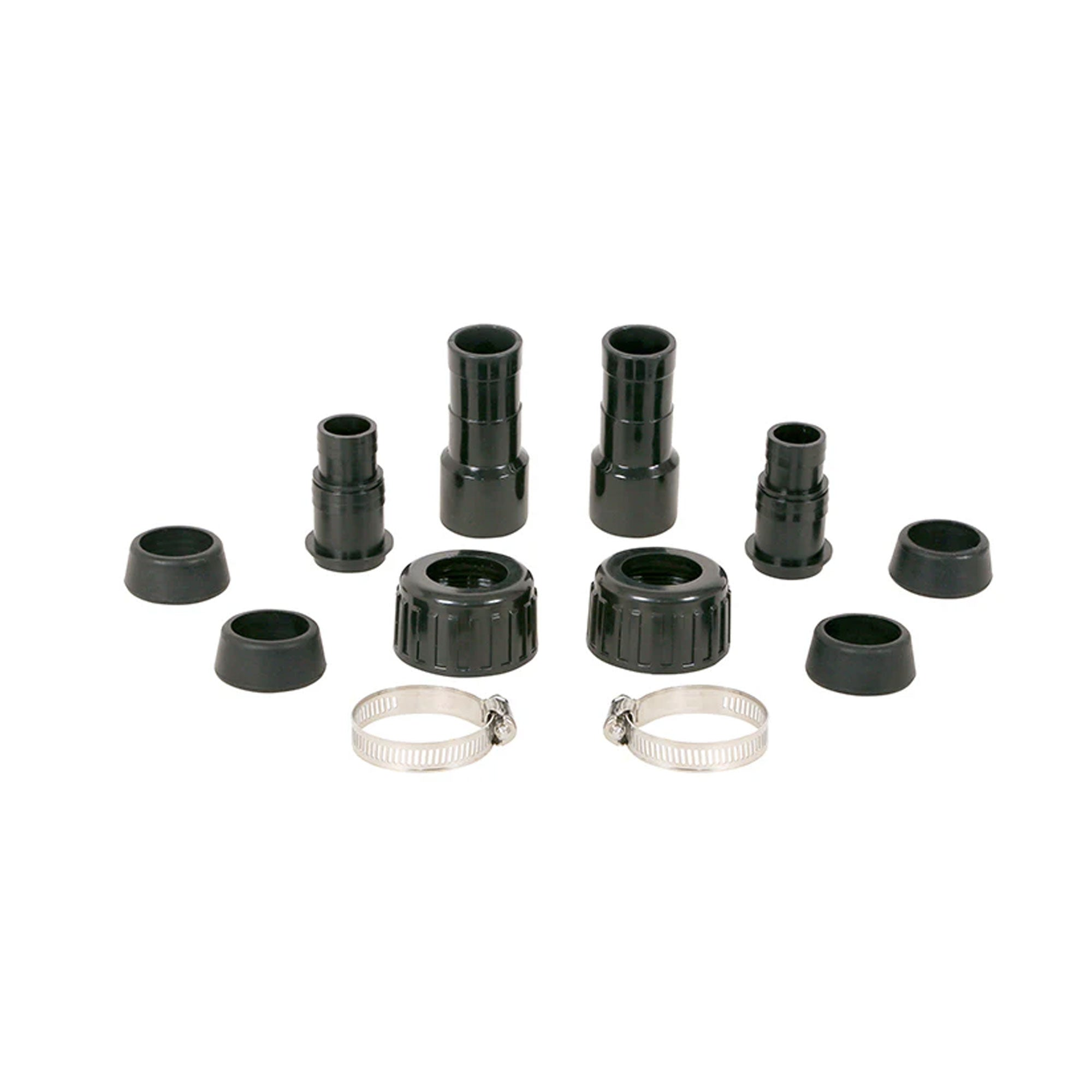
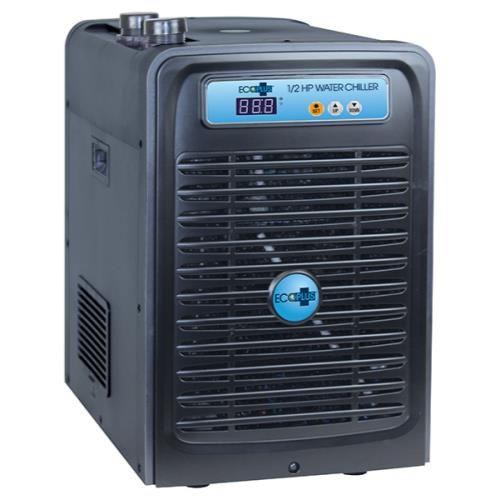
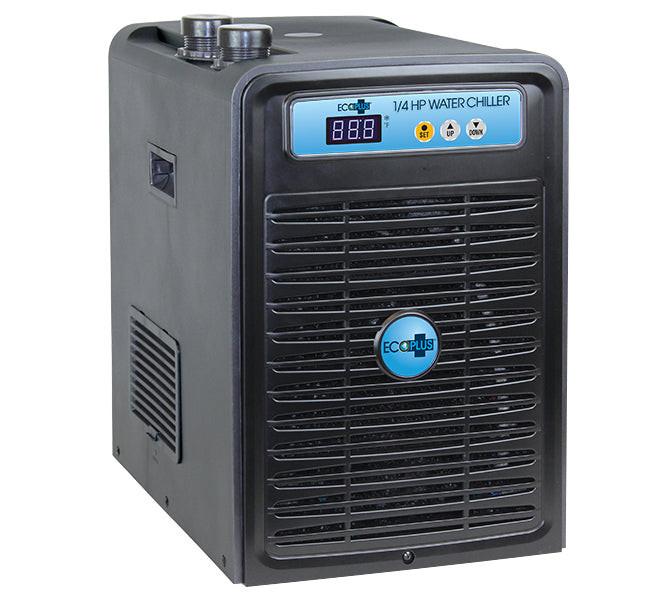
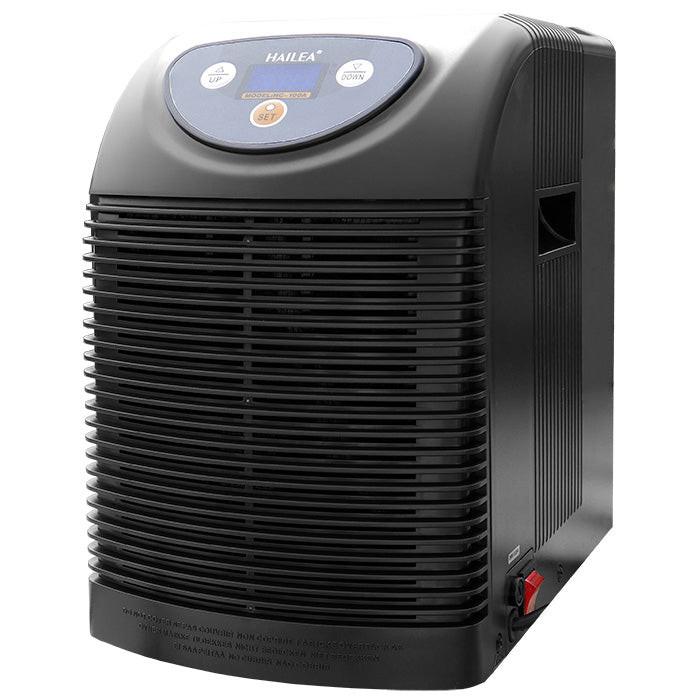
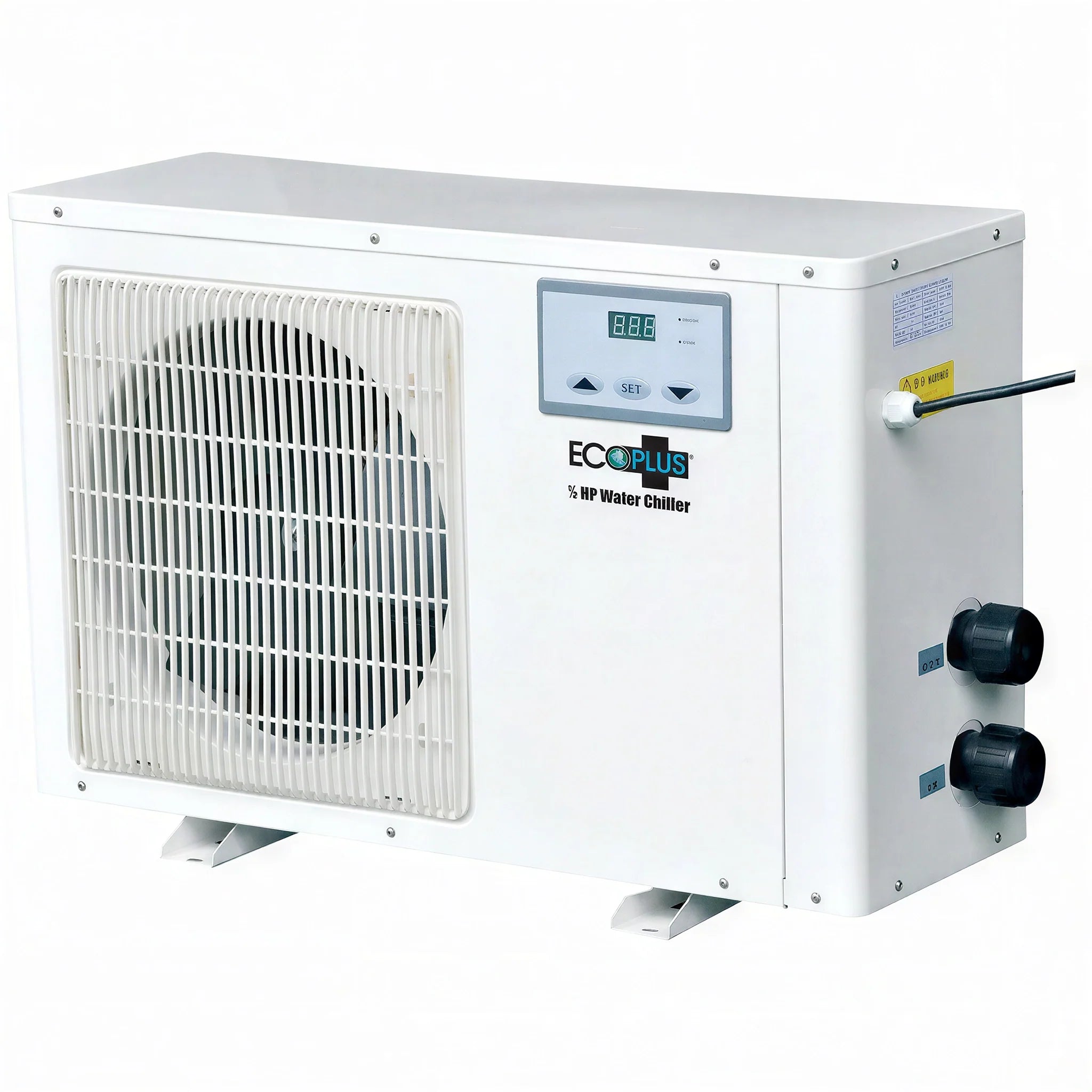
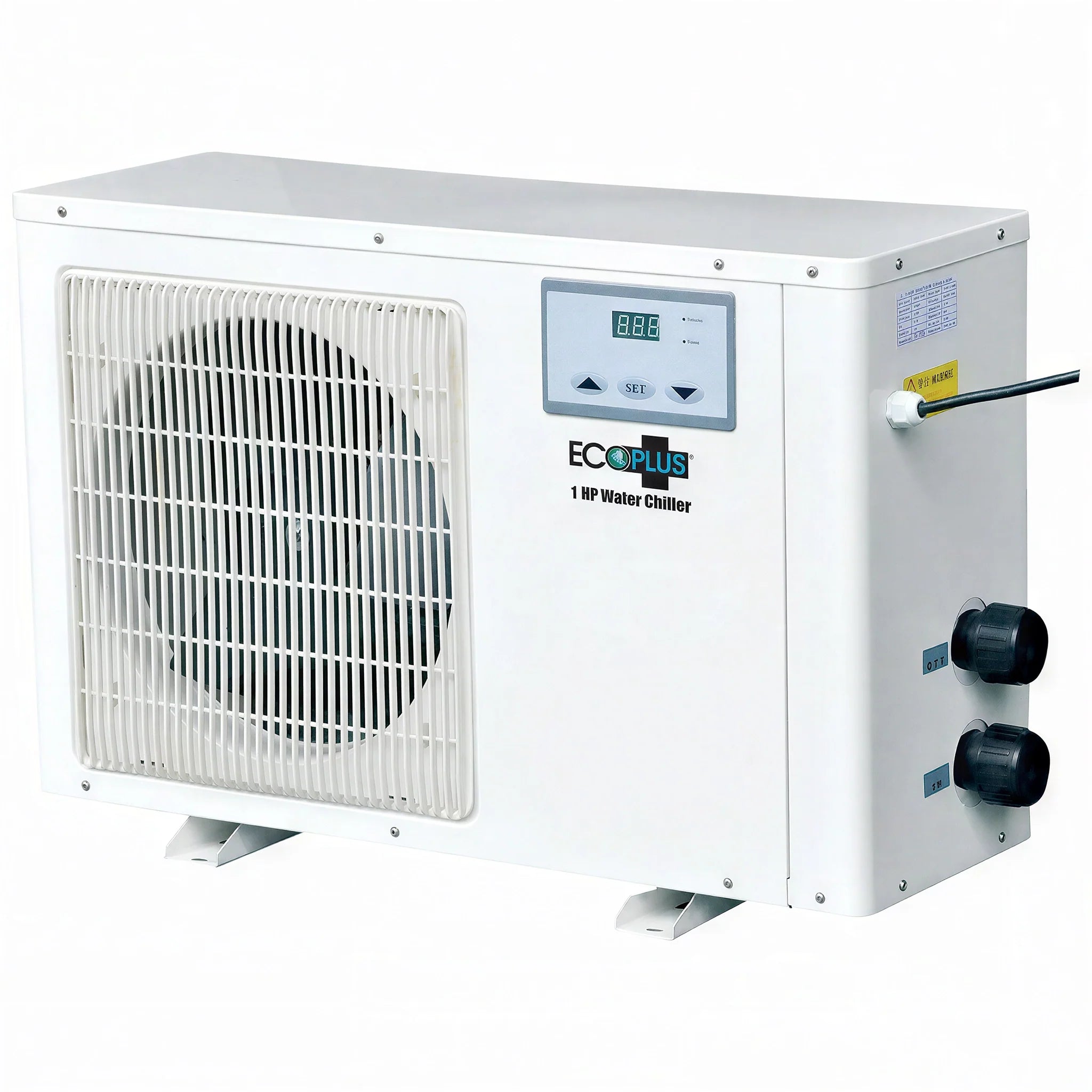
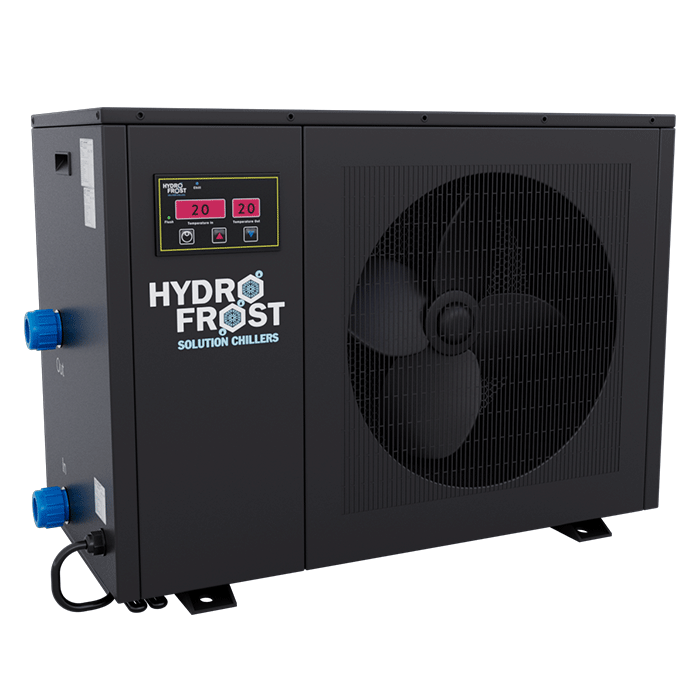
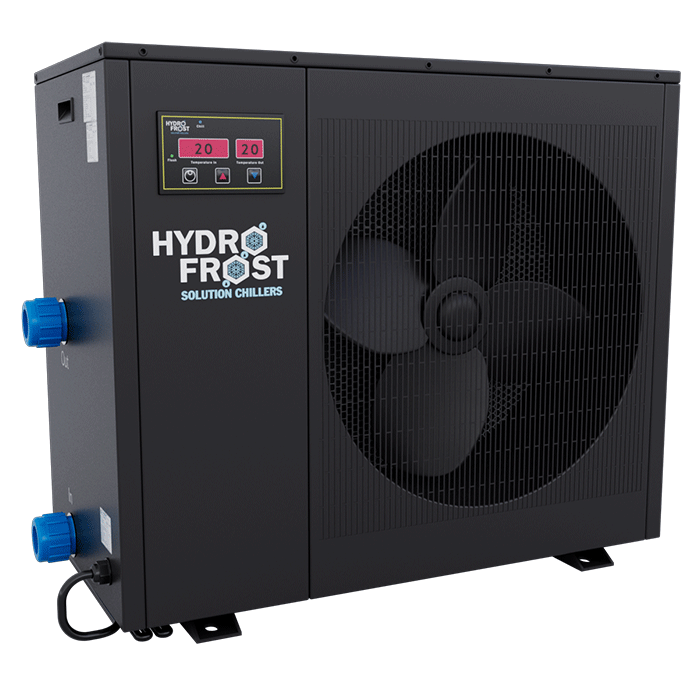
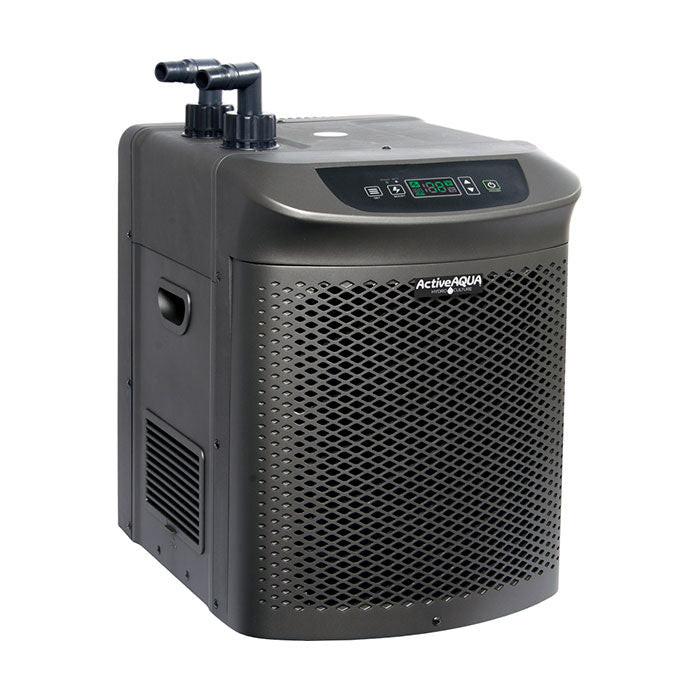
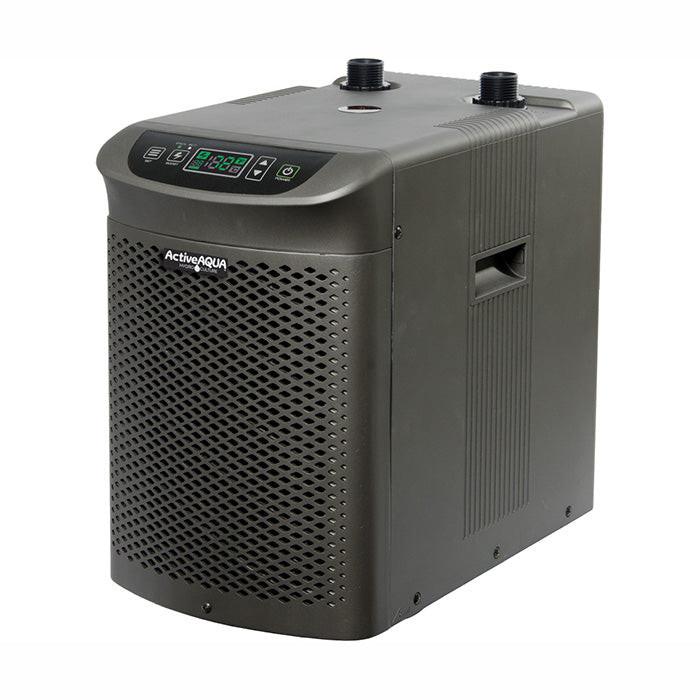
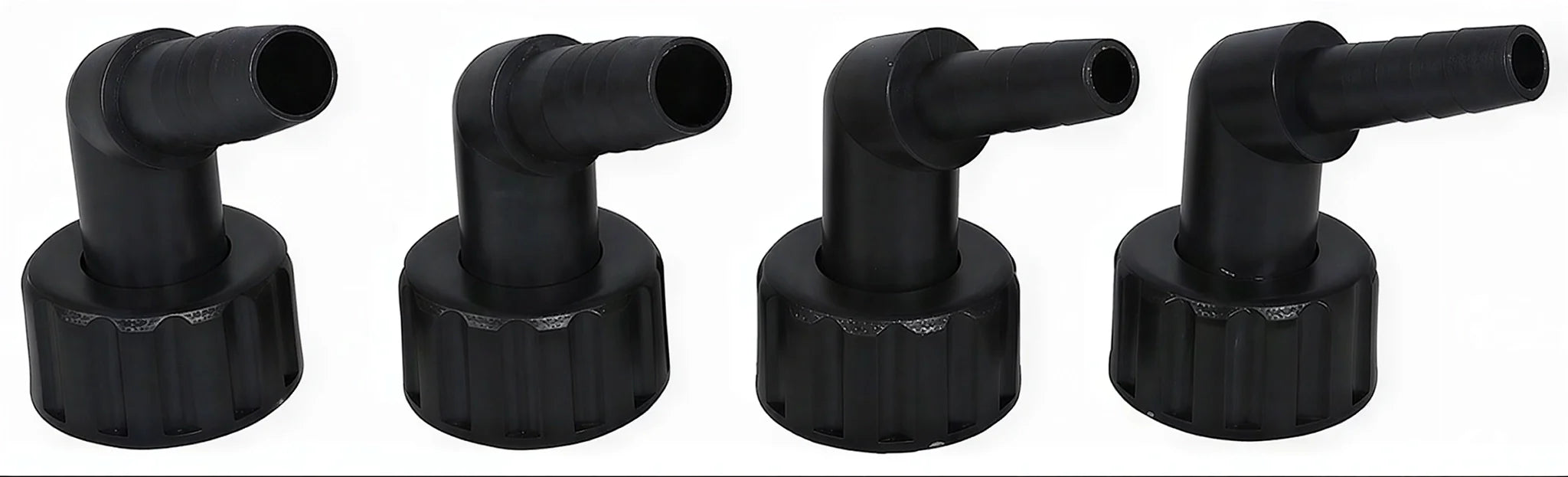
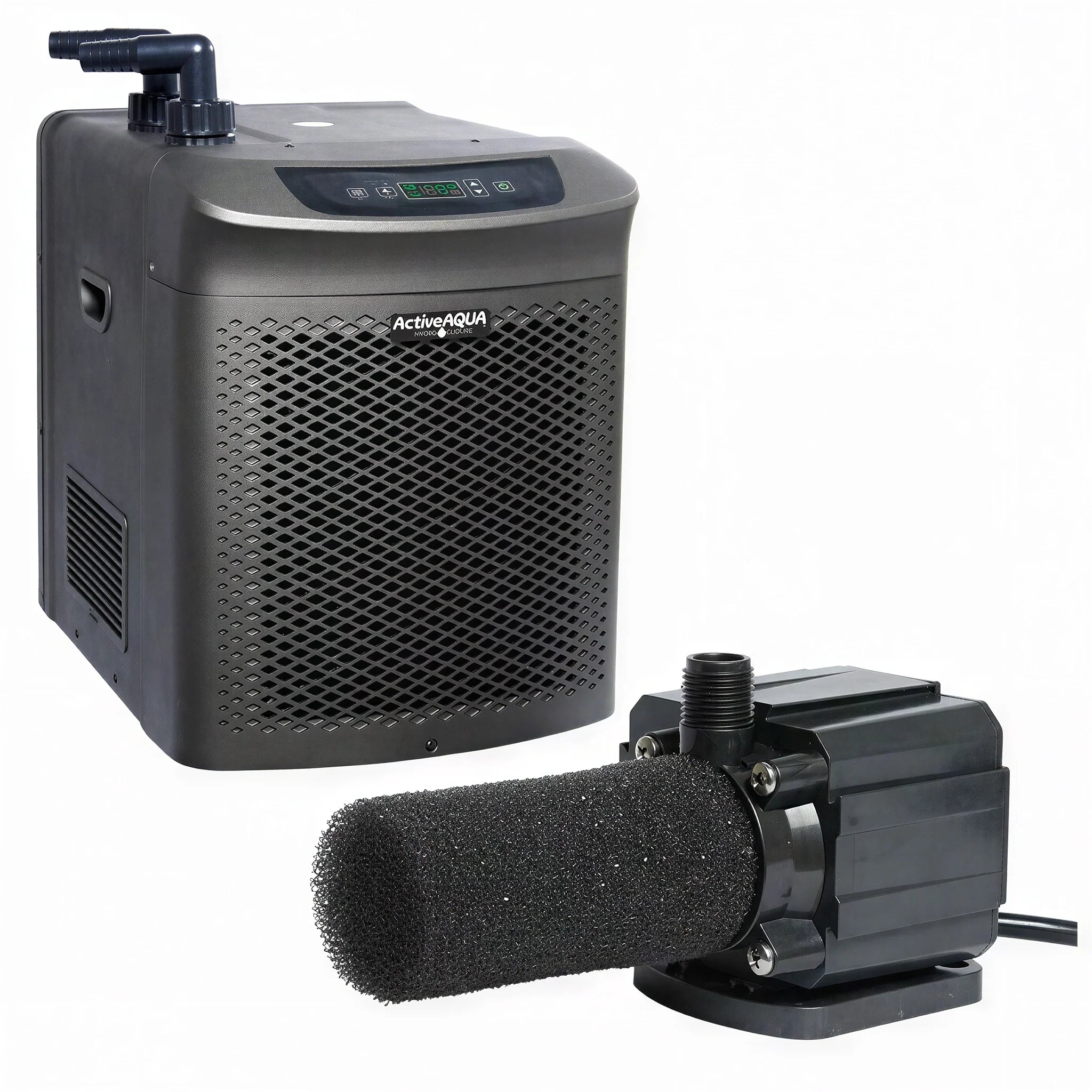
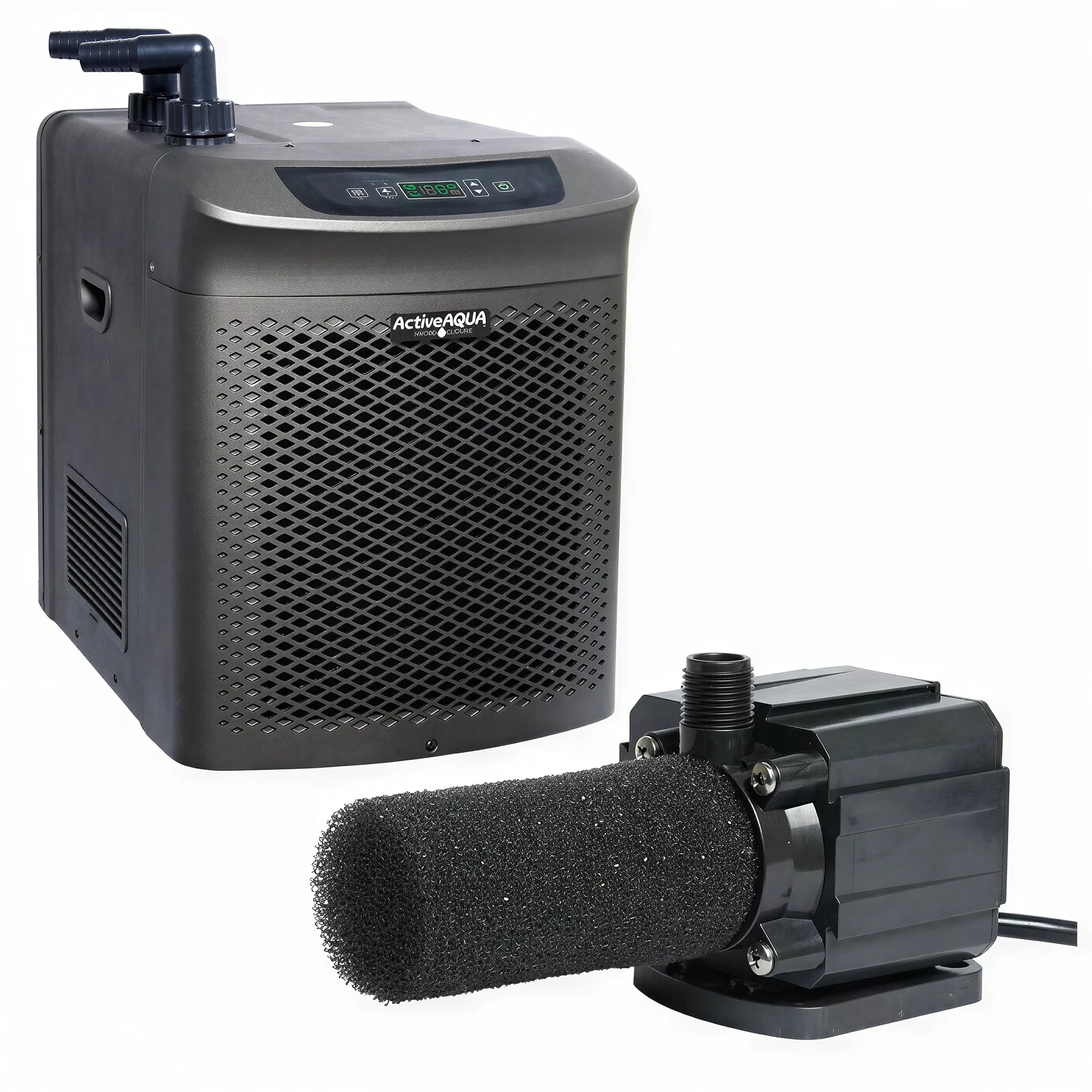
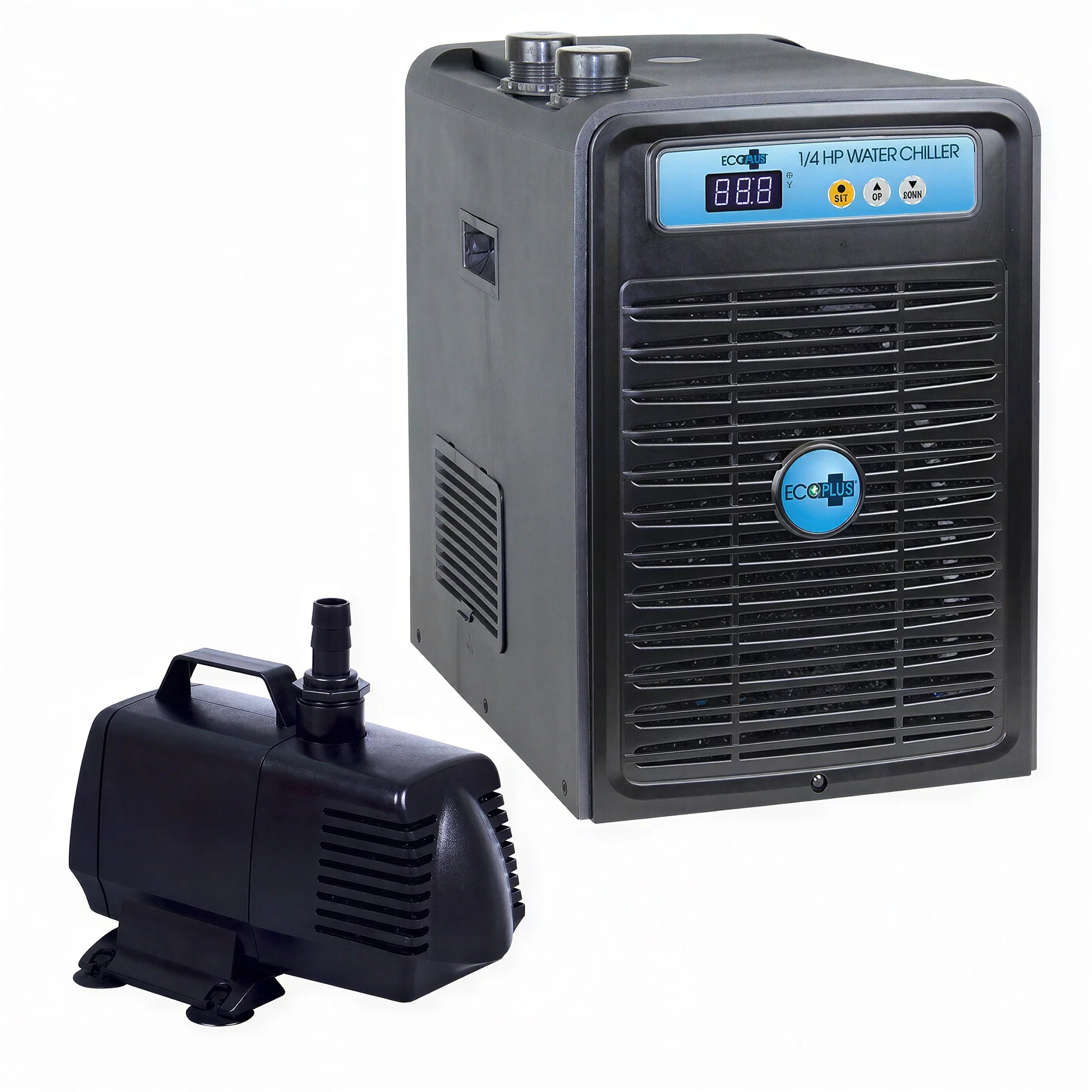
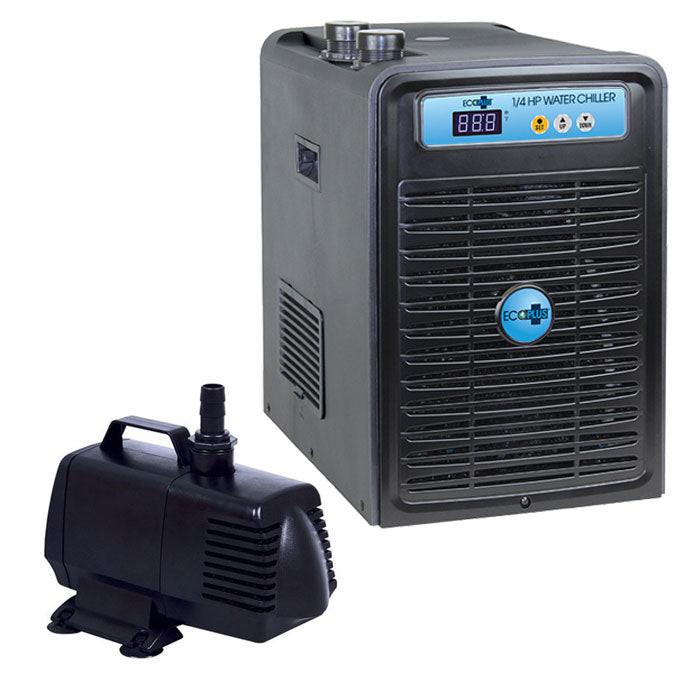
Hydroponic water chillers are refrigeration units that circulate reservoir water through a heat exchanger, cooling it to a precise thermostat setpoint. Available from compact 1/10 HP units (suitable for single DWC buckets or small reservoirs up to 25-30 gallons) through commercial 1/2 HP and larger units for 50-200+ gallon RDWC systems. Connect the chiller inline between the reservoir and your return line -- the chiller's pump circulates reservoir water through the heat exchanger and back. Titanium heat exchanger models are essential for nutrient solution applications -- stainless steel and copper exchangers corrode rapidly in hydroponic solution chemistry. For DWC and RDWC systems, a chiller is one of the highest-ROI upgrades available. Pair with a submersible circulation pump for systems without one already integrated.
Water Heaters for Cold Weather Growing
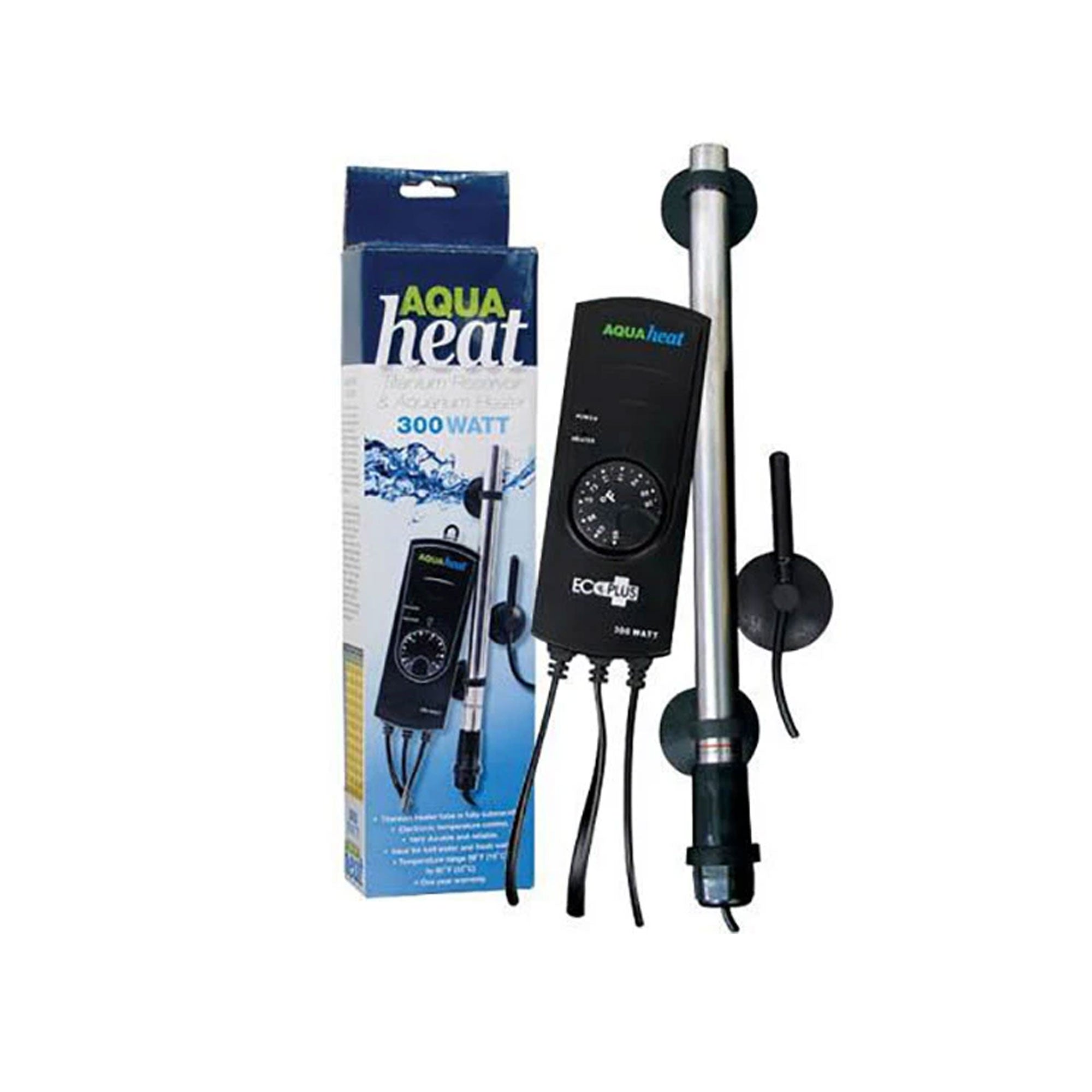
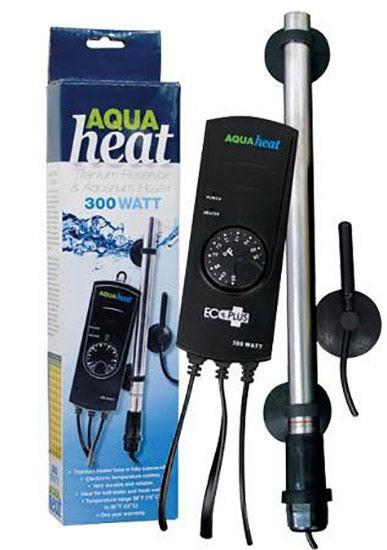
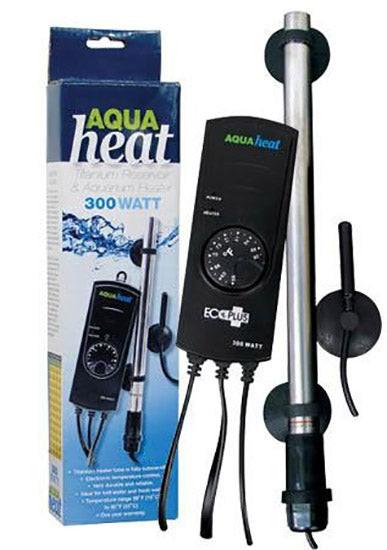
Water heaters are the winter counterpart to chillers -- maintaining minimum reservoir temperatures in cold garages, basements, and unheated greenhouses where ambient temperature drops can chill nutrient solution below the 65 degrees F minimum for healthy root zone function. Submersible aquarium-style heaters (50-500W depending on reservoir volume) are the standard for hobby hydroponic applications -- thermostatically controlled, simple to install, and available in sizes covering 5-gallon buckets through 100-gallon reservoirs. For large commercial reservoirs, inline heating elements or recirculating water heater units provide higher wattage and more precise control. Fast shipping.
Water Chillers & Heaters FAQ
What temperature should my hydroponic reservoir be?
Target 65-68 degrees F (18-20 degrees C) for optimal dissolved oxygen and root health in DWC and RDWC systems. At this range, water holds 9+ mg/L dissolved oxygen and Pythium and other root pathogens have significantly less competitive advantage. Upper limit: 72 degrees F -- above this, dissolved oxygen drops noticeably and root disease pressure increases substantially. For drip-irrigated media systems (coco coir, rockwool), reservoir temperature matters less than in direct-water-contact systems, but staying below 75 degrees F is still beneficial.
What size water chiller do I need for my system?
Match chiller HP to reservoir volume and heat load. General guidelines: 1/10 HP covers 25-40 gallons with moderate heat load (no significant light heat entering reservoir). 1/4 HP covers 40-80 gallons. 1/2 HP covers 80-150 gallons. 1 HP for 150-300 gallons. These estimates assume the reservoir is in a room maintained below 75 degrees F. In warmer rooms or with significant light heat entering the reservoir, size up one tier. Always select titanium heat exchanger models for nutrient solution applications -- copper and stainless corrode in hydroponic chemistry.
Can I use a regular aquarium heater in a hydroponic reservoir?
Yes -- submersible aquarium heaters work well for hydroponic reservoir heating. Use glass-encased or titanium-element heaters rated for the volume you need to maintain (roughly 5W per gallon as a starting point in insulated reservoirs, more for uninsulated reservoirs in cold environments). Plastic-encased heaters with exposed metal elements can corrode in nutrient solution over time -- glass-encased heaters are the safer long-term choice. Set the heater thermostat to your target minimum temperature (typically 65-68 degrees F) and it cycles on automatically when the reservoir drops below that threshold.
Does water temperature affect nutrient uptake?
Yes -- root zone temperature affects nutrient uptake both directly (enzyme activity rates involved in active nutrient transport are temperature-dependent) and indirectly (through dissolved oxygen levels that drive aerobic root respiration). Cold water below 60 degrees F significantly reduces phosphorus and calcium uptake in particular. Warm water above 72 degrees F reduces dissolved oxygen, impairing the aerobic root metabolism that drives nutrient uptake across all elements. Maintaining 65-68 degrees F is the practical sweet spot that keeps enzymatic activity adequate while maximizing dissolved oxygen.
How do I prevent Pythium root rot in a DWC system?
Pythium thrives in warm, low-oxygen water above 72 degrees F. The most effective prevention strategy: keep reservoir temperature below 68 degrees F (a water chiller is the most reliable way in warm environments), maintain adequate dissolved oxygen through properly sized air pumps and air stones, keep the reservoir covered to prevent light entry that promotes algae growth, change the reservoir solution on schedule (every 7-14 days), and maintain pH in the 5.5-6.2 range. If Pythium is already present, hydrogen peroxide treatment (H2O2 at 1-3 ml per gallon of 3% solution) combined with beneficial bacteria inoculants can arrest an active infection alongside improving temperature and oxygenation conditions.