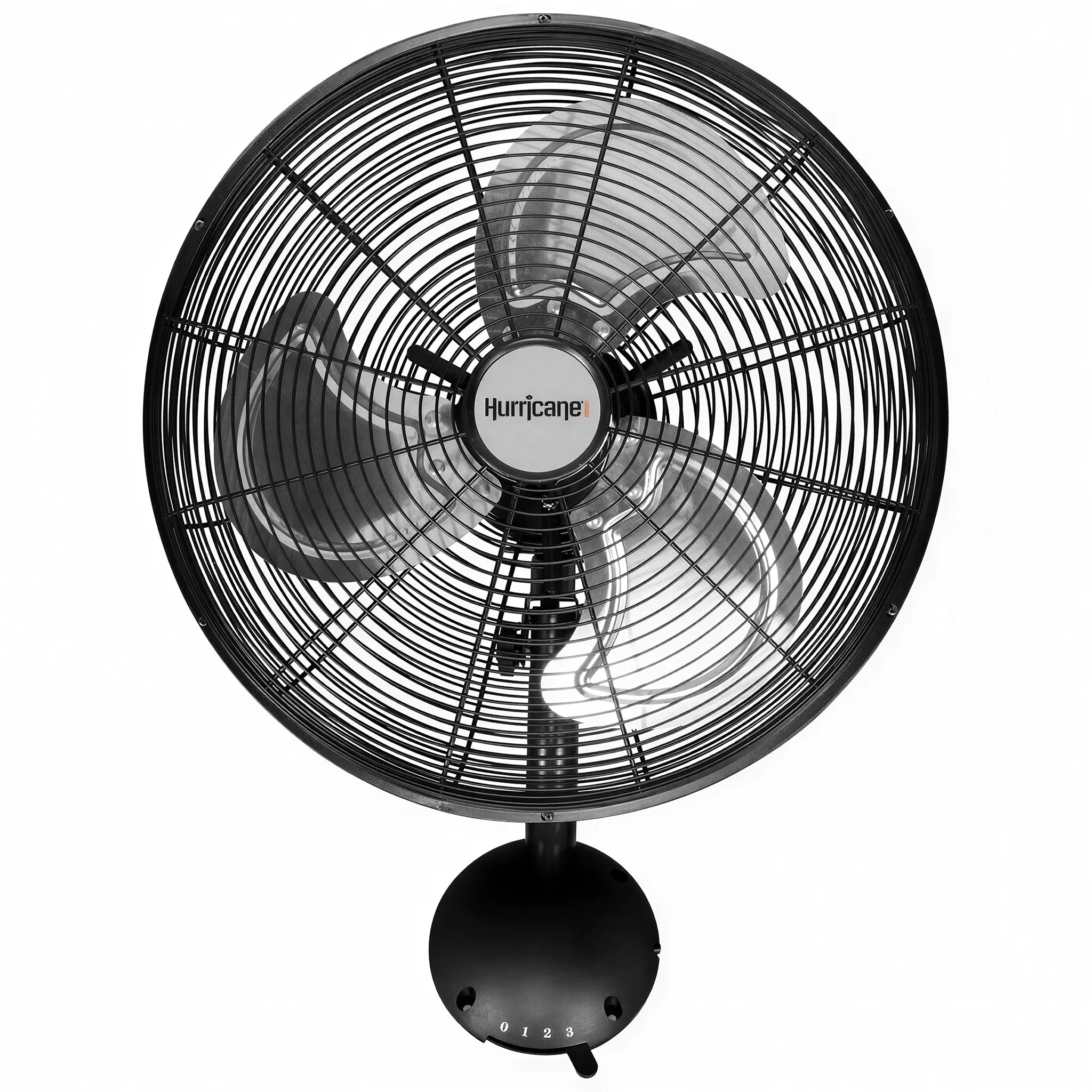
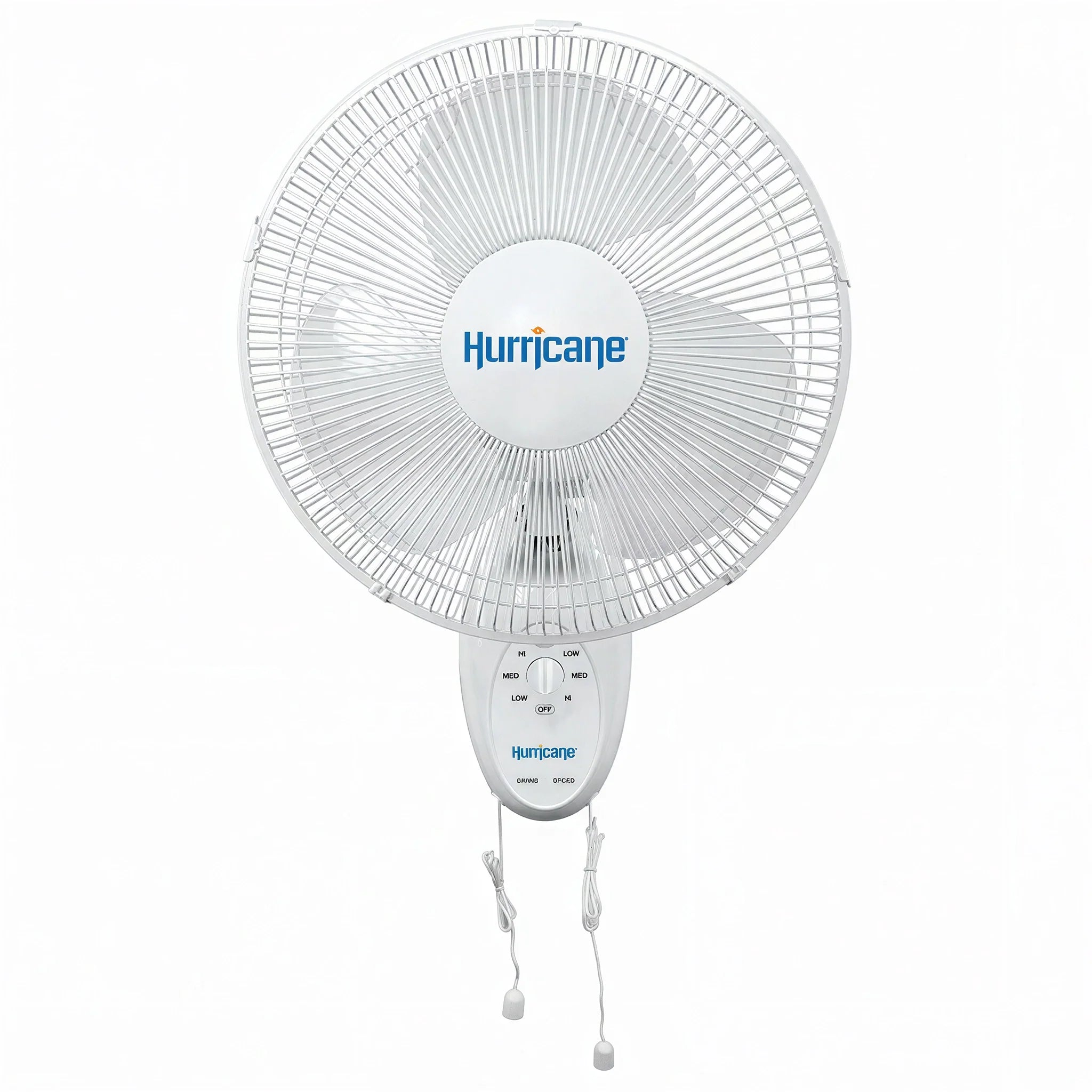
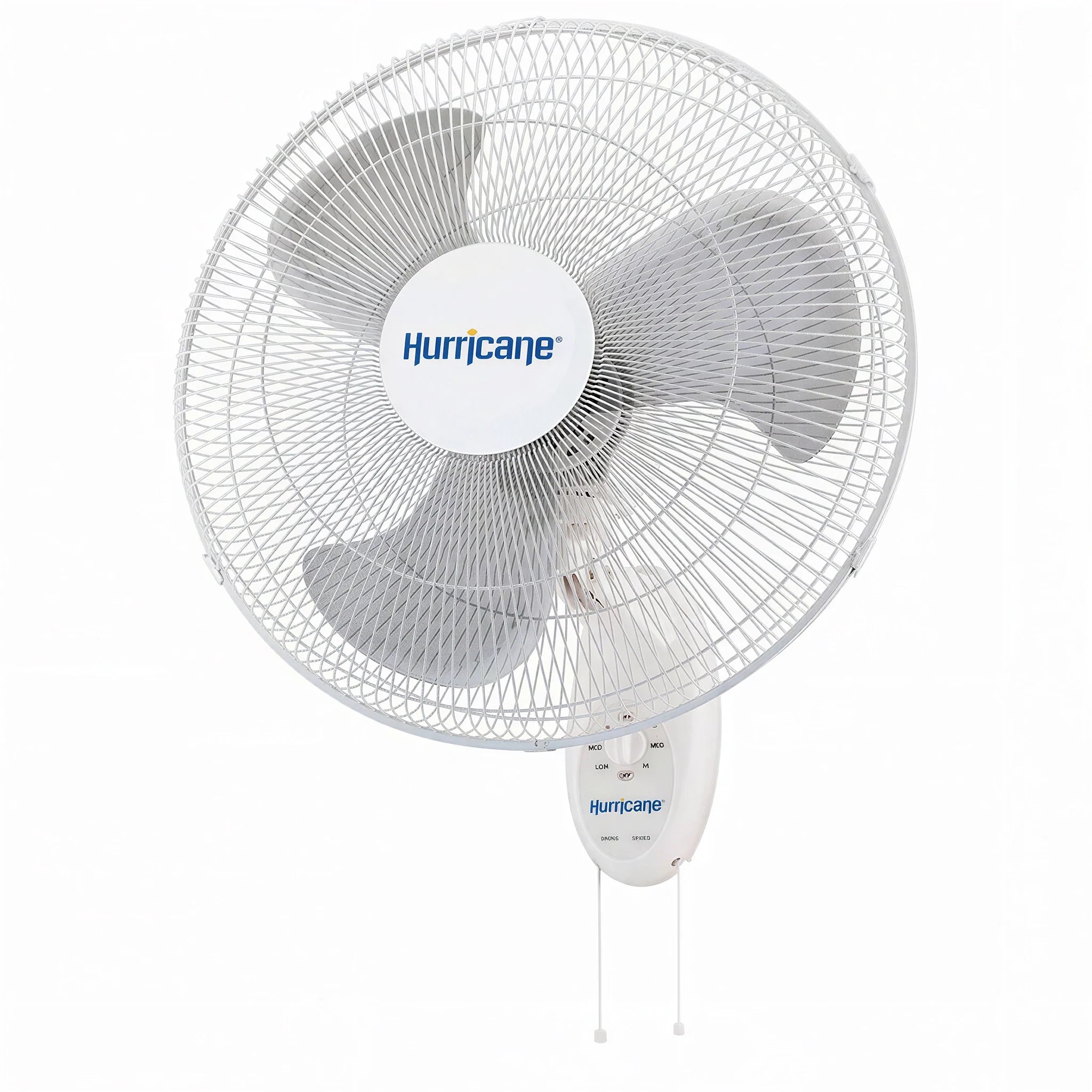
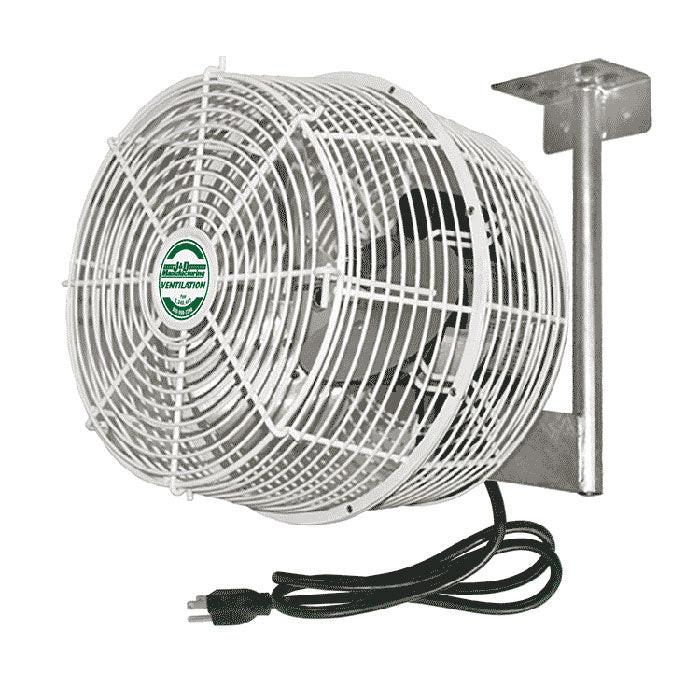
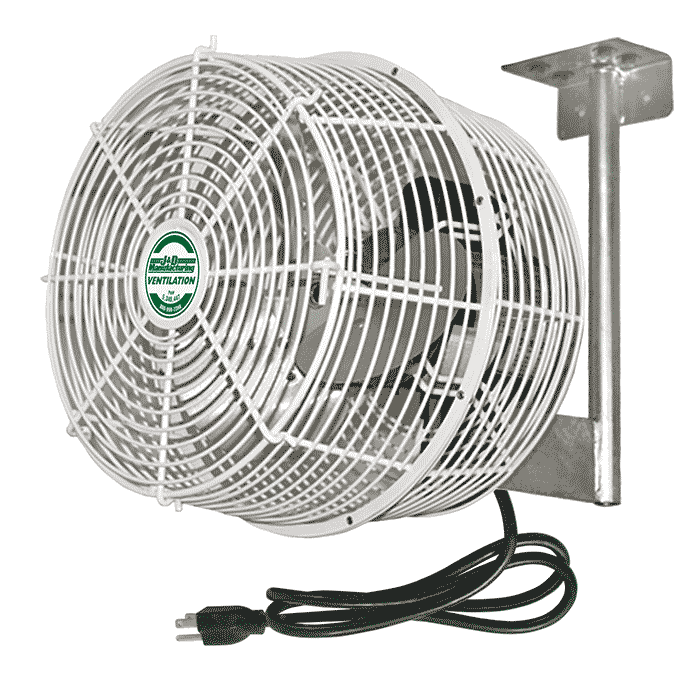
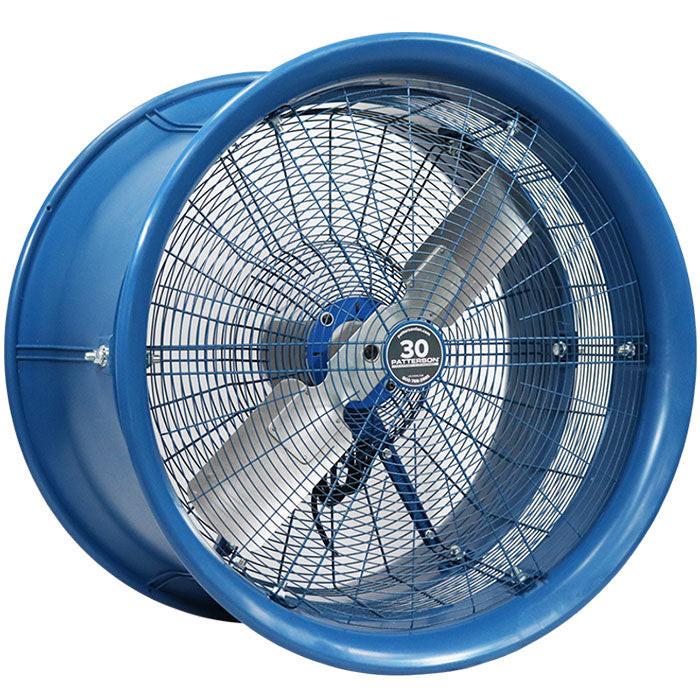
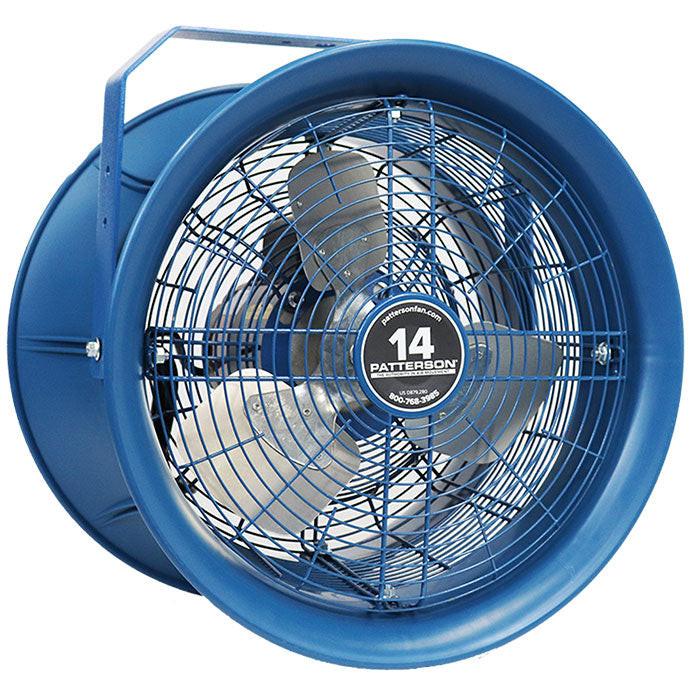
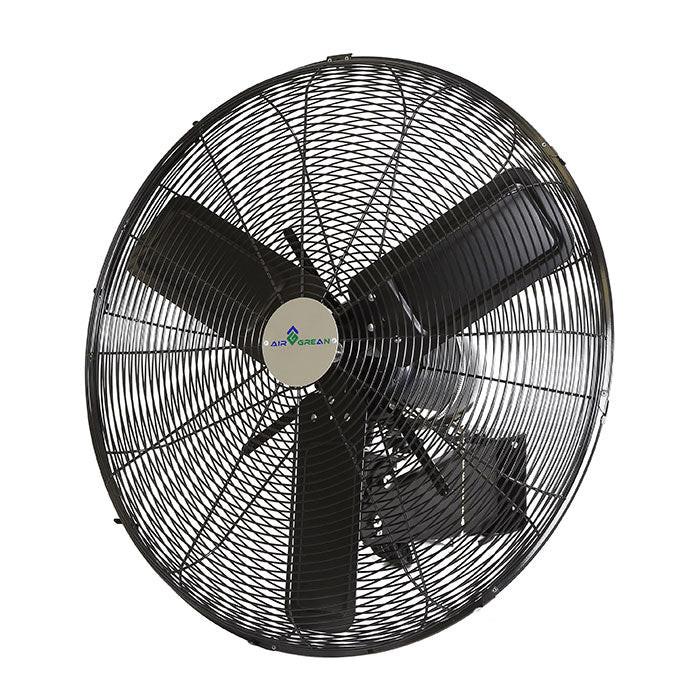
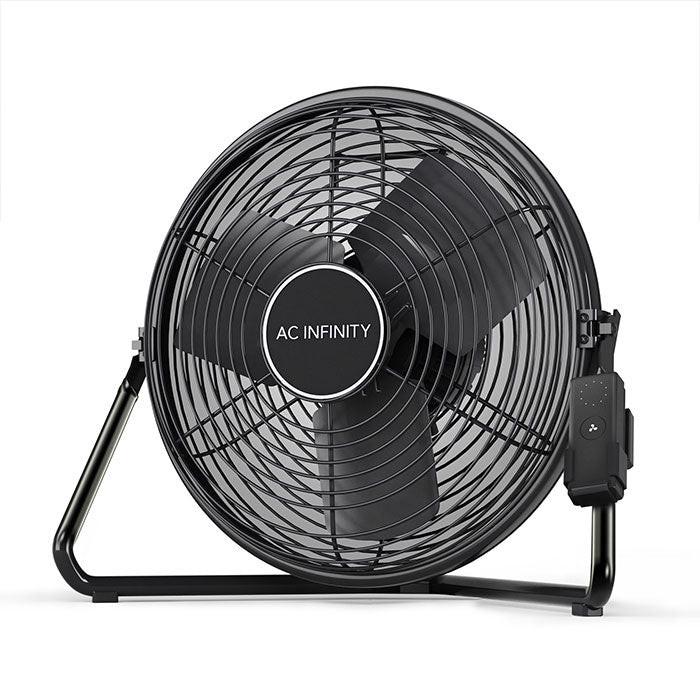
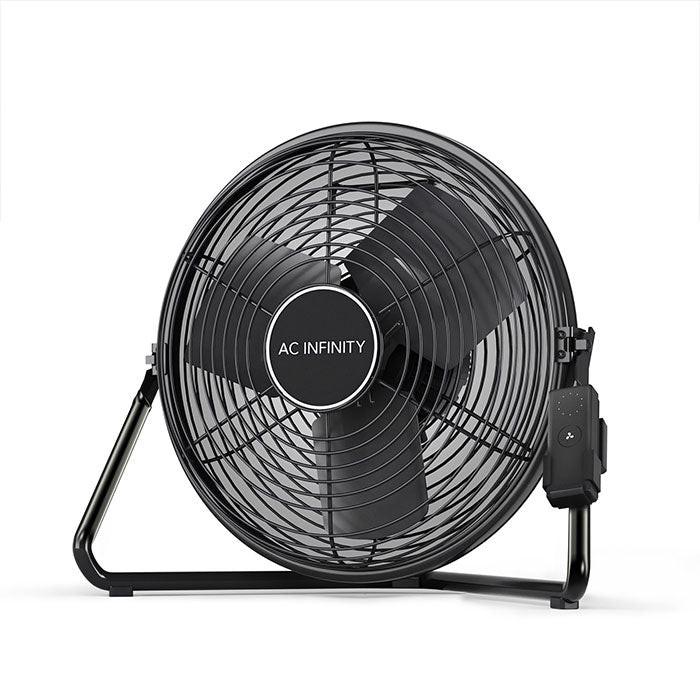
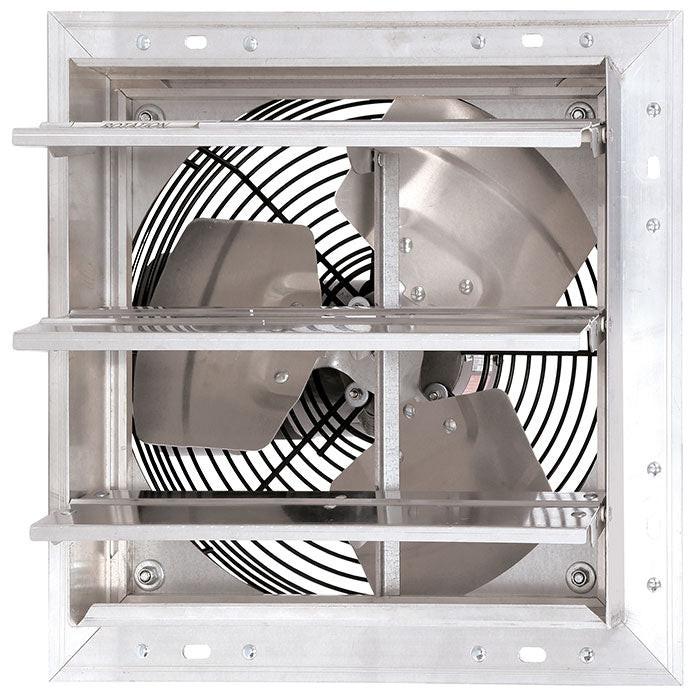
Wall Mount Fans for Grow Rooms & Greenhouses
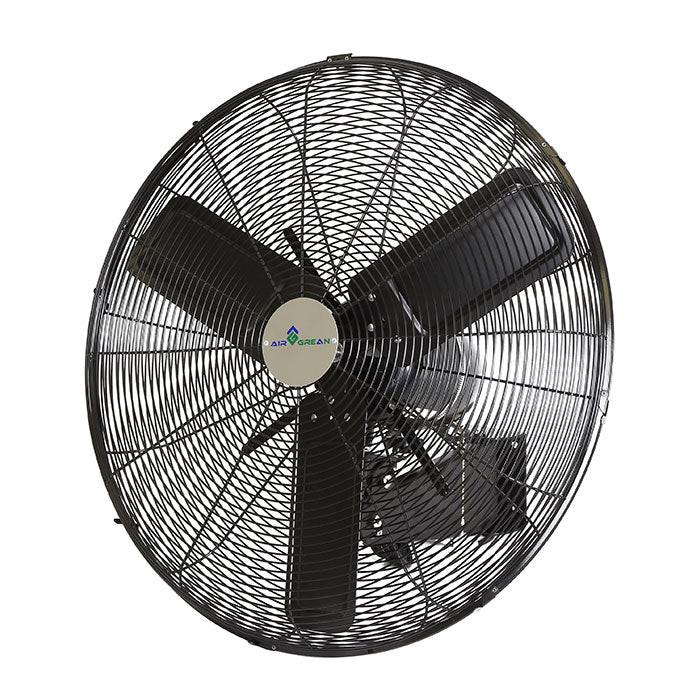
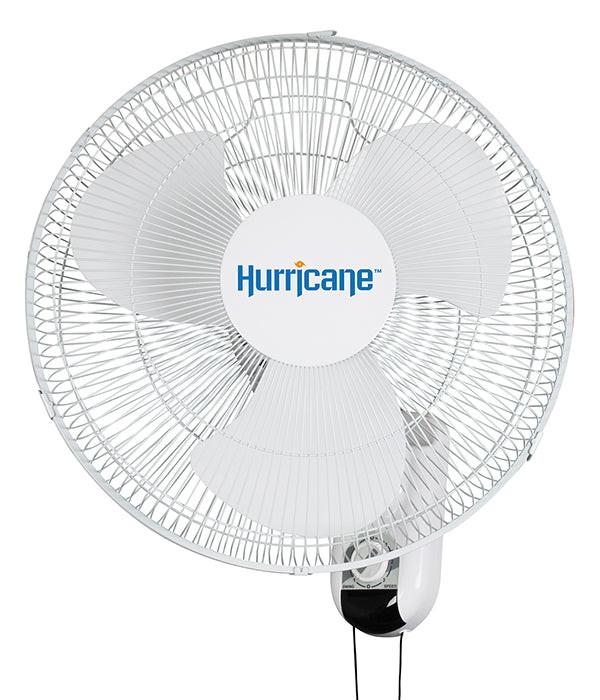
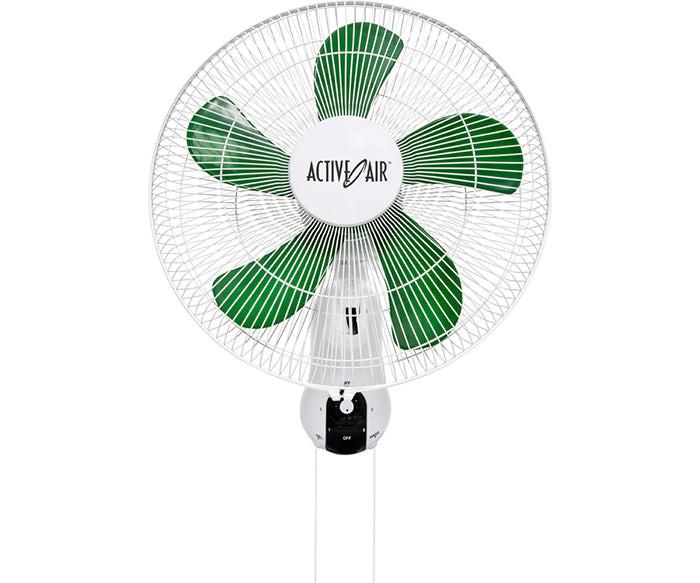
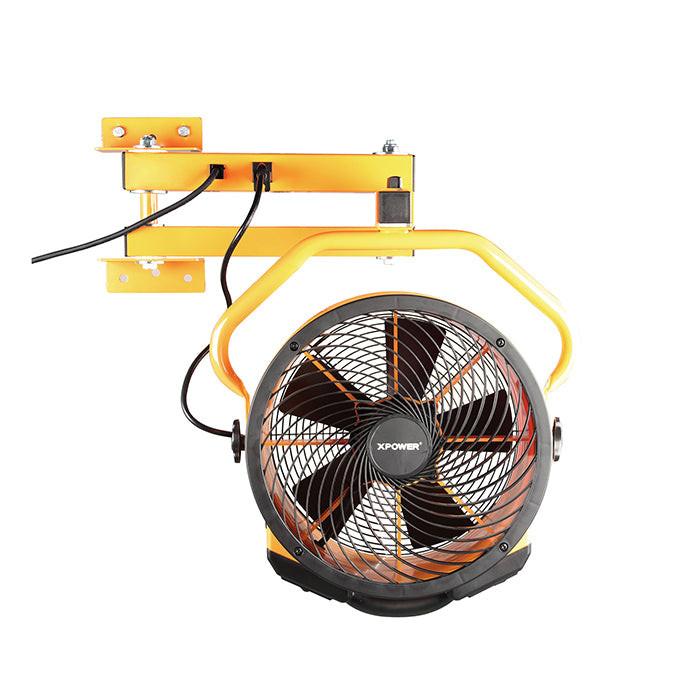
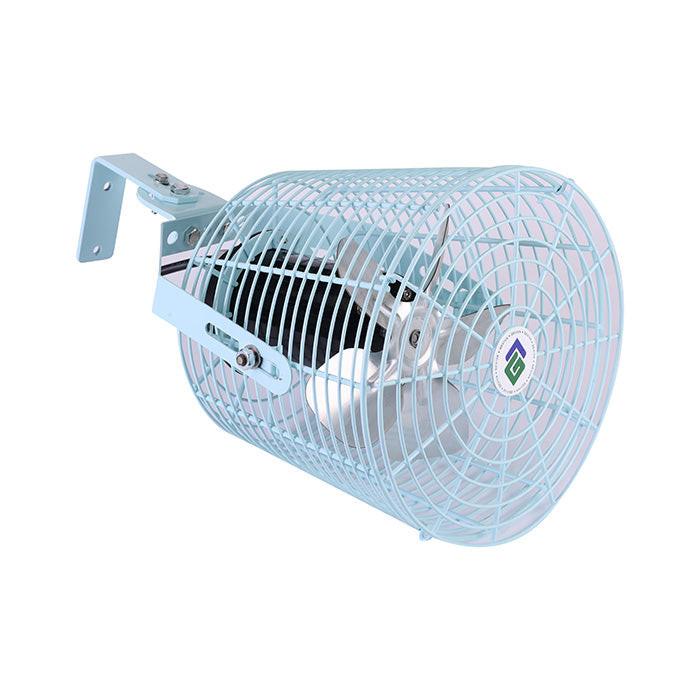
Wall-mount fans provide fixed-position canopy-level circulation in dedicated grow rooms, commercial facilities, and any space where freestanding floor fans are impractical or consume valuable floor space. Mounted at wall height aligned with the canopy, oscillating wall fans sweep airflow back and forth across the growing area continuously -- preventing the stagnant air zones that promote mold, strengthening plant stems through wind training, and supporting CO2 replenishment at leaf surfaces where photosynthesis depletes it fastest. For dedicated grow rooms above 100 sq ft, wall-mount oscillating fans are the primary canopy circulation tool, freeing the floor for containers and equipment.
Oscillating vs. Fixed Wall Fans
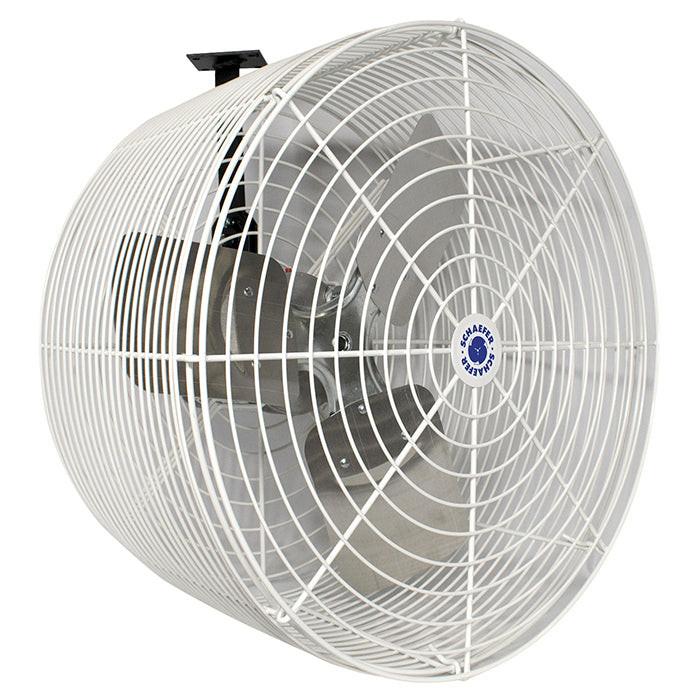
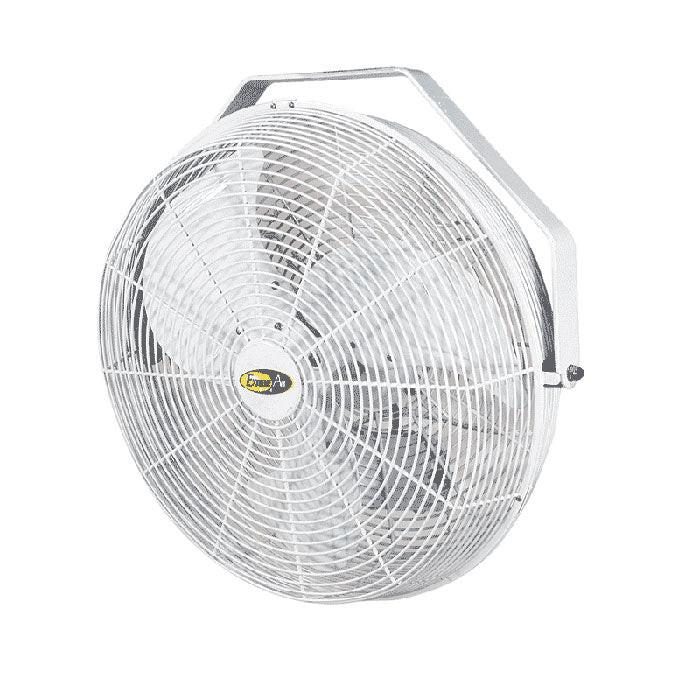
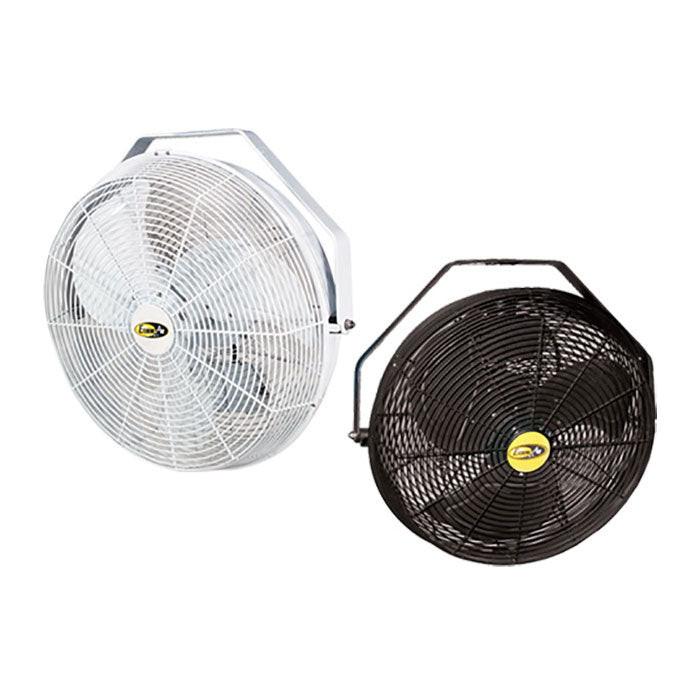
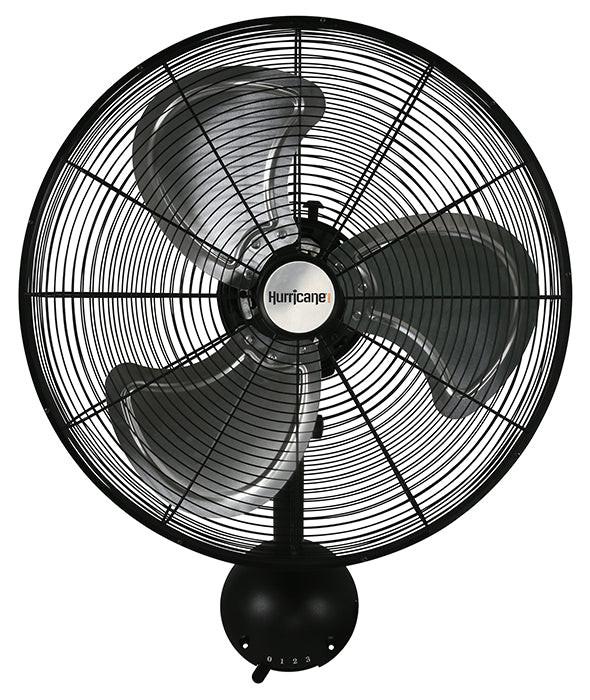
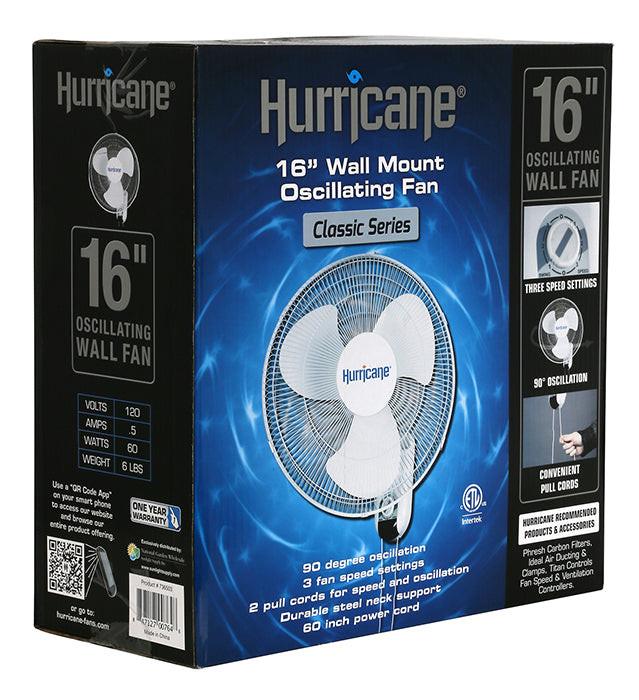
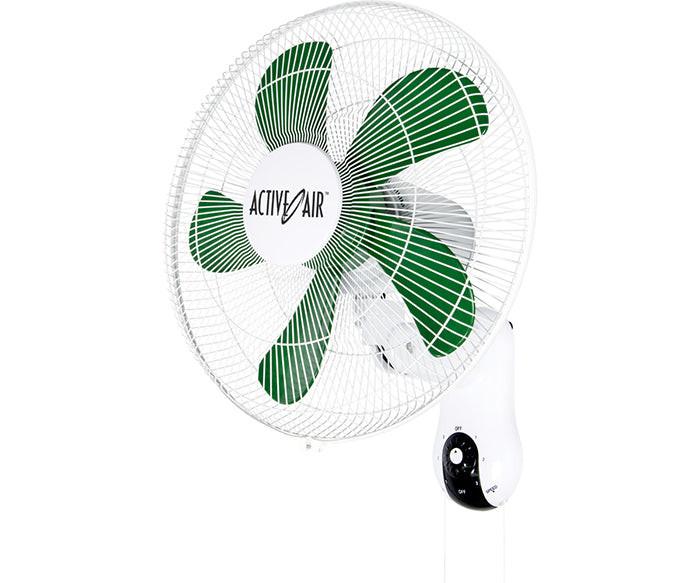
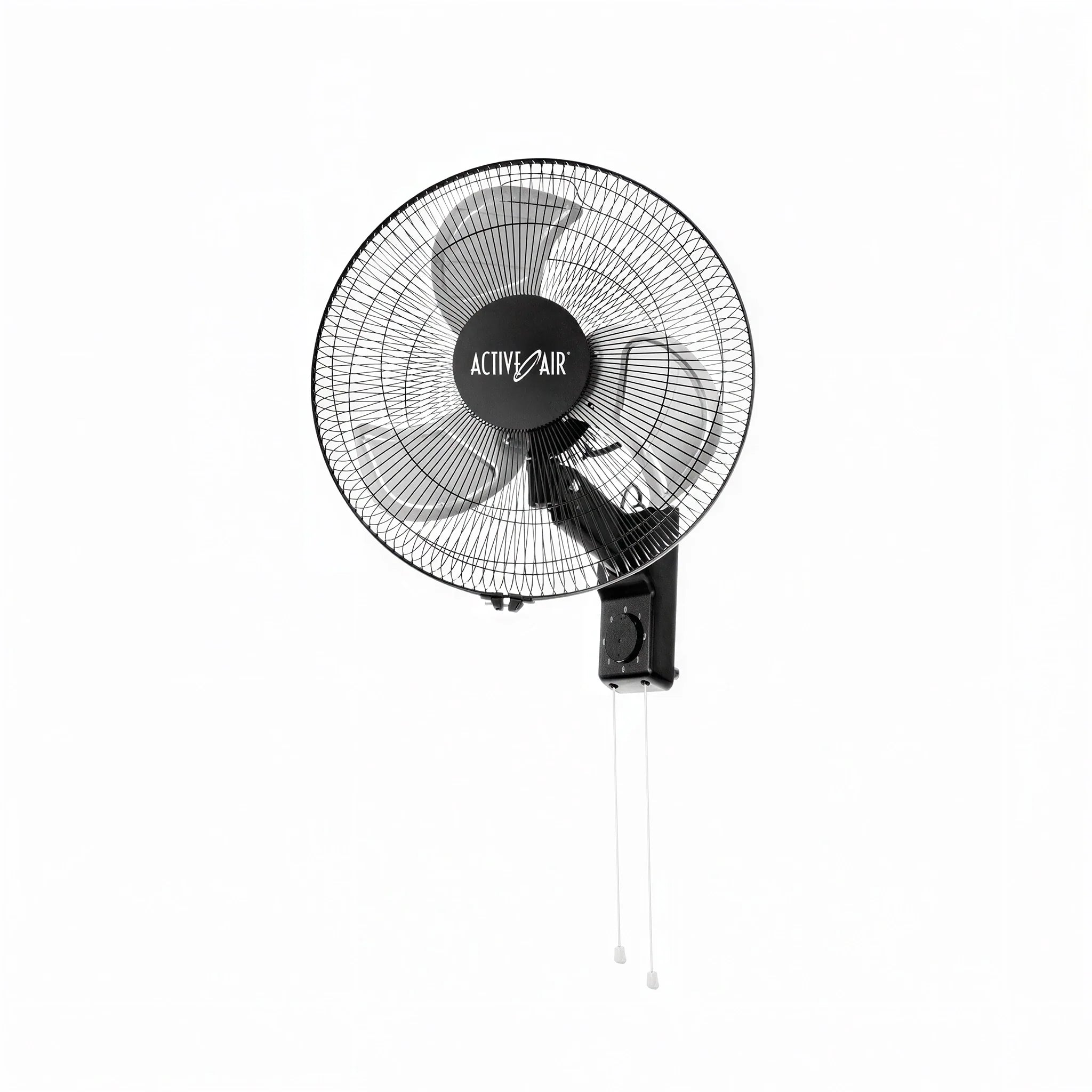
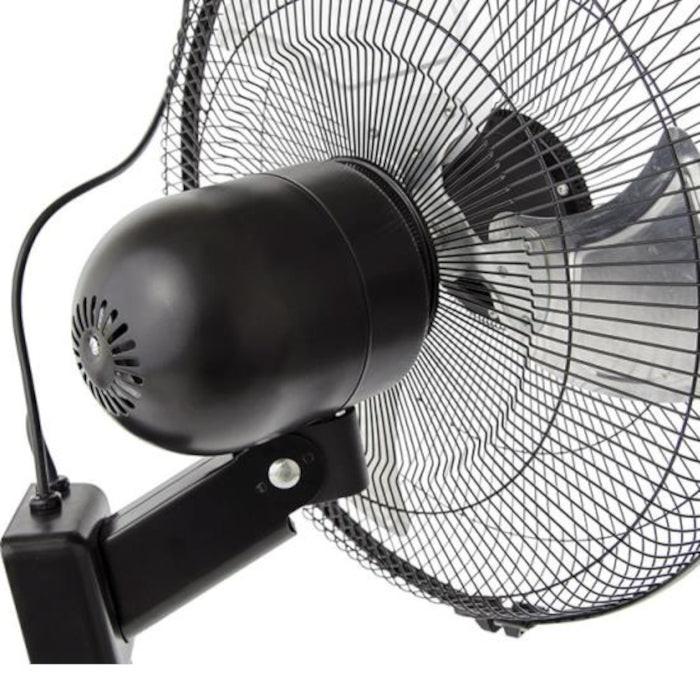
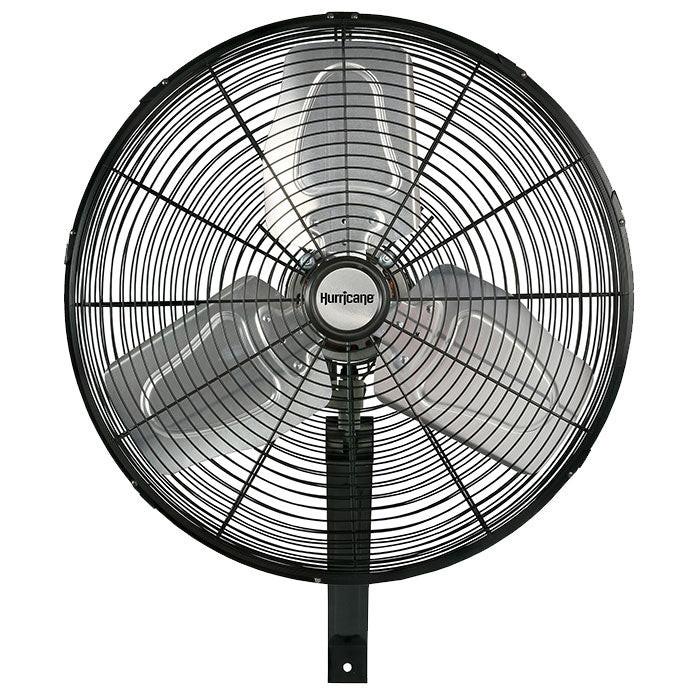
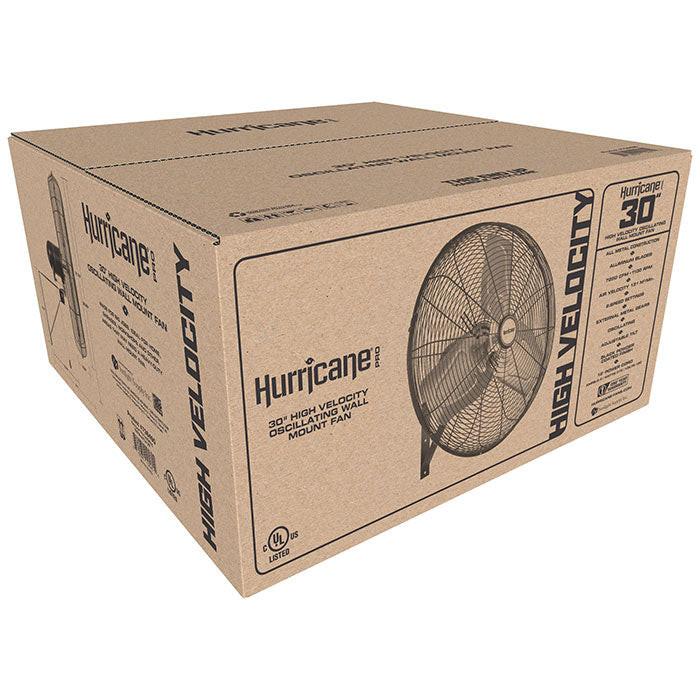
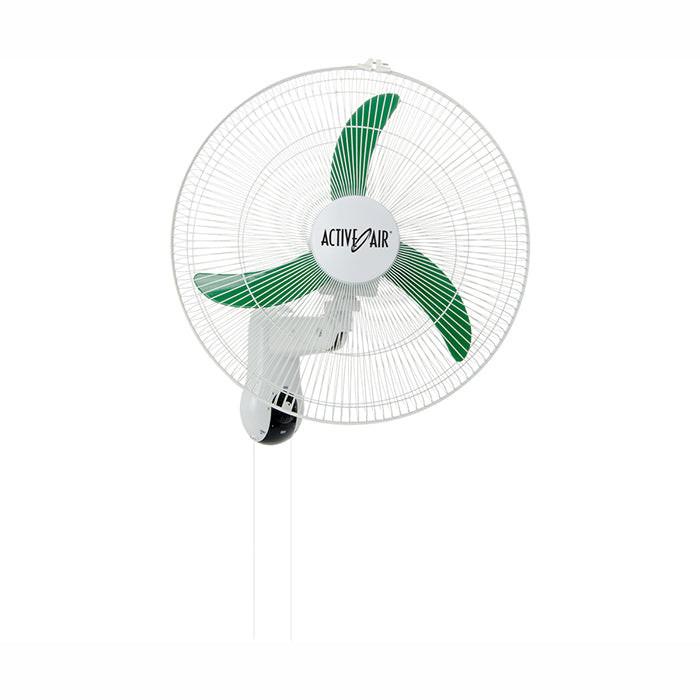
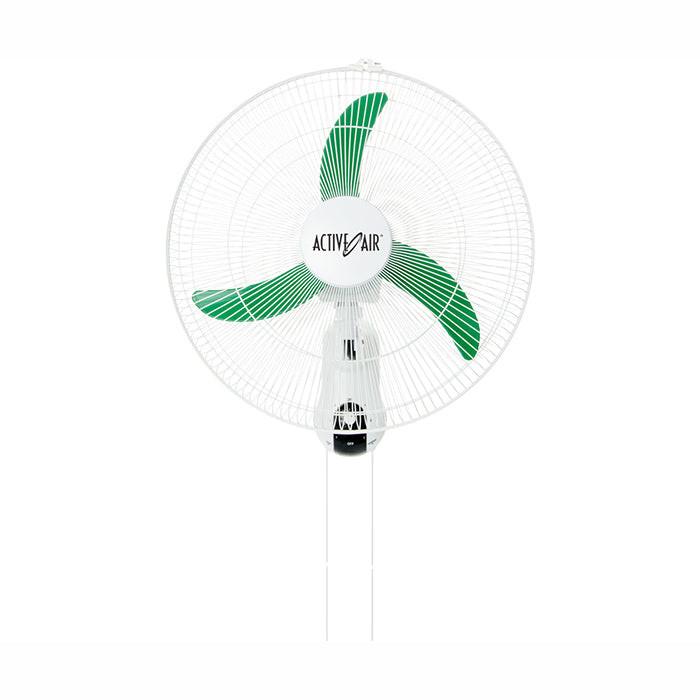
Oscillating wall fans rotate side to side through a set arc (typically 90-180 degrees), distributing airflow across a wider coverage area with each sweep. Fixed directional wall fans provide high-velocity airflow in one direction -- useful for targeted de-stratification (breaking up hot air pockets near the ceiling) and directing airflow along specific aisles or zones, but less effective than oscillating fans for even broad-canopy air distribution. For standard grow room canopy circulation alongside your inline exhaust fan, oscillating wall fans are the default choice -- multiple units positioned on opposing walls create the cross-circulation pattern that prevents stagnant zones. Hurricane, Active Air, and Schaefer produce qualified wall-mount oscillating fans in hobby to commercial configurations.
Sizing Wall Mount Fans for Grow Rooms
Wall-mount fans are rated in CFM for their circulating airflow. For grow room canopy circulation (distinct from exhaust ventilation): plan for enough total circulation fan CFM to create continuous movement across the full canopy. A single 16-inch wall fan at 1,500-2,000 CFM adequately circulates a 10x10 ft room when positioned at canopy height. For larger rooms, position fans on opposing walls so their sweep arcs overlap in the room center -- this cross-circulation pattern is more effective than multiple fans all aimed in the same direction. For commercial rooms above 500 sq ft, add high-velocity blowers alongside oscillating wall fans for temperature equalization across the full room volume. Fast shipping.
Wall Mount Fans FAQ
How high should wall mount fans be positioned in a grow room?
Position wall-mount oscillating fans at canopy height -- at the same elevation as the tops of your plants, typically 3-5 ft above the floor depending on container height and plant size. This positions the fan's airflow to sweep across the active growing surface where CO2 depletion, moisture accumulation, and stagnant air zones are most likely to develop. Fans mounted too high (near the ceiling) circulate air above the canopy without addressing conditions at plant level. Fans mounted too low create direct turbulence at stem base level rather than even canopy-wide airflow.
How many wall mount fans do I need for a grow room?
For rooms up to 10x10 ft: two fans on opposing walls, positioned so their oscillation arcs overlap in the room center. This cross-circulation pattern covers the full room without dead zones. For rooms 10x20 ft and above: four fans (two per side) at 10-foot intervals, or supplement with high-velocity directional blowers for longer throws. In rooms with more than 4 feet of vertical ceiling space above the canopy, ceiling or high-wall fans help de-stratify the warm air layer that accumulates near the top, reducing the temperature gradient between ceiling and canopy.
What is the difference between a wall mount fan and an oscillating floor fan?
Functionally identical in air movement -- both oscillate to distribute airflow across a canopy area. Wall-mount fans free up floor space (valuable in grow rooms where every square foot of floor is container space) and maintain a fixed, consistent position relative to the canopy regardless of how the room layout changes. Floor fans are more portable and repositionable but occupy floor space and can be knocked over. For dedicated permanent grow rooms, wall-mount fans are the more practical permanent installation. For flexible or temporary spaces, oscillating floor fans offer more flexibility.
Can I control wall mount fans with an environment controller?
Many wall-mount fans are compatible with standard relay-outlet controllers (Titan Controls, Autopilot, TrolMaster Hydro-X relay outputs) that turn the fan on/off based on temperature or humidity triggers. For grow rooms where daytime and dark period circulation needs differ, a controller that reduces fan speed or cycles fans off during the dark period conserves electricity and reduces noise. Some fan models include integrated variable speed control; others require a compatible speed controller between the controller outlet and the fan. Check the specific fan model's electrical specifications before connecting to an external controller.
What size wall mount fan do I need?
Fan size (blade diameter) correlates to airflow coverage distance and CFM output. For a 10x10 ft room: a 16-inch wall fan (1,500-2,000 CFM) on each of two opposing walls provides adequate cross-circulation. For a 10x20 ft room: 18-inch or 24-inch fans with 2,500-3,500+ CFM output. For commercial greenhouse aisles where air needs to travel 50-100+ feet: J&D Manufacturing or Schaefer high-velocity commercial fans are more appropriate than standard wall fans. For hobby tents, clip-on fans are more practical than wall-mount units given the tent's limited mounting options.