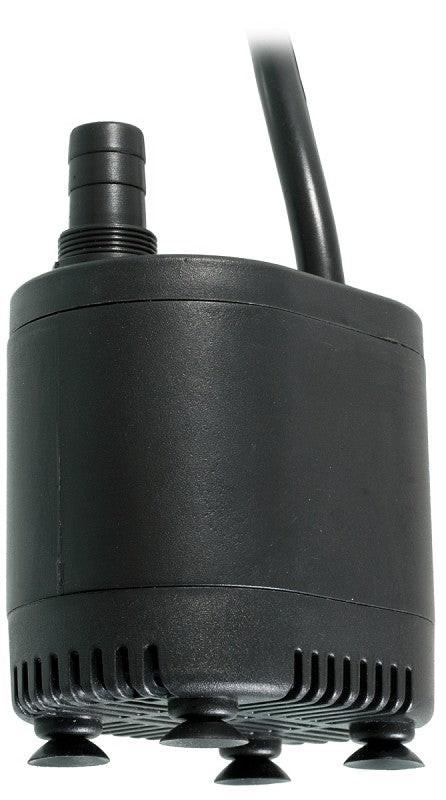
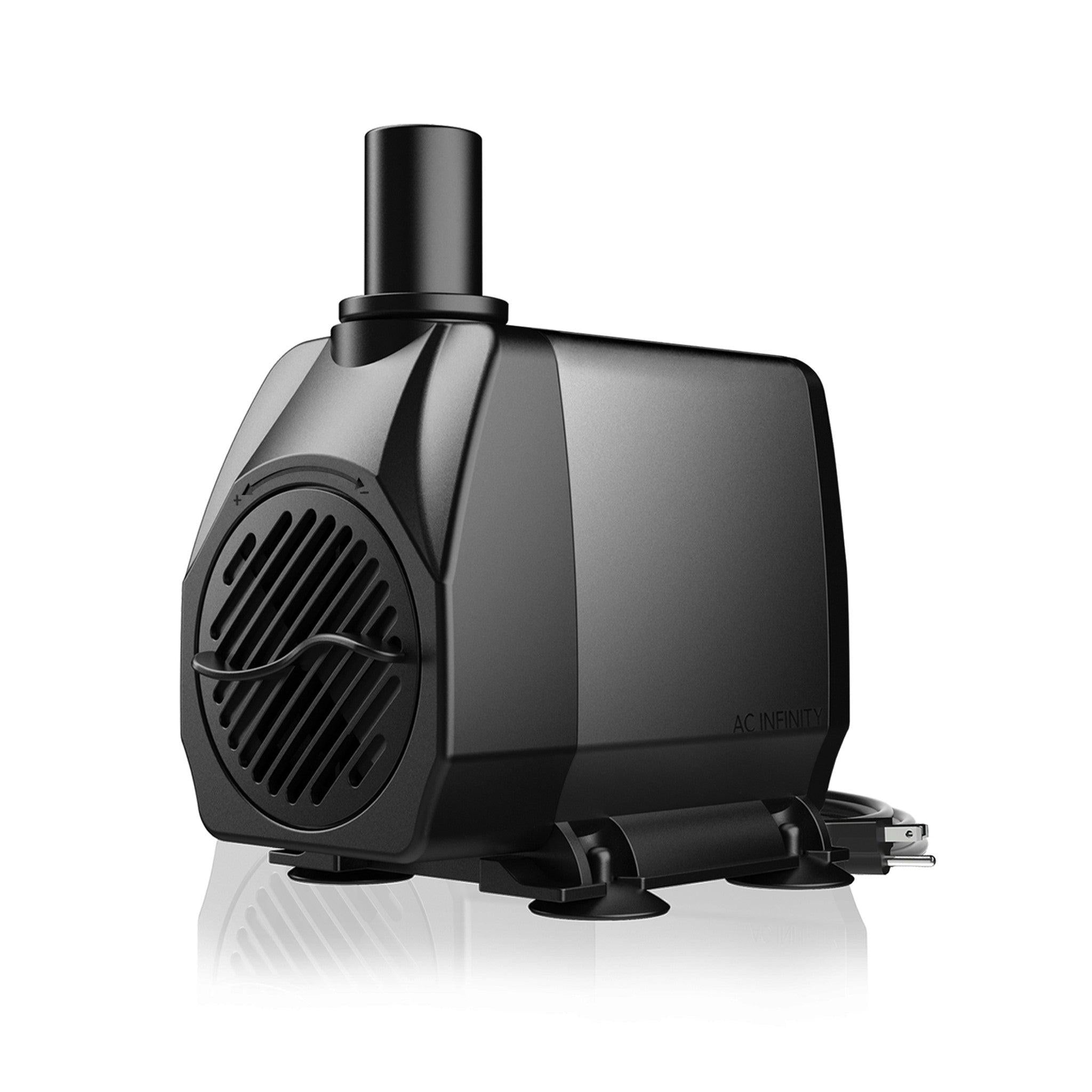
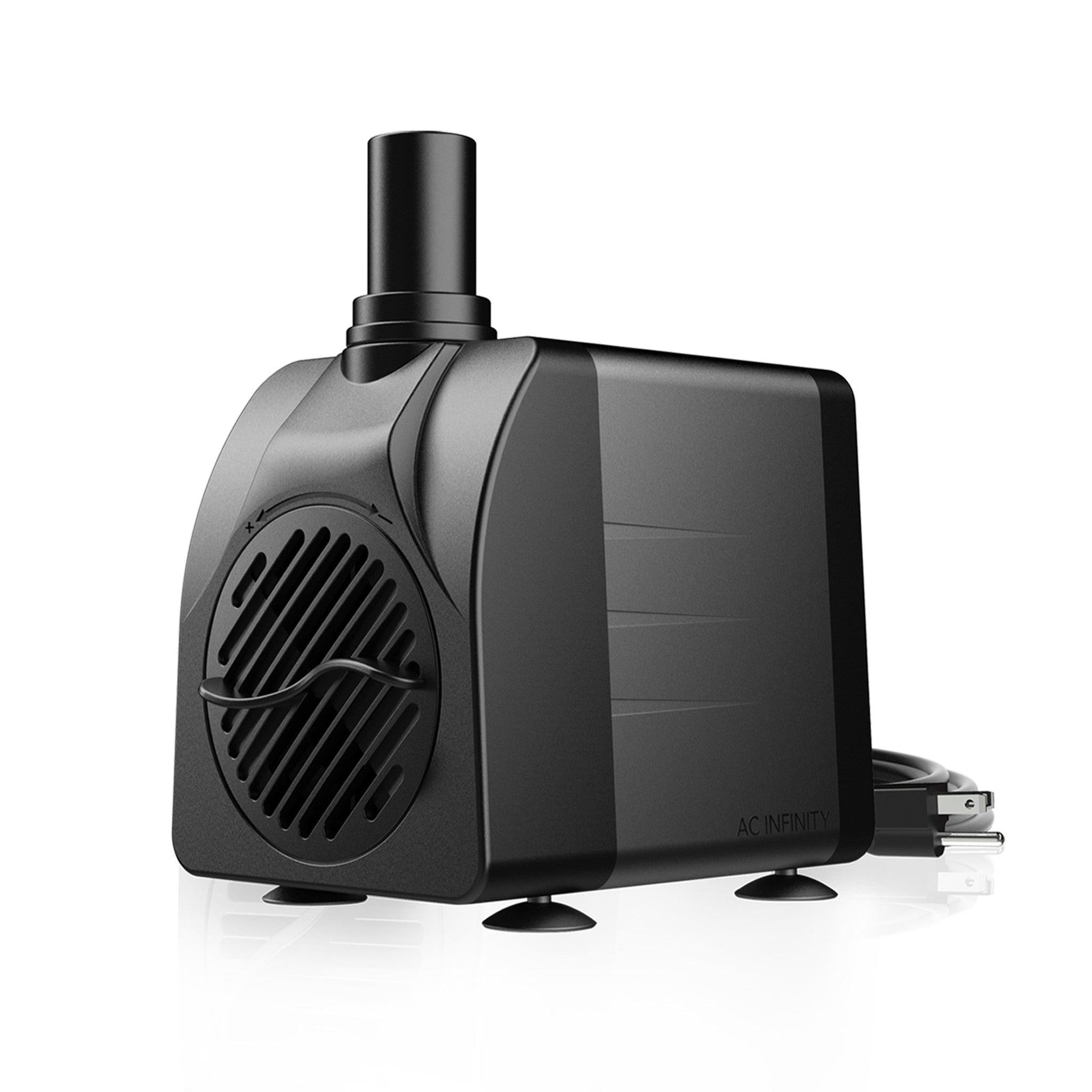
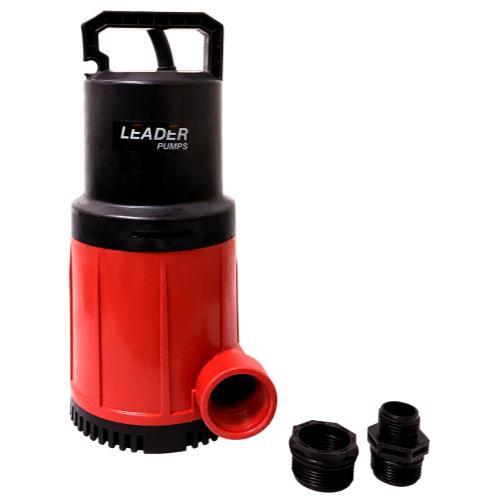
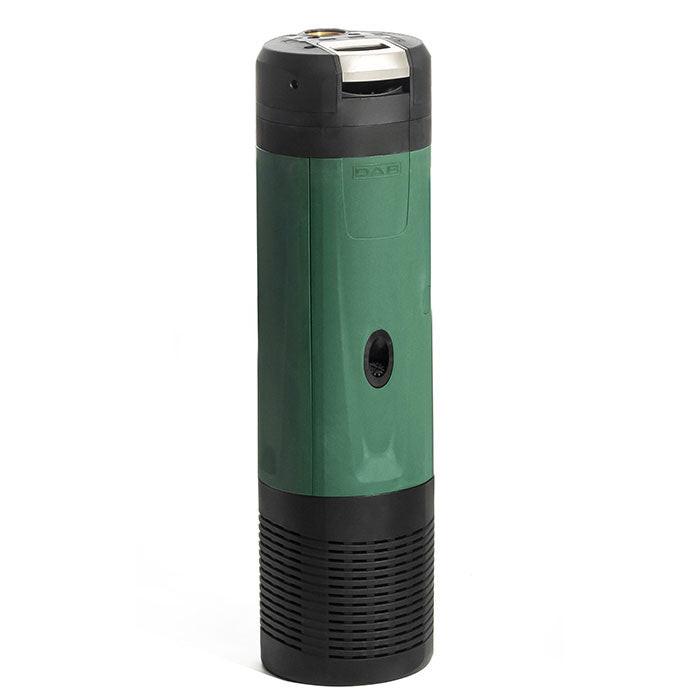
Submersible Water Pumps for Hydroponics & Aquatics
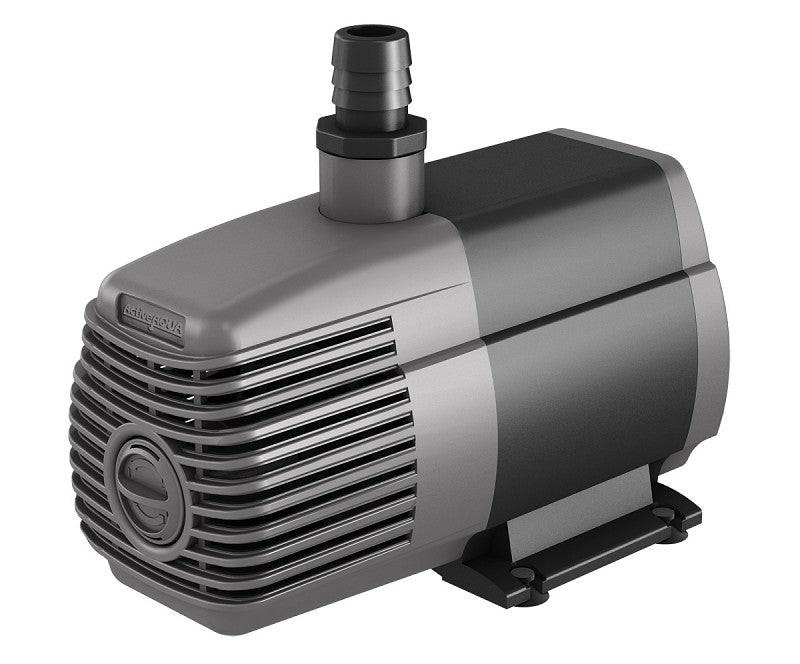
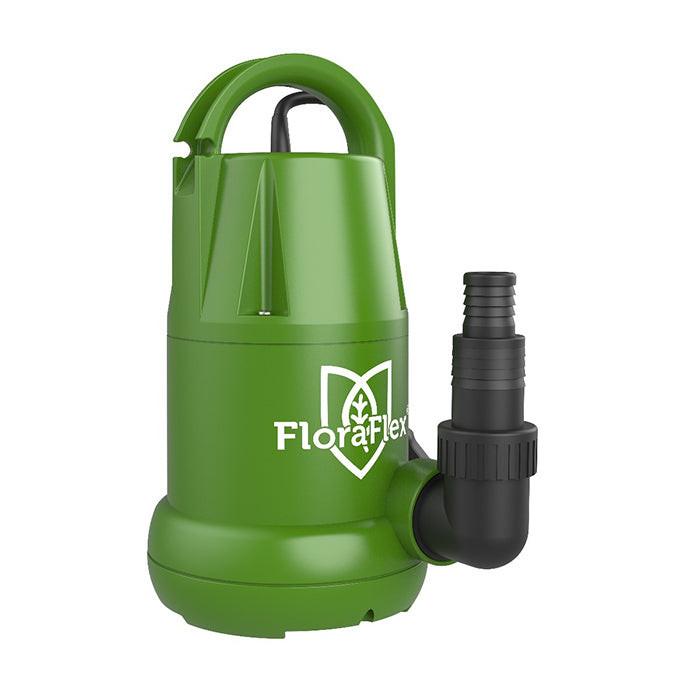
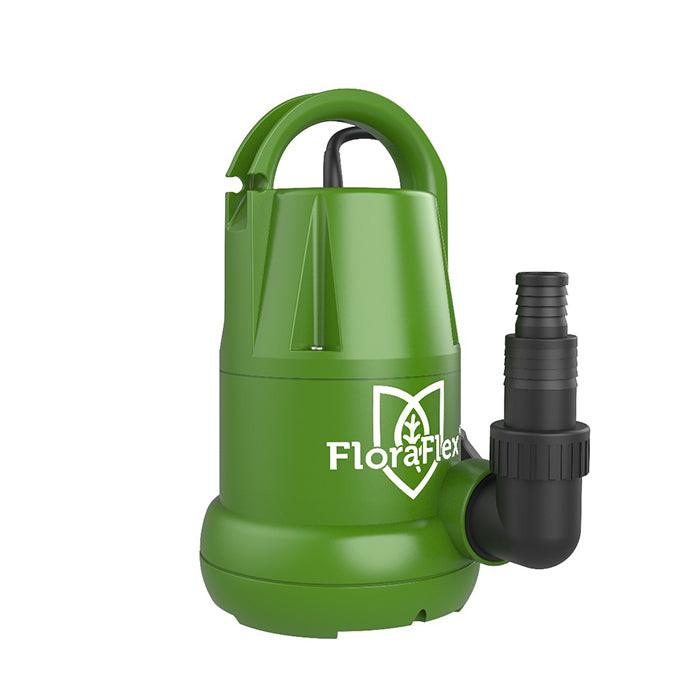
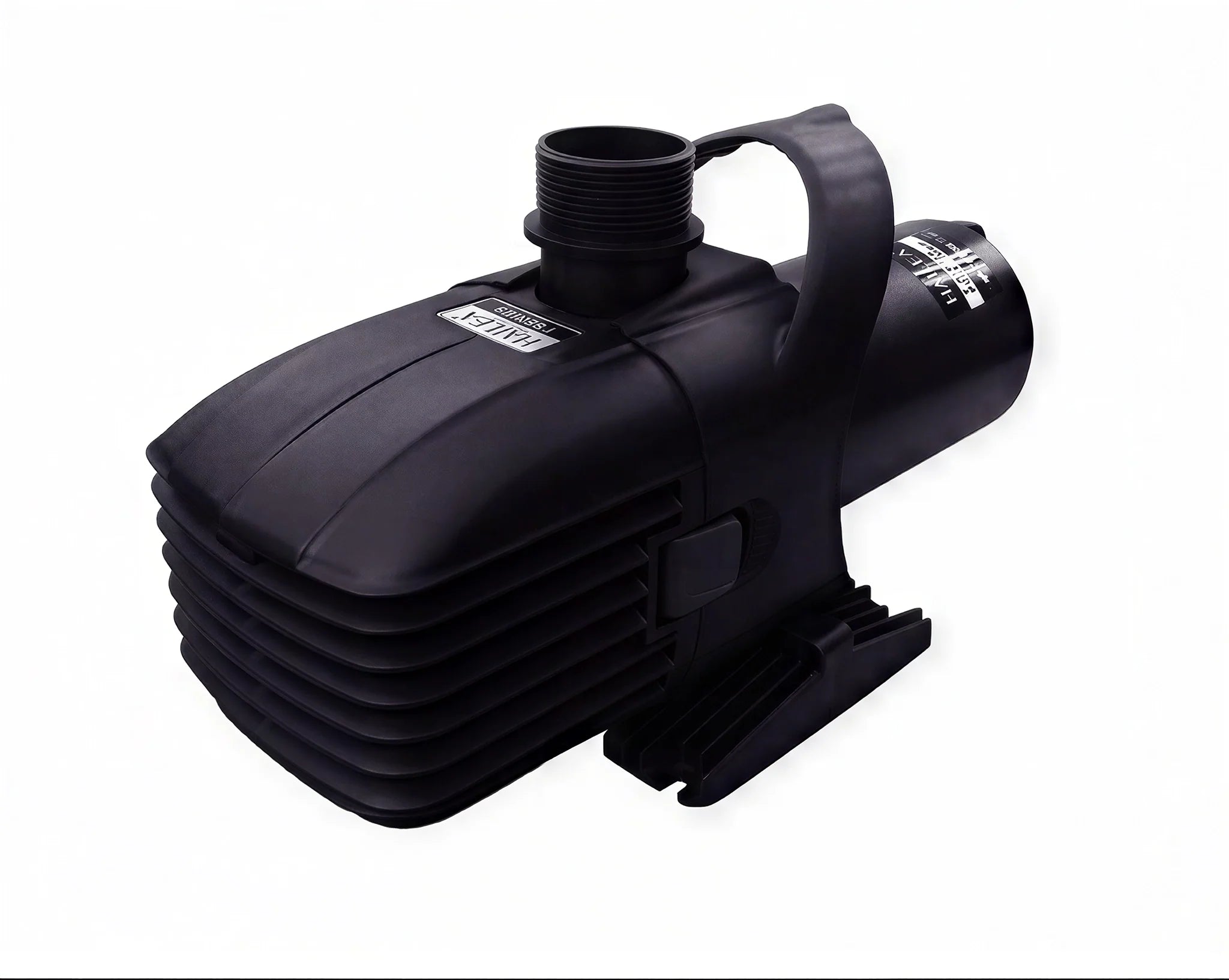
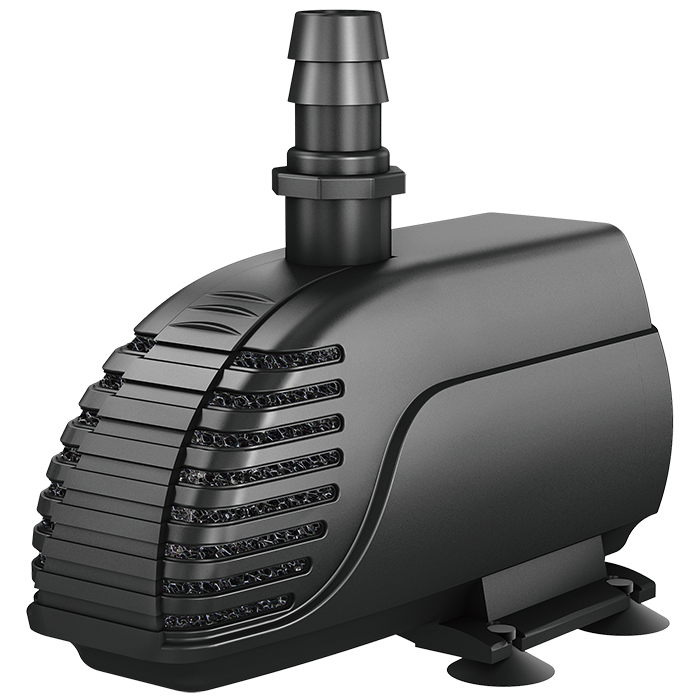
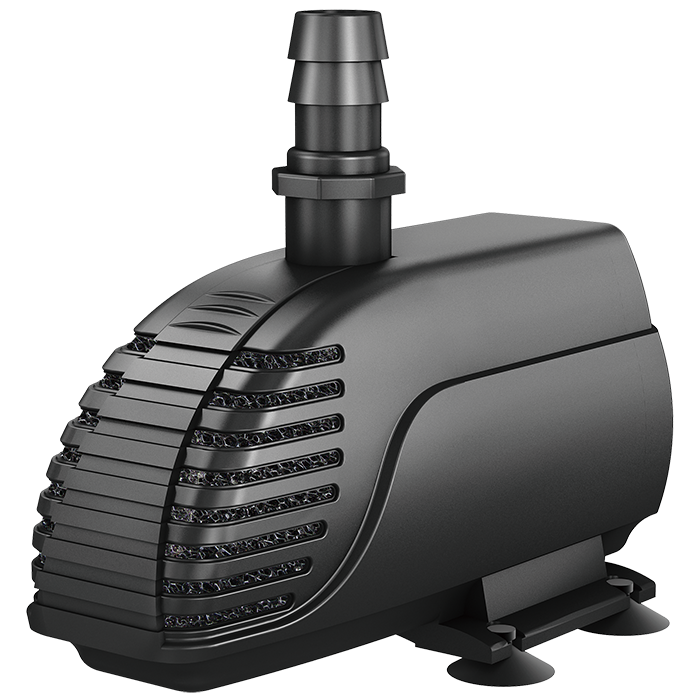
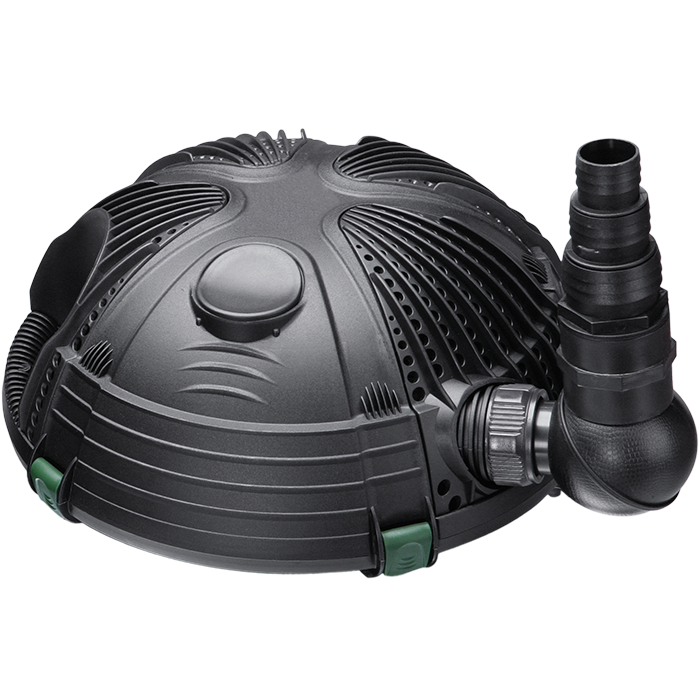
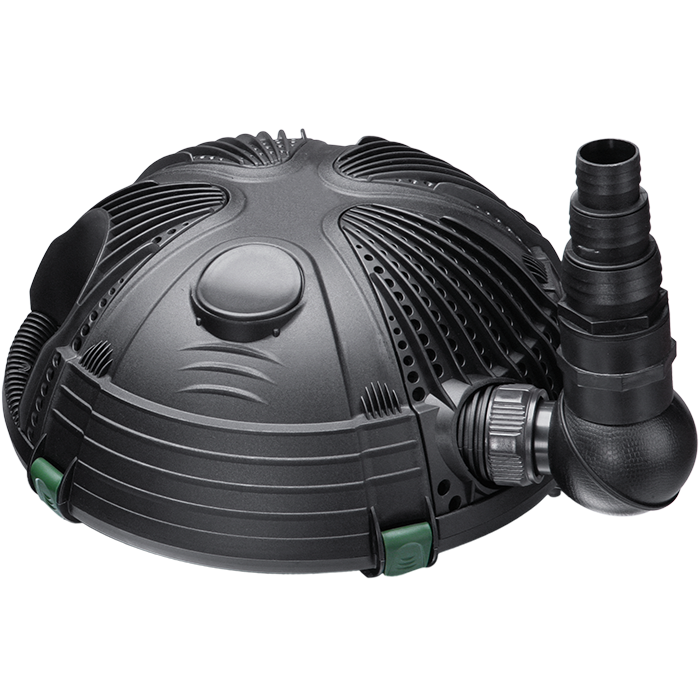
Submersible water pumps are the workhorses of hydroponic growing -- operating fully submerged in nutrient solution reservoirs to circulate, transfer, or deliver water and nutrients throughout the growing system. Every hydroponic system that moves water requires at least one submersible pump: ebb and flow systems flood the grow tray from a submersible pump in the reservoir; DWC systems use submersibles to circulate and oxygenate; drip systems draw solution through a pump to pressurize the distribution mainline; RDWC systems use submersibles for the sub-current recirculation loop. EcoPlus and Active Aqua are the most widely used submersible pump brands for hobby and small commercial applications.
Submersible Pump Sizing
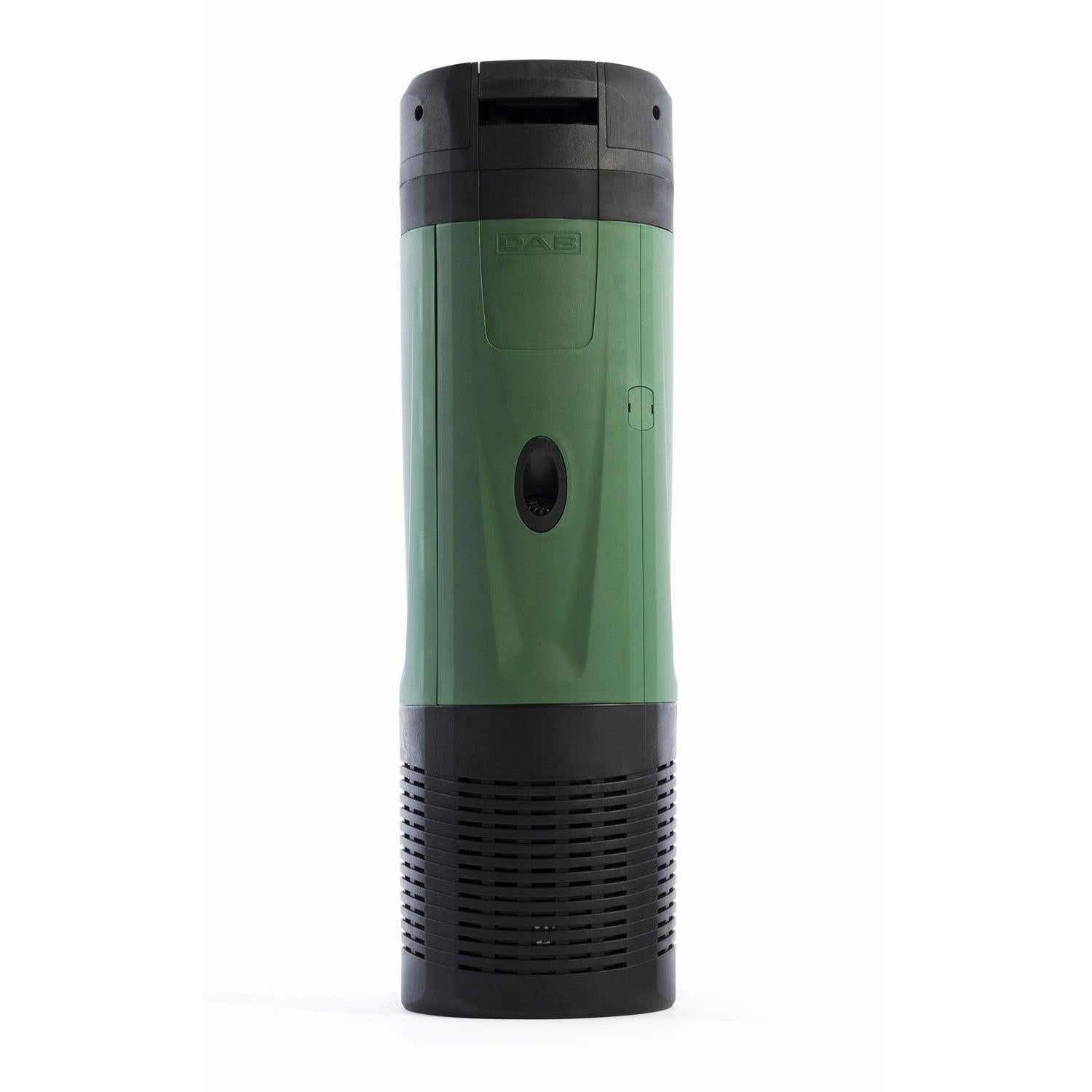
Submersible pumps are rated in gallons per hour (GPH) at zero head -- meaning no vertical lift from pump to discharge. Actual GPH delivery decreases as installation head increases. For a pump rated 396 GPH at zero head, expect approximately 264 GPH at 4 feet of head. Always calculate required GPH at actual installation head rather than using the zero-head rating. For ebb and flow systems: select a pump that can fill your grow tray to the target flood depth within 5-10 minutes at installation head. For drip systems: total emitter GPH plus 20-30% buffer. Use our Pump & Flow Rate Calculator for precise sizing. For commercial-duty continuous RDWC recirculation, consider DAB commercial pumps over standard submersibles for extended service life under sustained load.
EcoPlus & Active Aqua Submersible Pumps
EcoPlus and Active Aqua (Hydrofarm) produce the most widely used submersible pump lines in hobby hydroponics -- available from 80 GPH compact reservoir pumps through 1,000+ GPH commercial units, with ceramic impeller shafts rated for continuous submersible operation in nutrient solution environments. Both offer reliable performance at accessible price points for the full range of hobby and small commercial hydroponic applications. Fast shipping.
Submersible Water Pumps FAQ
How do I choose the right GPH submersible pump?
Match GPH to your system's requirement at actual installation head. For ebb and flow: calculate tray volume at target flood depth (tray area x flood depth in cubic feet x 7.48 gallons/cu ft) and select a pump that delivers that volume within 5-10 minutes at installation head. For drip systems: sum total emitter GPH plus 25% buffer at installation head. For DWC air circulation: 50-100 GPH per plant site is a common guideline. Always use the pump's performance curve at your specific installation head rather than the zero-head rating -- performance drops significantly with vertical lift.
Should I run my submersible pump continuously?
It depends on the system. DWC and RDWC circulation pumps should run continuously -- plants require constant dissolved oxygen delivery at the root zone. Ebb and flow pumps run on a timed cycle (flood and drain schedule) and are off most of the time. Drip system pumps run on the irrigation schedule -- off between irrigation events. Check the pump's duty cycle rating: most quality submersible pumps are rated for continuous operation, but some smaller pumps are rated for intermittent use only. Running an intermittent-rated pump continuously shortens its lifespan significantly.
Can I use a submersible pump for nutrient delivery in a drip system?
Yes -- submersible pumps are the standard pump type for hobby and small commercial drip irrigation systems. Position the pump in the nutrient reservoir, connect the discharge outlet to the mainline tubing via a fitting and check valve, and control the pump with a timer or fertigation controller for scheduled irrigation events. The check valve prevents backflow from the mainline into the reservoir when the pump is off -- important for preventing drip emitter drainage between irrigation events. For systems with more than 10-20 plant sites, confirm the pump delivers adequate GPH at your system's total installation head to supply all emitters simultaneously at their rated flow.
How do I prevent my submersible pump from clogging?
Install a pre-filter (foam or mesh screen) over the pump intake to prevent plant root fragments, algae, and large particulate from entering the pump impeller. Change the reservoir on schedule (every 7-14 days) to prevent organic buildup that clogs impellers and discharge lines. Keep the reservoir covered to prevent algae growth from light exposure -- algae is one of the most common sources of pump clogging in hydroponic systems. Clean the pump intake screen at each reservoir change. If the pump loses flow rate and cleaning the intake screen doesn't restore it, remove and clean the impeller chamber -- mineral scale from hard water can accumulate on the impeller and reduce pump output over time.
What is the difference between a submersible pump and an inline pump?
Submersible pumps operate fully submerged in the reservoir -- simpler installation, no priming required, and the pump housing is cooled by the surrounding liquid. Inline (external/surface-mount) pumps install outside the reservoir and draw solution through an inlet line. Inline pumps add no heat to the reservoir (important for dissolved oxygen management in warm environments), are easier to service without draining the reservoir, and typically provide higher head pressure capability at equivalent motor wattage. For most hobby and small commercial applications, submersible pumps are the simpler and more cost-effective choice. For large commercial RDWC and high-head applications, inline pumps provide the performance advantages that justify their higher installation complexity.