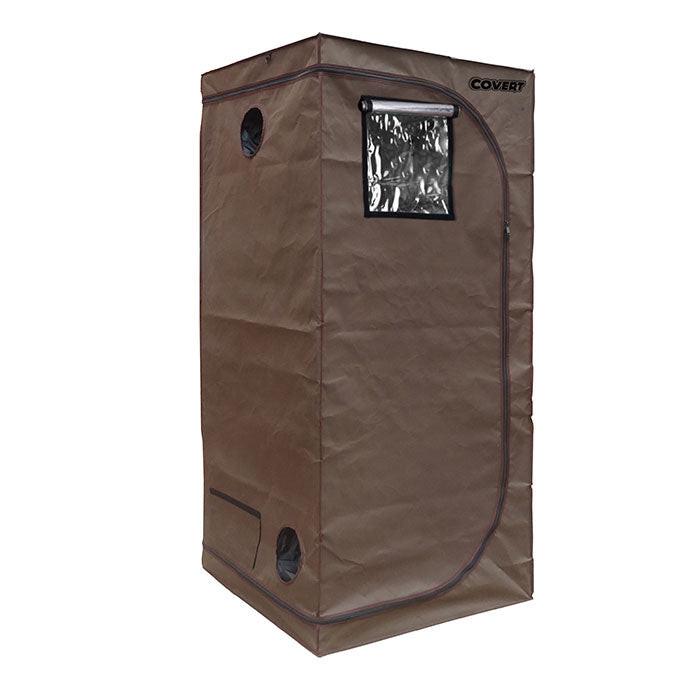
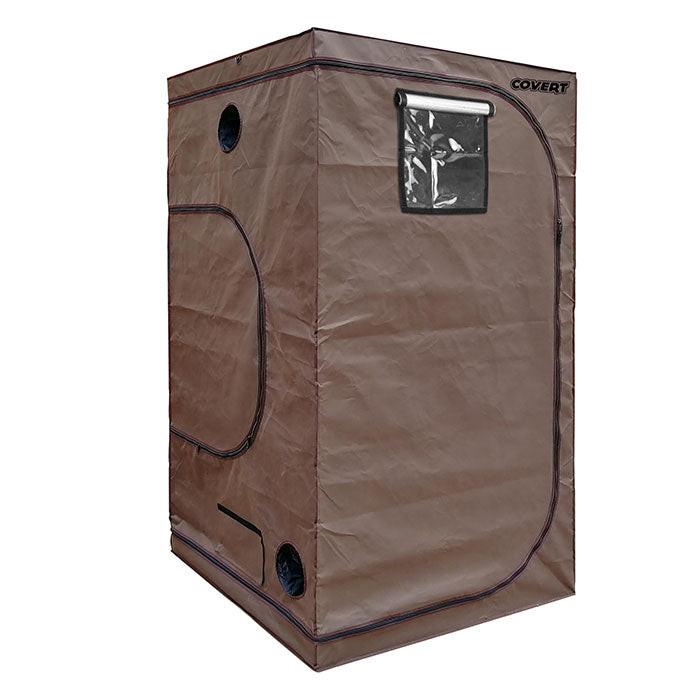
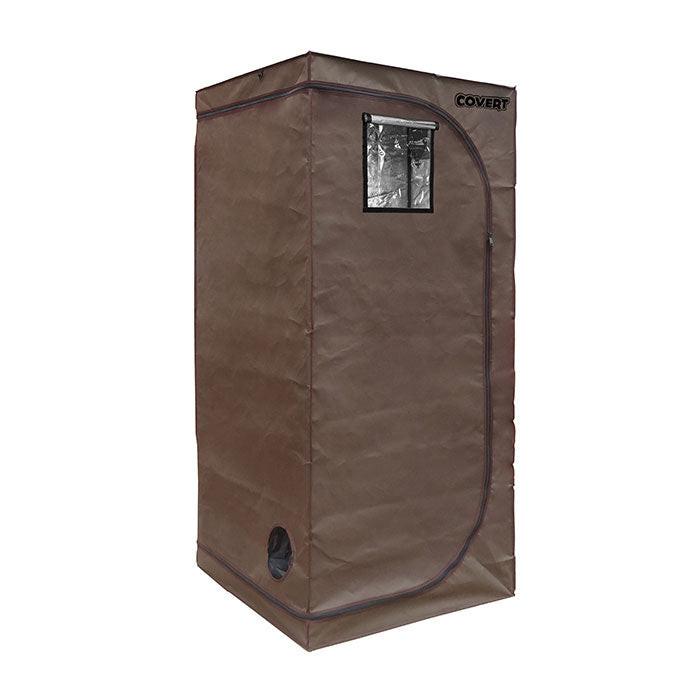
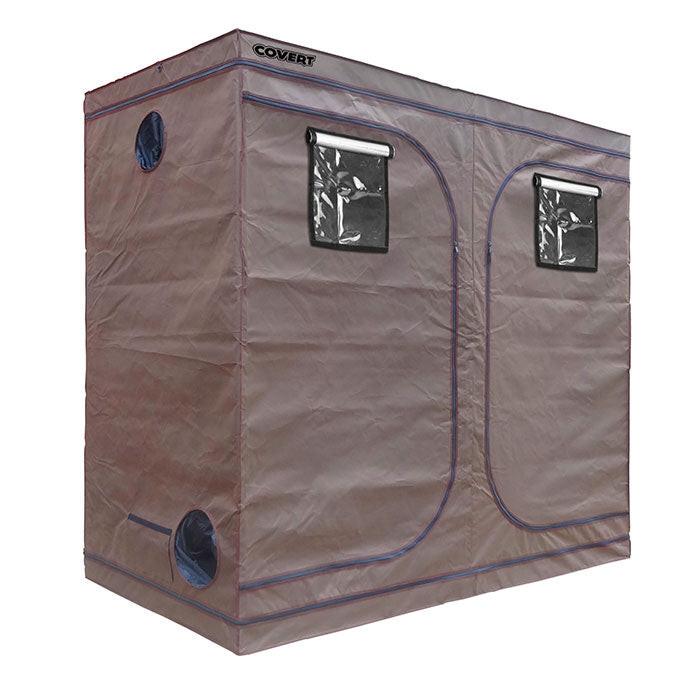
Standard Grow Tents for Indoor Growing
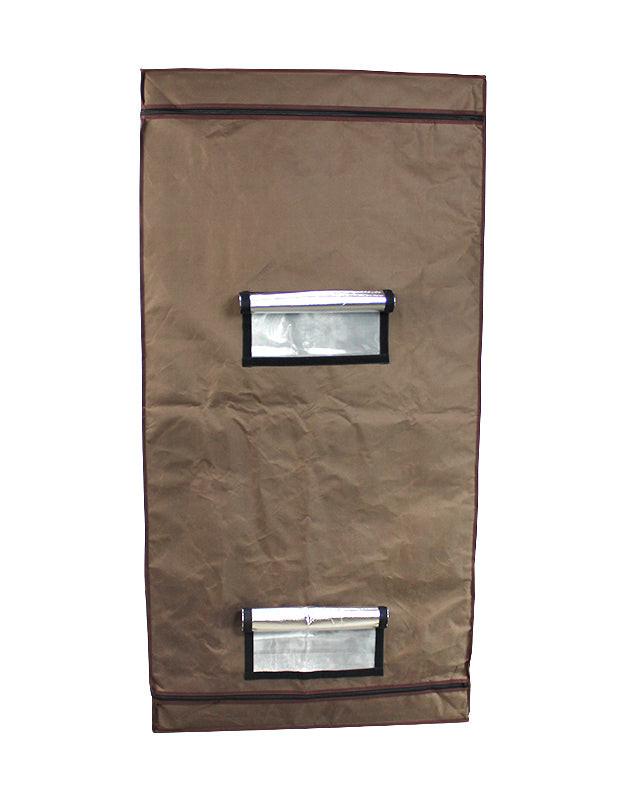
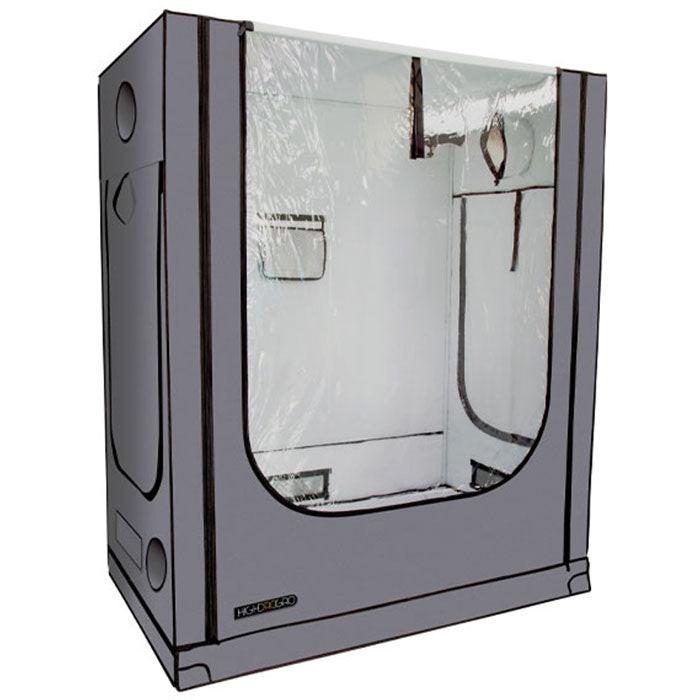
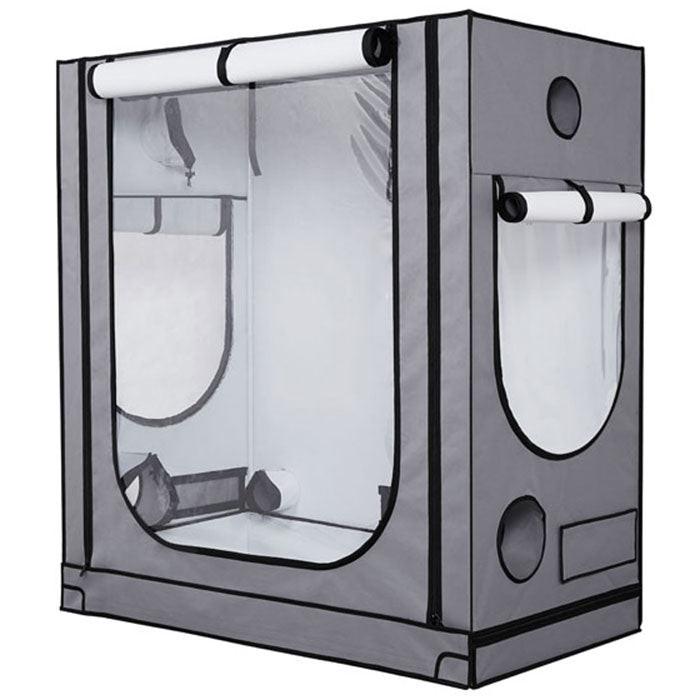
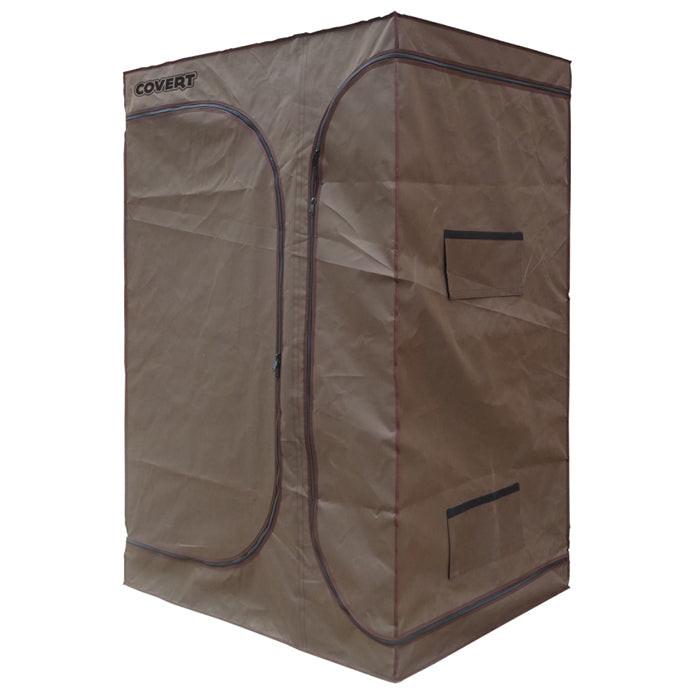
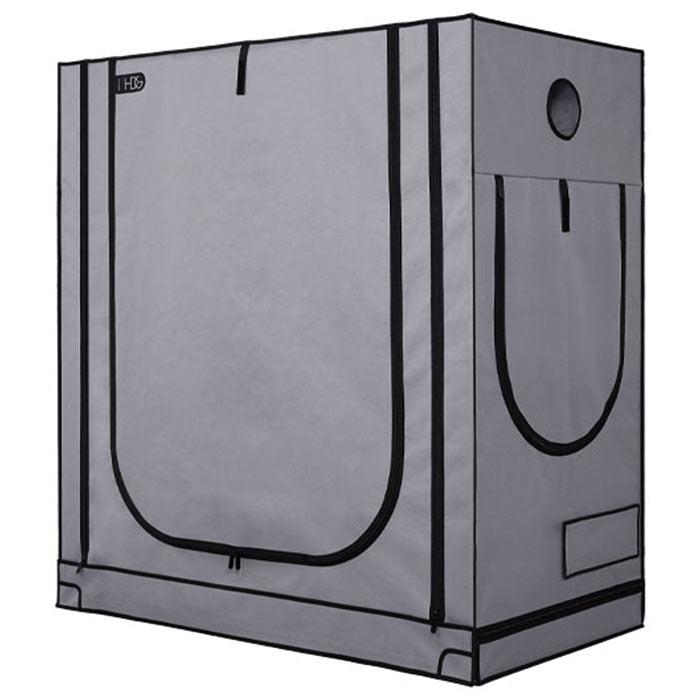
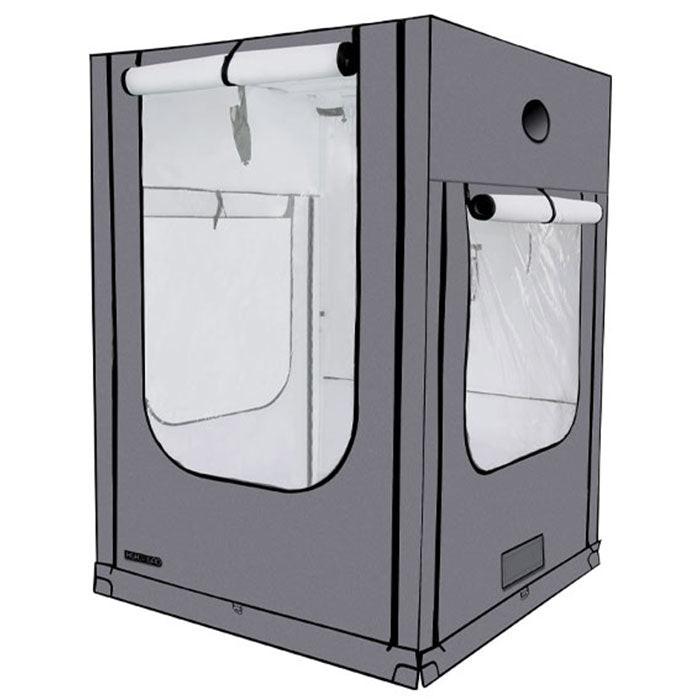
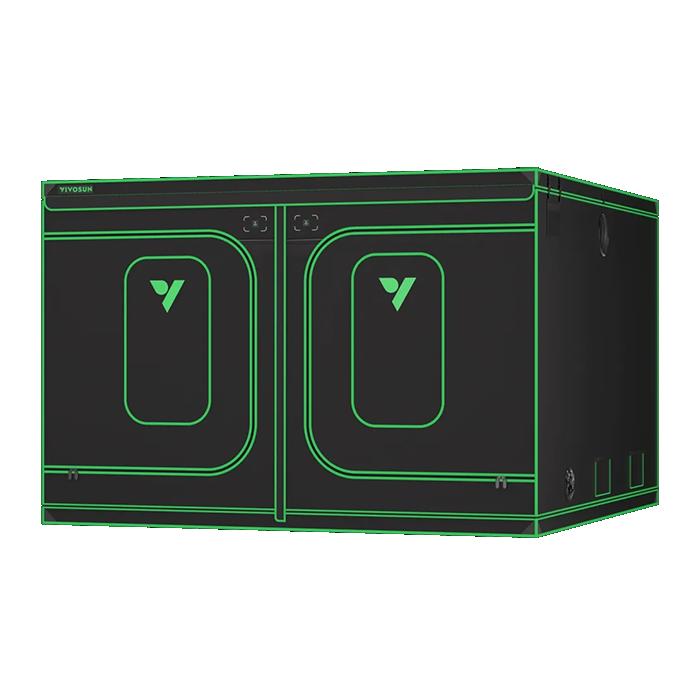
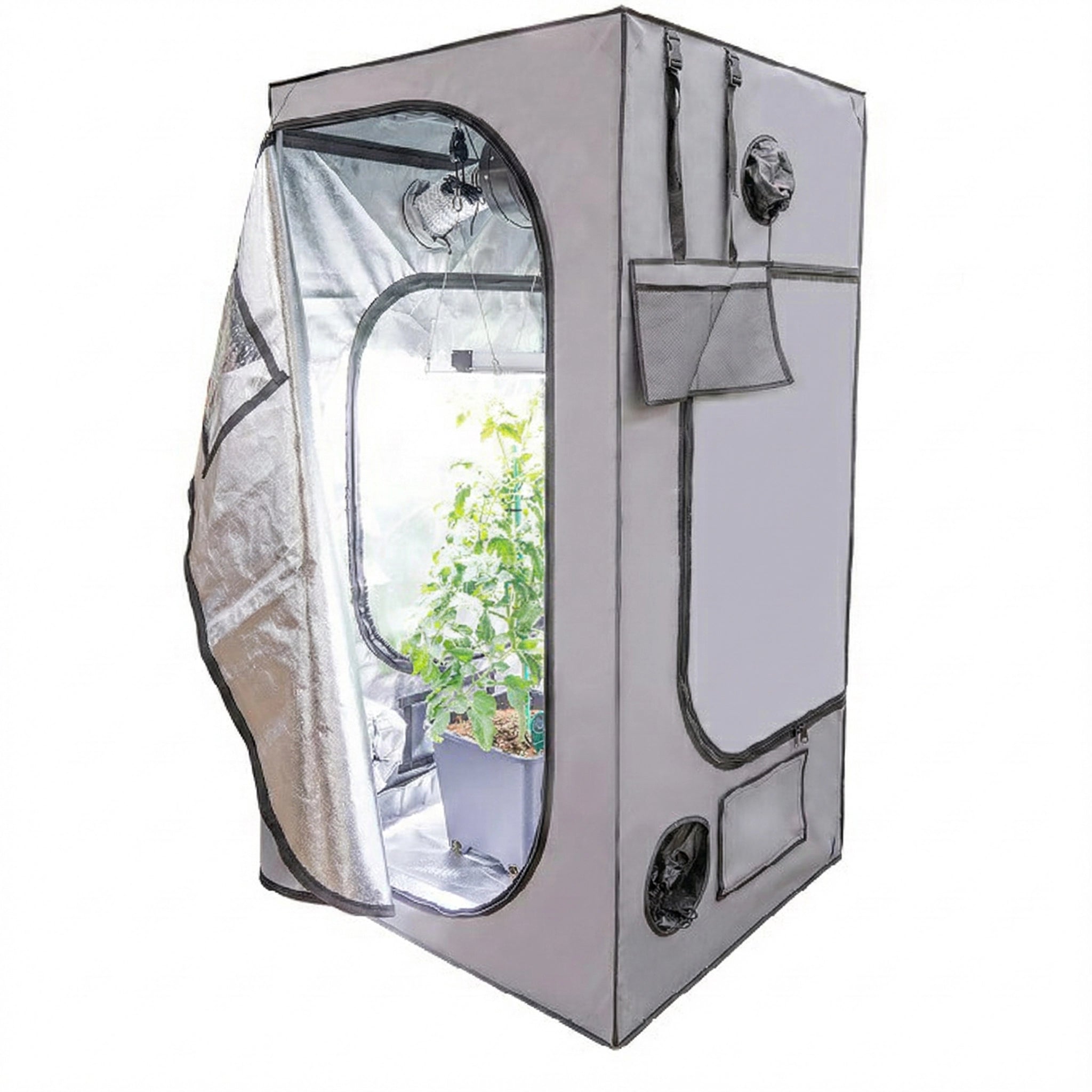
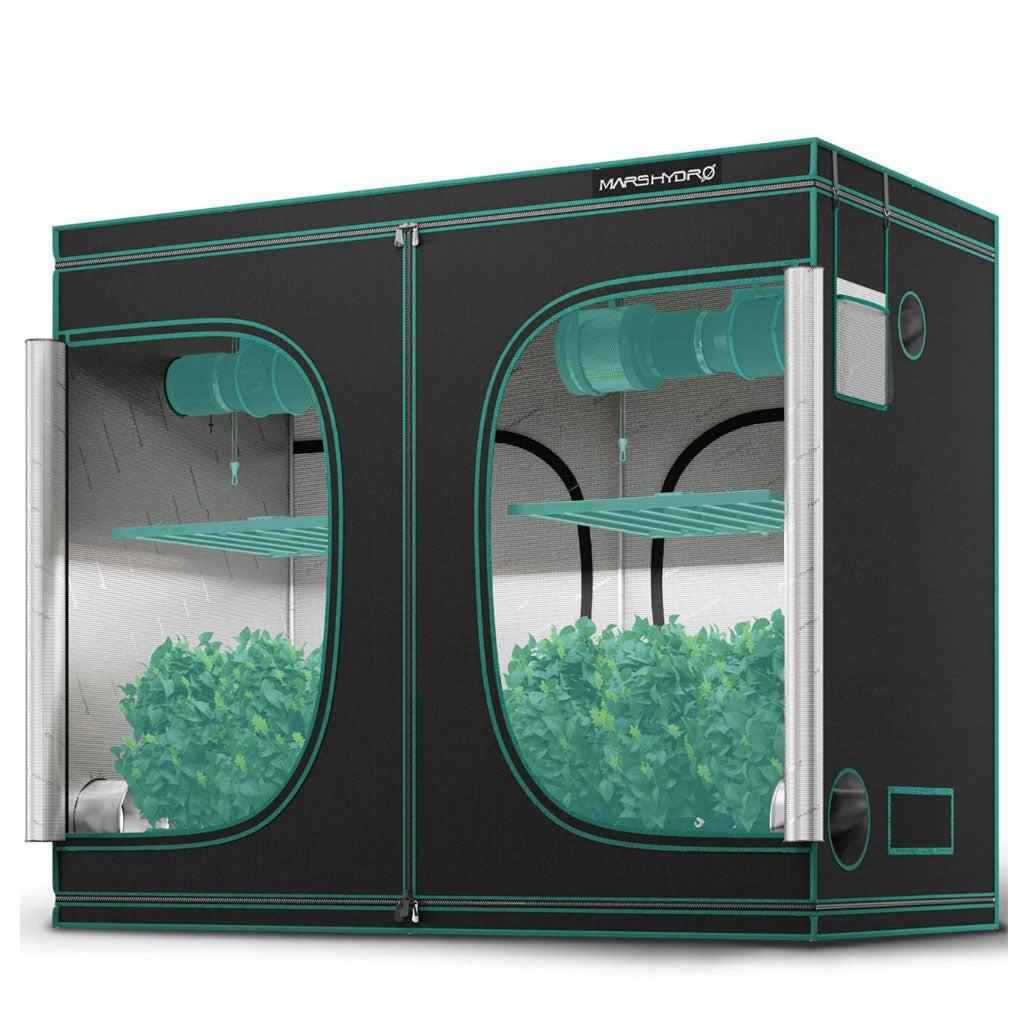
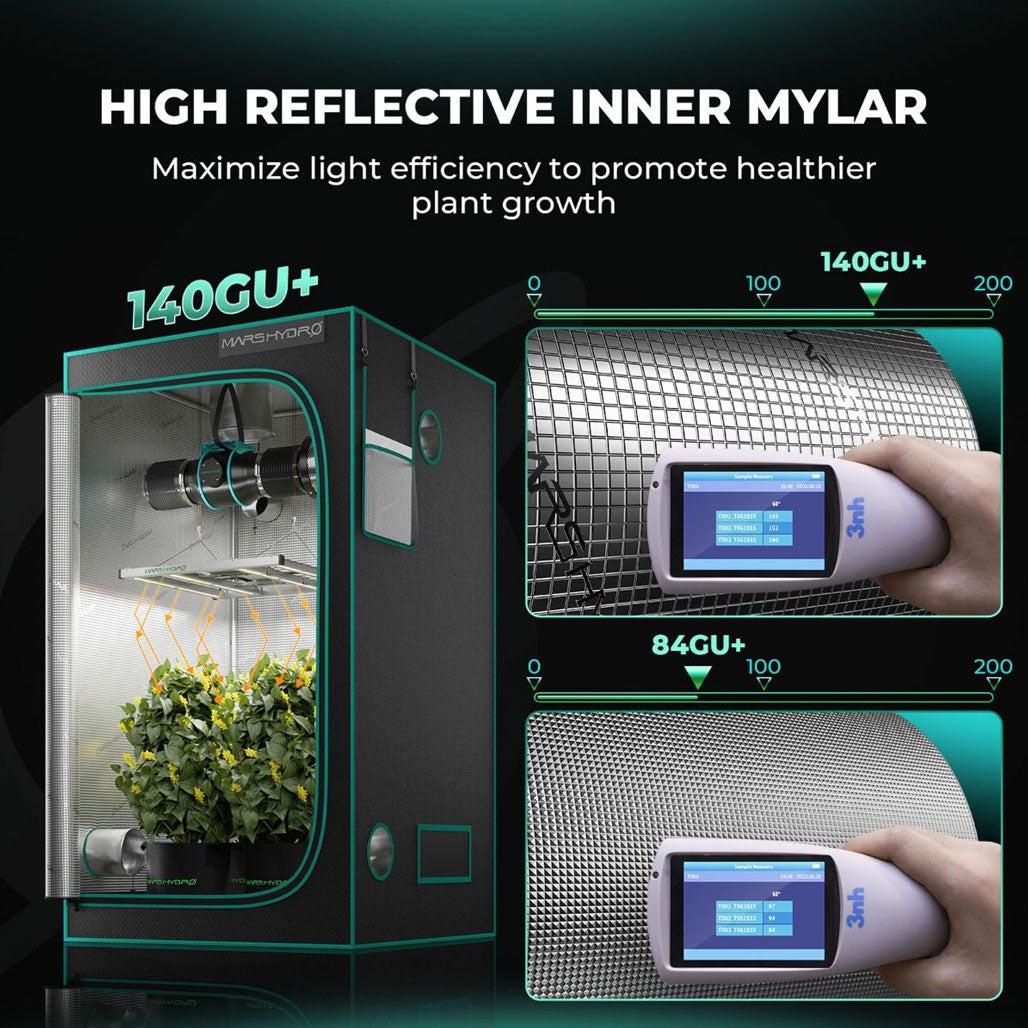
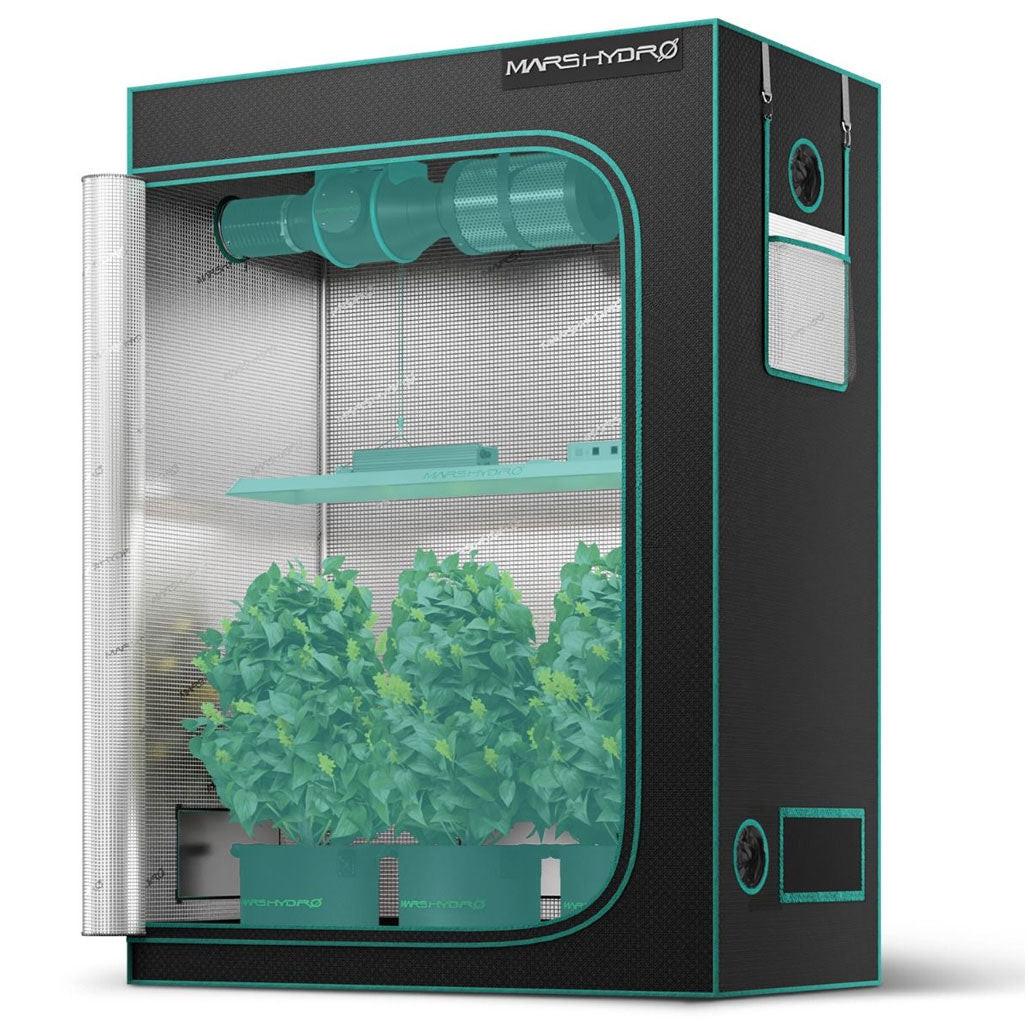
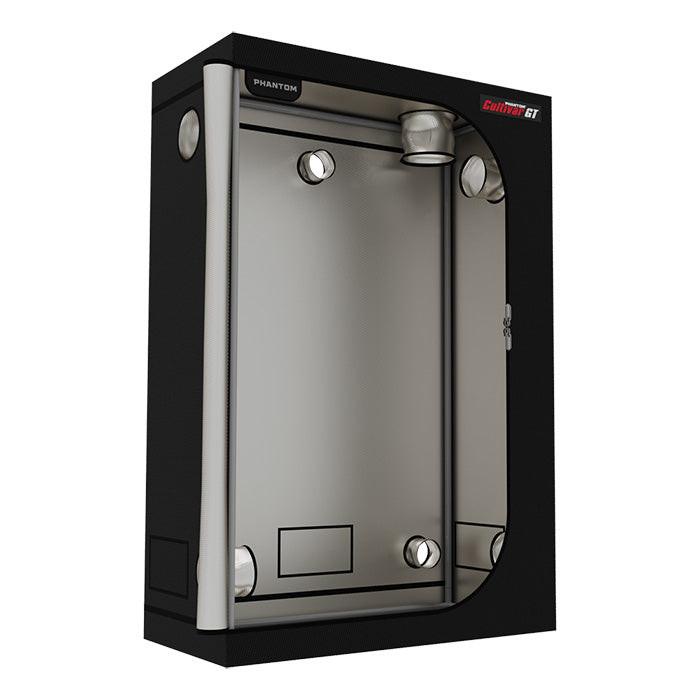
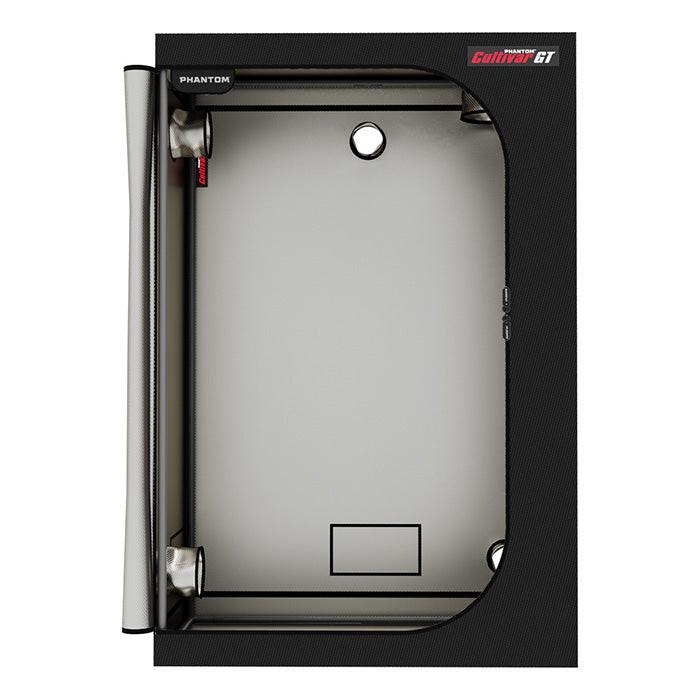
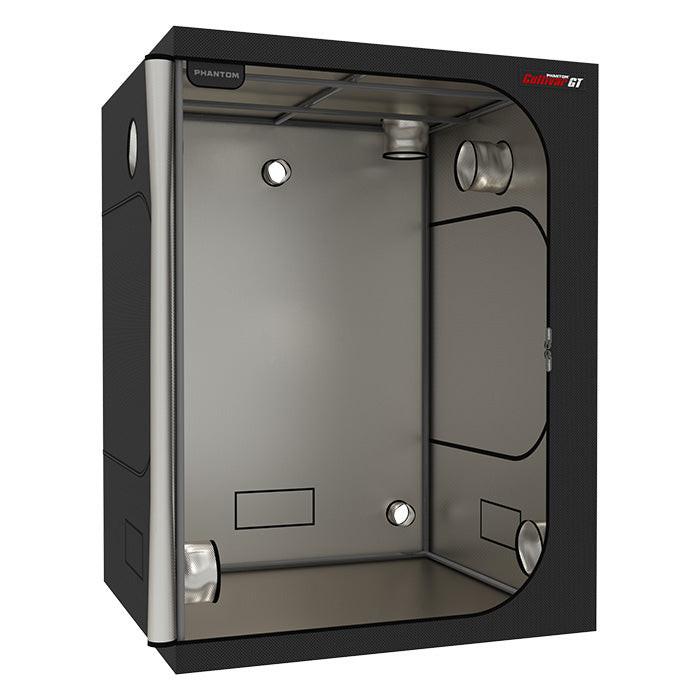
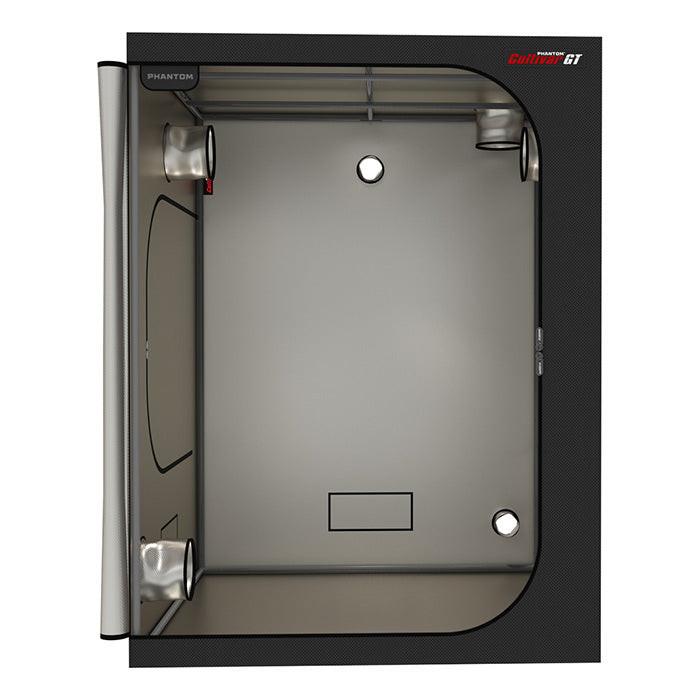
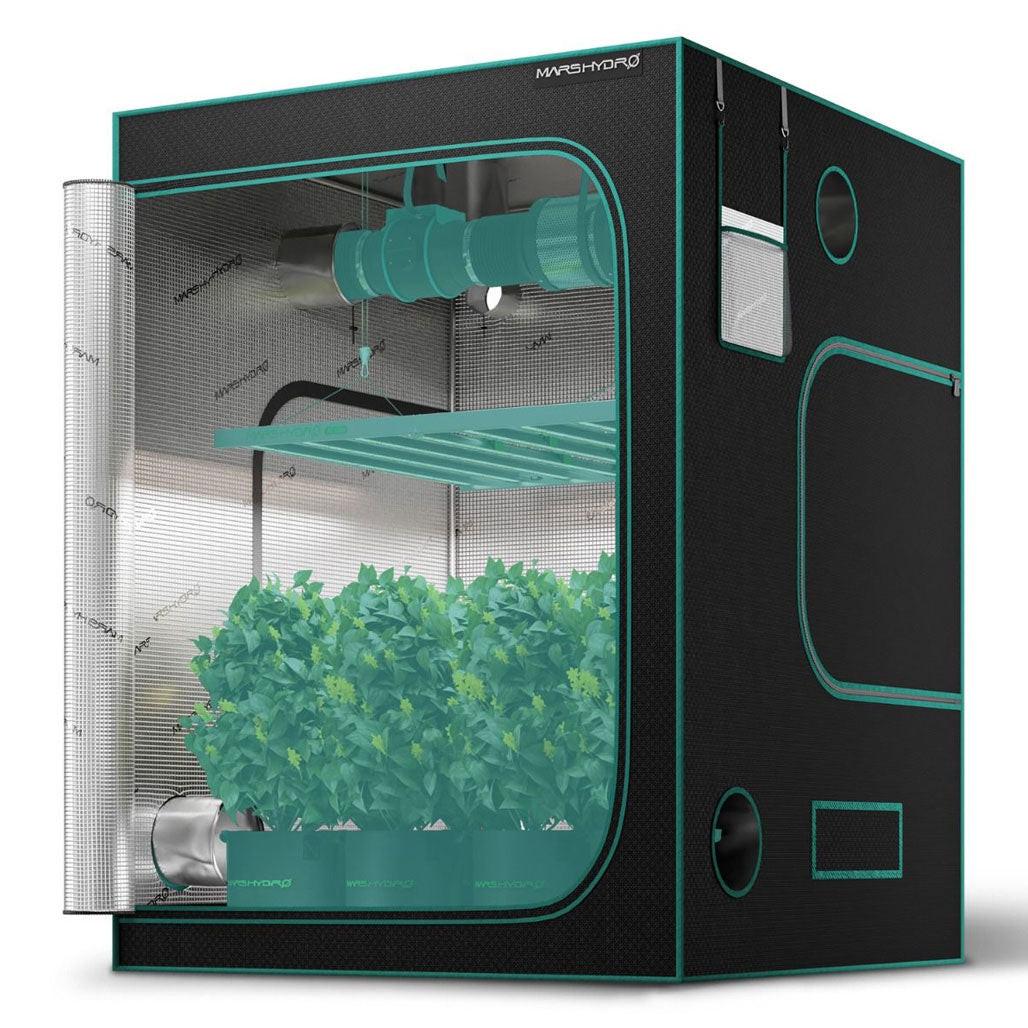
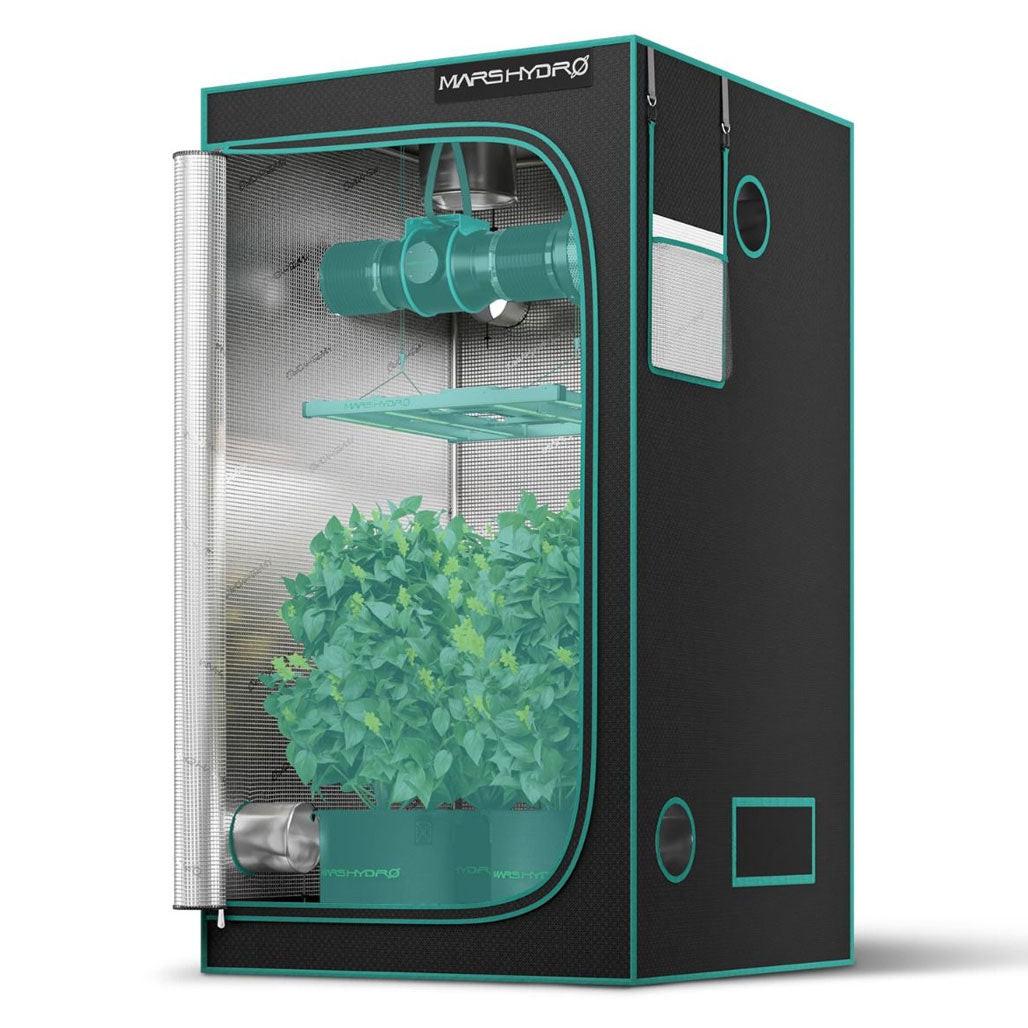
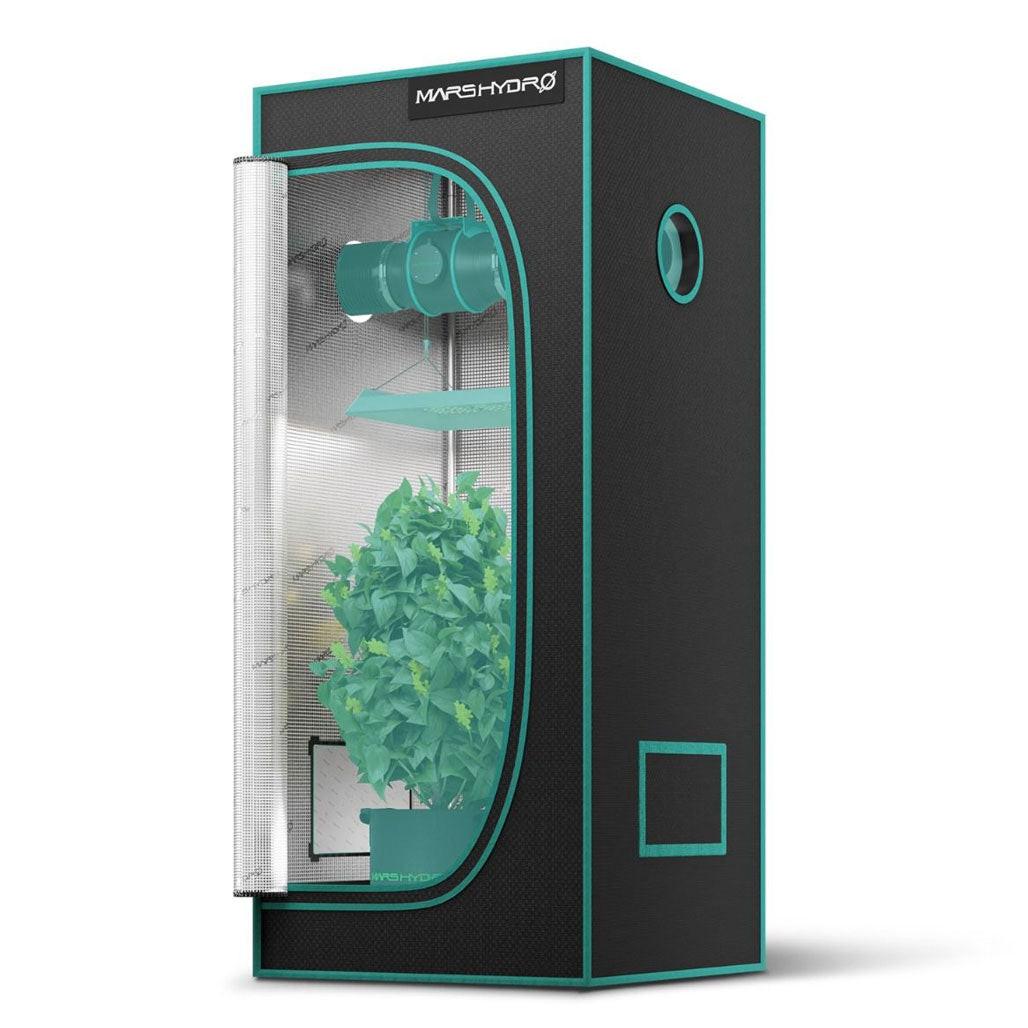
A grow tent provides a self-contained, light-tight, climate-controlled growing enclosure -- the interior mylar lining reflects light back to the canopy, the canvas exterior blocks all external light contamination, and built-in ports accommodate ducting, cables, and ventilation equipment in an organized configuration. Standard grow tents from value and mid-range brands offer the same fundamental growing environment as premium tents at lower price points -- metal pole frames, mylar-lined interiors, and canvas exteriors in every standard size from 2x2 to 10x20 ft.
What to Look for in a Grow Tent
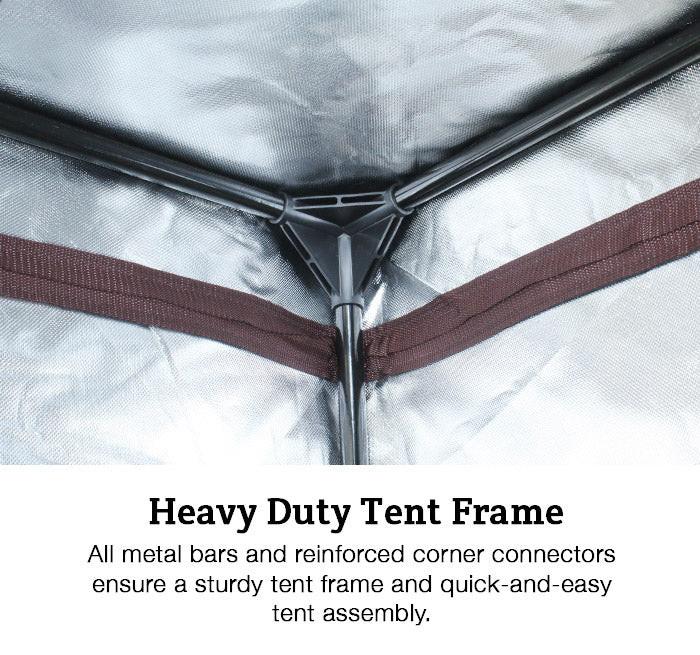
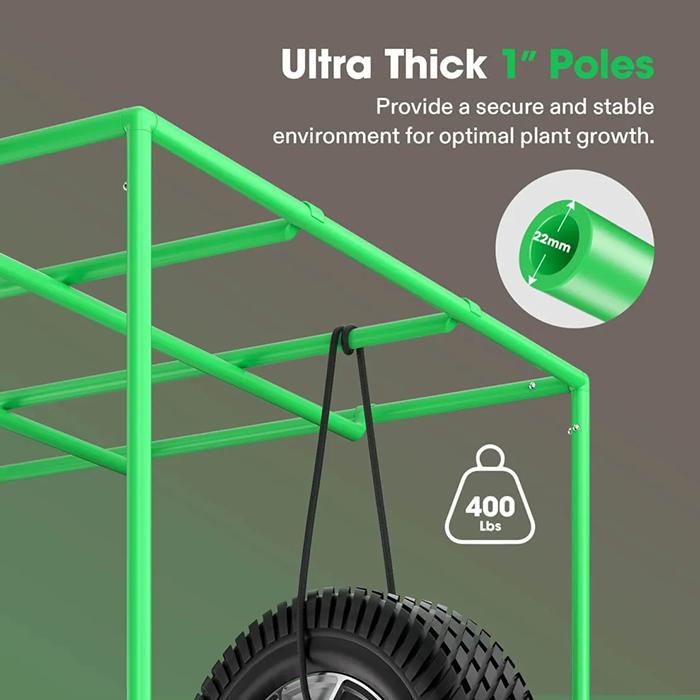
Canvas weight (thickness) is the primary quality indicator for grow tent durability -- expressed in denier (D). Budget tents use 100-150D canvas; mid-range tents 200-600D; premium tents (Gorilla Grow Tent Heavy Duty) use 1680D. Higher denier means more tear resistance and better light sealing, particularly at seams and zippers over time. Metal pole thickness (19mm vs. 22mm vs. 25mm) determines how much weight the tent frame can support overhead -- critical for hanging multiple LED fixtures, carbon filters, and fans simultaneously. Zipper quality is the most common failure point in budget tents; look for YKK or equivalent commercial-grade zippers rather than generic plastic zippers that split under repeated use.
Standard Tent Sizes Available
Browse tents by size -- 2x2, 2x4, 4x4, 4x8, 5x5, 8x8, and 10x10 -- all available in the main grow tents collection. For premium tents with the highest weight ratings, height extension options, and heavy-duty construction, browse our Gorilla Grow Tent collection. See our updated Grow Tent Buying Guide for a full brand and quality comparison across all price tiers. Fast shipping.
Standard Grow Tents FAQ
What is the difference between a standard and a premium grow tent?
The main differences are canvas weight, pole thickness, and zipper quality. Budget/standard tents use 100-200D canvas, thinner 19mm poles, and generic plastic zippers. Premium tents like Gorilla Grow Tent Heavy Duty use 1680D canvas (significantly more tear-resistant), 25mm poles rated for 300 lbs, and commercial-grade YKK-style zippers. For a first tent or short-term use, a standard tent is adequate. For permanent setups carrying multiple heavy LED fixtures overhead, or any tent expected to last through many cycles of setup and breakdown, the premium construction pays back in longevity and reliability.
How do I keep my grow tent light-tight?
Most light leaks occur at zippers (check that the zipper flap fully covers the zip track when closed), port openings (stuff unused ports with fabric or use port covers), and seams that have developed small holes or gaps over time. Seal small pinholes with black silicone sealant or black electrical tape. For zippers, run a small amount of zipper lubricant (beeswax or dedicated zipper lube) if they are stiff or pulling open. Conduct a light inspection by standing in the tent in complete darkness for 1-2 minutes after your eyes adjust -- any light entering from outside will be visible and can be located and sealed.
Can I use a grow tent outdoors?
Grow tents are designed for indoor use -- they are not weatherproof and the canvas, poles, and mylar lining are not rated for UV exposure, rain, or wind. Using a grow tent outdoors in any weather will degrade the canvas and mylar rapidly and may void warranty. For outdoor growing, use purpose-built greenhouse structures or outdoor grow enclosures rated for the elements.
How much weight can a grow tent hold overhead?
Budget tents with 19mm poles typically hold 30-50 lbs of overhead equipment. Mid-range tents with 22mm poles typically hold 50-100 lbs. Gorilla Grow Tent Heavy Duty with 25mm poles is rated for 300 lbs. For a setup running two 700W LED fixtures (10-15 lbs each), a large carbon filter (15-25 lbs), and an inline fan (5-10 lbs), total overhead load can reach 50-75 lbs -- exceeding the capacity of budget tent frames. Always verify your specific tent's pole rating and stay below 80% of rated capacity to avoid frame failure mid-cycle.
Do I need a grow tent or can I just use a closet?
A closet can work for small grows, but grow tents offer several practical advantages: interior mylar lining increases effective PPFD by reflecting light back to the canopy (closets typically have white-painted or raw walls reflecting 70-85%); easy port access for ducting and cables without drilling into walls; and a fully contained footprint that can be moved or removed. For very long-term permanent installations, a painted white closet or dedicated grow room may be more cost-effective at scale. For most hobby growers, a properly sized grow tent is the cleaner, more flexible, and more efficient choice.