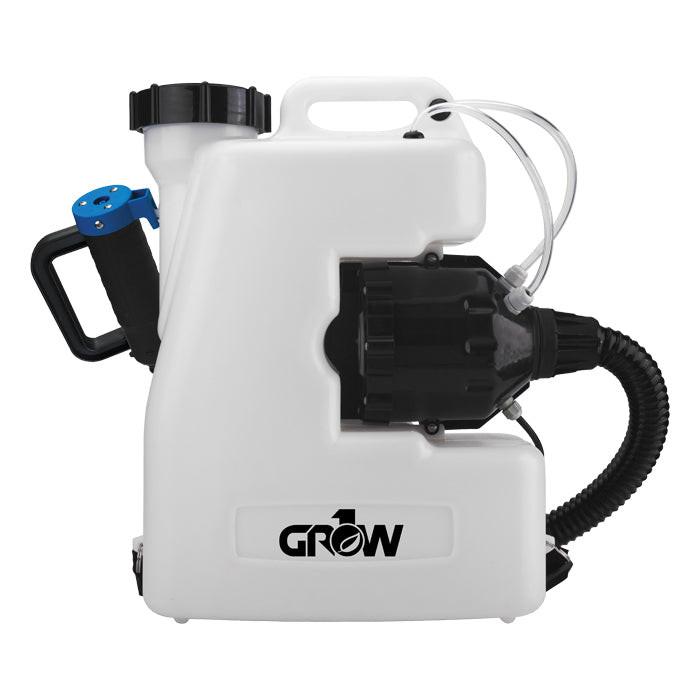
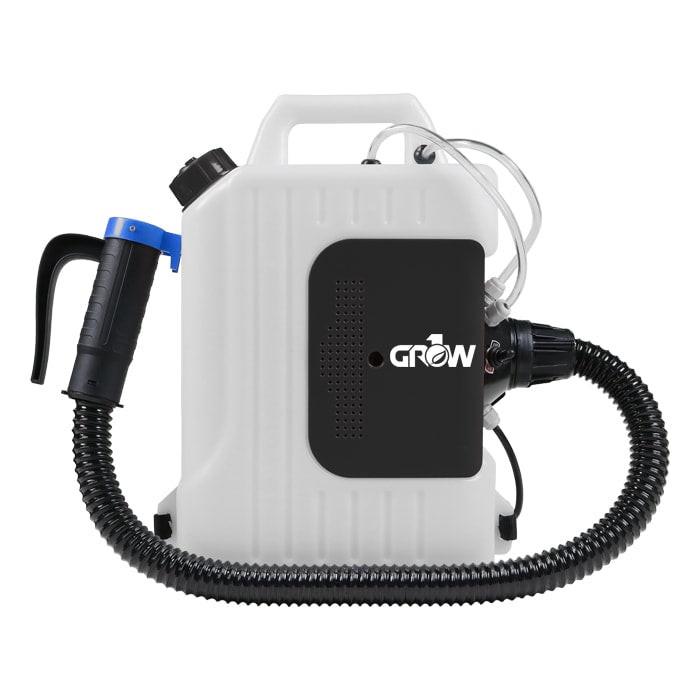
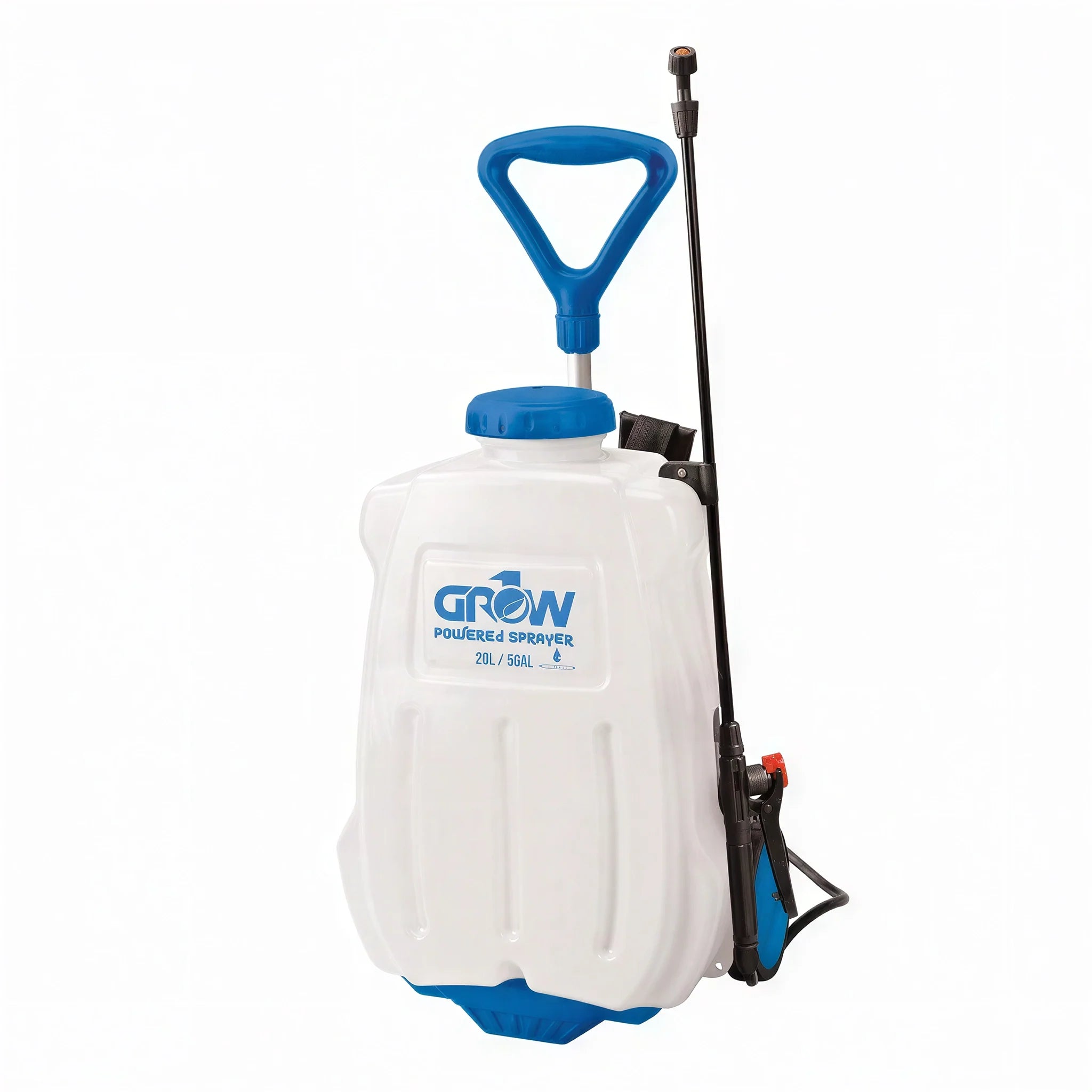
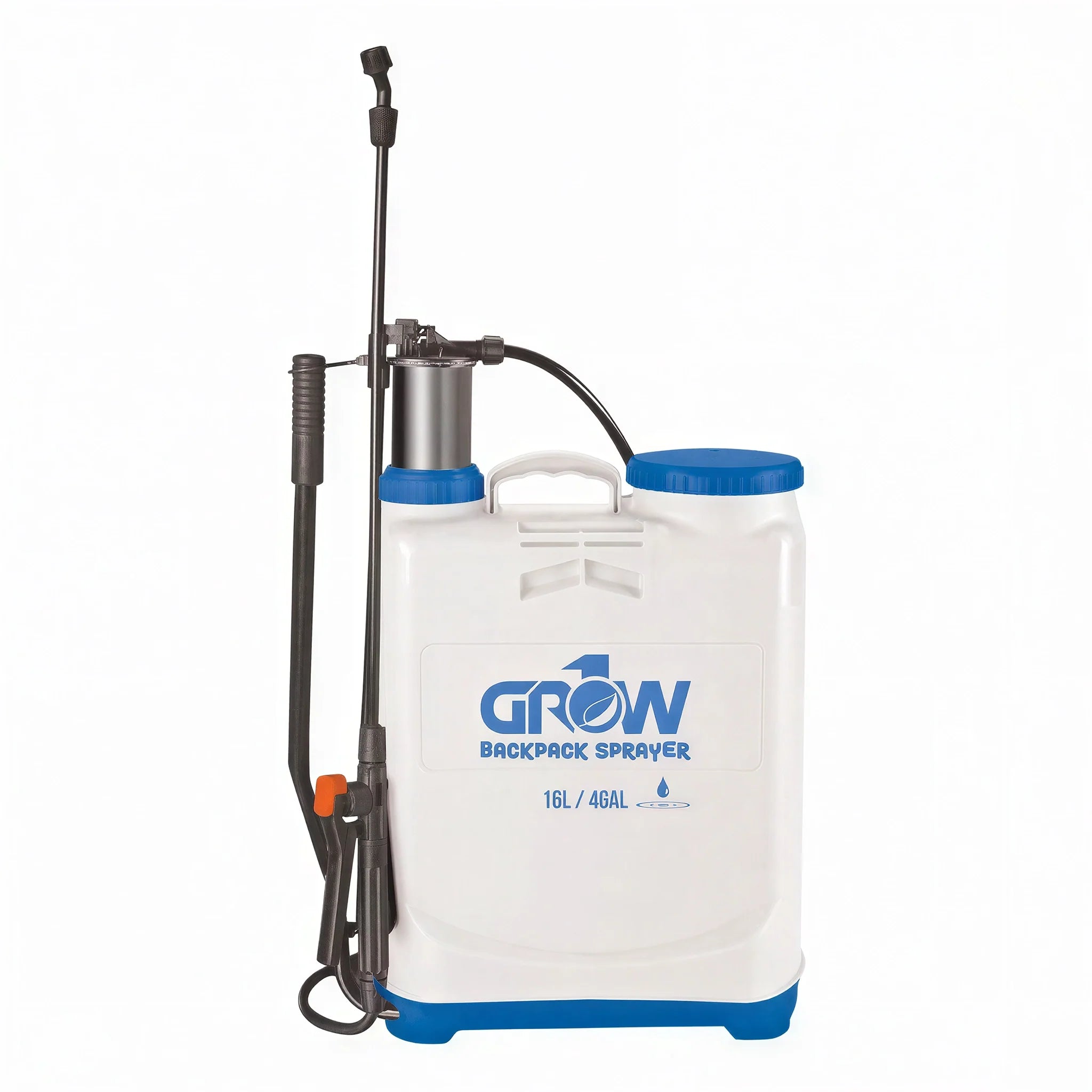
Garden Sprayers & Foggers for Pest Control & Foliar Feeding
Garden sprayers and foggers are the application tools for pest control products, beneficial microorganism inoculants, foliar nutrients, and preventive treatments in indoor and greenhouse growing. The right sprayer type depends on coverage area, product viscosity, droplet size requirements, and application frequency. Hand pump compression sprayers cover small areas efficiently; battery-powered sprayers handle larger volumes without hand fatigue; foggers produce ultra-fine droplets (ULV - ultra-low volume) for complete coverage of dense canopy areas where coarser sprays cannot penetrate.
Hand Pump vs. Battery-Powered Sprayers
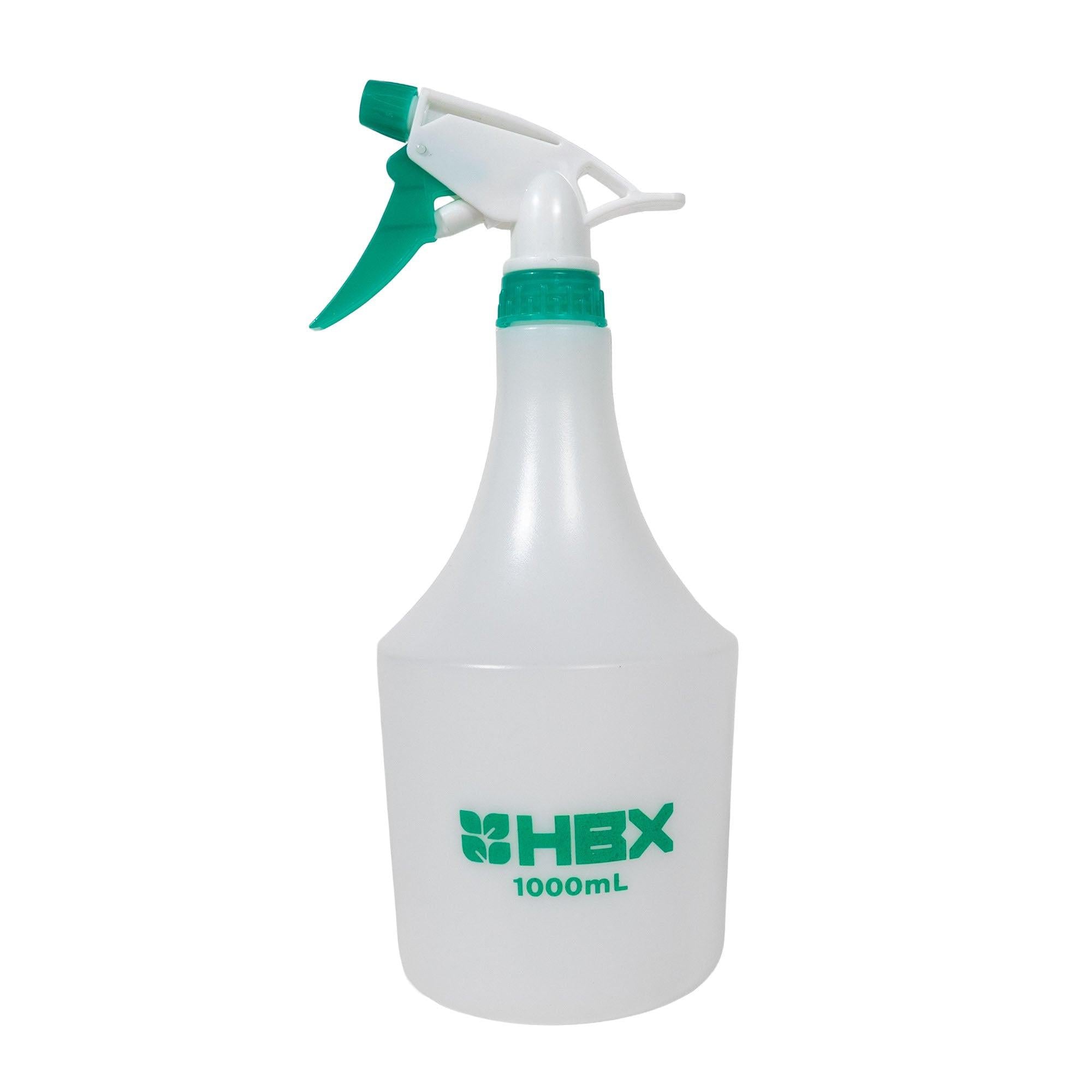
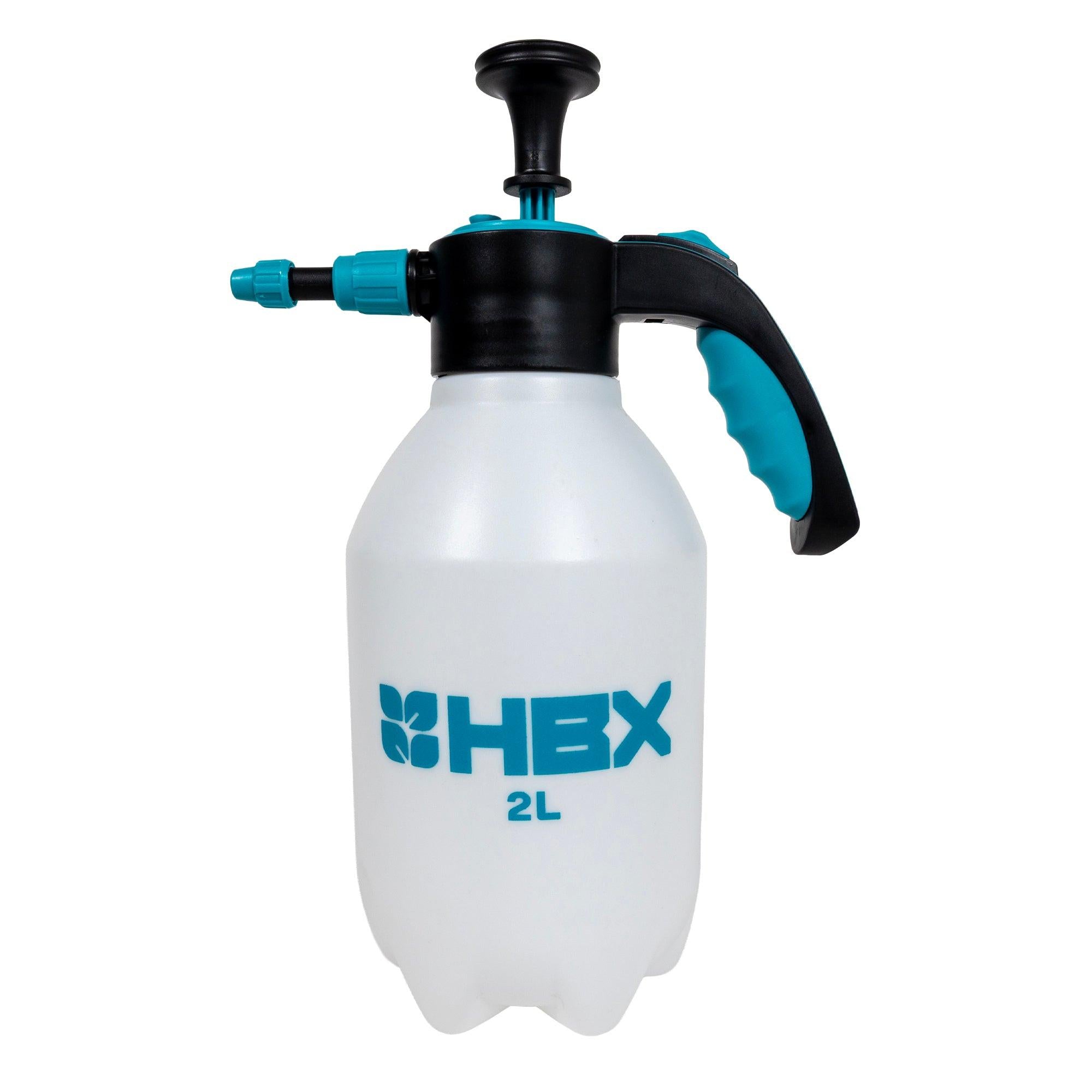
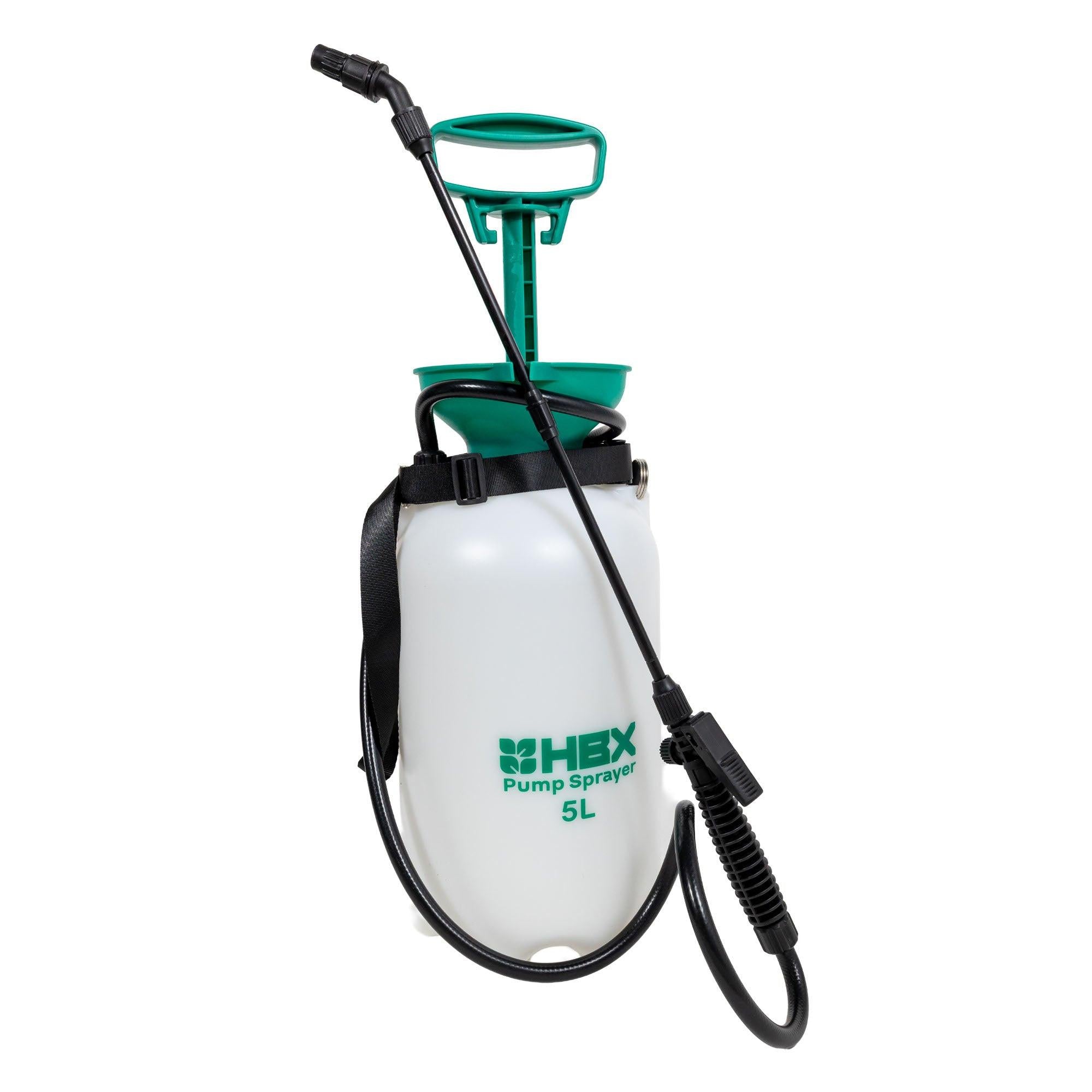
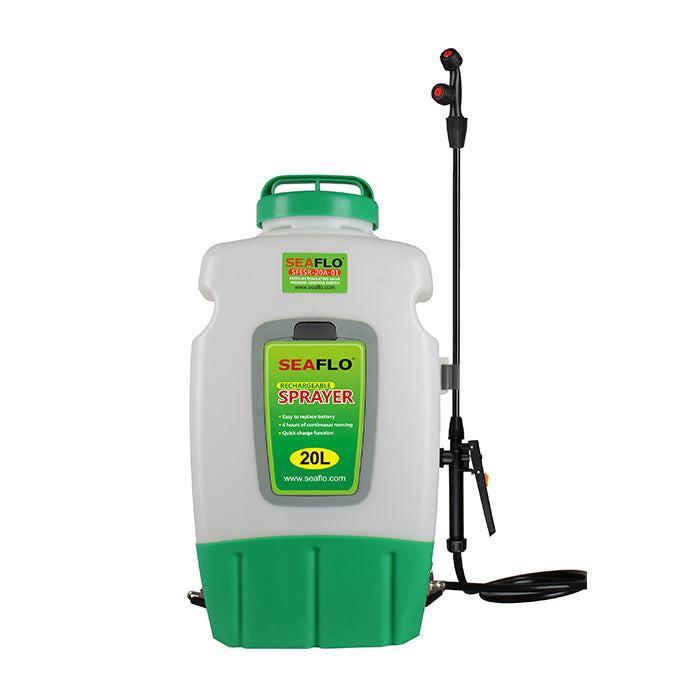
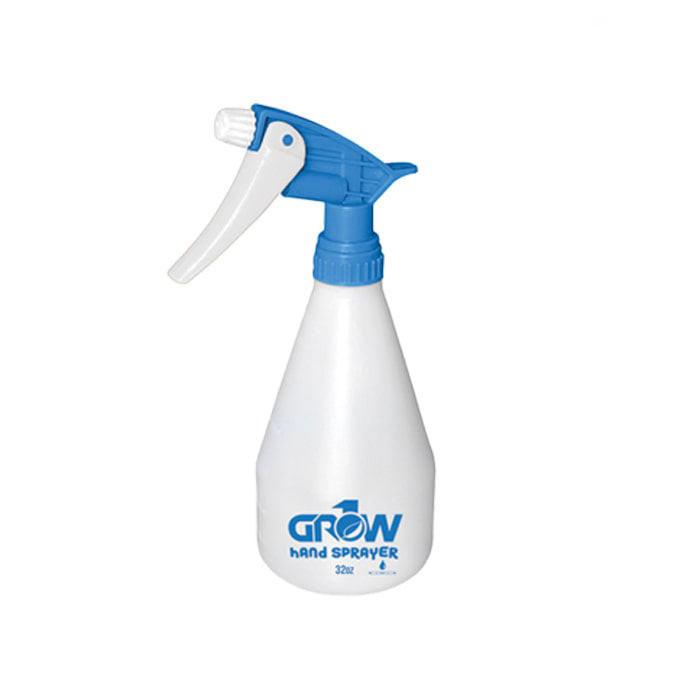
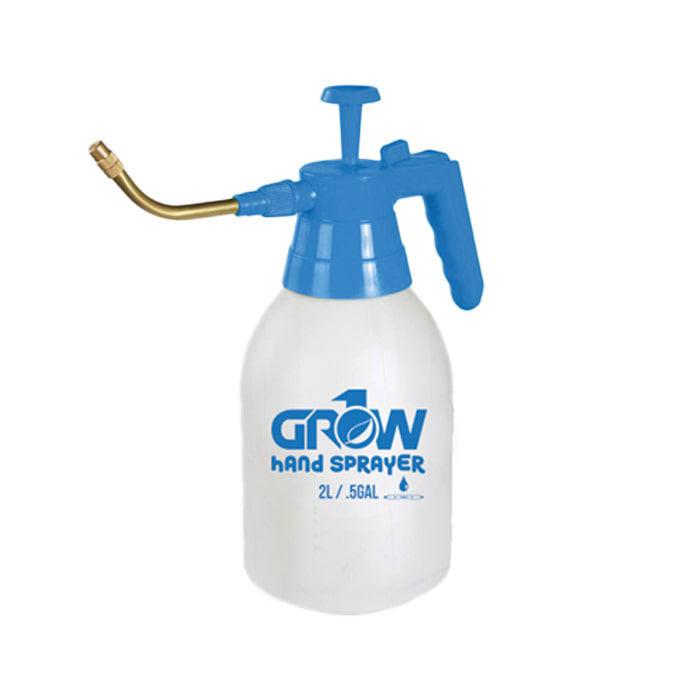
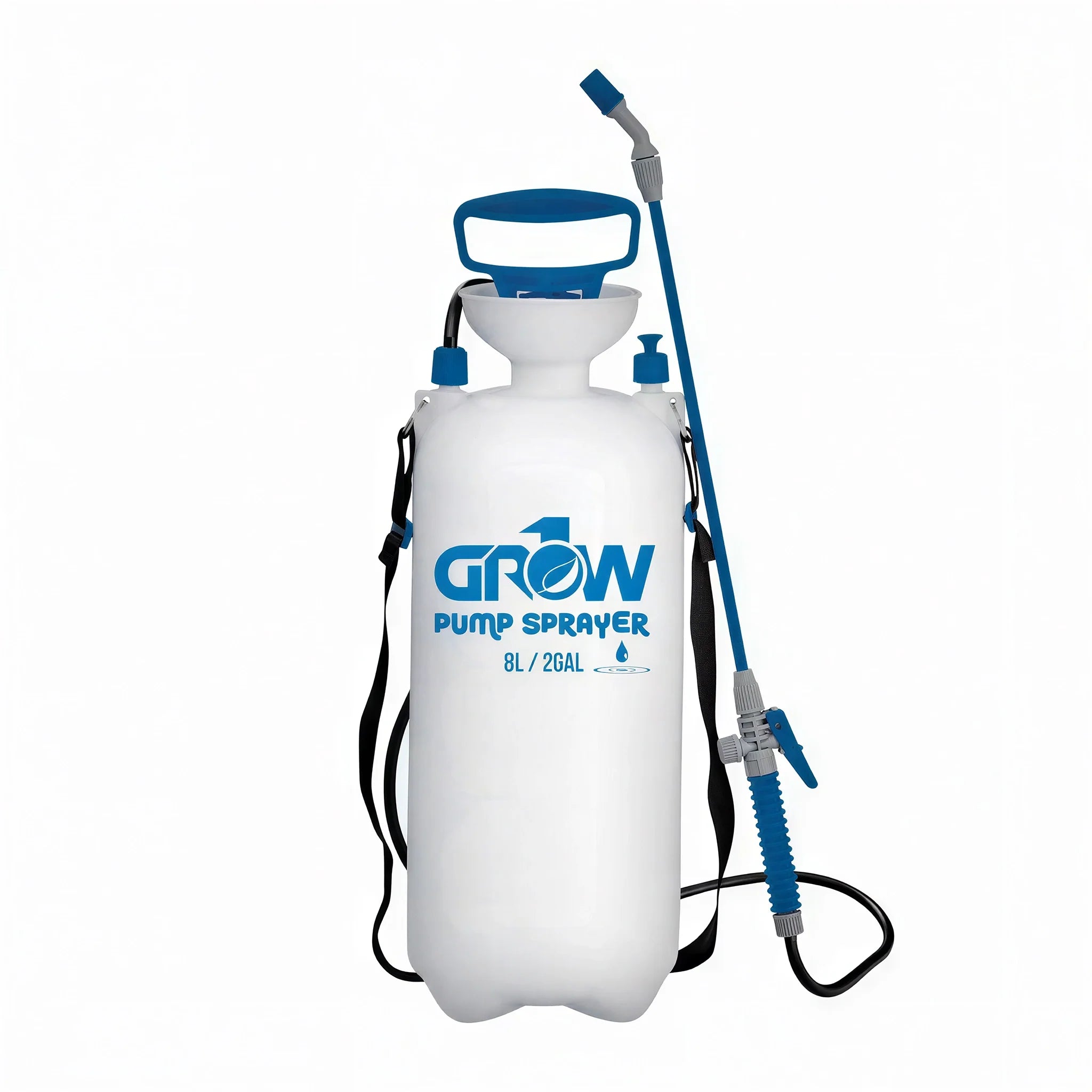
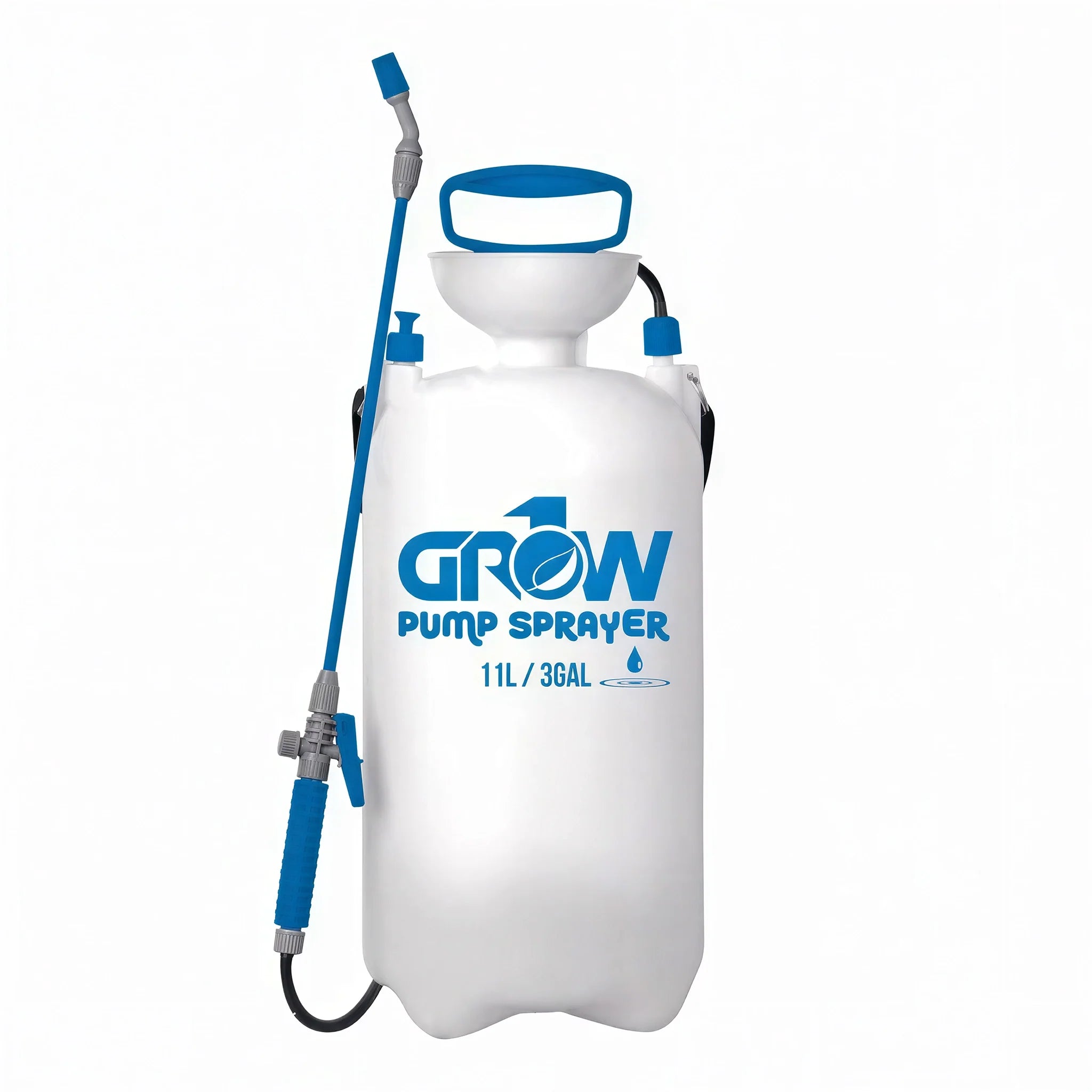
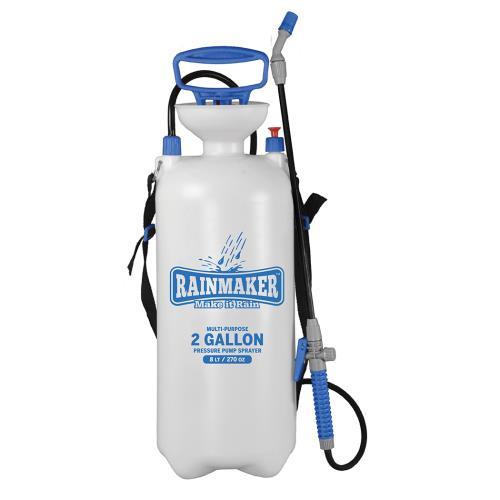
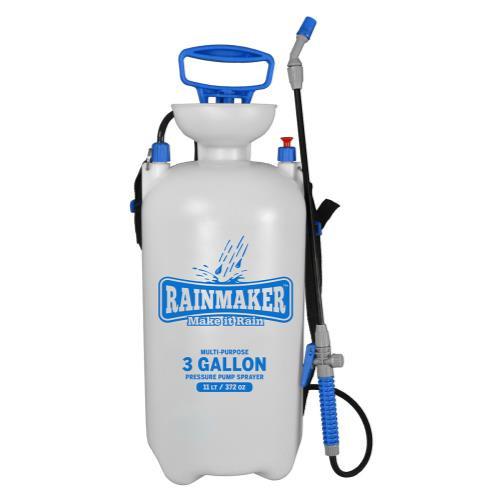
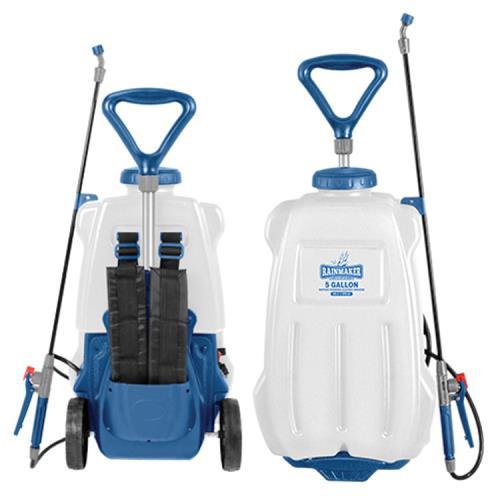
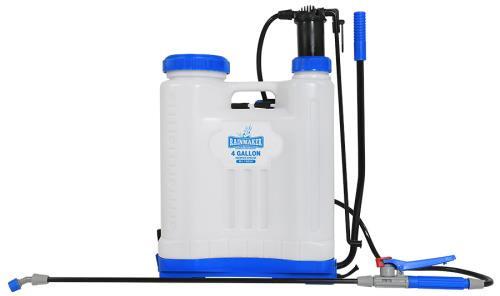
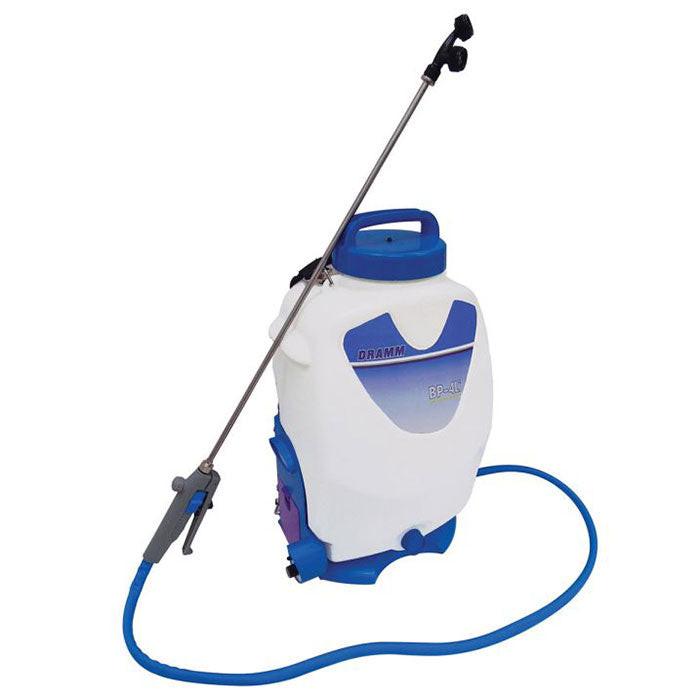
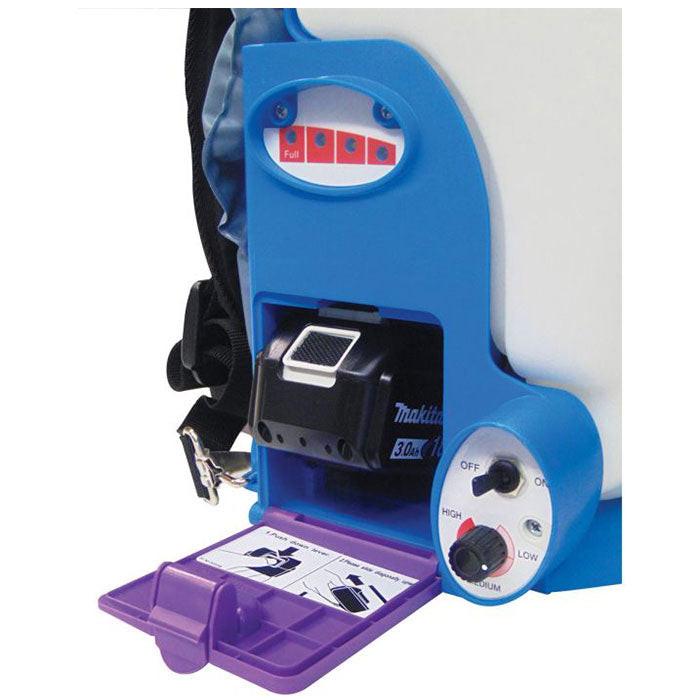
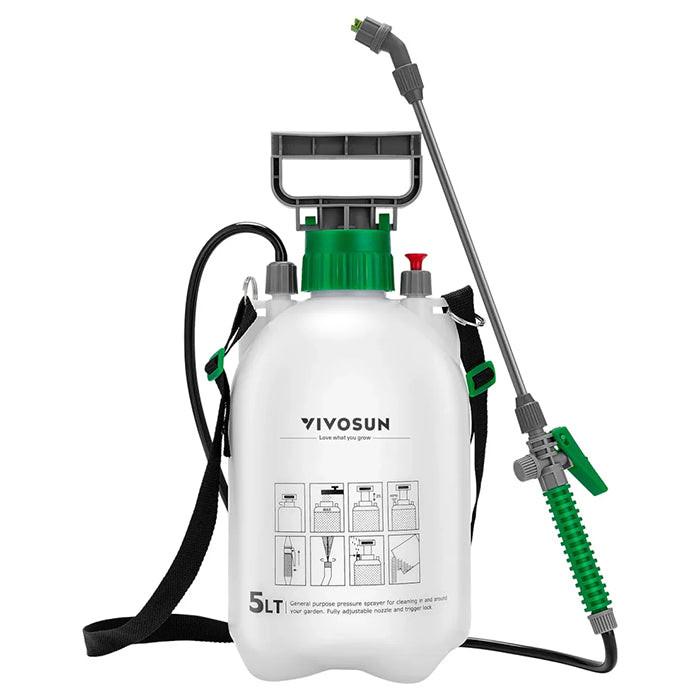
Hand pump compression sprayers (1-2 gallon) are the standard for hobby grows and grow room maintenance and occasional applications -- pressurize with 10-15 pumps, spray, repressurize as needed. They are simple, inexpensive, and effective for all standard foliar applications. Battery-powered backpack and hand sprayers eliminate the hand-pumping fatigue and pressure inconsistency of manual compression models -- maintaining constant pressure throughout the tank for more consistent droplet size and coverage. For growers making regular preventive applications across a 4x4 to 10x10 canopy, a quality battery-powered sprayer pays back through consistency and reduced application time. Keep separate labeled sprayers for pest control products and nutrient foliar feeds -- residue from some pest products can damage plants if applied in a contaminated sprayer used for nutrients.
ULV Foggers for Dense Canopy Coverage
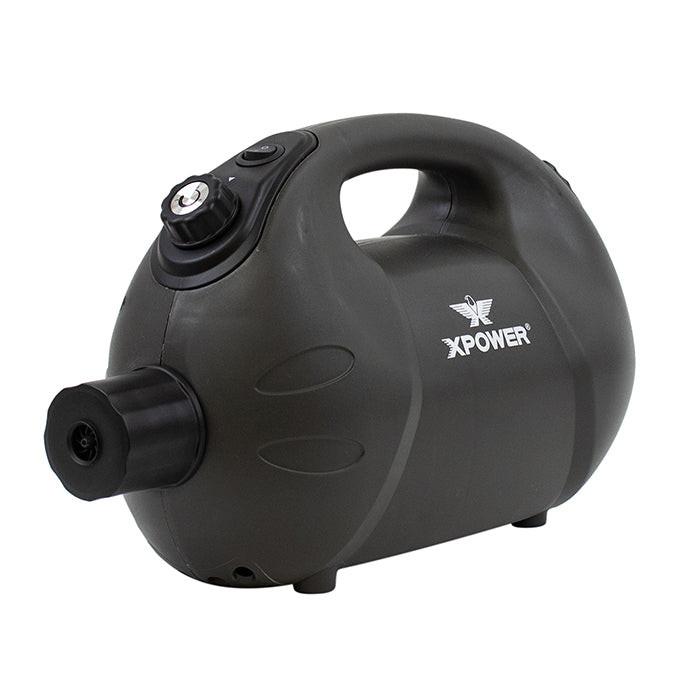
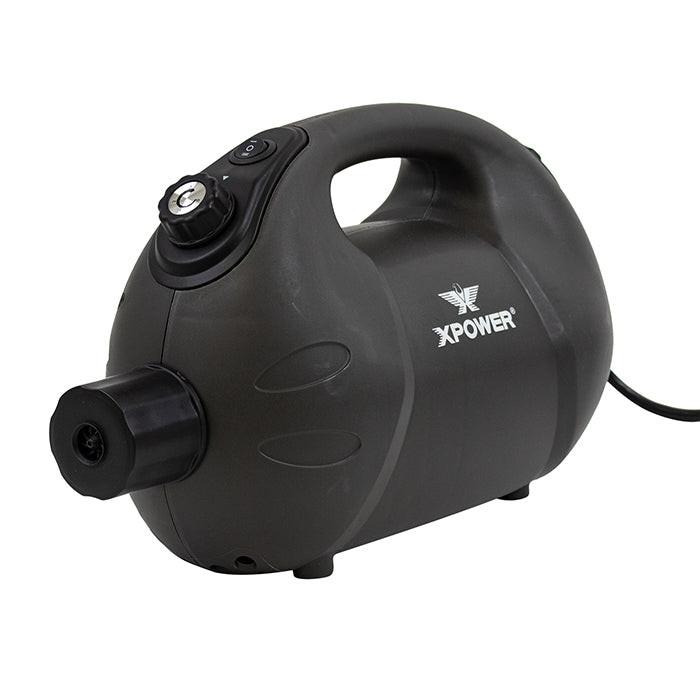
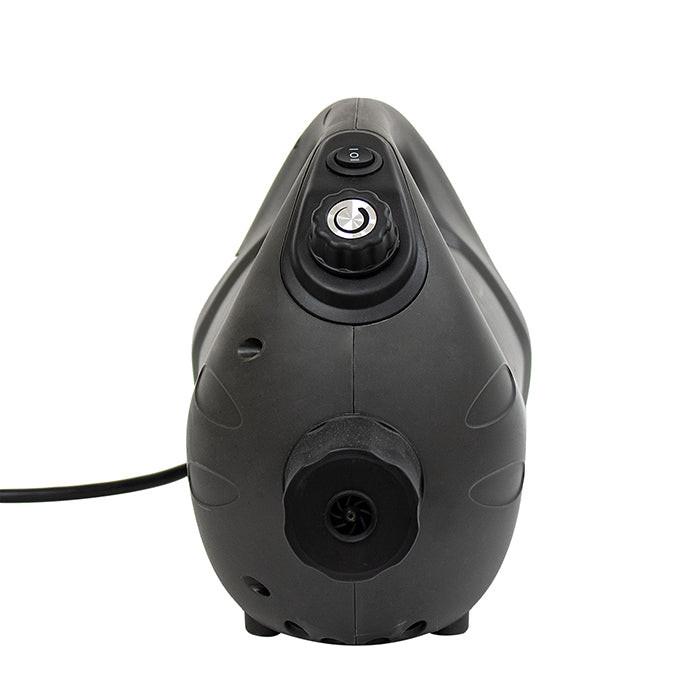
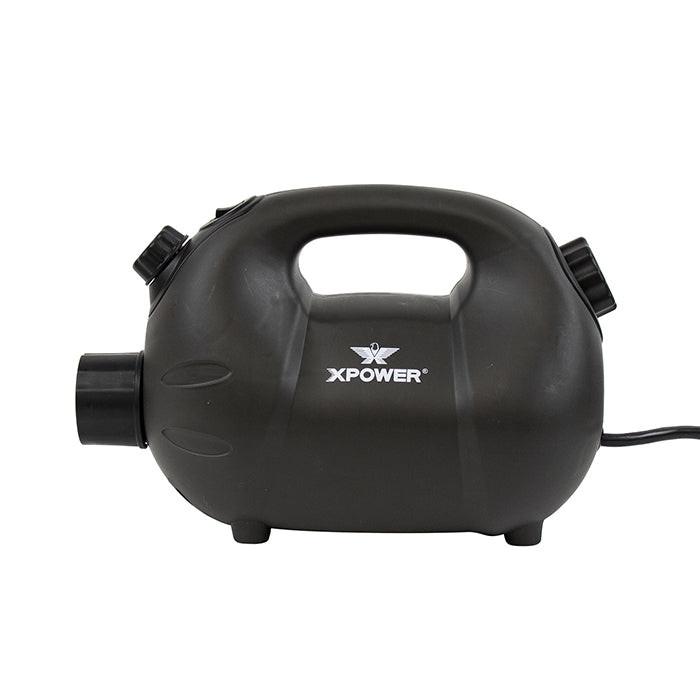
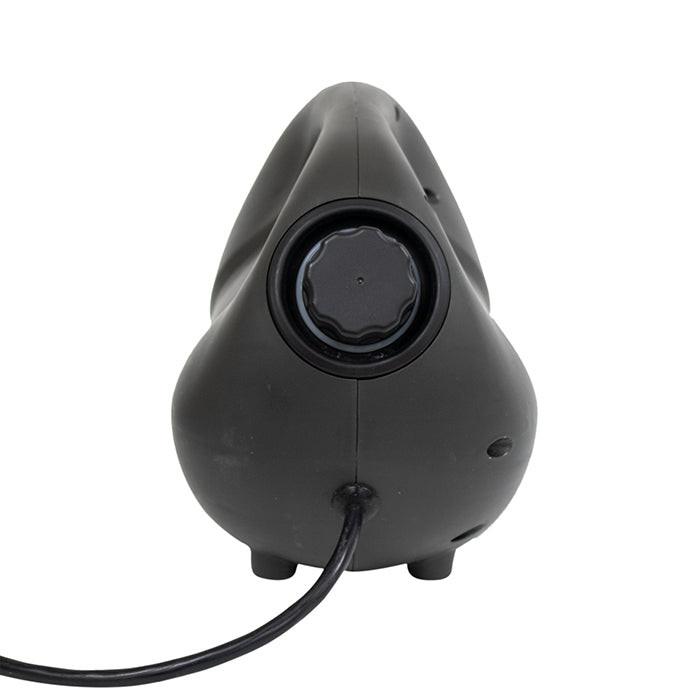
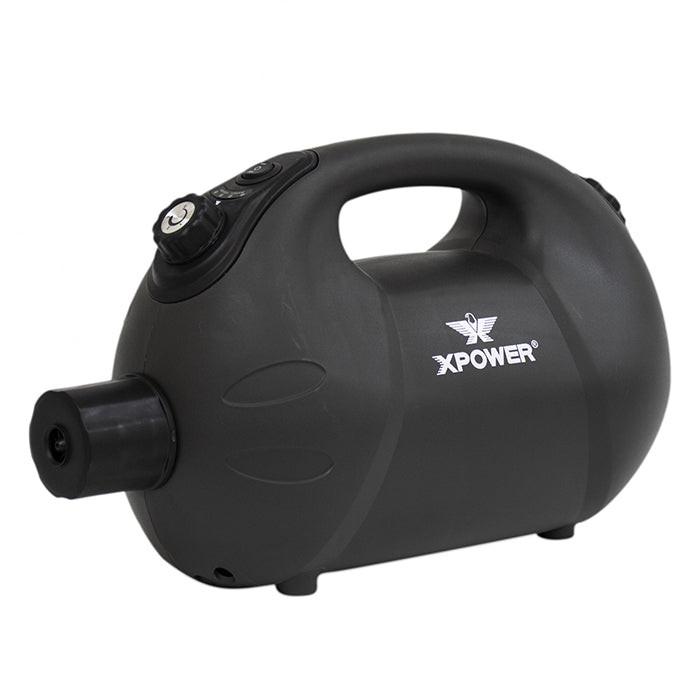
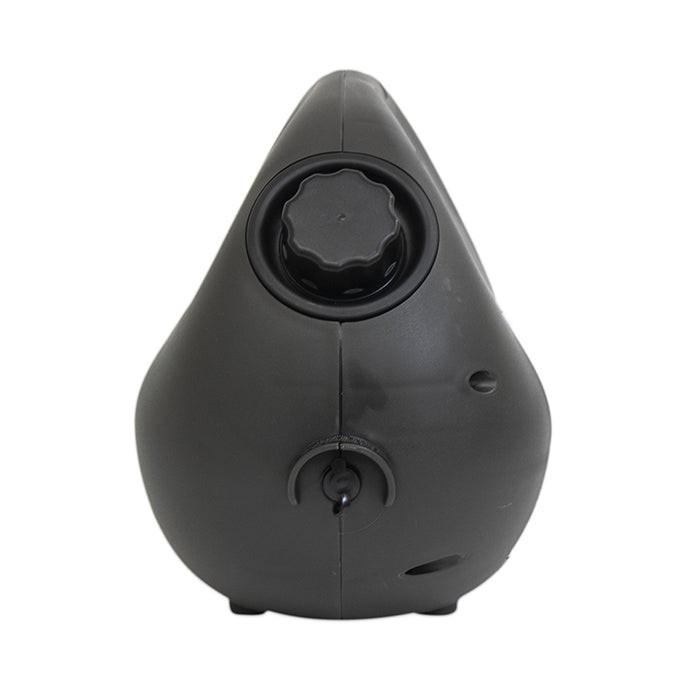
Ultra-low volume (ULV) foggers atomize liquid into droplet sizes of 5-30 microns -- far smaller than conventional sprayers (100-400 microns). These microscopic droplets float through the air and penetrate dense canopy areas, undersides of leaves, and enclosed spaces that direct spray cannot reach effectively. ULV foggers are particularly effective for IPM (integrated pest management) applications in commercial grows where complete coverage of every plant surface -- including lower canopy and undersides -- is a prevention requirement. Pair with ARBICO Organics biological pest control products for a complete IPM program. Fast shipping.
Garden Sprayers & Foggers FAQ
What type of sprayer is best for indoor growing?
For most hobby grows (up to 4x8 ft): a 1-2 gallon hand pump compression sprayer covers the canopy efficiently for regular IPM applications. For larger commercial spaces or growers who spray frequently: a battery-powered backpack sprayer (2-4 gallon) maintains constant pressure for more consistent coverage without hand fatigue. For maximum canopy penetration in dense flowering rooms or preventive IPM programs covering hundreds of plants: a ULV fogger provides the ultra-fine droplets that float through dense plant material and coat all surfaces including leaf undersides.
Can I use the same sprayer for pest control and foliar nutrients?
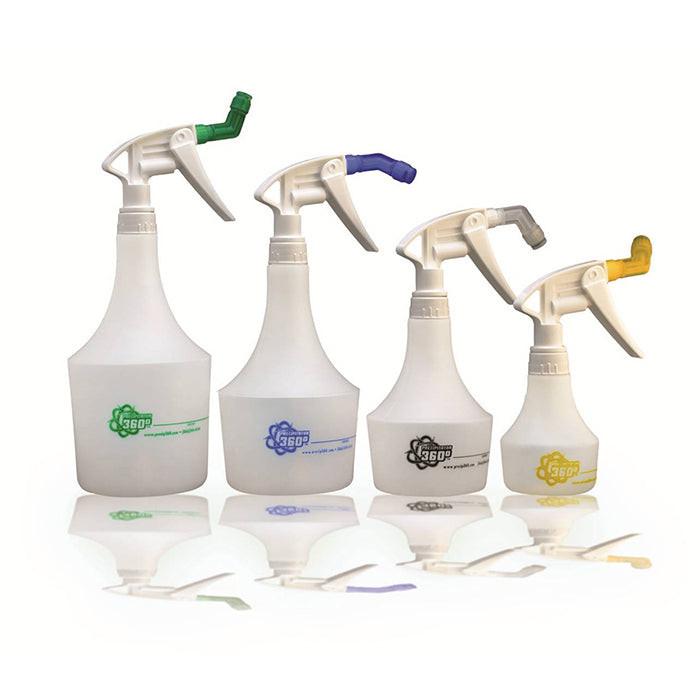
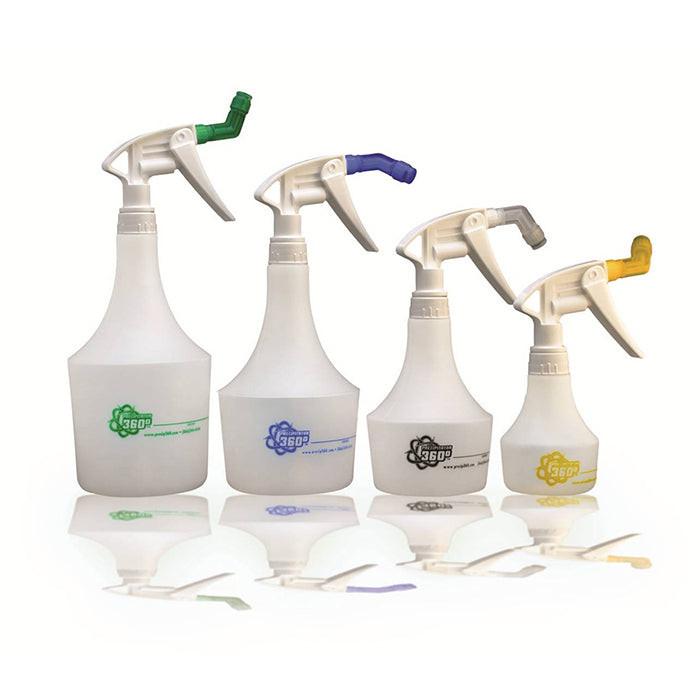
Not recommended -- residue from some pest control products (particularly sulfur-based or oil-based formulations) can damage plants when applied in contaminated equipment used for foliar nutrients. Maintain at least two dedicated, clearly labeled sprayers: one for pest control and IPM applications, one for foliar feeding and beneficial organisms. Rinse thoroughly between any product change even within the same category, and never mix product types in the same tank. Color-coded sprayers or permanent label tape are simple visual reminders for multi-sprayer setups.
How do I clean a garden sprayer after use?
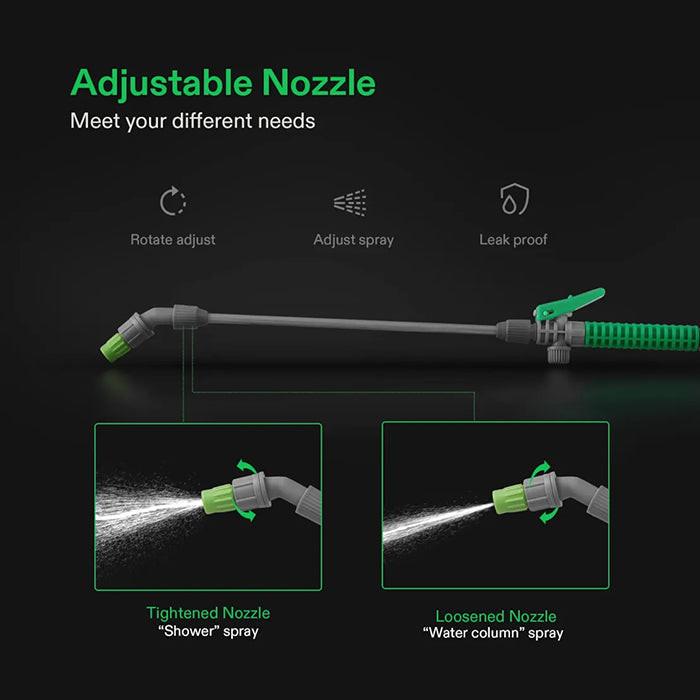
After each use: empty remaining product, fill the tank 1/4 full with clean water, pressurize and spray through the wand to flush the pump and nozzle. Empty again, refill with clean water, and repeat until no visible product residue remains. For oil-based products: a small amount of dish soap in the flush water helps emulsify oil residue. For sulfur-based products: a baking soda solution flush (1 tablespoon per gallon) neutralizes acidic residue. Allow to air dry with the cap off before storage to prevent mold growth in trapped moisture. Replace nozzles annually or when spray pattern becomes irregular -- clogged nozzle tips are the most common cause of poor spray coverage.
What is ULV fogging and when should I use it?
ULV (ultra-low volume) fogging atomizes liquid into microscopic 5-30 micron droplets that float in air and penetrate dense canopy areas. Use ULV fogging for: preventive IPM treatments where complete coverage of all plant surfaces including leaf undersides is needed; treating established pest or disease pressure in dense canopies where direct spray cannot reach affected areas; and applying biological controls (beneficial bacteria, fungi) throughout an enclosed growing space for broad colonization coverage. ULV fogging is not appropriate for contact-only treatments or products that require precise application rates -- the drift and dispersion of ultra-fine droplets makes dosing less predictable than direct spray.
How often should I spray plants for pest prevention?
IPM preventive spray schedules vary by product type and pest pressure. Biological controls (neem oil, insecticidal soap, Spinosad): apply on a 7-14 day rotation as a preventive program, regardless of visible pest presence -- active prevention is more effective than reactive treatment after populations establish. Beneficial organisms (Beauveria bassiana, Bacillus thuringiensis): weekly to bi-weekly applications maintain active populations in the canopy environment. Cultural controls: foliar applications of silica and kelp extracts on a weekly schedule strengthen plant tissue against pest damage. Always follow product label directions for specific application intervals and pre-harvest intervals for edible crops.