Soil Moisture Meters & Substrate Sensors for Growing
Soil moisture meters and substrate sensors measure the volumetric water content (VWC) or tension of the growing medium, giving growers objective data about root zone moisture conditions rather than relying on guesswork, container weight lifting, or finger-feel. Accurate substrate moisture measurement is the foundation of precision irrigation management -- knowing the actual water content of your growing medium at any point in the day allows you to irrigate at the optimal time, avoid overwatering and underwatering, and execute the dry-back targets used in crop steering programs for coco coir and similar media.
Types of Substrate Moisture Sensors
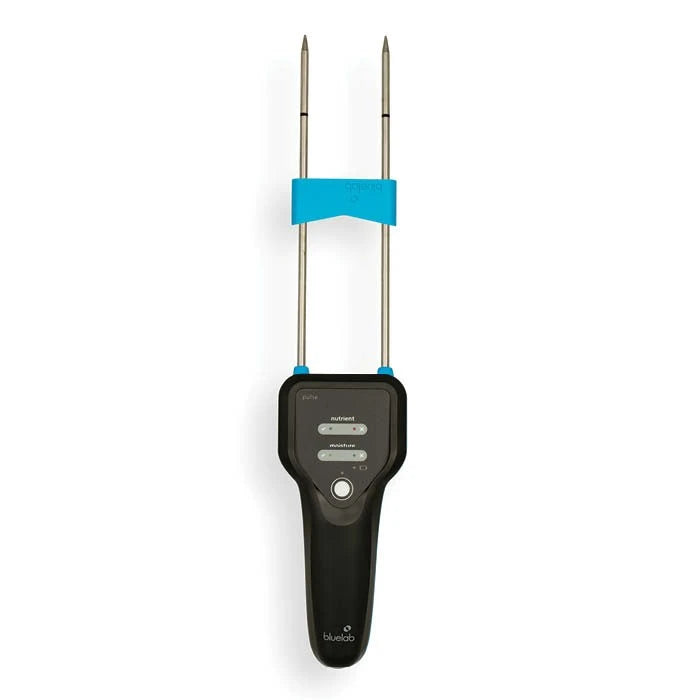
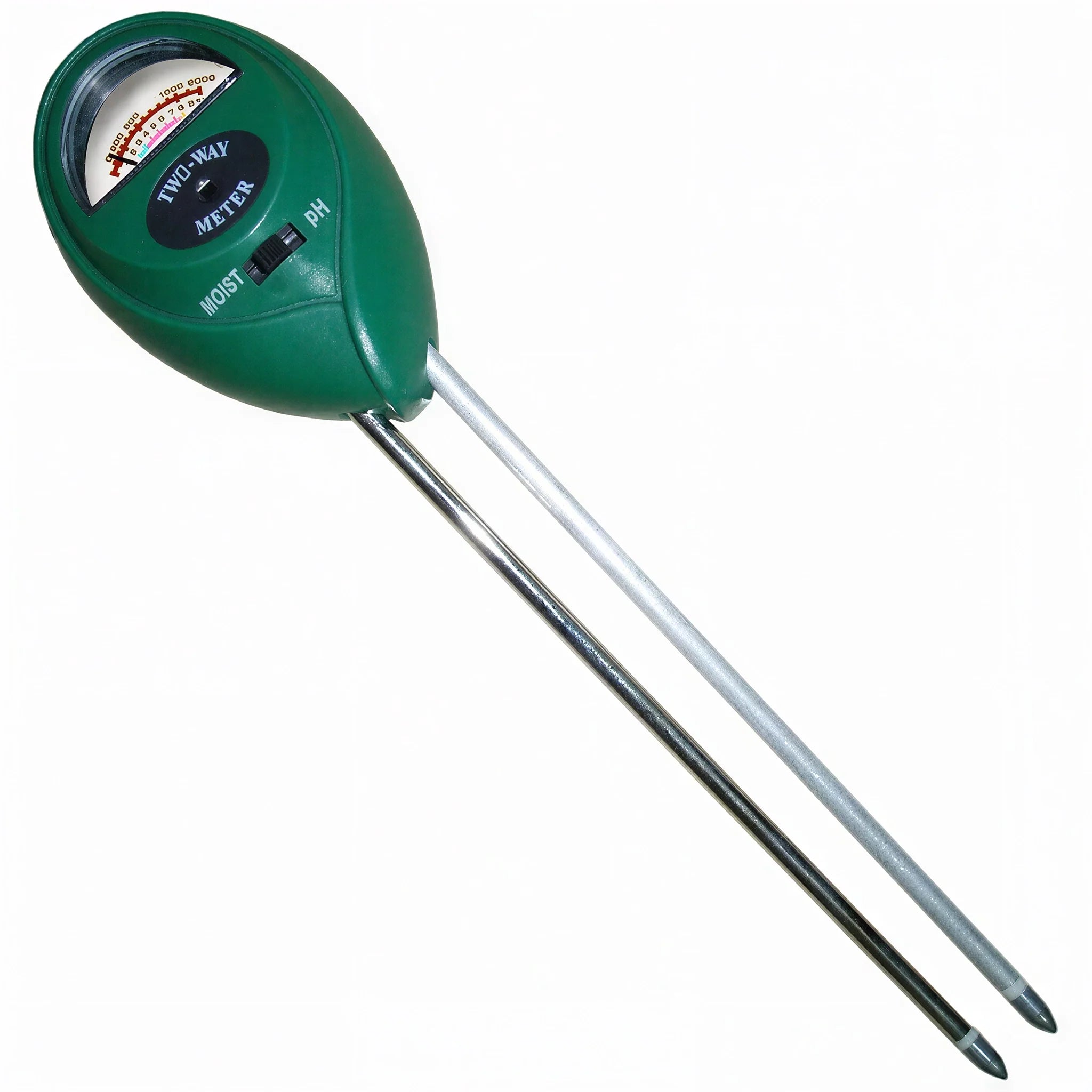
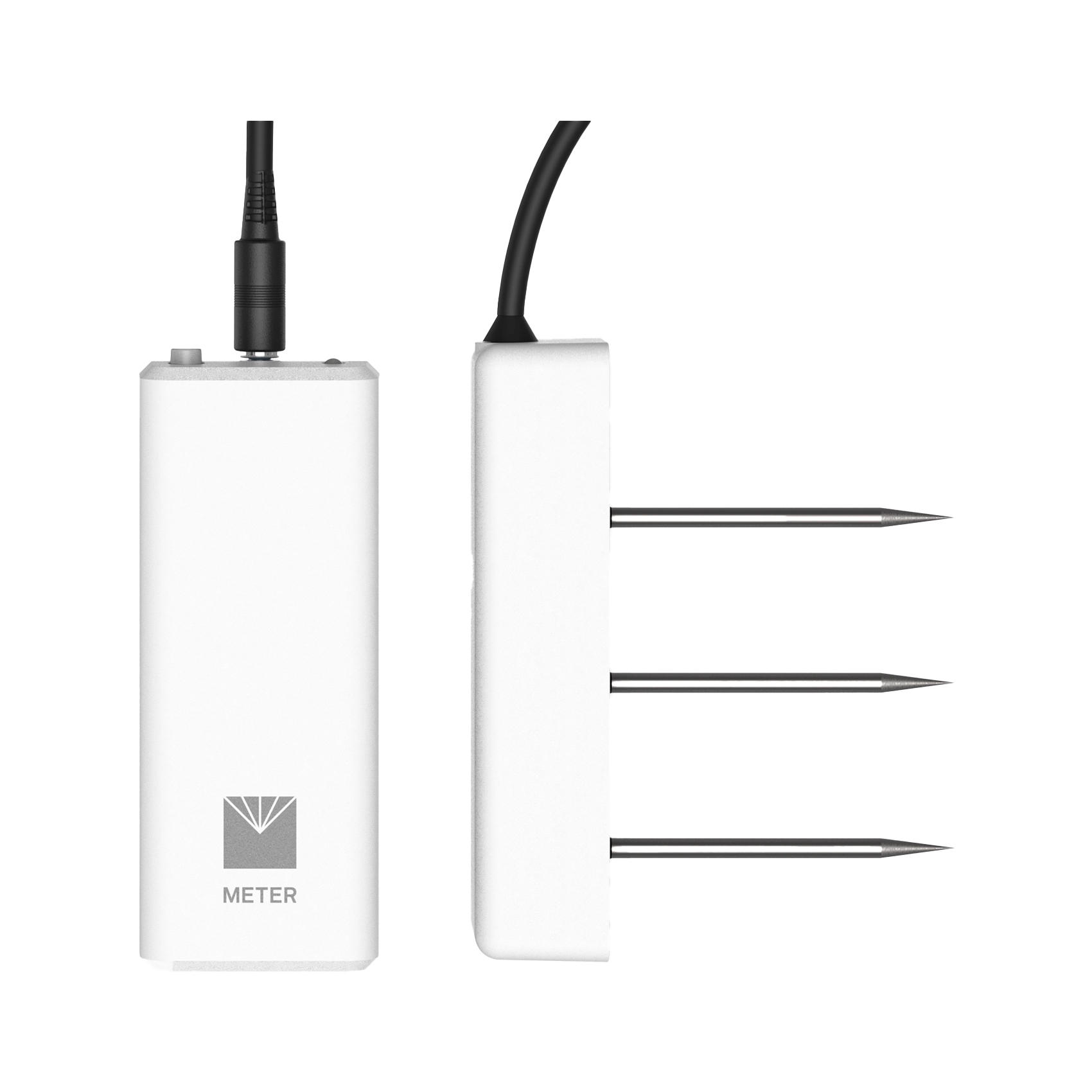
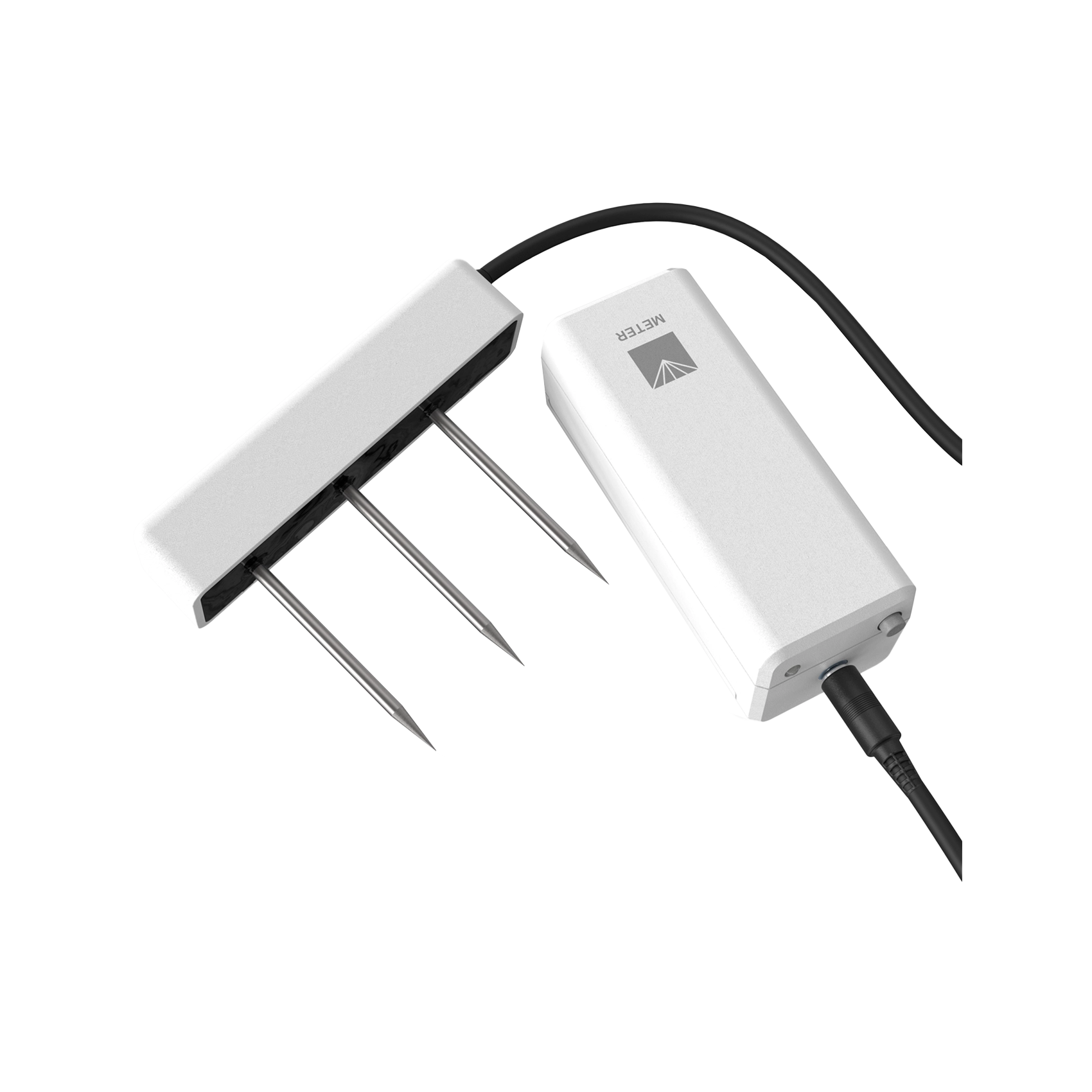
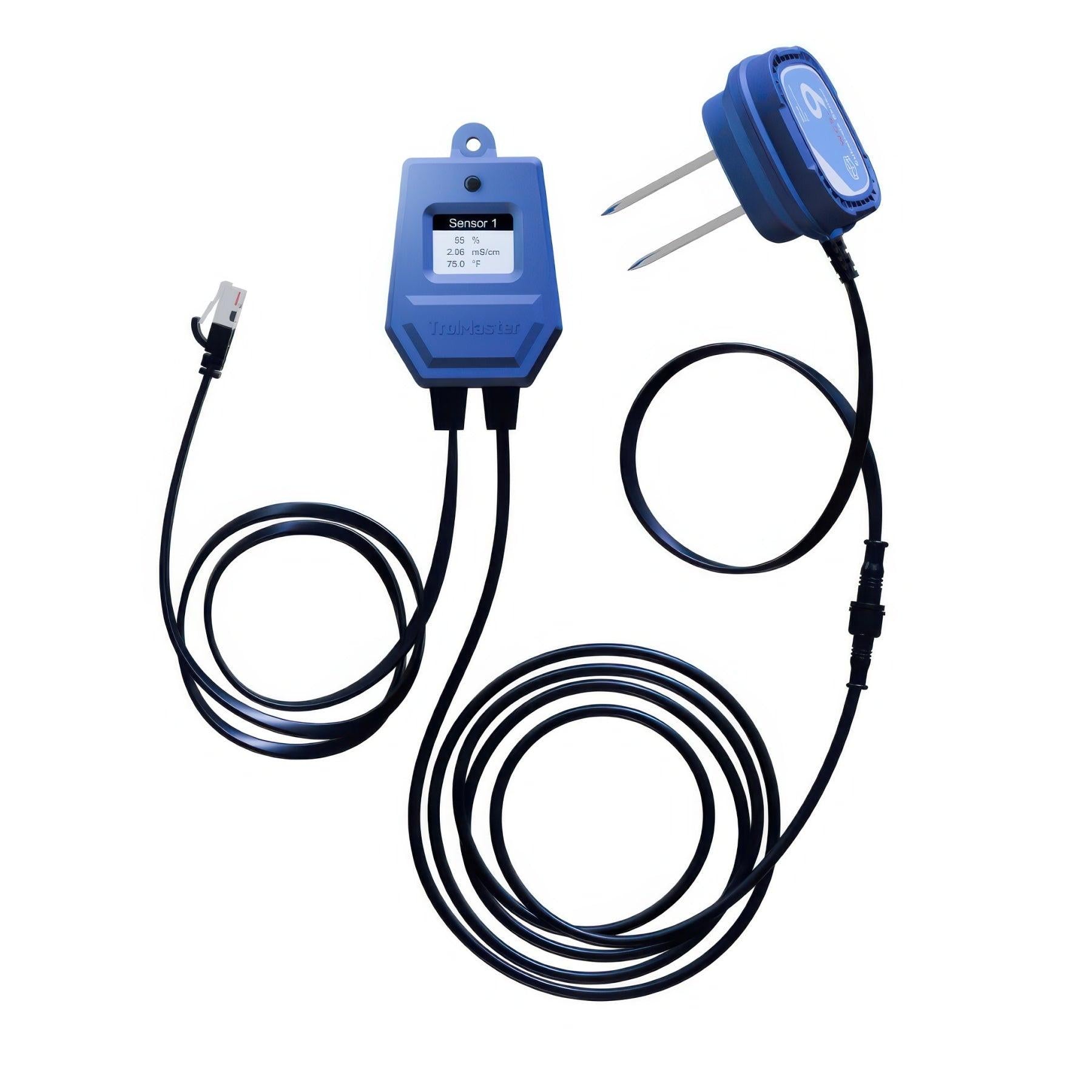
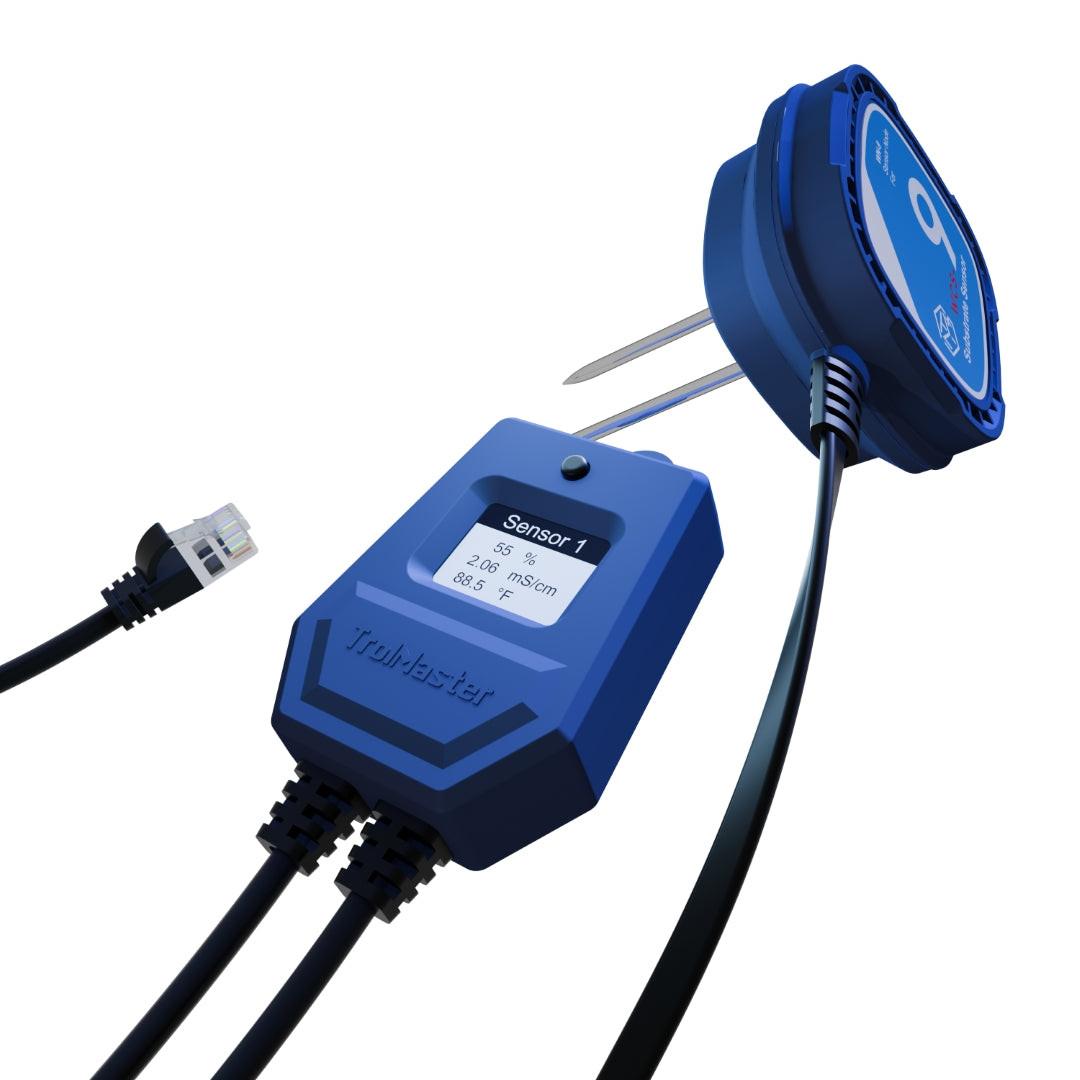
Handheld analog moisture meters use two metal probes inserted into the growing medium -- the electrical resistance between the probes correlates to moisture content and displays on a simple scale. Inexpensive and useful for a quick check, but not precise enough for calibrated VWC readings. Digital handheld sensors (like the Apogee or Meter Group probes) provide accurate VWC percentages suitable for crop steering dry-back management. Continuous wireless sensors insert permanently into the growing medium and log VWC, EC, and temperature in real time -- these are the professional standard for commercial coco and rockwool production where continuous monitoring enables irrigation automation and eliminates manual daily checks. Bluelab and Meter Group (TEROS series) produce the most widely used continuous sensors for indoor production.
Using Moisture Data for Crop Steering
In coco coir and rockwool growing programs, substrate VWC management is the primary lever for crop steering. The target dry-back percentage (the VWC drop from post-irrigation peak to pre-irrigation trough) determines whether plants are steered toward vegetative or generative growth. A 10-15% VWC dry-back steers generatively; a 3-7% dry-back steers vegetatively. Without accurate moisture data, executing these targets requires experienced intuition; with a continuous VWC sensor, the data is explicit and repeatable. See our updated crop steering and irrigation guide for full dry-back targets and VWC management guidance. Fast shipping.
Soil Moisture Meters FAQ
What is the difference between a basic soil moisture meter and a VWC sensor?
Basic analog soil moisture meters (the inexpensive two-probe units) measure electrical resistance between the probes and display a general wet/dry/ideal reading on a simplified scale -- useful as a rough indicator but not calibrated to actual volumetric water content percentages. VWC (volumetric water content) sensors from Meter Group, Bluelab, and similar brands measure the dielectric permittivity of the substrate and report actual percentage water content by volume. VWC readings are calibrated, repeatable, and precise enough for crop steering programs that target specific dry-back percentages. For casual checking, basic meters suffice; for precision irrigation management and crop steering, a calibrated VWC sensor is the appropriate tool.
What VWC percentage should coco coir be at?
Target starting VWC (field capacity, immediately after irrigation) for coco coir: 55-70% VWC depending on container size and coco/perlite ratio. Minimum VWC (dry-back trough, just before the next irrigation event) varies by growth stage and steering target: vegetative steering 40-50% VWC (minor dry-back), generative/flowering steering 35-45% VWC (more significant dry-back). These targets vary by source and grow team -- some commercial operators use different reference VWC ranges based on their specific coco mix and irrigation system characteristics. Use your sensor data to establish the range that produces your target plant response rather than applying generic numbers without calibration to your specific setup.
Can I use a soil moisture meter in rockwool?
Yes -- VWC sensors from Meter Group (TEROS 12) and Bluelab are calibrated for use in rockwool as well as coco coir and soil. Basic analog probe meters are not effective in rockwool because the material's fiber structure does not provide reliable electrical contact for resistance-based measurement. For rockwool slab monitoring in commercial programs, the TEROS 12 sensor inserted into the center of the slab provides continuous VWC, temperature, and EC measurements -- the standard data set for commercial rockwool crop steering.
How often should I check soil moisture in a coco grow?
For hand-watered programs: check before each irrigation event to confirm the medium has dried back to the target VWC trough before re-watering. Daily at minimum, multiple times per day during peak flowering in warm environments where evapotranspiration is high. For automated drip programs with a continuous VWC sensor: the sensor logs continuously and alerts when dry-back targets are reached -- eliminating manual checks entirely. Commercial coco programs using continuous sensors typically review the previous 24-hour moisture data daily and adjust irrigation frequency or volume based on how well the actual dry-back curve matched the target.
Do soil moisture meters work in hydroponic systems?
Standard soil moisture meters are designed for solid growing media (soil, coco coir, rockwool, perlite) and are not applicable to fully aquatic hydroponic systems like DWC or NFT where roots float directly in nutrient solution. In DWC systems, the relevant metrics are dissolved oxygen, EC, pH, and temperature -- not substrate moisture content. Substrate VWC sensors are relevant for any system where plants grow in a solid medium: coco drip, rockwool slab, perlite bag, or soil container. If your system uses a solid growing medium regardless of irrigation method, VWC monitoring applies and provides useful irrigation management data.