Organic Nutrients for Indoor Growing
Organic nutrients derive their plant nutrition from biological and mineral sources -- fish meal, blood meal, kelp extract, bone meal, humate complexes, composted materials, and similar inputs -- rather than synthetically manufactured mineral salts. In indoor growing, organic nutrient programs offer a different growing philosophy: feeding the soil biology that in turn makes nutrients available to plants, building the root zone ecosystem that supports long-term plant health, and avoiding the synthetic salt accumulation that can occur in heavily fertilized growing media. For growers using soil, living soil, or heavily amended soilless mixes, organic programs are a natural fit and can produce excellent results at lower risk of salt-related issues than synthetic programs at equivalent feeding rates.
Organic Nutrients for Soil vs. Hydroponics
Organic nutrients are most effective in growing media with active microbial communities -- soil, peat-based mixes, amended coco coir with beneficial inoculants. The organic inputs feed microorganisms that break down complex organic molecules into plant-available mineral ions; without active biology, organic nutrients are largely unavailable to plant roots. In sterile hydroponic systems (DWC, NFT, rockwool drip), organic nutrients can foul the water, clog emitters, reduce dissolved oxygen, and feed pathogens rather than providing plant nutrition. Synthetic mineral nutrients are the appropriate choice for sterile hydroponic systems. Some partial organic programs -- using OMRI-listed liquid organics at low rates in coco with beneficial bacteria -- bridge the two approaches but require more careful system management.
OMRI-Certified Organic Nutrients
OMRI (Organic Materials Review Institute) certification verifies that a product meets USDA National Organic Program standards for use in certified organic production. For growers pursuing organic certification -- whether for commercial vegetable production, specialty crops, or personal commitment to organic practice -- OMRI-listed nutrients are the standard for verified compliance. ARBICO Organics products and other OMRI-listed brands at Hydrobuilder are verified for compliance with organic production standards. For commercial growers seeking organic certification, work with your certifying agency to confirm which specific products are approved for your operation. Fast shipping.
Organic Nutrients FAQ
Can I use organic nutrients in a hydroponic system?
Generally not recommended for recirculating or drip hydroponic systems. Organic inputs contain particulate matter and biological compounds that clog drip emitters, create biofilm in tubing and reservoirs, reduce dissolved oxygen, and can feed pathogens rather than plants in the absence of a living soil ecosystem. For soil and heavily amended container programs with active beneficial biology, organic nutrients work well. For sterile hydroponic systems (DWC, NFT, rockwool drip, coco without biology), synthetic mineral nutrients are the correct approach. Some growers use small amounts of fully water-soluble organic liquid inputs (fish hydrolysate, kelp extract) at low rates in coco with beneficial bacteria inoculants, but this is a hybrid approach requiring careful management.
What is OMRI certification and why does it matter?
OMRI (Organic Materials Review Institute) independently reviews products against the USDA National Organic Program standards and lists those that comply as OMRI Certified Organic. For commercial growers pursuing USDA Organic certification, using OMRI-listed inputs is the primary mechanism for demonstrating compliance to their certifying agency. For hobby growers who want to practice organic cultivation without commercial certification, OMRI listing provides third-party verification that a product contains only approved organic inputs -- useful for growers who want verified products rather than relying on marketing claims. Not all organically appropriate products carry OMRI listing; organic plant extracts and naturally derived inputs without synthetic processing may be organically appropriate but not formally reviewed.
Are organic nutrients slower to work than synthetic nutrients?
Yes -- organic nutrients typically work on a slightly slower timeline than synthetic nutrients because most organic inputs require microbial breakdown before plant uptake. Applied to healthy, active soil, most organic nutrients become significantly plant-available within 2-5 days. Liquid organic extracts (fish hydrolysate, kelp extract, humic acid) are more immediately available than dry organic amendments because the processing has already partially broken down complex molecules. The practical impact of this slower availability is most significant during the first week after transplanting into a new organic program, when establishing the microbial ecosystem that drives nutrient availability is critical.
What organic nutrient brands does Hydrobuilder carry?
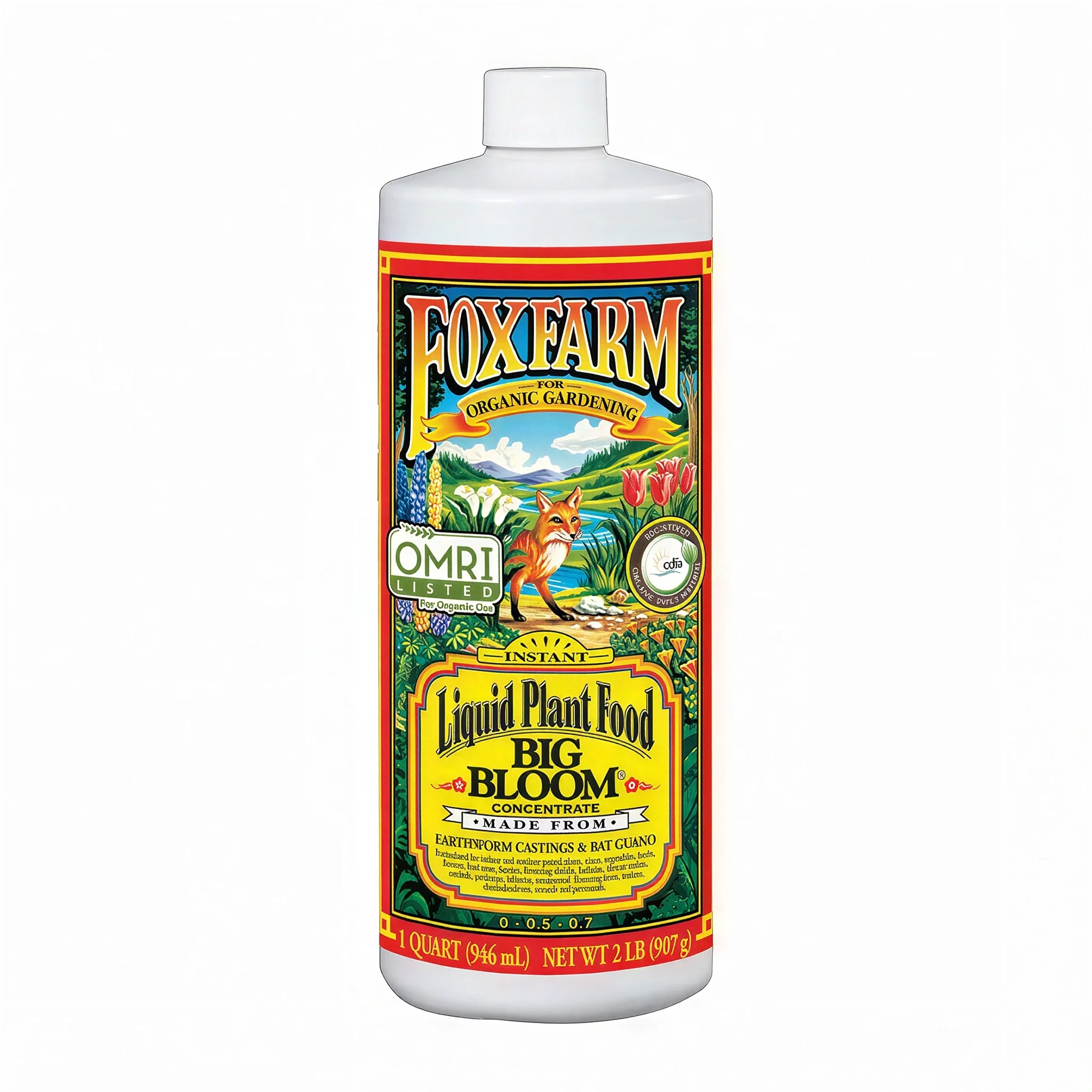
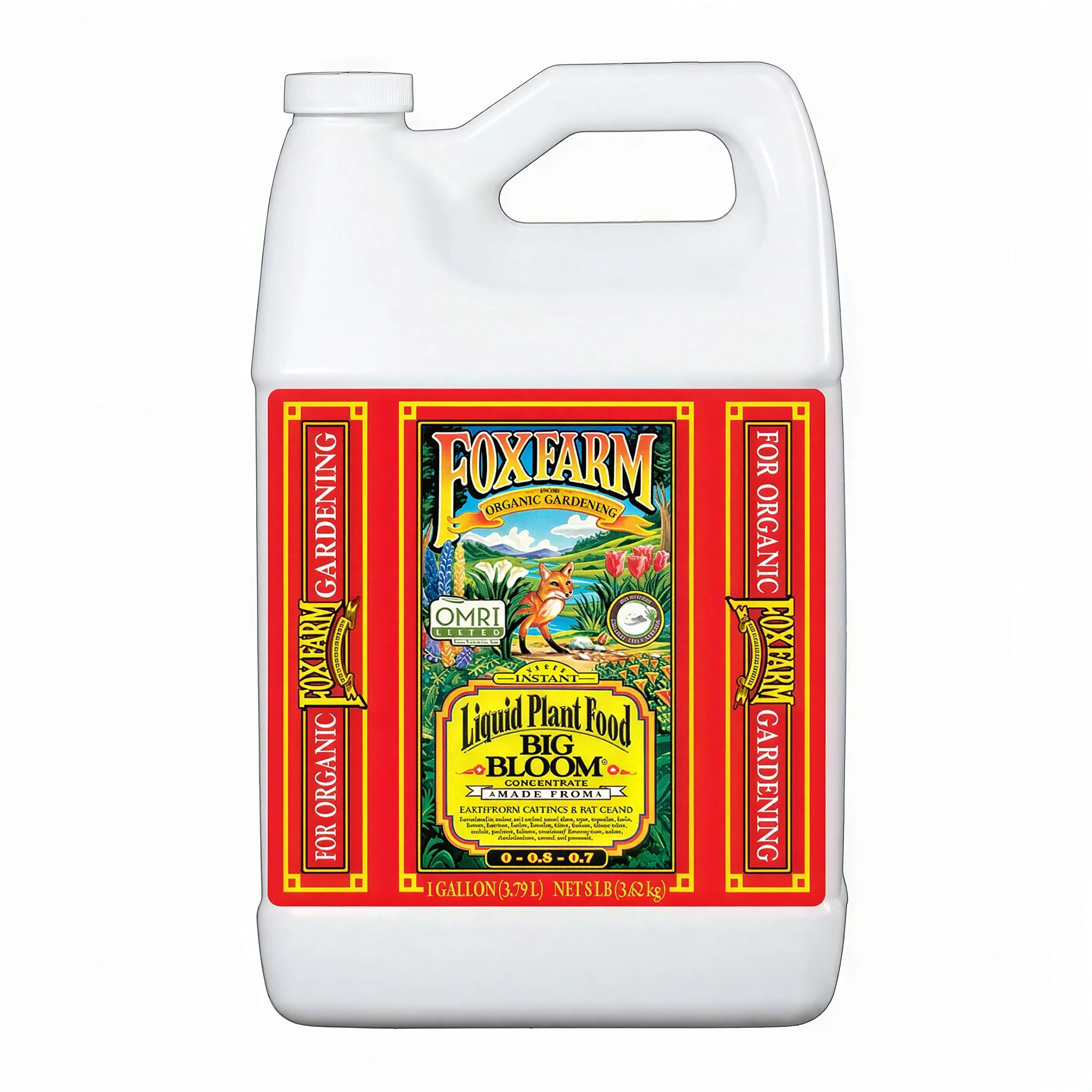
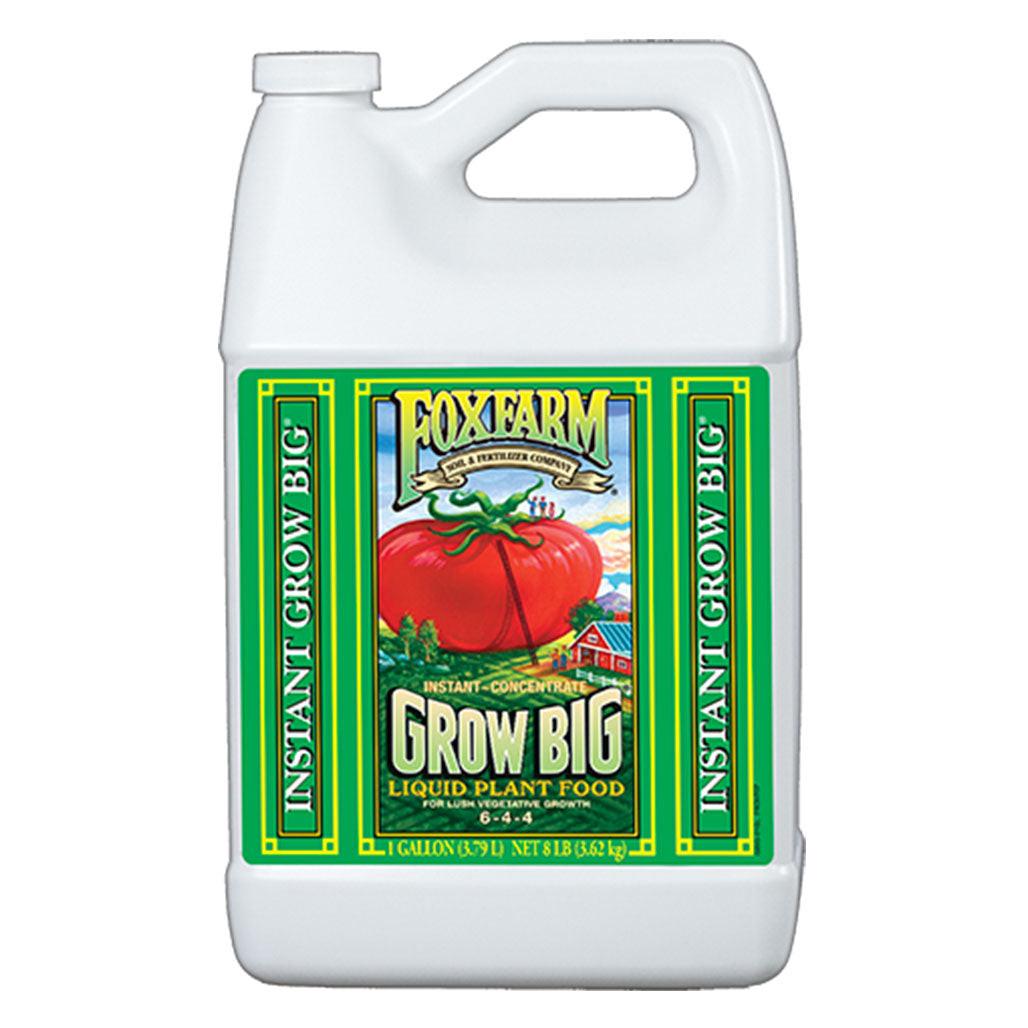
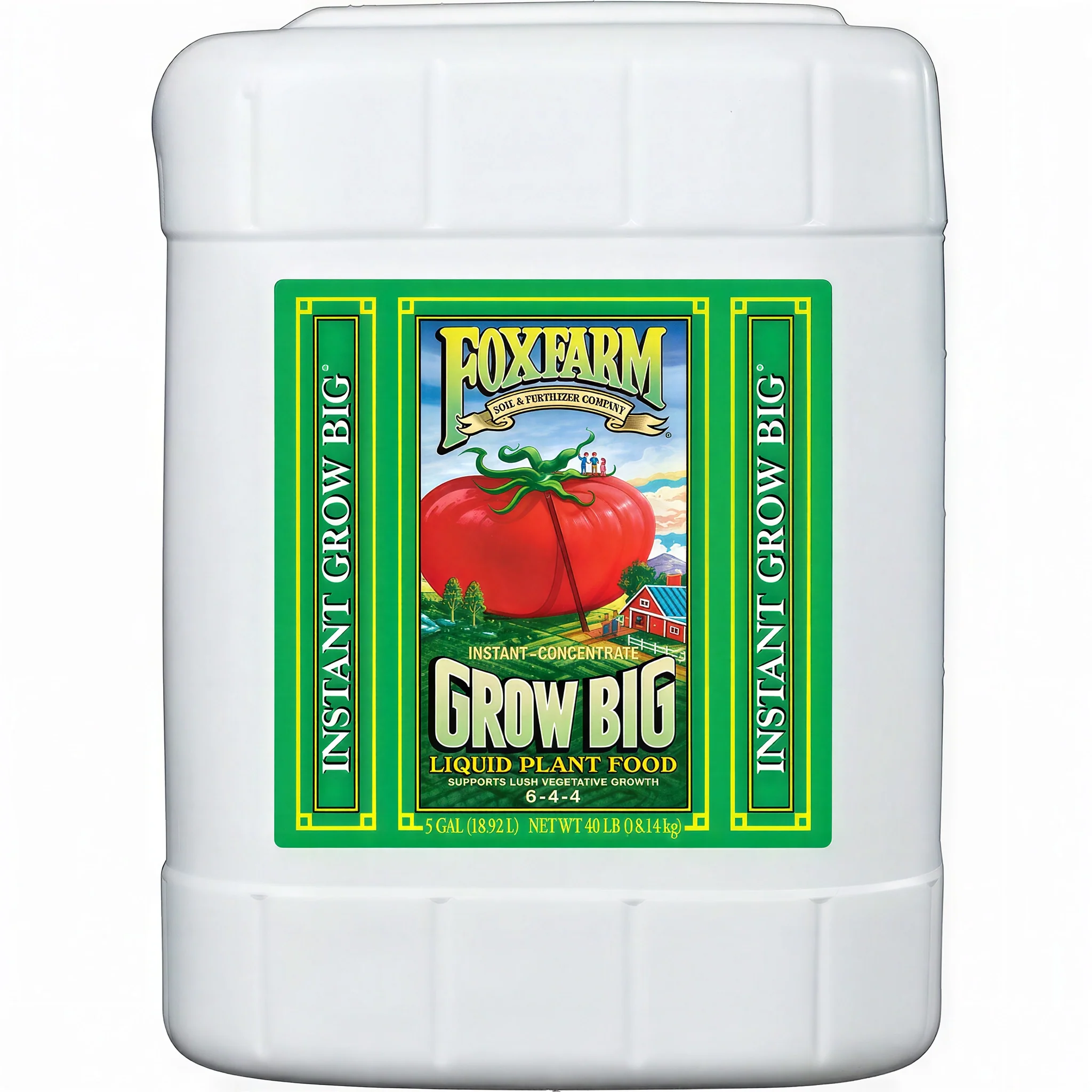
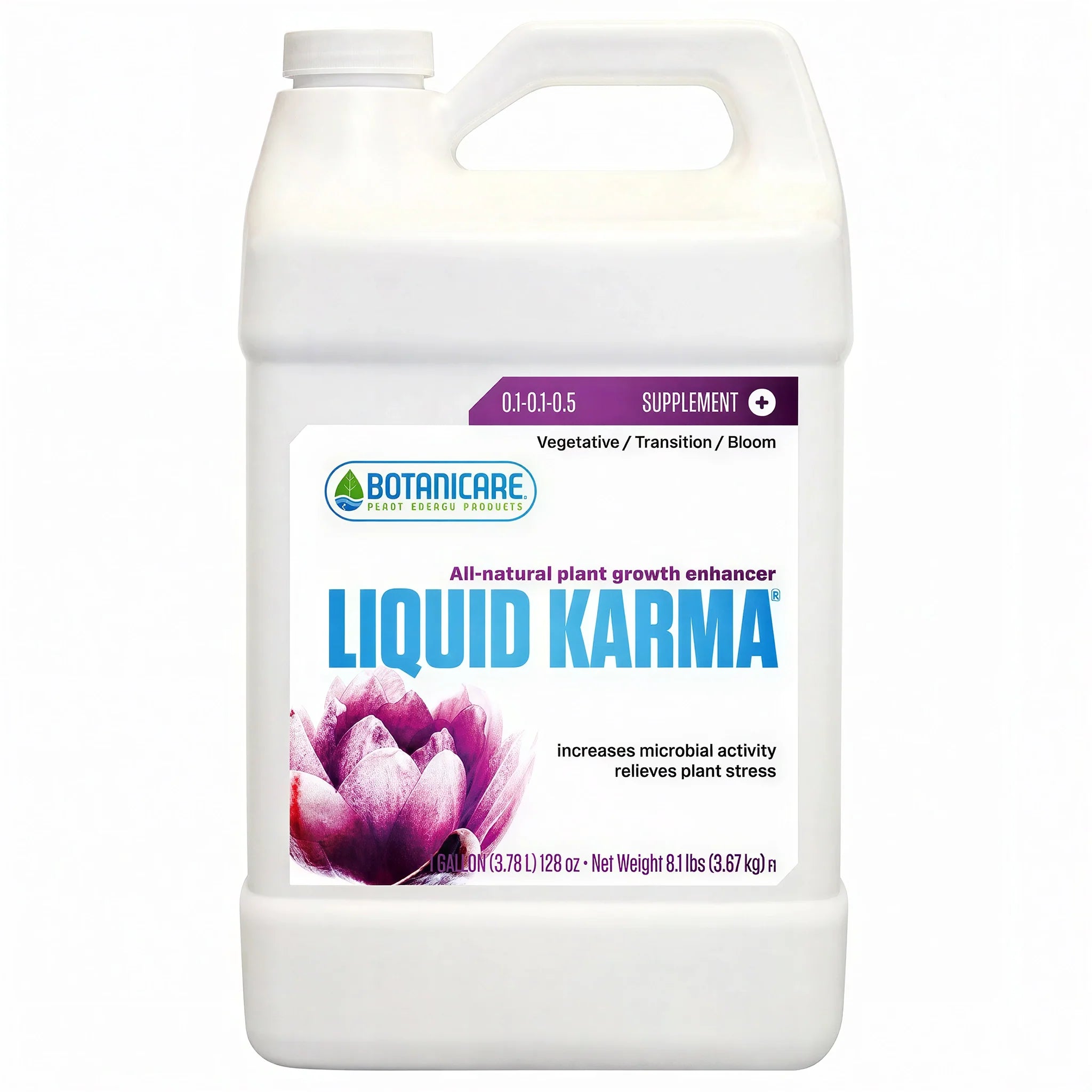
Hydrobuilder carries a range of organic and organic-compatible nutrient products including ARBICO Organics (OMRI-listed pest control and plant care), Nectar for the Gods (calcium-forward organic program for soil), Fox Farm (Ocean Forest Trio and Big Bloom organic options), General Organics (GO Box -- organic line from General Hydroponics), and various OMRI-listed single-input products including bat guano, seabird guano, kelp meal, and bone meal. Browse the full organic nutrients collection for the complete lineup.
Do organic nutrients require different pH targets than synthetic?
Yes -- organic soil programs generally target a higher pH range (6.0-7.0) than synthetic hydroponic programs (5.5-6.2). The higher pH range supports the soil microbial activity that processes organic inputs into plant-available forms. At pH below 6.0, some beneficial soil organisms become less active, reducing the organic nutrient availability that the program depends on. For soil and living soil programs using organic nutrients, pH in the 6.3-6.8 range is a common target. Use a calibrated pH meter to verify your irrigation water and runoff pH when running organic programs in container soil.