Mushroom Growing Supplies -- Substrate, Spawn & Kits
Mushroom cultivation shares significant infrastructure overlap with indoor plant growing -- climate control, humidity management, sterile technique, and controlled environment growing principles all apply -- making Hydrobuilder a natural source for the equipment and supplies mushroom growers need. Whether you are starting with a beginner all-in-one grow kit, building a dedicated fruiting chamber for oyster or shiitake production, or setting up a commercial-scale mushroom production facility, the same grow tents, humidity equipment, climate controllers, and environmental sensors used for indoor plant production provide the controlled environment that productive mushroom cultivation requires.
Equipment Shared with Indoor Plant Growing
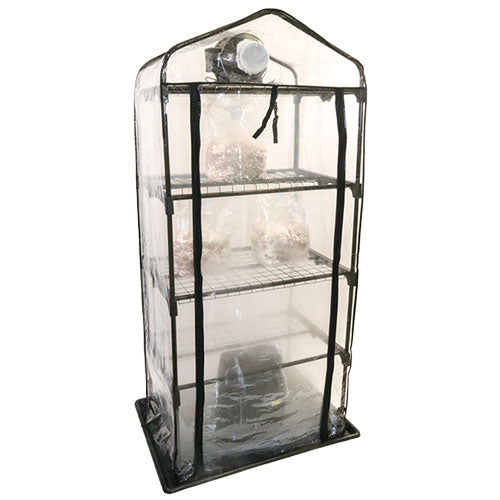
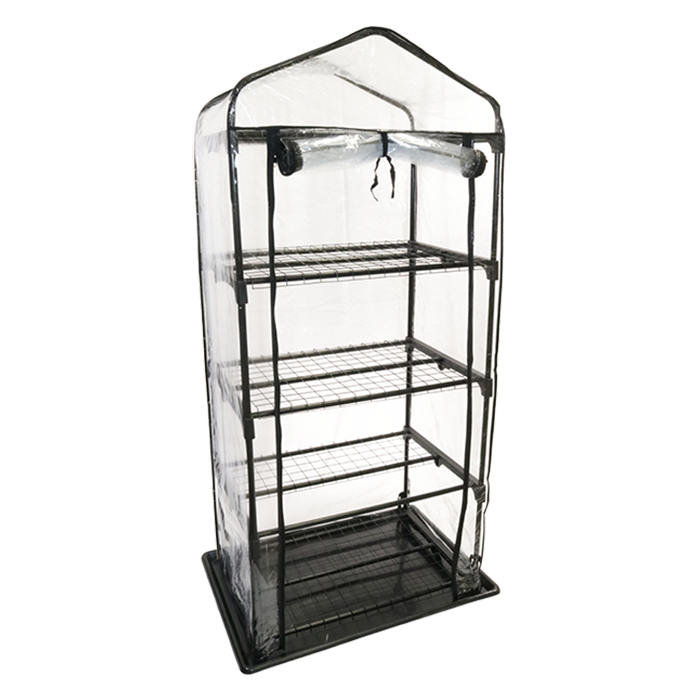
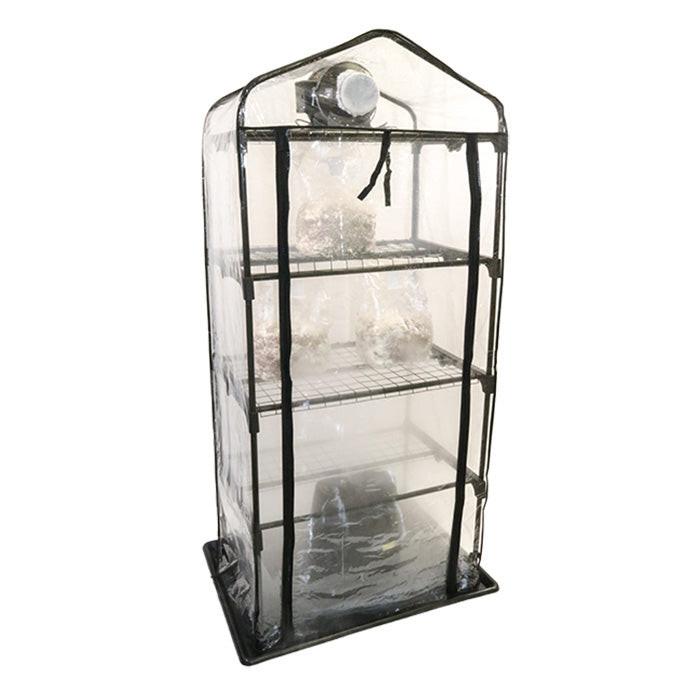
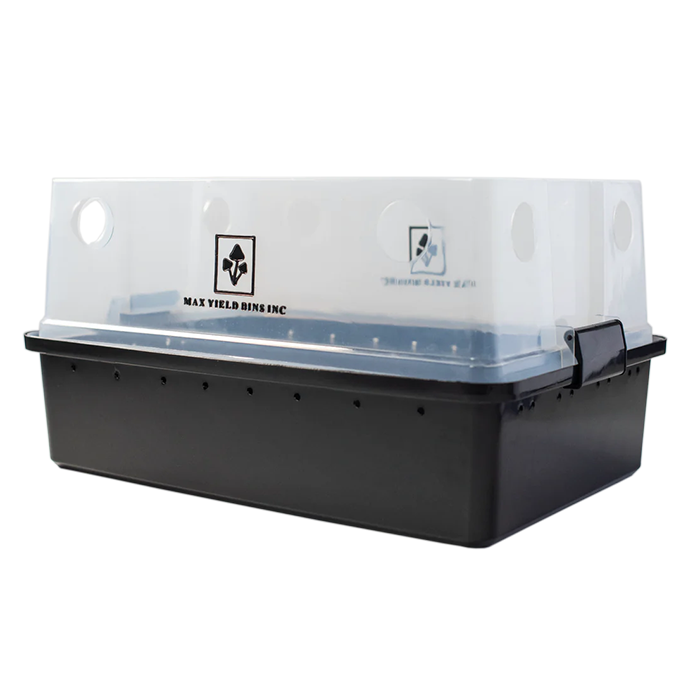
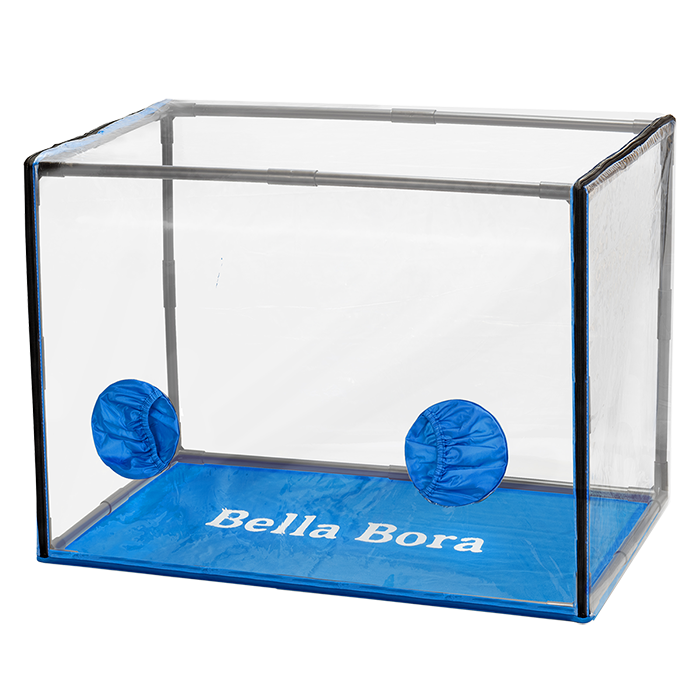
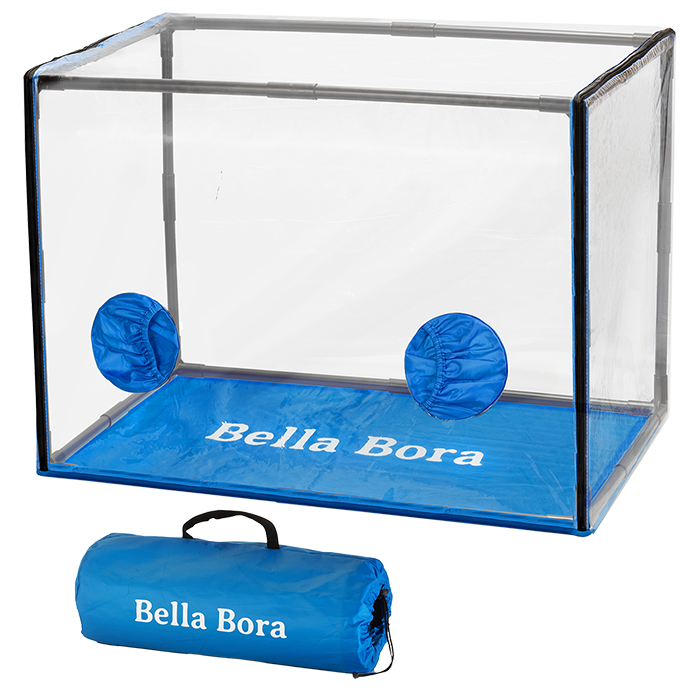
Most of the environmental control equipment for mushroom cultivation is identical to indoor plant growing equipment. Grow tents provide a contained, humidity-retentive enclosure for fruiting chambers -- a 4x4 or 4x8 tent is a common fruiting tent format. Humidifiers are essential for maintaining the 85-95% RH that mushroom fruiting requires -- ultrasonic humidifiers from Ideal-Air and Active Air work well in fruiting enclosures. Fans for air exchange (fresh air exchanges are critical to prevent CO2 accumulation that suppresses fruiting bodies and causes elongated stems) use the same inline fans and oscillating circulation fans as plant grows -- at much lower intensity, as mushrooms need gentle air movement rather than the vigorous canopy airflow plants require. Temperature and humidity monitoring with digital sensors keeps conditions in the fruiting sweet spot for each mushroom variety.
Mushroom-Specific Supplies
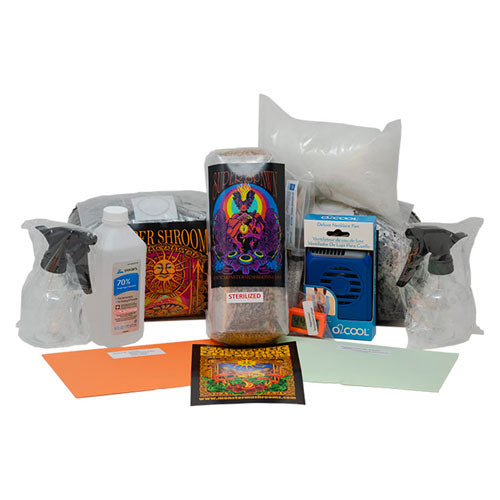
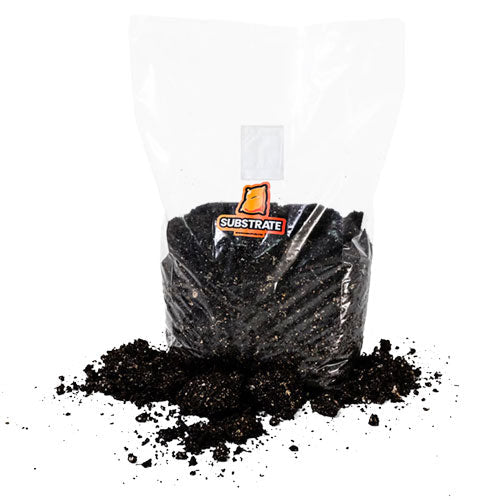
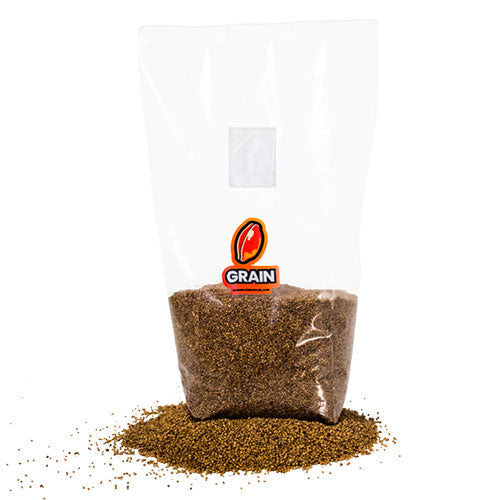
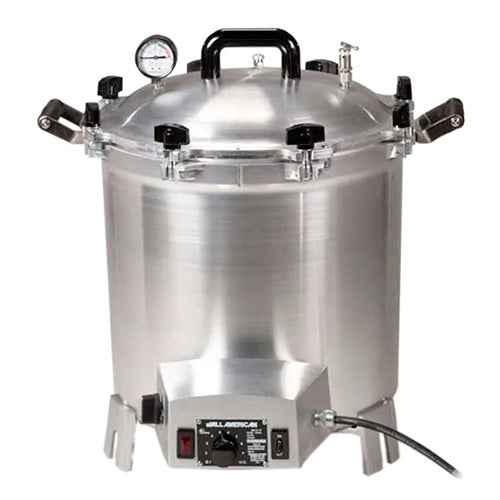
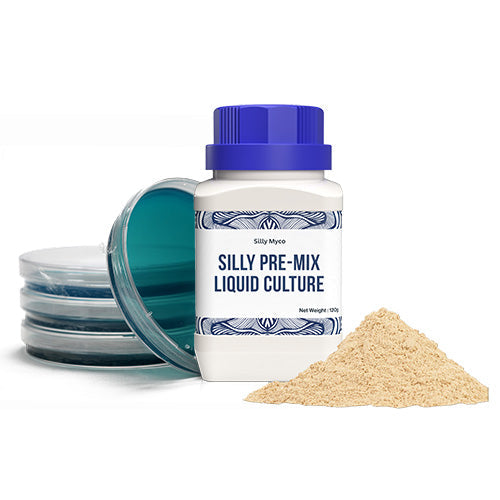
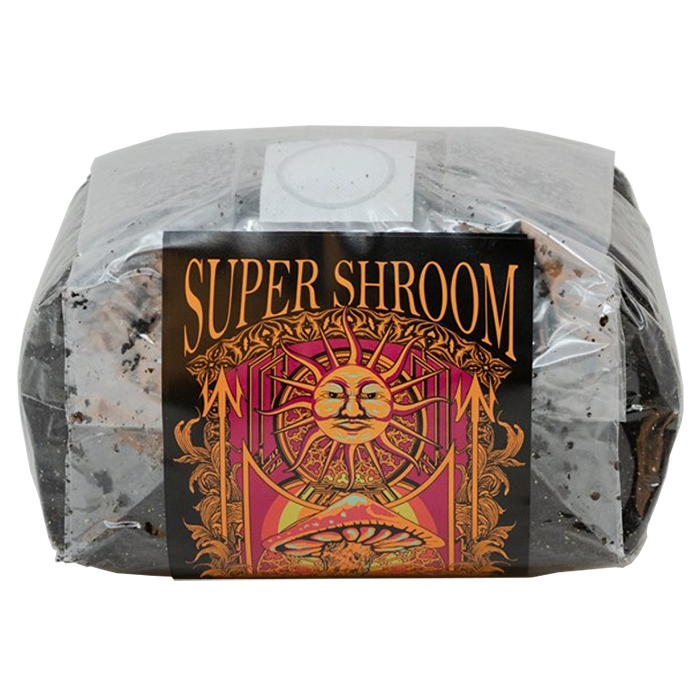
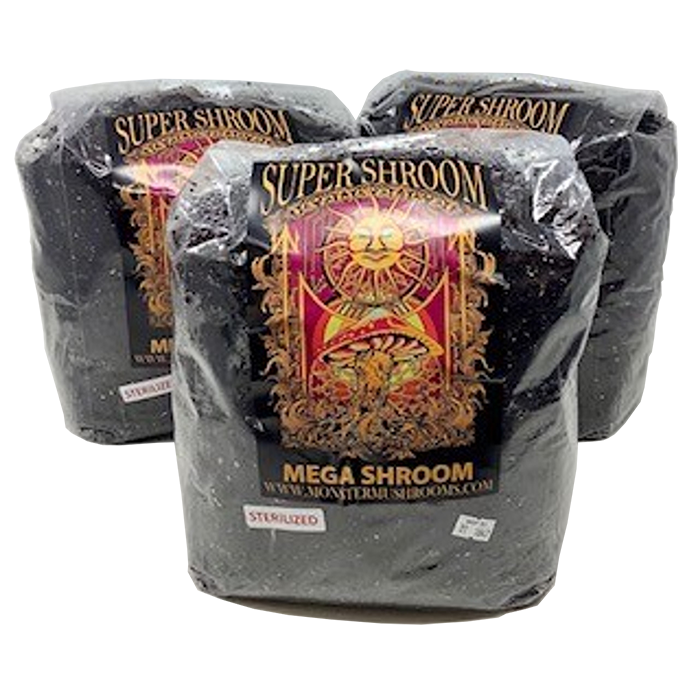
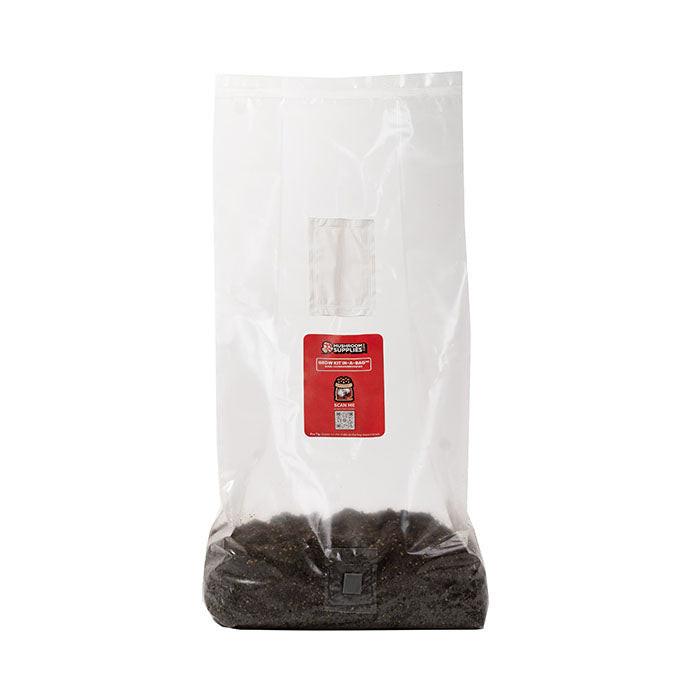
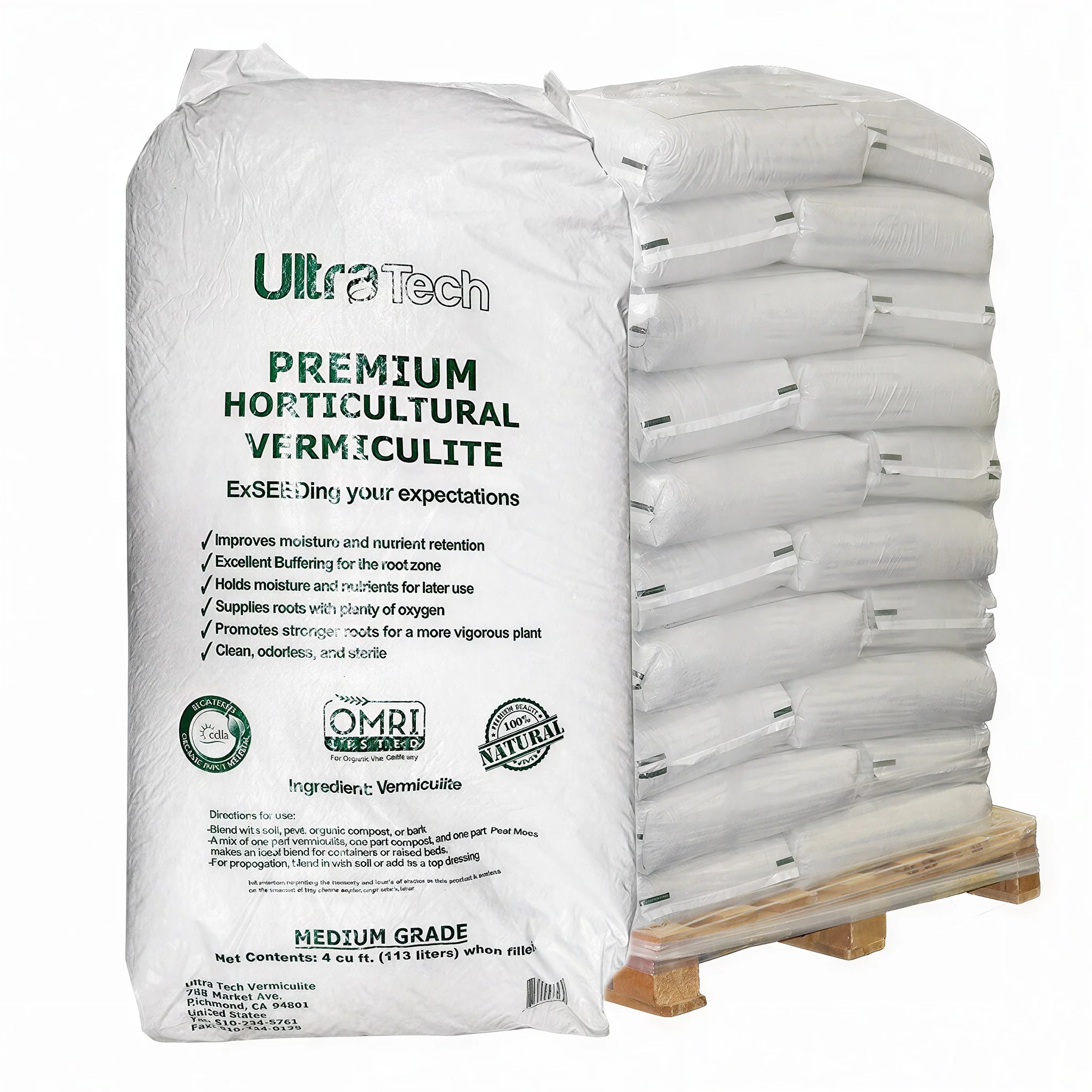
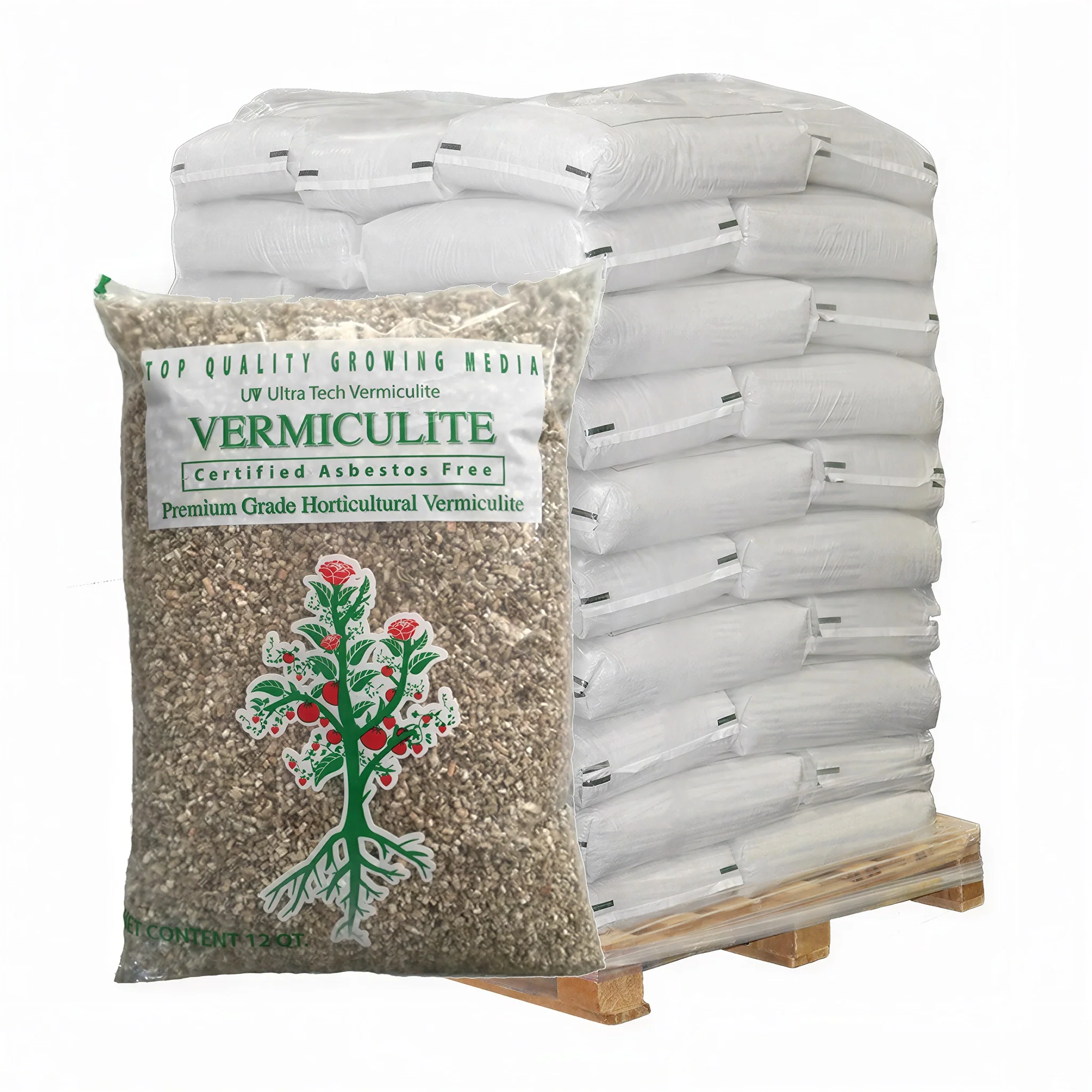
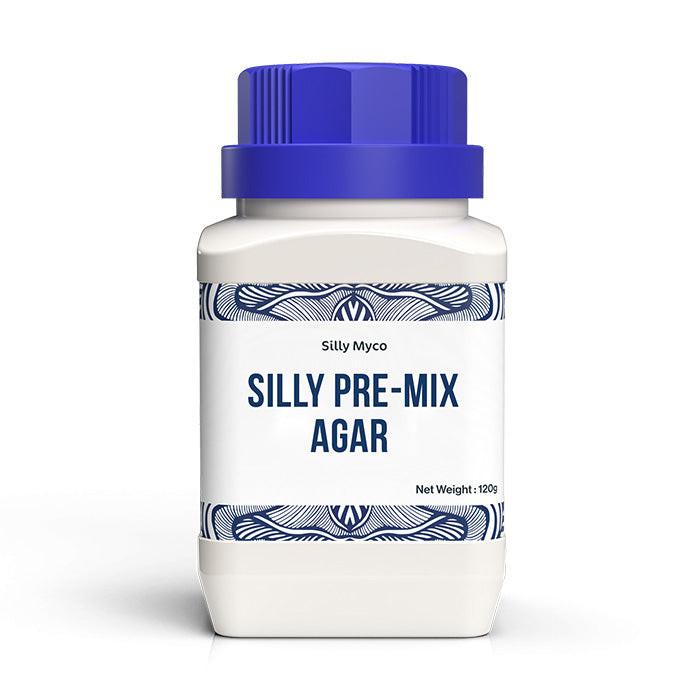
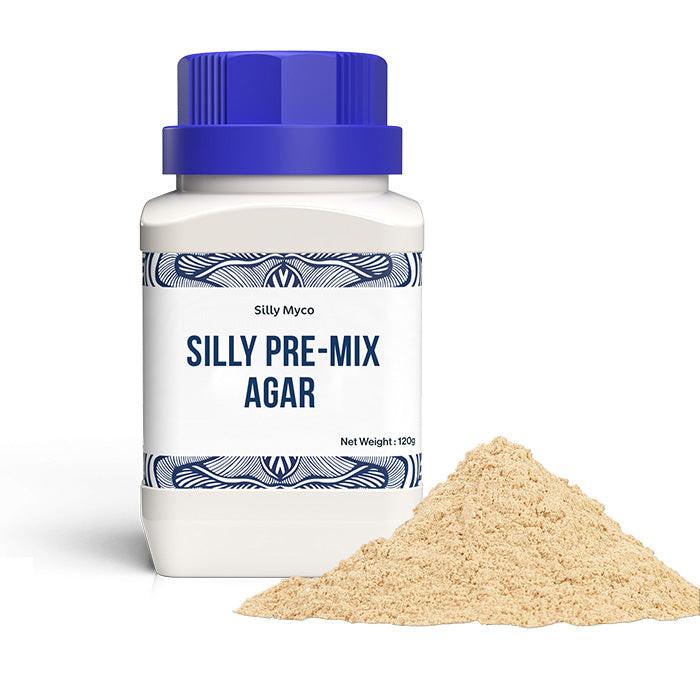
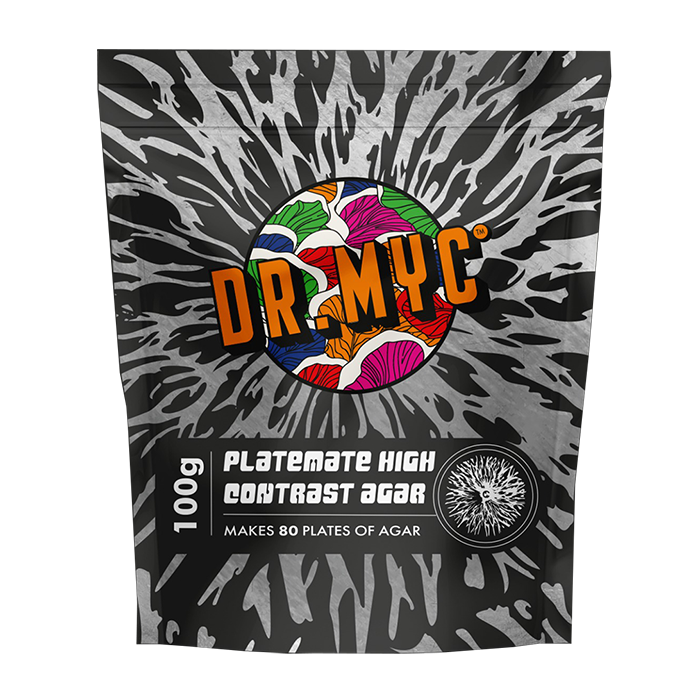
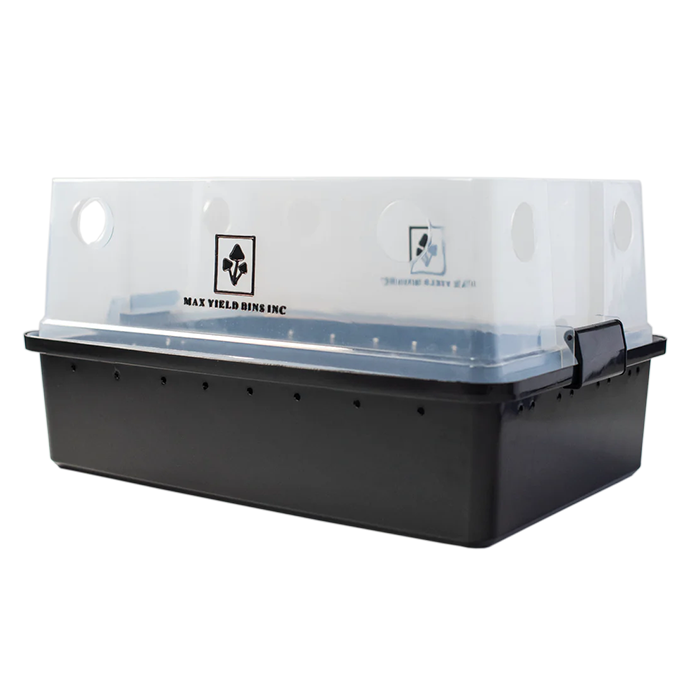
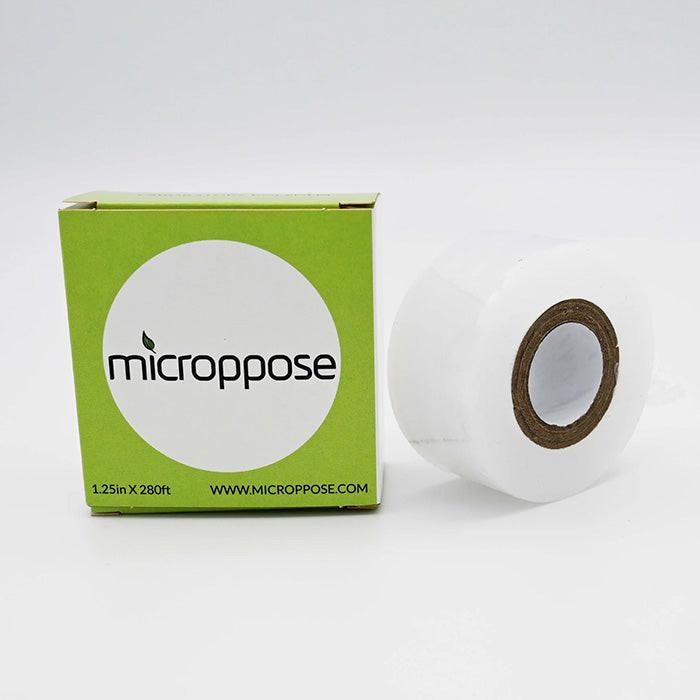
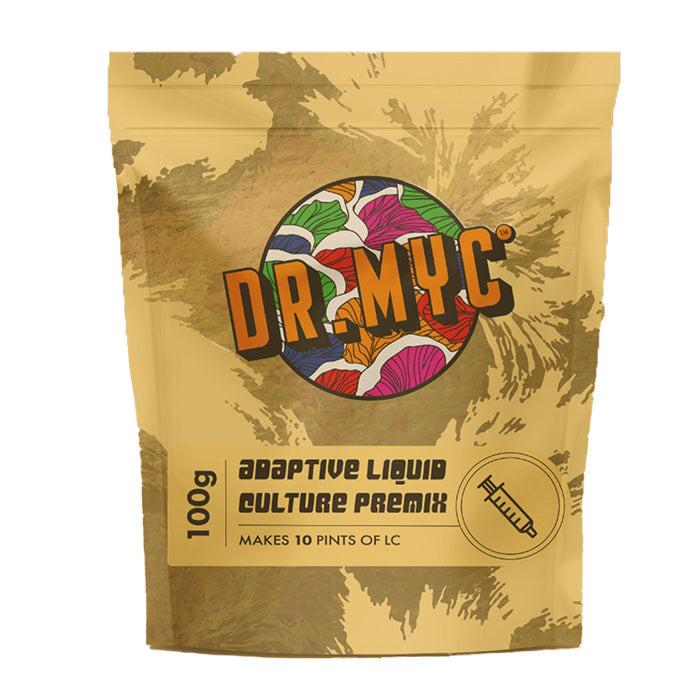
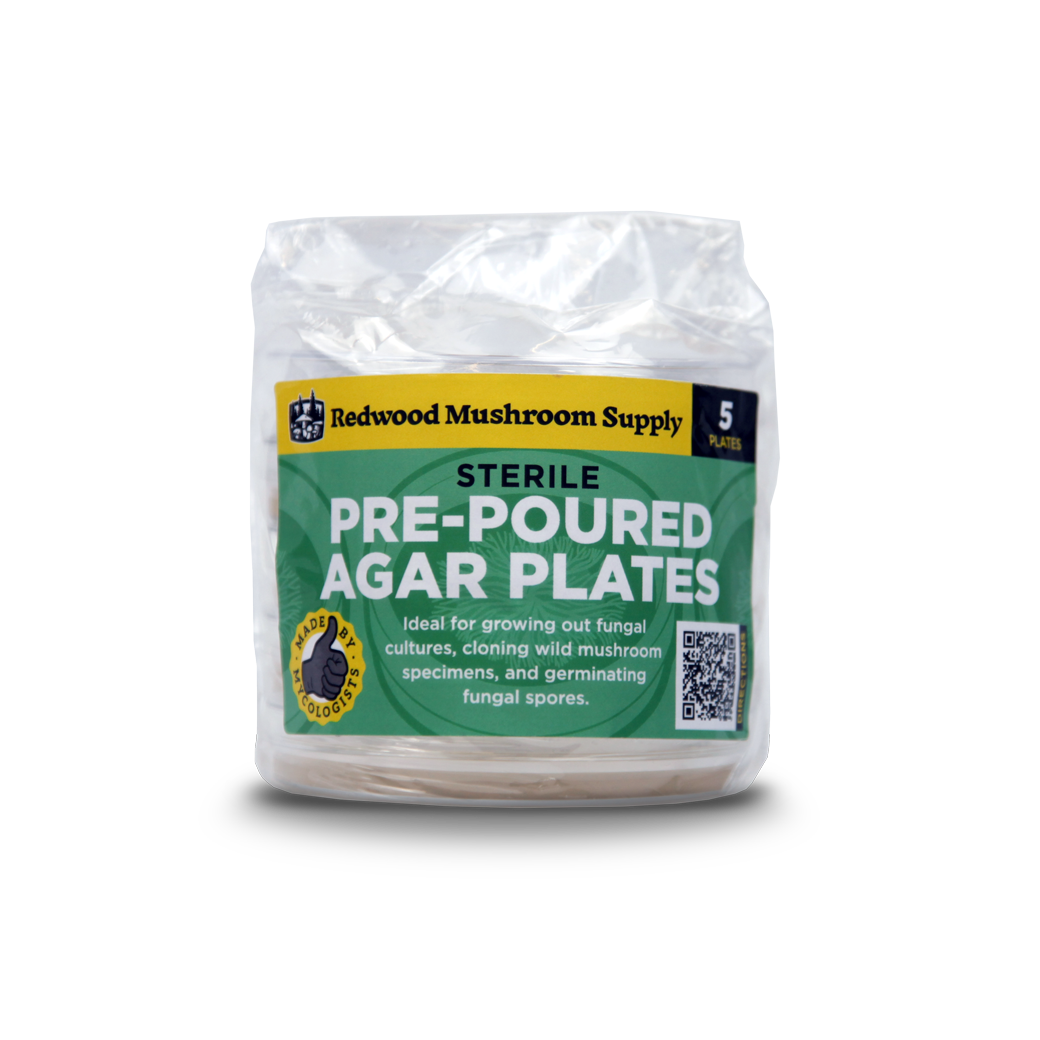
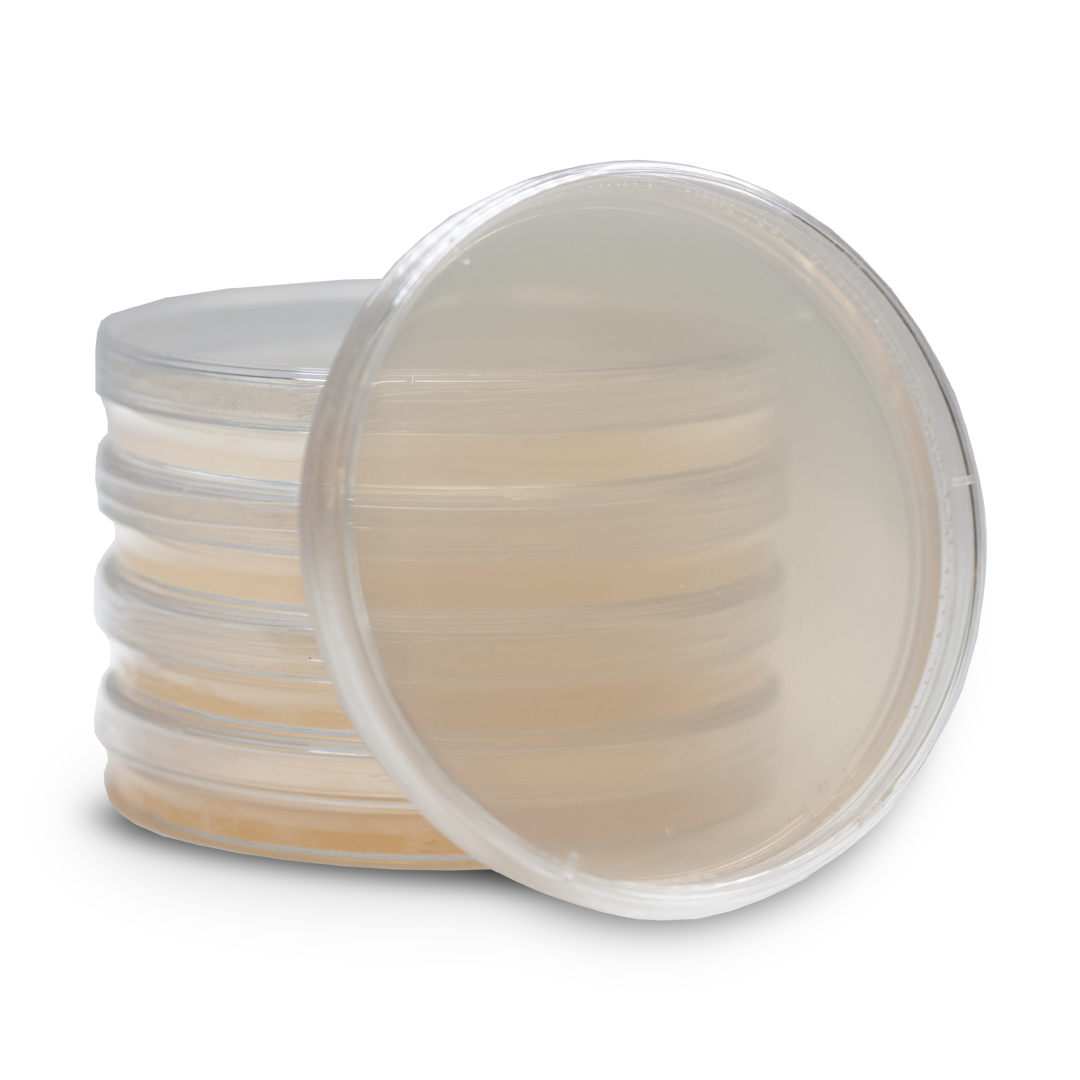
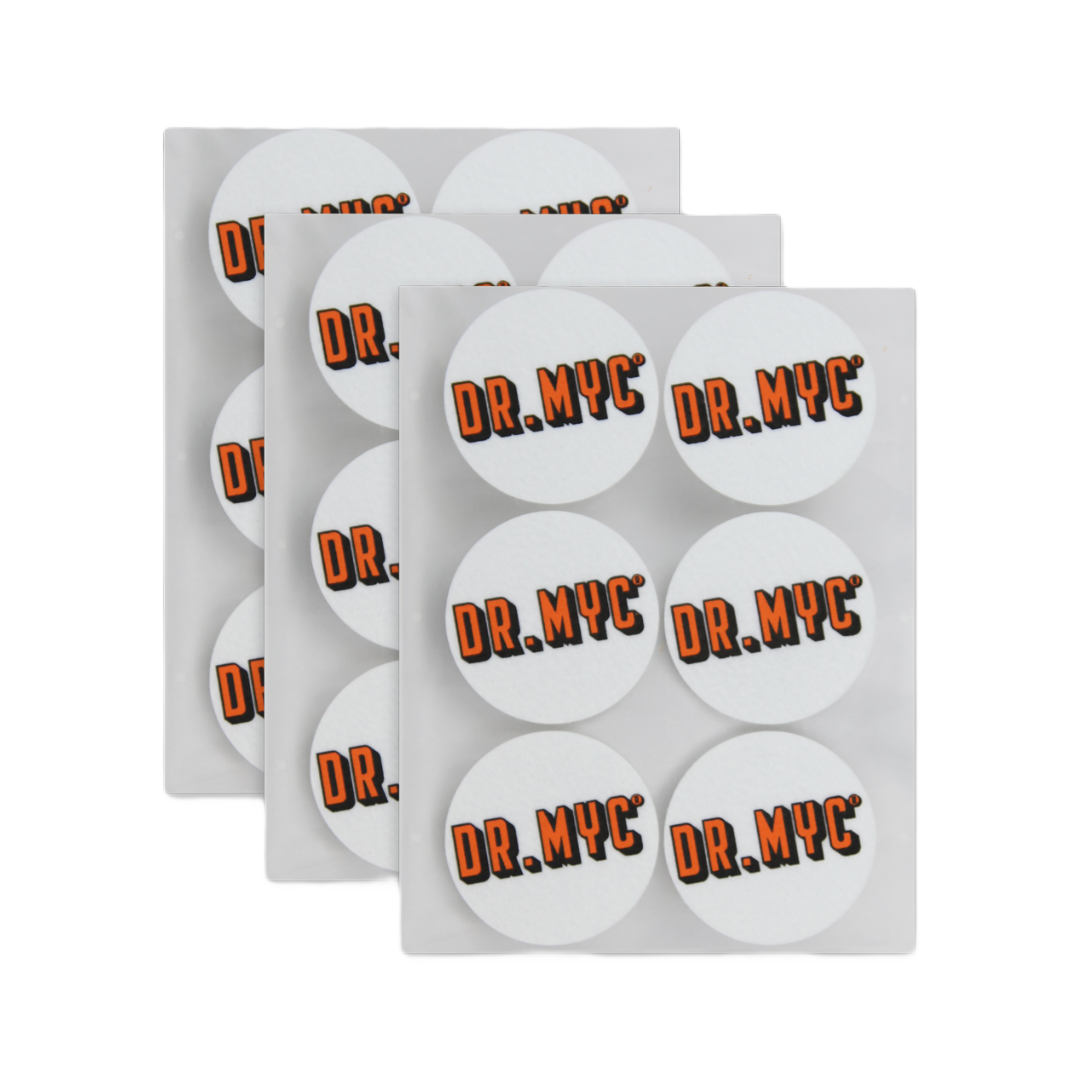
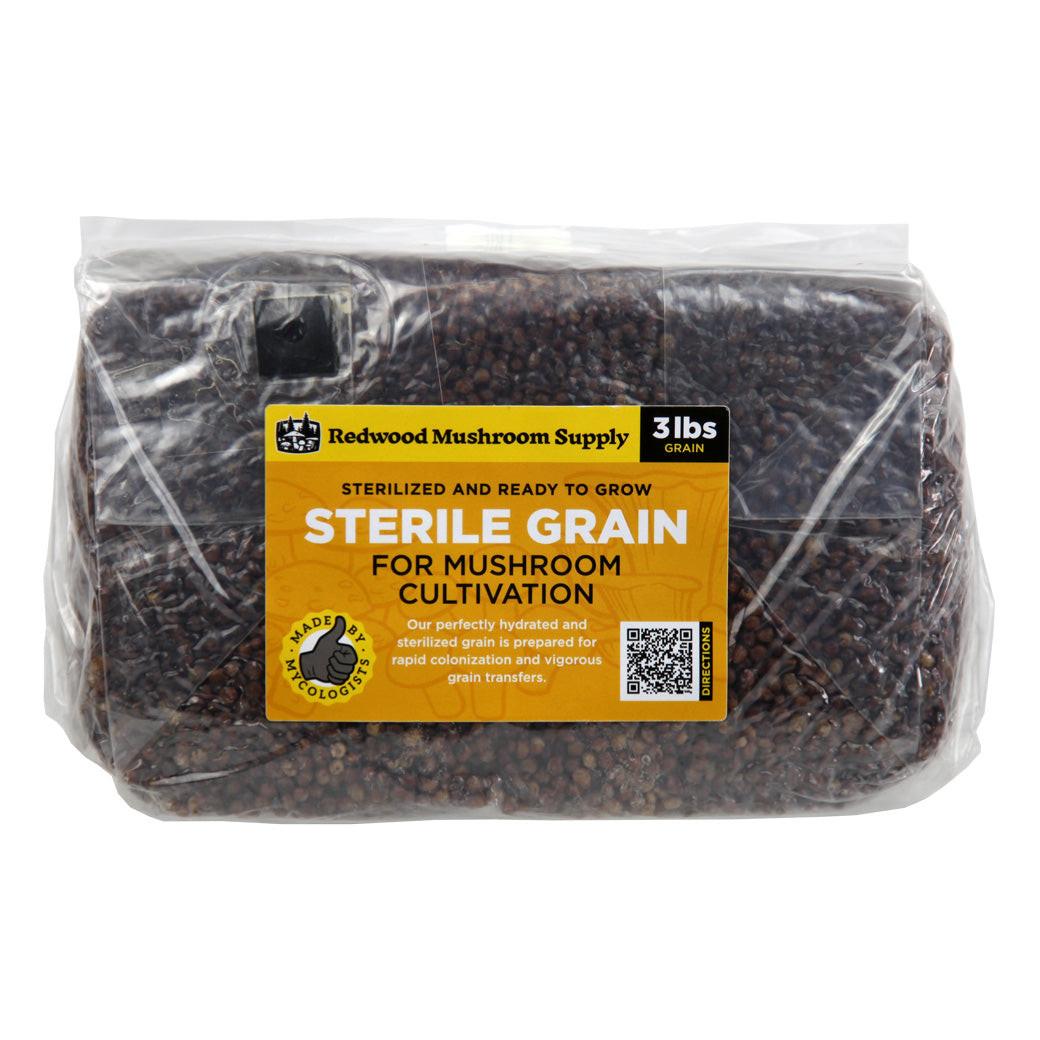
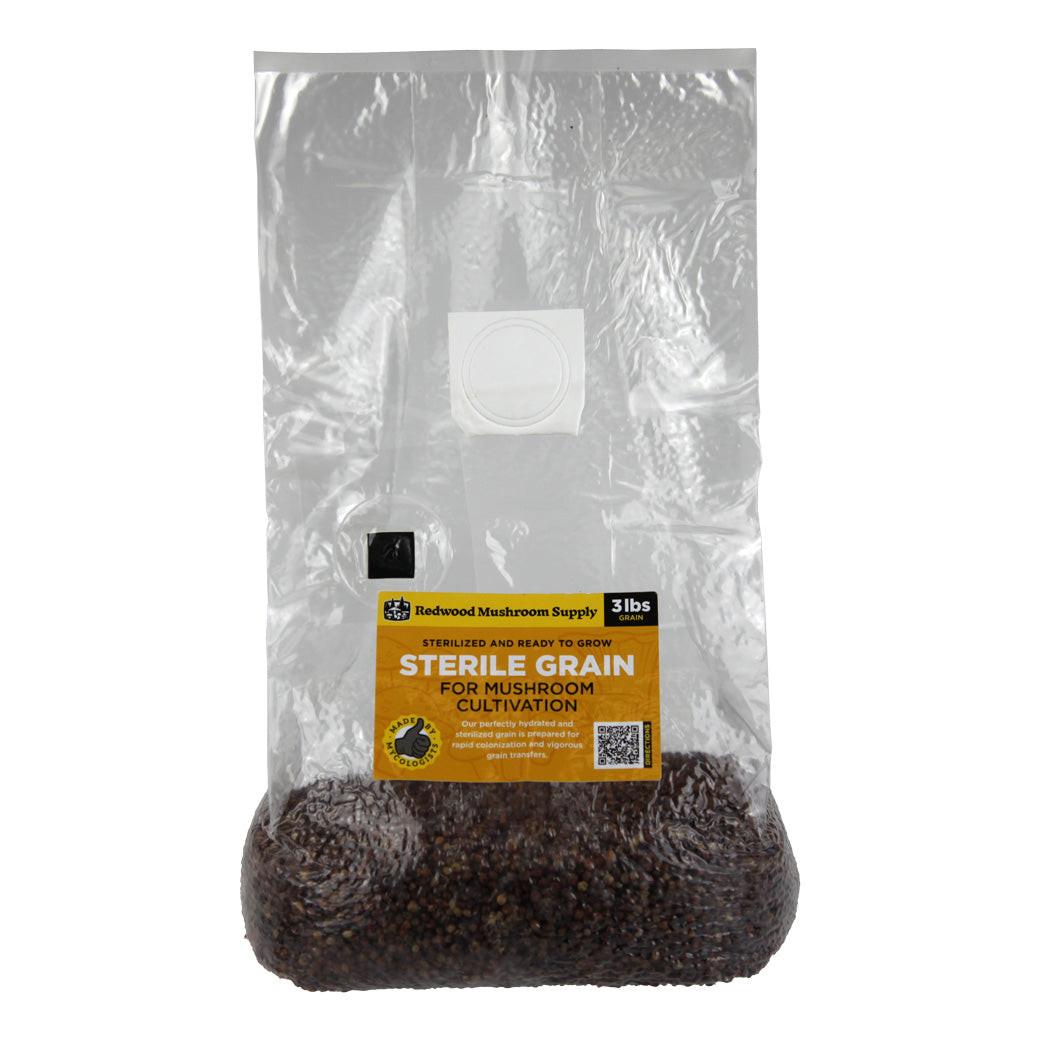
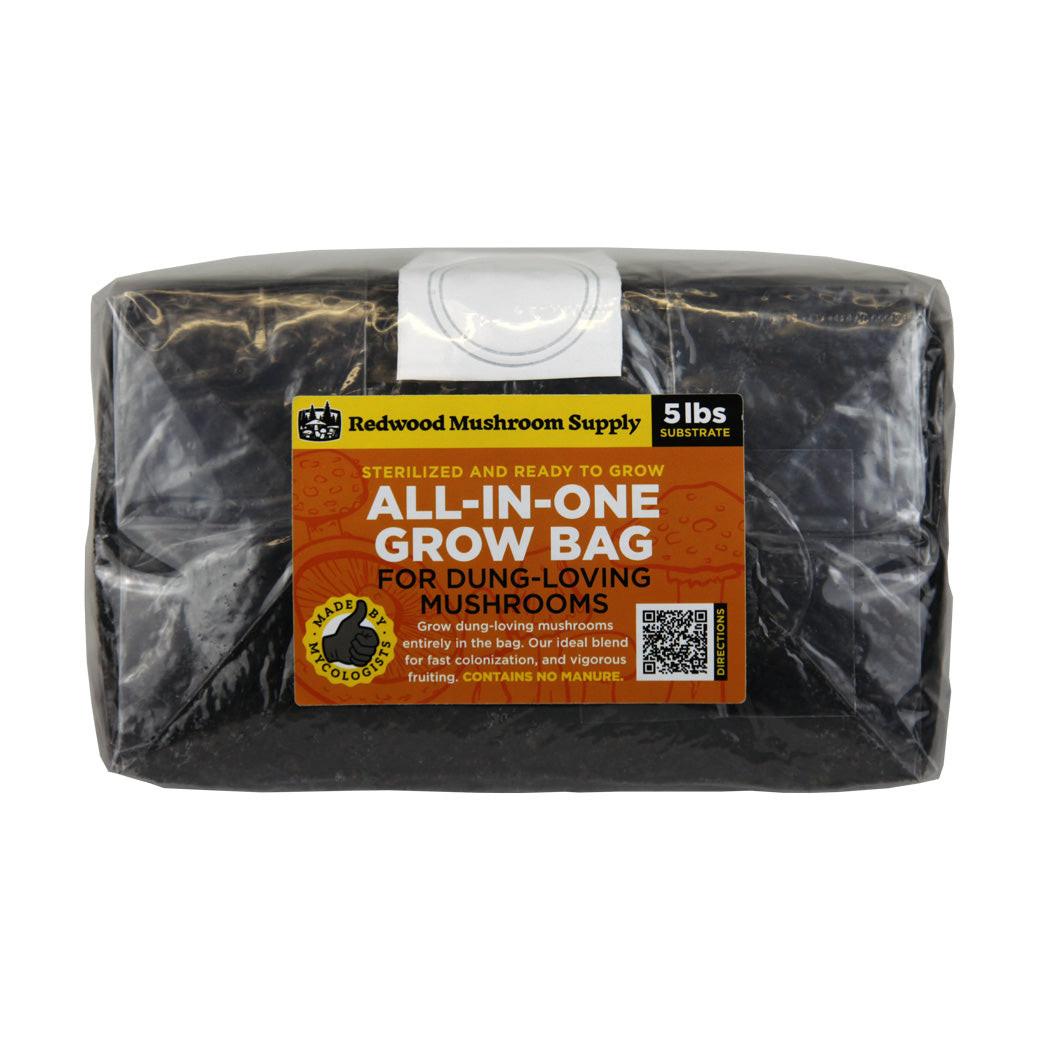
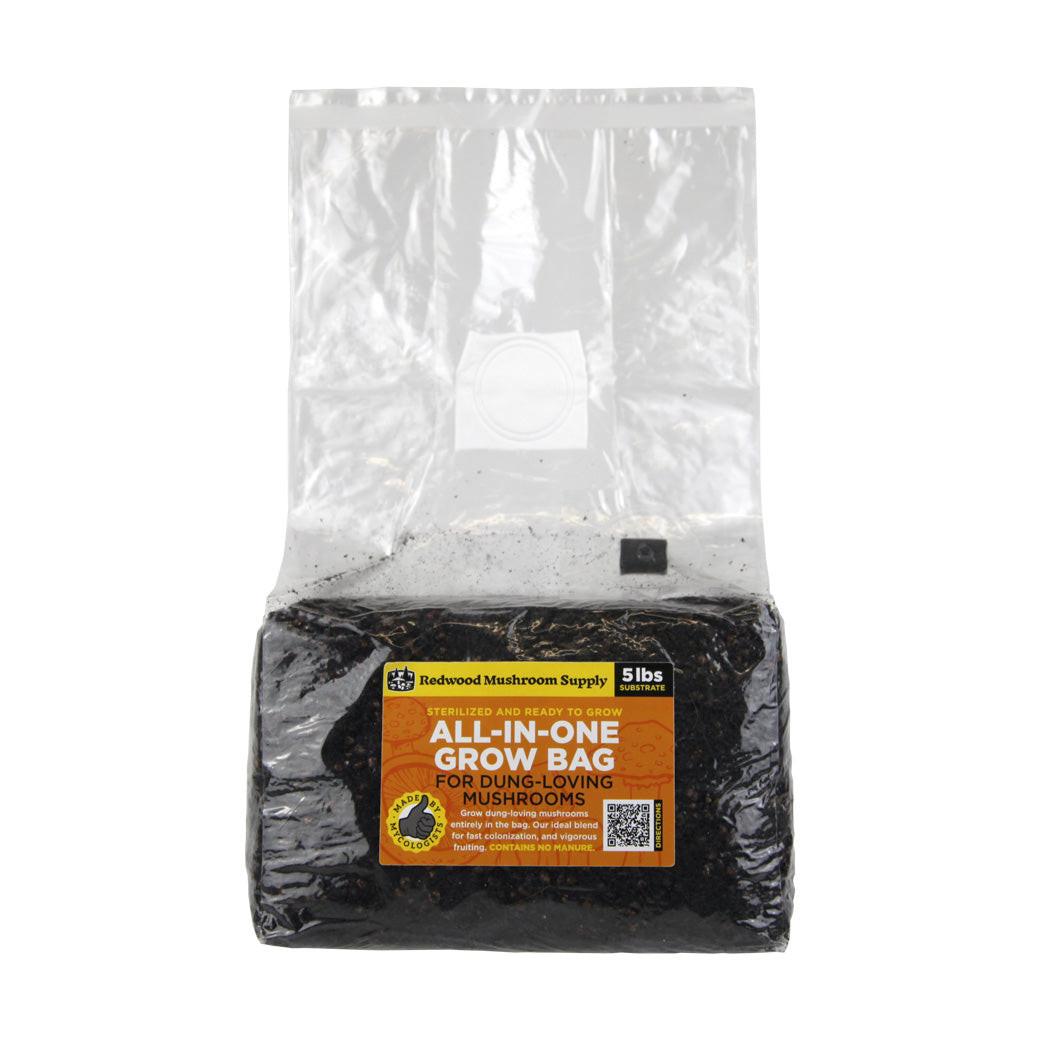
Beyond shared environmental equipment, mushroom cultivation requires mushroom-specific inputs: substrate materials (hardwood sawdust, straw, coco coir, vermiculite for different species), mushroom spawn (the mycelium-colonized grain or sawdust that inoculates new substrate), sterilization equipment (pressure cookers for substrate preparation), and cultivation bags for bulk substrate preparation and colonization. Our mushroom-specific supply collection covers substrate bags, filter patch bags, and cultivation accessories. For the environmental equipment needed for a complete mushroom grow setup, browse our grow tents, humidifiers, and grow room monitors collections. Fast shipping.
Mushroom Growing FAQ
Can I use a standard grow tent for mushroom cultivation?
Yes -- a grow tent provides an ideal enclosed environment for mushroom fruiting chambers. The light-tight interior is not relevant for mushrooms (most fruiting species need only indirect low-level light), but the humidity retention, port access for fresh air exchange fans, and contained footprint make tents excellent fruiting enclosures. A 2x4 or 4x4 tent with a small ultrasonic humidifier, an FAE (fresh air exchange) fan on a timer for CO2 management, and a basic thermometer/hygrometer provides all the environmental control most mushroom species need.
What humidity level do mushrooms need?
Most fruiting mushroom species require 85-95% RH during the fruiting stage -- significantly higher than the 45-60% RH typical for plant growing. During colonization (mycelium spreading through substrate), lower humidity (70-80% RH) is appropriate and high humidity is not yet needed. A capable ultrasonic humidifier combined with a humidity controller (or environment controller) maintains the elevated fruiting RH automatically. The biggest challenge in mushroom cultivation is maintaining high humidity without creating standing water that promotes bacterial contamination -- air circulation and substrate drainage prevent moisture pooling while maintaining high ambient humidity.
Why are fresh air exchanges important for mushroom fruiting?
Mushroom mycelium produces CO2 as a metabolic byproduct of growth. In sealed or poorly ventilated fruiting chambers, CO2 accumulates and suppresses or deforms fruiting body development -- oyster mushrooms, for example, develop elongated thin stems with tiny caps (a CO2 stress response) rather than the wide-capped mushrooms preferred for harvest. Regular fresh air exchanges (typically 4-6 per day using a fan on a timer) remove elevated CO2 and bring in fresh oxygen-rich air, triggering and maintaining healthy fruiting body development. This is why many mushroom growers use inline fans on timed schedules identical to the approach used for grow tent ventilation.
What temperature do oyster mushrooms and shiitake need?
Oyster mushrooms (Pleurotus ostreatus and related species) fruit best at 55-75 degrees F depending on variety -- blue oyster varieties prefer cooler temperatures (55-65 degrees F) while pink and golden oysters prefer warmer conditions (65-75 degrees F). Shiitake (Lentinula edodes) fruit best at 55-65 degrees F after a cold shock initiation (dropping temperature briefly to simulate seasonal change). Most mushroom species have optimal fruiting temperature ranges distinct from the 65-75 degrees F range typical for indoor plant growing -- cooler growing spaces that are suboptimal for plants can work excellently for cold-preferring mushroom varieties.
What substrate do I need for oyster mushroom cultivation?
Oyster mushrooms (the most beginner-friendly commercially viable species) colonize and fruit on a wide range of lignocellulosic substrates -- hardwood sawdust supplemented with wheat bran or soy hulls is the commercial standard for high yields; straw (wheat, rye, or oat) is a lower-cost alternative with slightly lower yields; master's mix (50/50 hardwood sawdust and wheat bran) is popular for maximum yield in supplemented hardwood setups. The substrate must be sterilized or pasteurized before inoculation to kill competing molds and bacteria that would outcompete the mushroom mycelium. Cultivation bags with filter patches (available in this collection) are the standard format for bulk substrate preparation and colonization.