Micronutrient Supplements for Hydroponics & Soil Growing
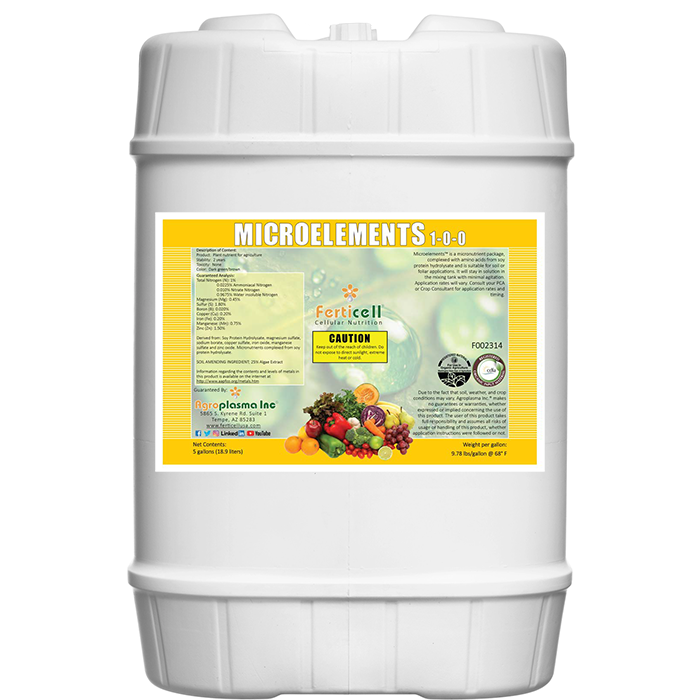
Micronutrients are the plant-essential elements required in small quantities -- iron, manganese, zinc, copper, boron, molybdenum, chlorine, and nickel -- as opposed to the macronutrients (nitrogen, phosphorus, potassium) needed in large amounts. Despite their small required quantities, micronutrient deficiencies can be as growth-limiting as macronutrient deficiencies -- a plant deficient in iron or manganese will show visible symptoms and reduced growth regardless of how well the major nutrients are supplied. Most quality complete hydroponic nutrient programs include adequate micronutrient content, but specific growing conditions can deprive plants of micronutrients even when they are present in solution.
Why Micronutrient Deficiencies Occur in Hydroponic Growing
The most common cause of micronutrient deficiency in hydroponics is not absence from the nutrient solution -- it is pH-driven lockout. Each micronutrient has a specific pH range of maximum availability: iron, manganese, zinc, copper, and boron are most available at pH 5.5-6.5 (the standard hydroponic range); molybdenum increases in availability above pH 6.0. When solution pH drifts outside the 5.5-6.5 range, micronutrients may precipitate out of solution or become chemically bound in forms plant roots cannot absorb -- even at adequate concentration. Before supplementing micronutrients, always verify pH is in range and EC is at target, then check with a calibrated pH meter. If pH is correct and deficiency symptoms persist, a chelated micronutrient supplement addresses the shortfall directly.
Chelated Micronutrients
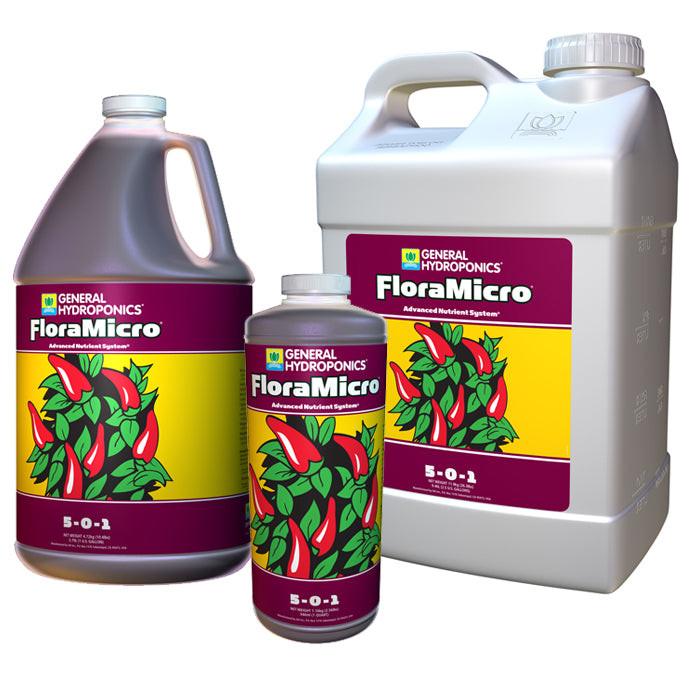
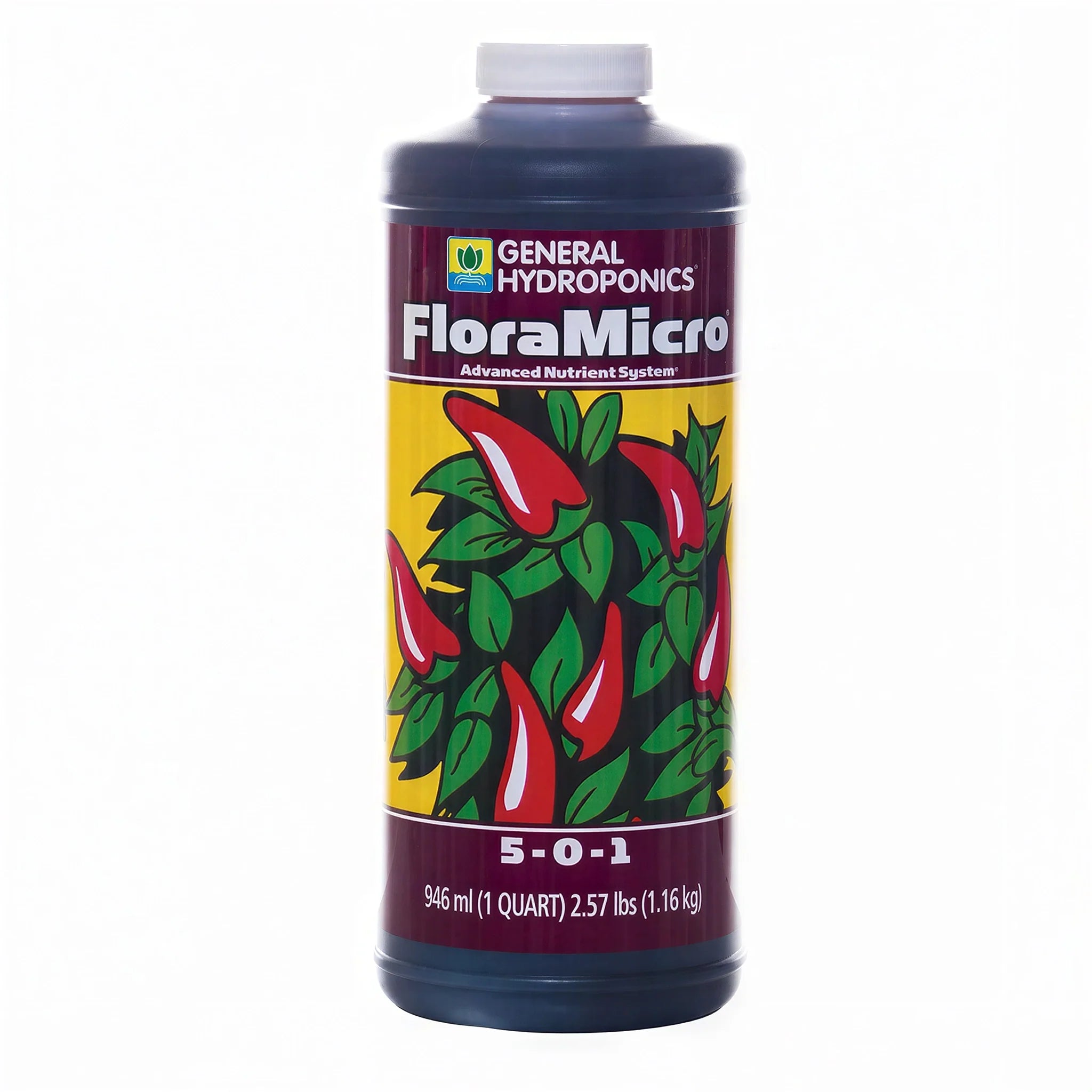
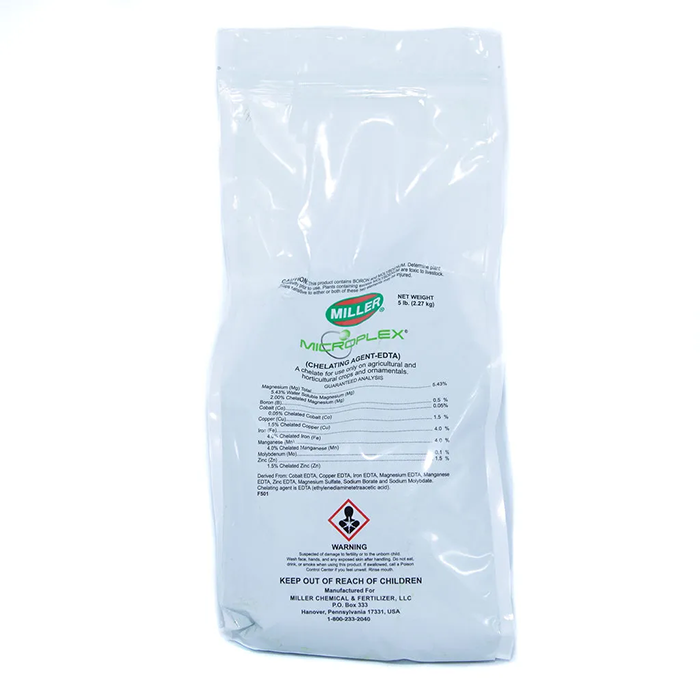
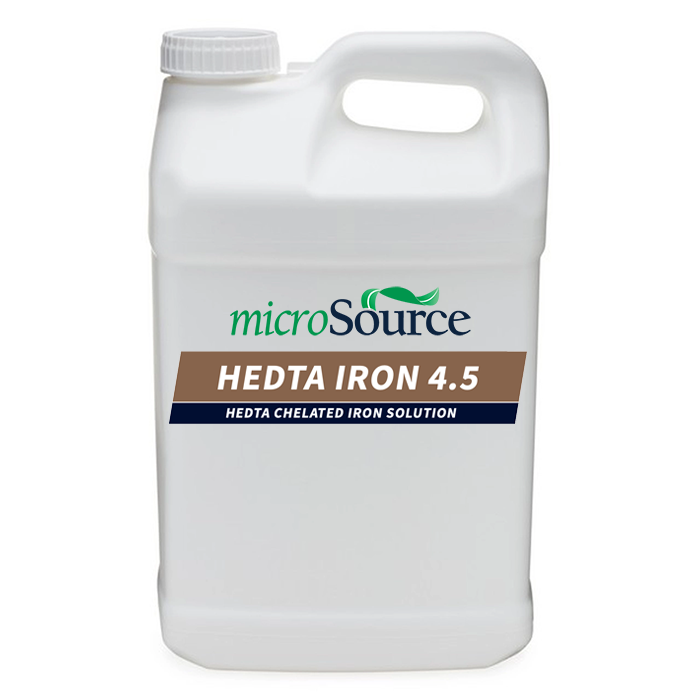
Chelated micronutrients bond the mineral element to an organic chelating agent (EDTA, DTPA, EDDHA for iron; organic acid chelates for other elements) that keeps the mineral in solution across a wider pH range than unchelated mineral salts. EDTA-chelated iron remains available from pH 5.0-7.0; DTPA iron stays available to pH 7.5; EDDHA iron is effective up to pH 9.0 -- useful for hard water or soil applications where pH cannot be tightly managed. Quality complete nutrient programs (General Hydroponics, Athena) use chelated micronutrients as standard -- a primary reason their micronutrient delivery is more reliable than low-cost nutrients formulated with unchelated mineral salts. Fast shipping.
Micronutrients FAQ
What are micronutrients and why do plants need them?
Micronutrients are essential plant nutrients required in small quantities -- iron, manganese, zinc, copper, boron, molybdenum, chlorine, and nickel. Despite small required amounts, each plays a specific and non-substitutable biochemical role: iron is essential for chlorophyll synthesis; manganese activates enzymes in photosynthesis; zinc is involved in cell division and growth hormone production; boron is required for cell wall formation and sugar transport; molybdenum is critical for nitrogen fixation and nitrate reduction. Deficiency in any micronutrient disrupts specific metabolic processes regardless of macronutrient supply.
How do I identify a micronutrient deficiency?
Micronutrient deficiency symptoms typically appear as chlorosis (yellowing) with a distinct distribution pattern that identifies which element is deficient. Iron deficiency: interveinal chlorosis on young leaves (leaf veins remain green while tissue between turns yellow) -- caused by iron precipitation at high pH or root zone oxygen deficiency. Manganese deficiency: similar interveinal chlorosis on young leaves but less severe than iron. Zinc deficiency: shortened internodal spacing, small leaves, mottled discoloration. Boron deficiency: distorted new growth, hollow stems, and poor fruit set. Molybdenum deficiency: marginal leaf scorch on older leaves. Accurate diagnosis combines visual symptoms with pH verification -- correct pH first before assuming micronutrient supplement is needed.
Do I need to add micronutrient supplements if I use a complete nutrient program?
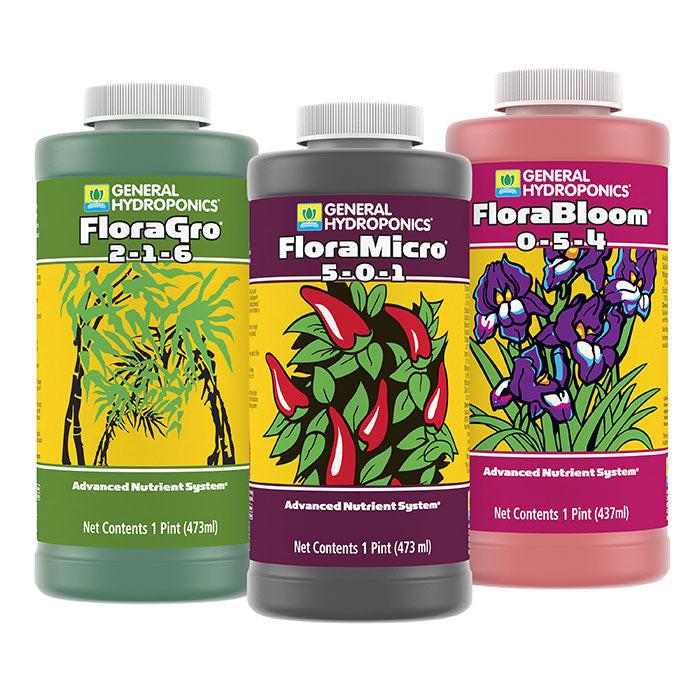
Generally no -- quality complete nutrient programs (General Hydroponics FloraSeries, Athena, Canna, Advanced Nutrients) include chelated micronutrients as part of their formulation at concentrations sufficient for healthy plant growth when used at recommended rates and correct pH. Micronutrient supplementation becomes necessary when: using a base nutrient program that omits or under-supplies specific micronutrients (some budget formulas are deficient); growing at pH consistently above 6.5 where some chelated forms become less available; or observing persistent deficiency symptoms after pH has been verified as correct.
What is the difference between EDTA and DTPA chelated iron?
EDTA (ethylene diamine tetraacetic acid) and DTPA (diethylene triamine pentaacetic acid) are two different chelating agents that keep iron in solution. EDTA-chelated iron remains available at pH 5.0-7.0, covering the standard hydroponic range well. DTPA-chelated iron maintains availability to pH 7.5 -- better for hard water or soil applications where pH is harder to control below 7.0. EDDHA (ortho-ortho isomer) is the strongest iron chelate, effective up to pH 9.0, used in calcareous soils and high-pH alkaline growing environments where EDTA and DTPA cannot maintain iron in solution. For standard hydroponic growing at pH 5.5-6.5, EDTA or DTPA chelated iron in a quality nutrient program provides adequate iron delivery.
Can I overdose micronutrients?
Yes -- micronutrient toxicity is a real risk, particularly for elements like boron, manganese, and copper where the difference between adequate and toxic concentration is relatively small. Iron toxicity can occur at high concentrations in poorly oxygenated root zones. Zinc and copper are toxic to beneficial soil microorganisms at elevated concentrations even at levels not visibly harmful to plants. When supplementing with micronutrient products, use at the manufacturer's recommended rate and do not stack multiple micronutrient products unless you have confirmed deficiency of a specific element. A comprehensive soil or solution test is the best guide for targeted micronutrient supplementation rather than applying multiple products prophylactically.