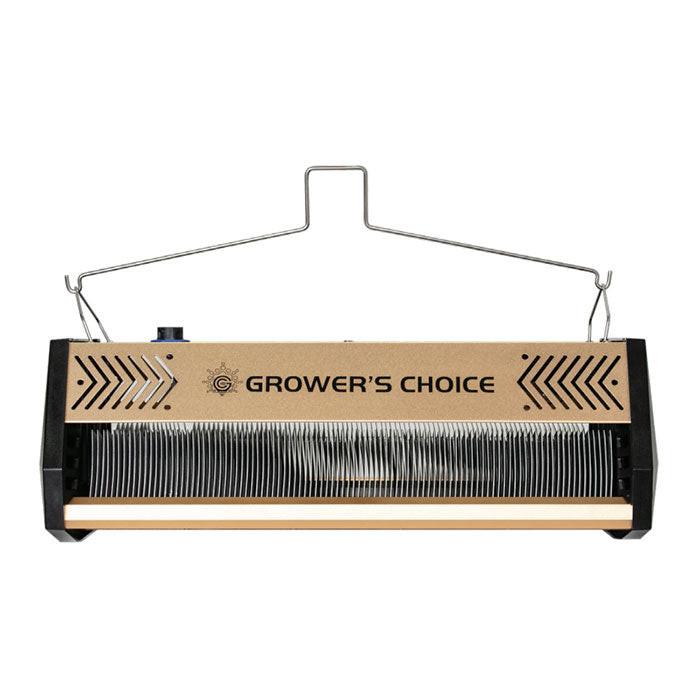
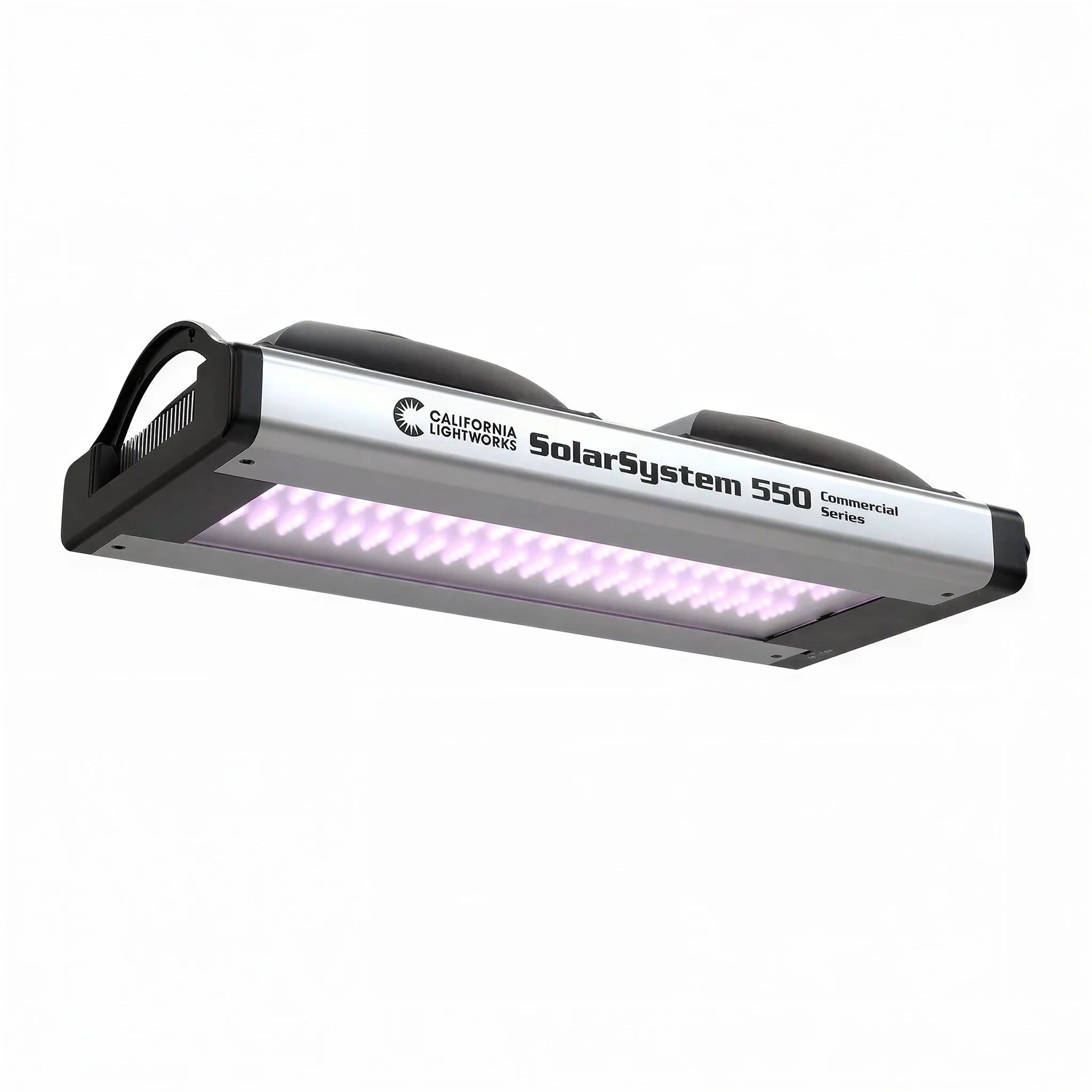
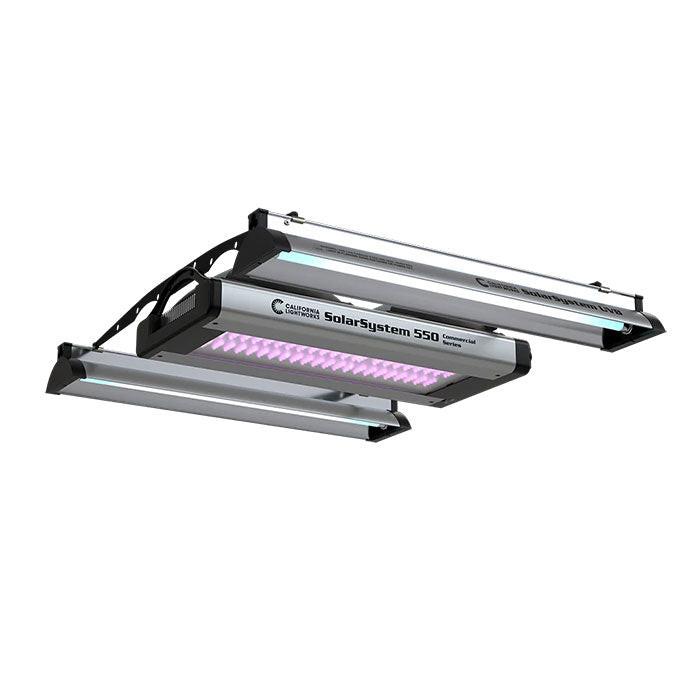
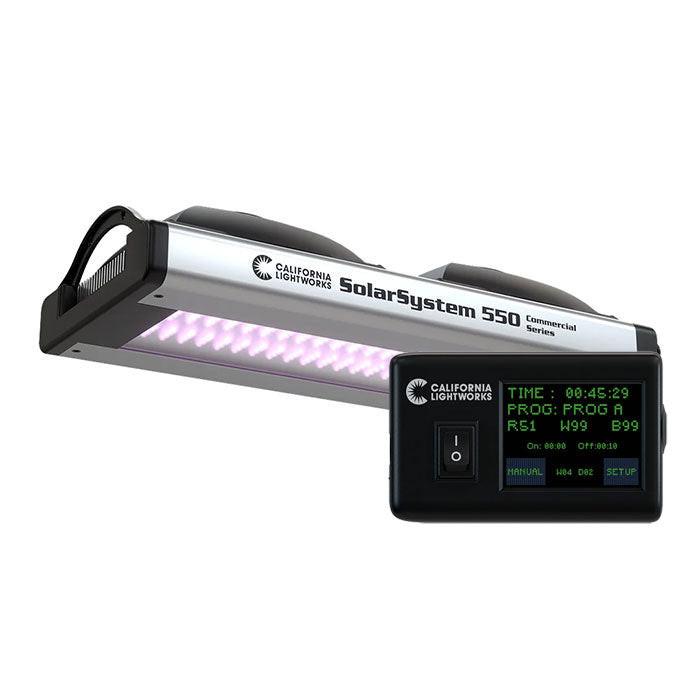
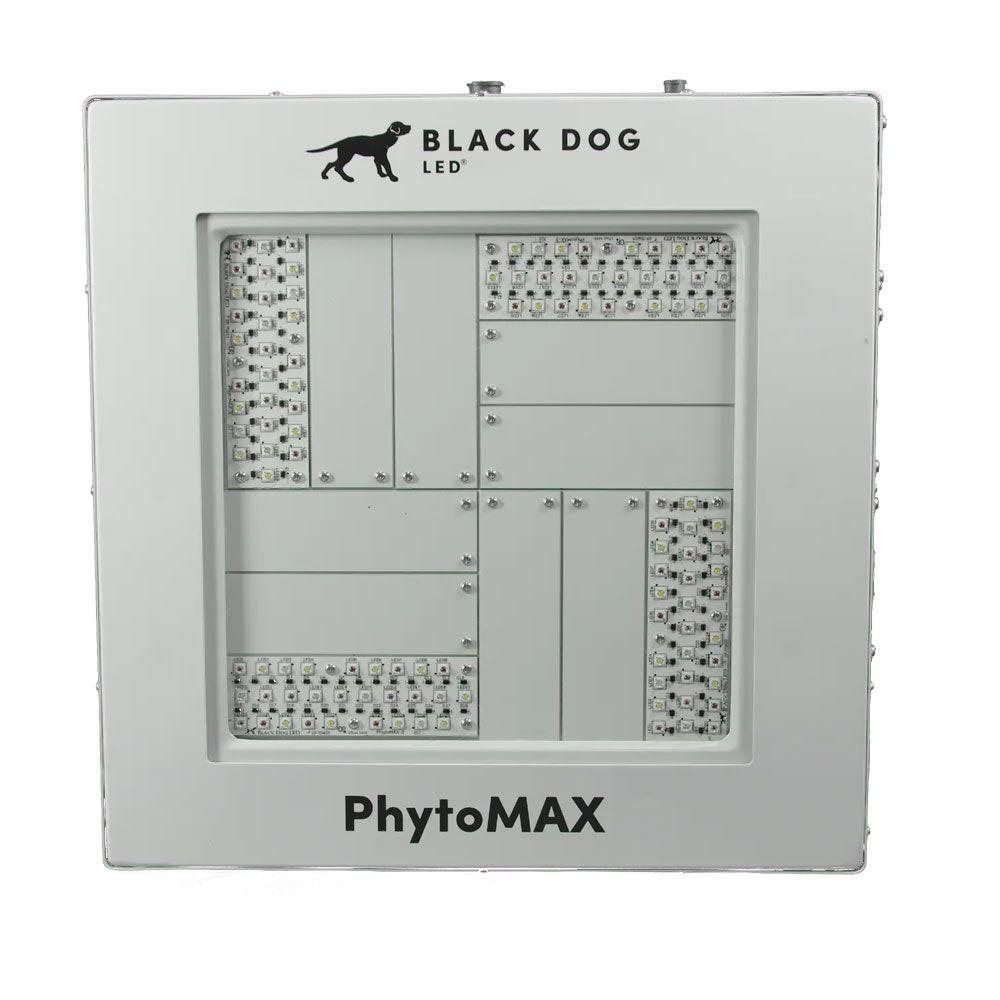
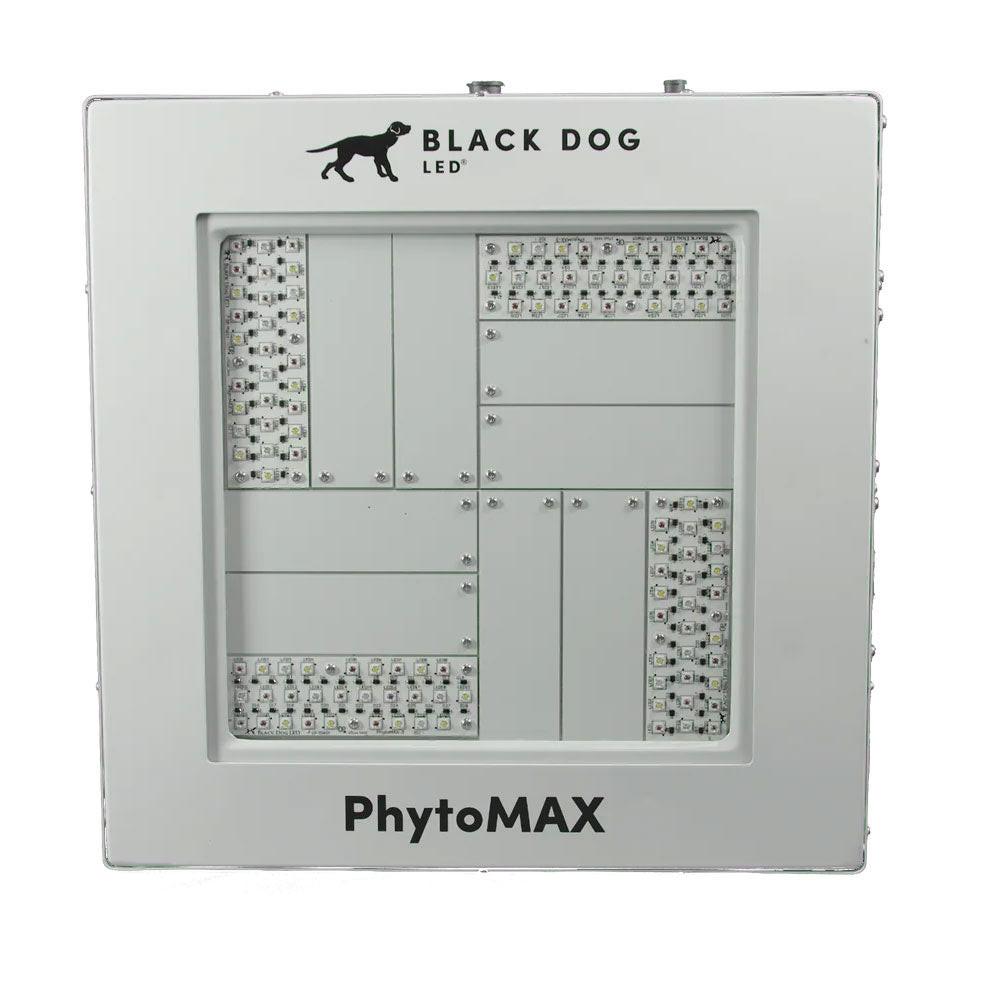
LED Grow Light Panels for Indoor Growing
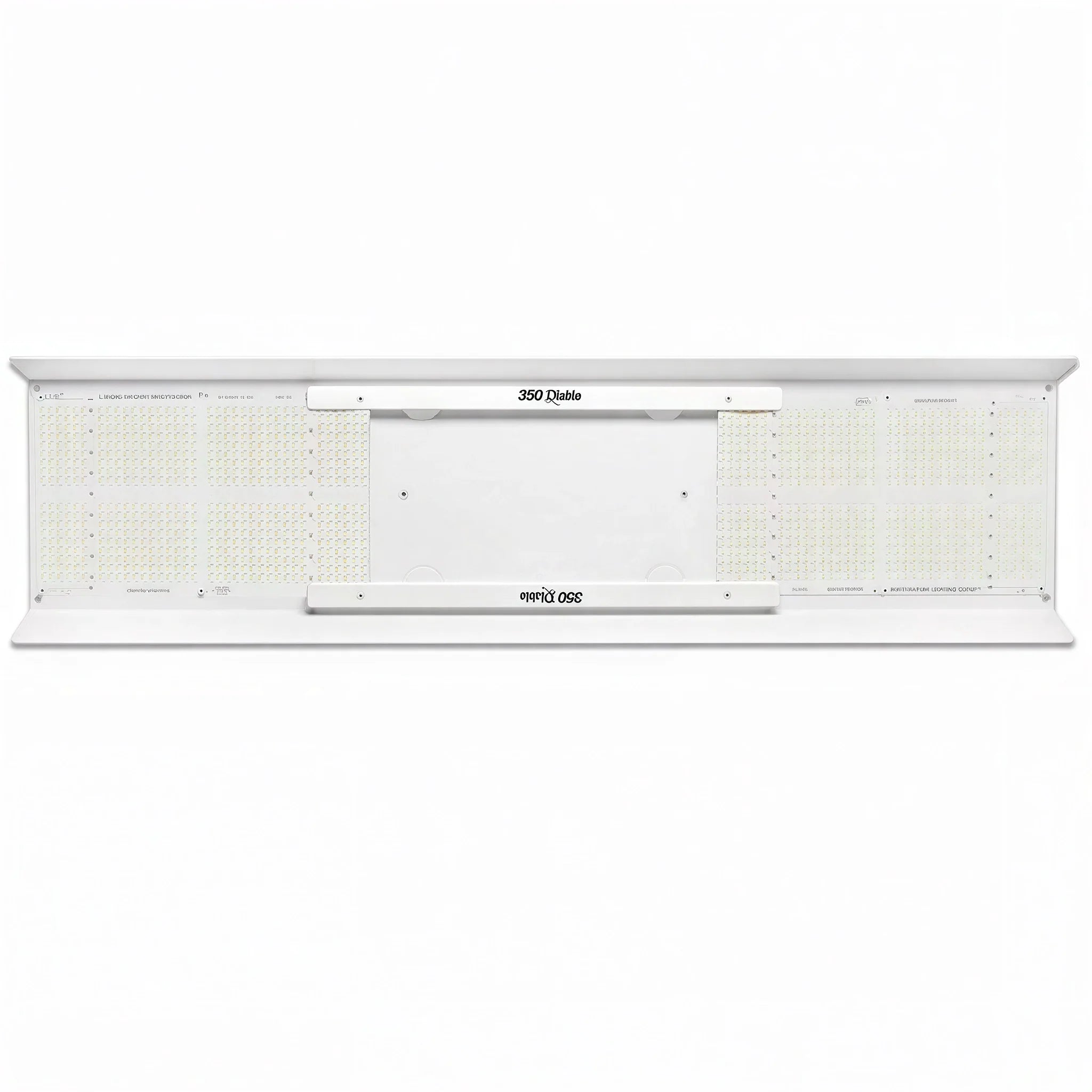
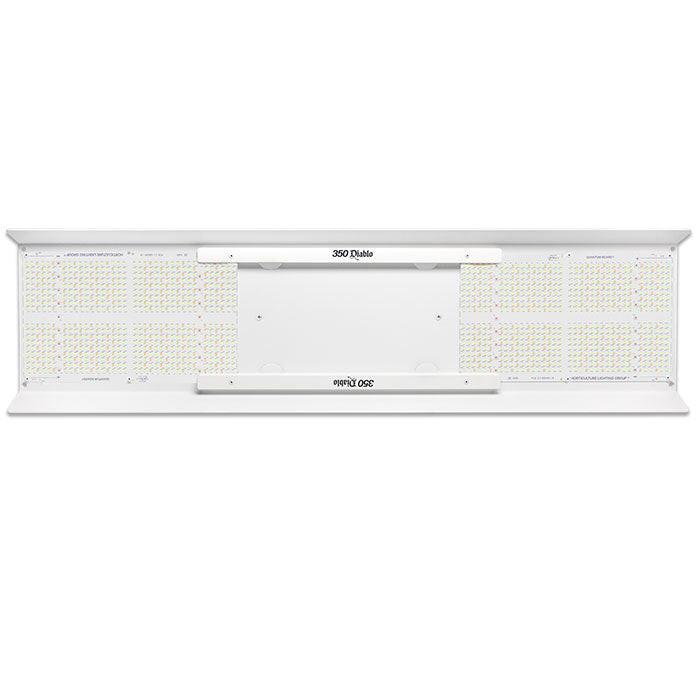
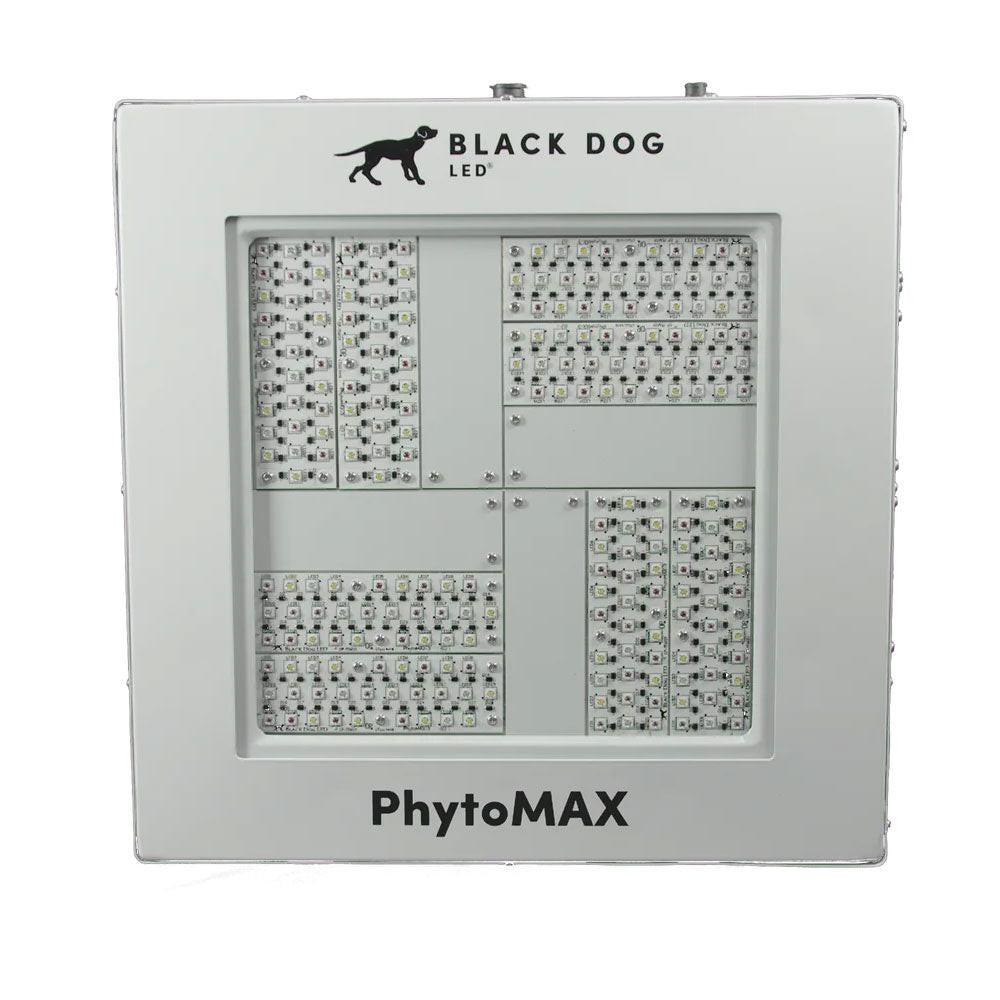
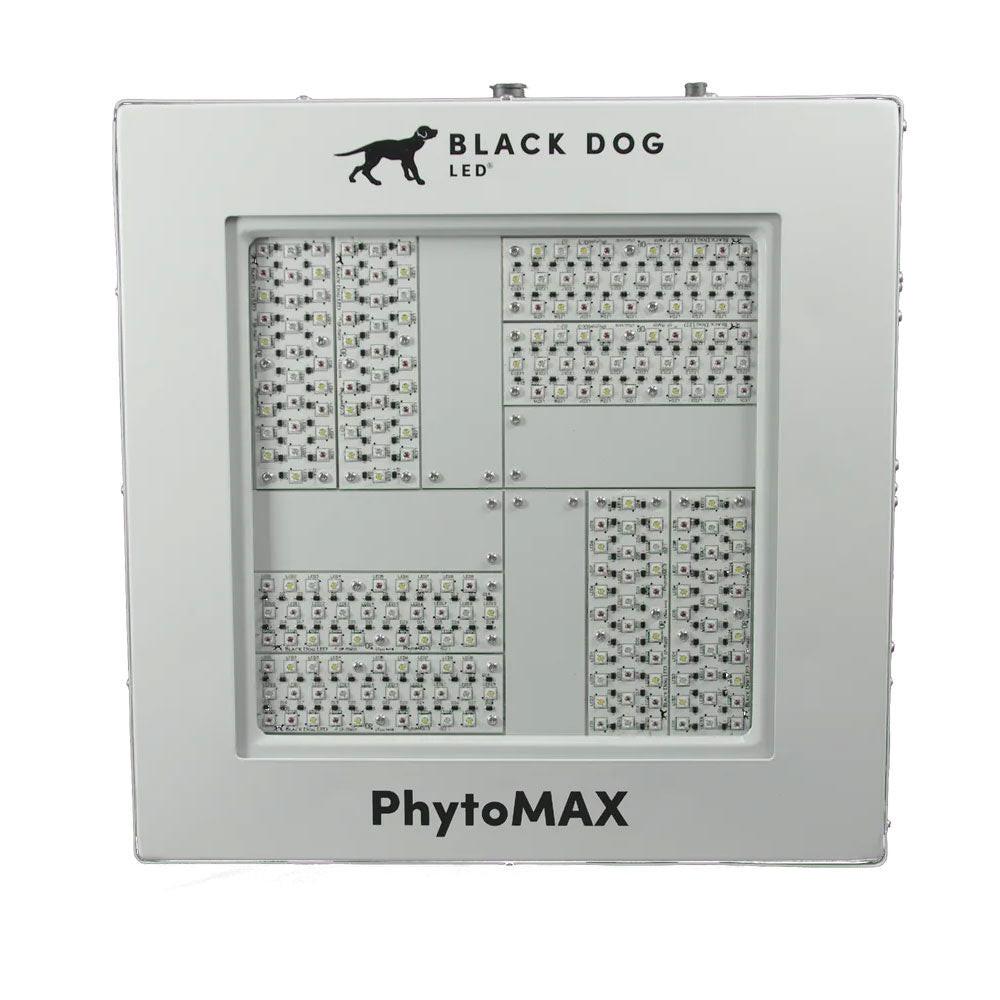
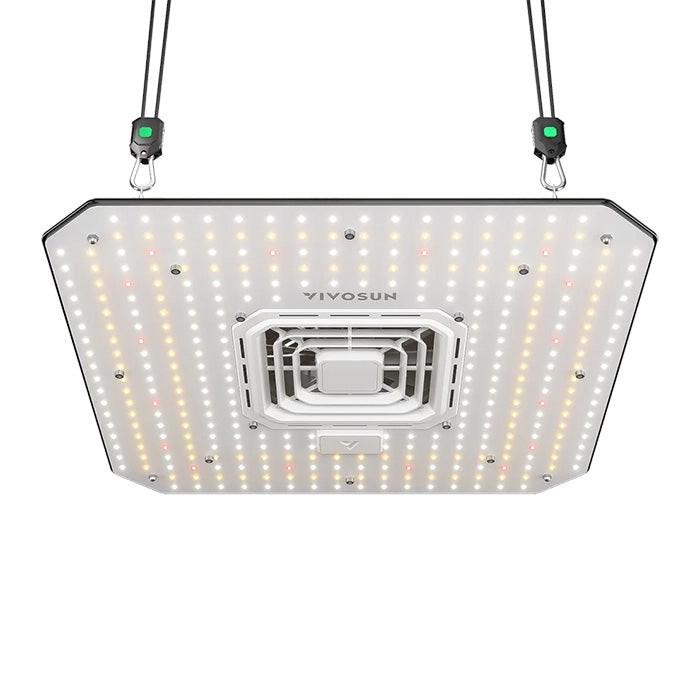
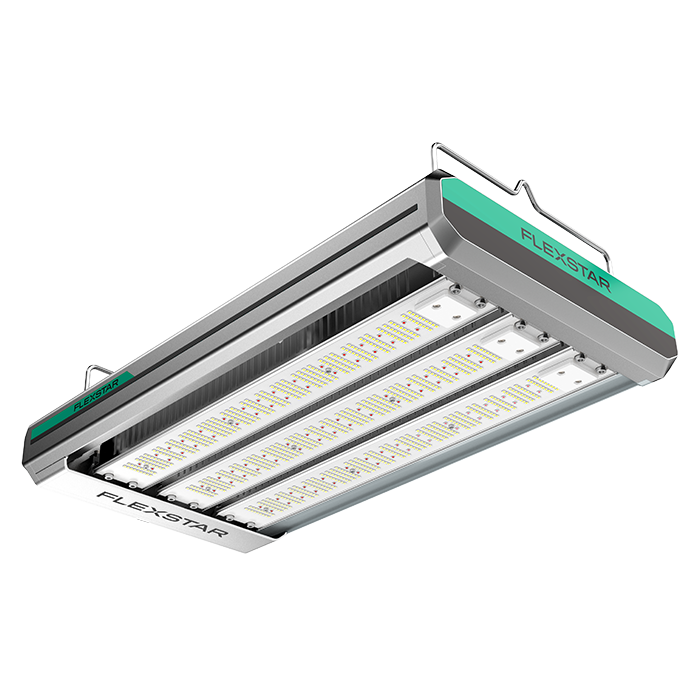
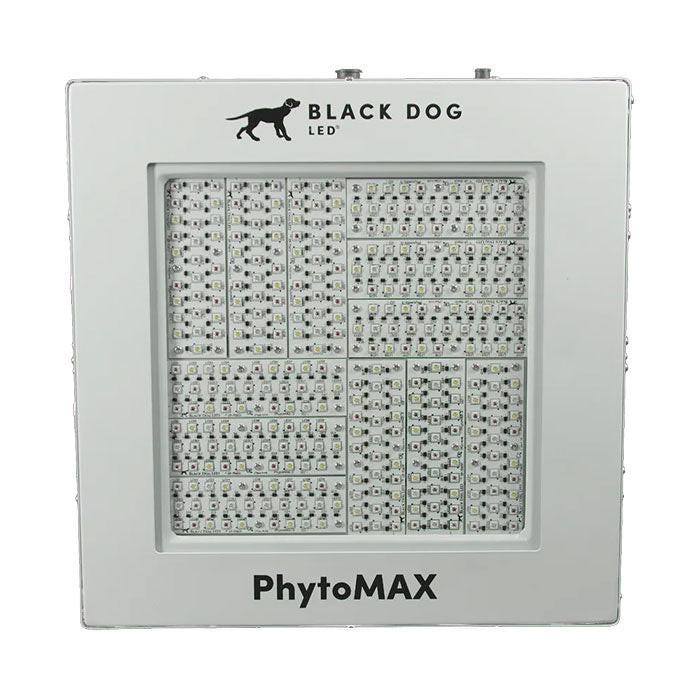
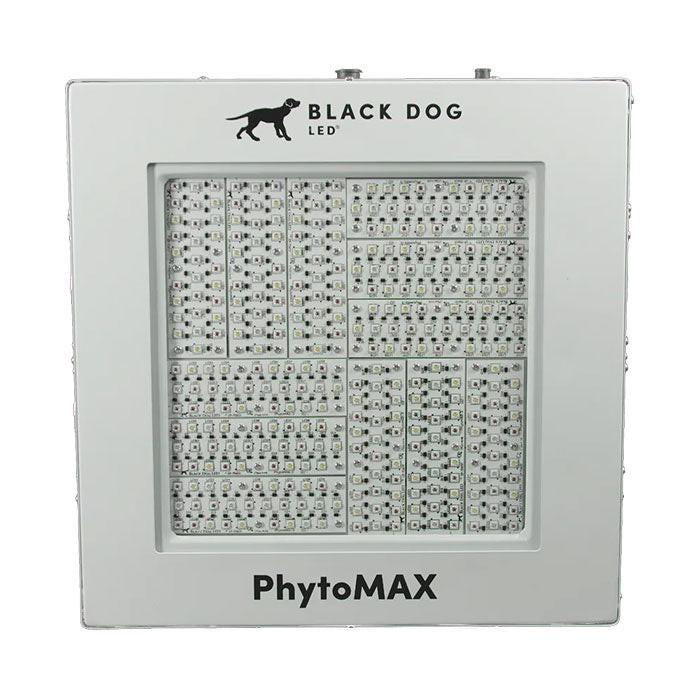
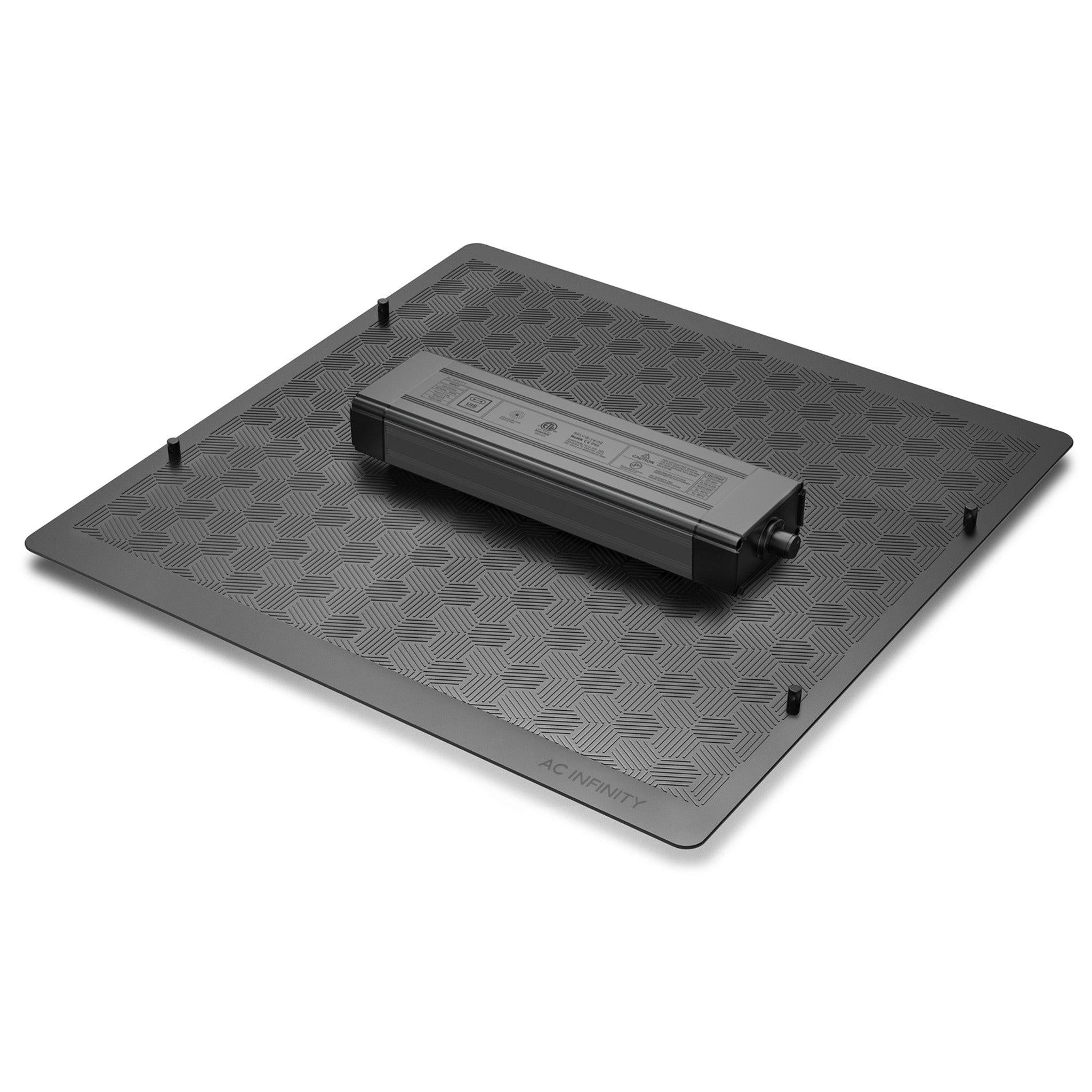
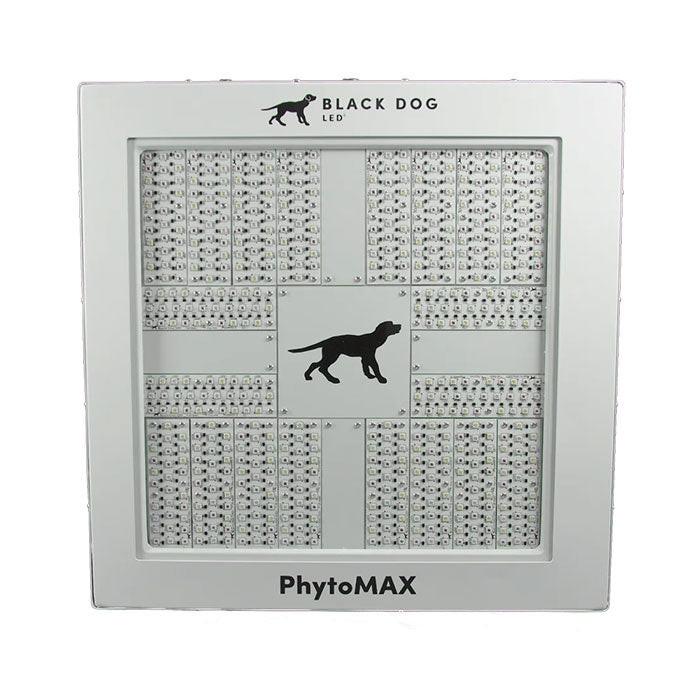
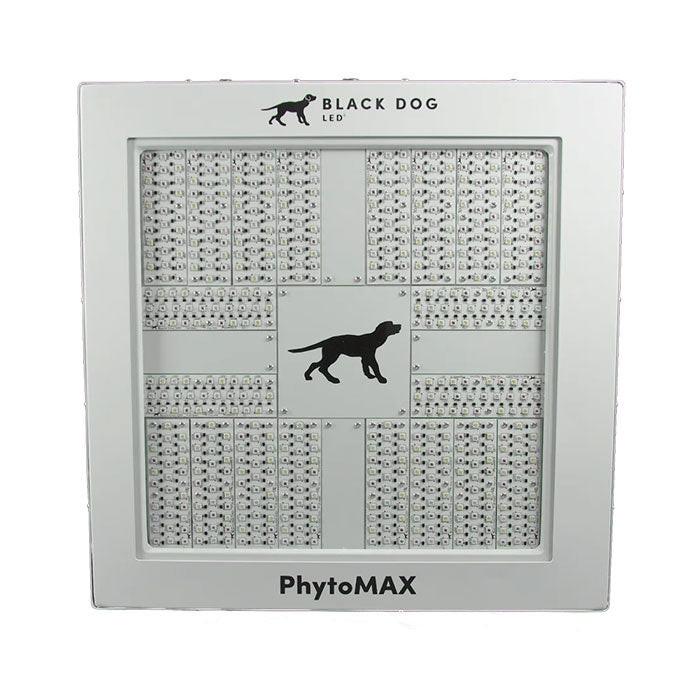
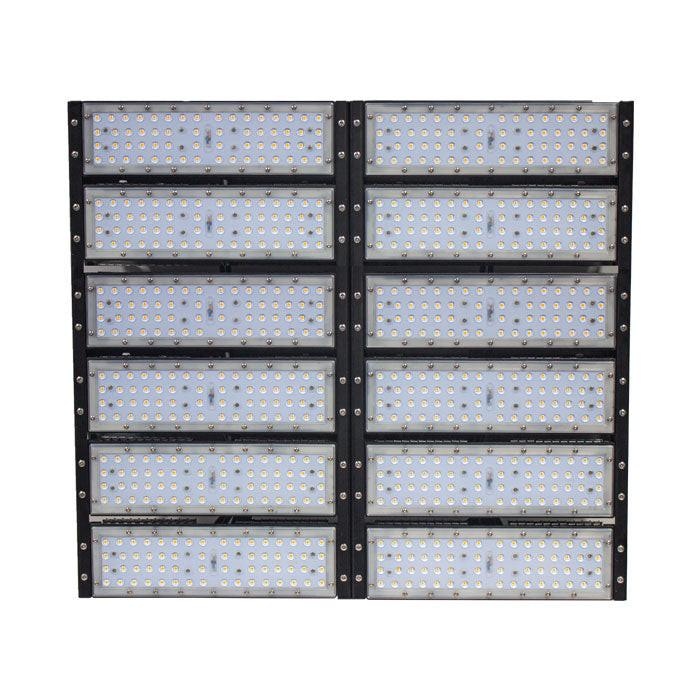
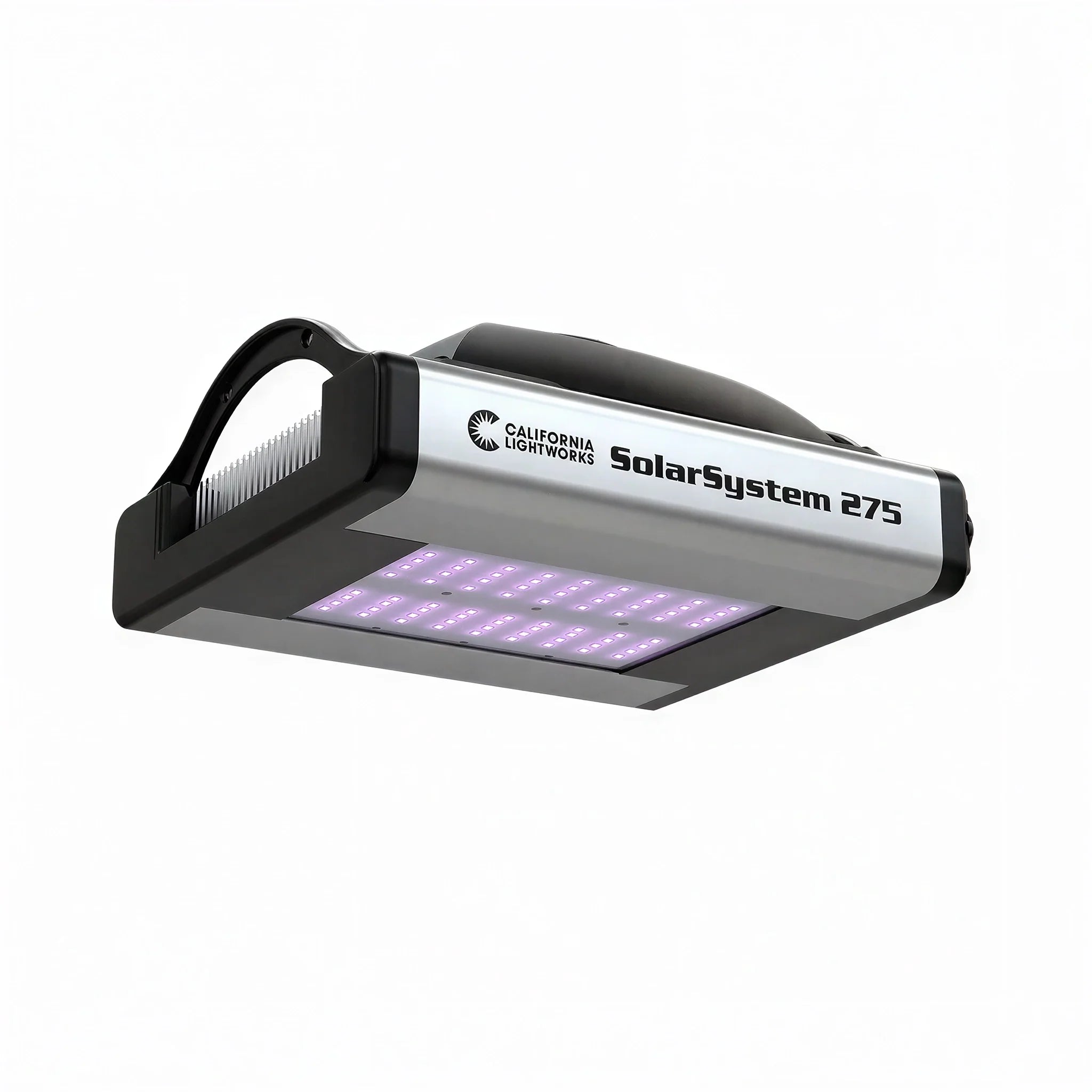
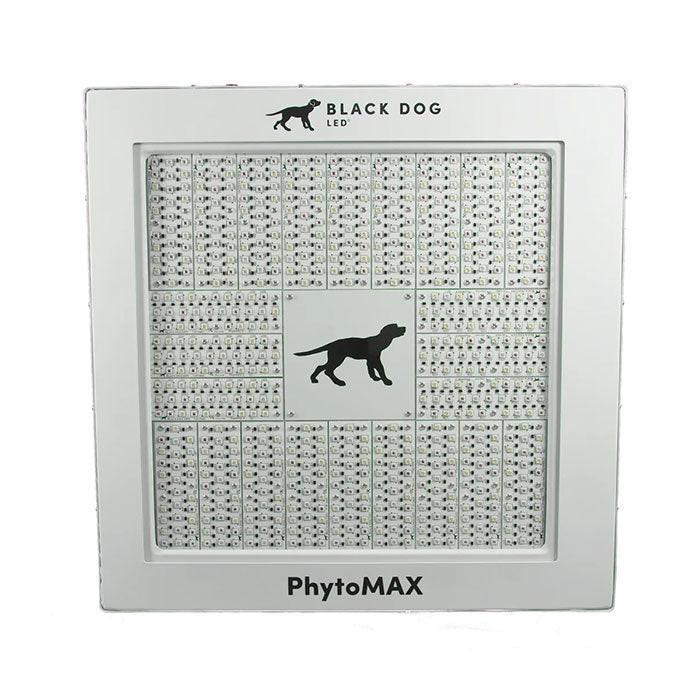
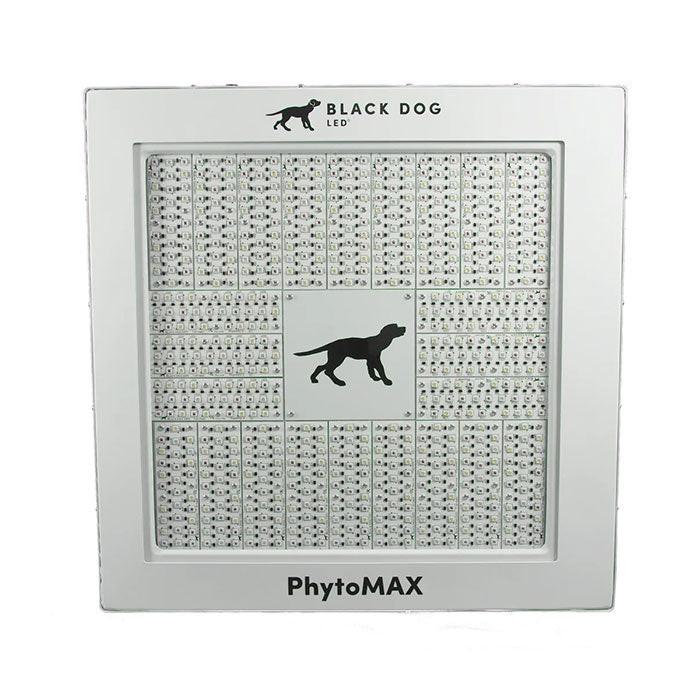
LED grow light panels are the traditional format for LED horticultural lighting -- a single integrated unit combining the LED array, heat sink, and driver in one housing, typically in a square or rectangular panel shape. Panel LEDs were the first widely adopted LED grow light design and remain popular for their plug-and-play simplicity, compact footprint, and broad availability across every wattage and price range. Modern full-spectrum quantum board panel designs have largely superseded the earlier blurple and COB panel formats in performance, while retaining the integrated single-unit form factor that makes panel LEDs straightforward to install and move.
Panel vs. Bar Array LEDs: Which Is Right for You?
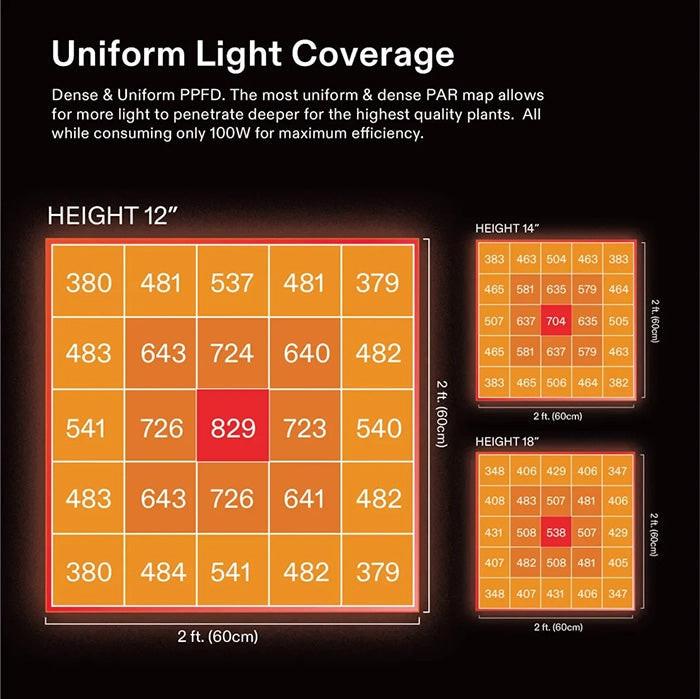
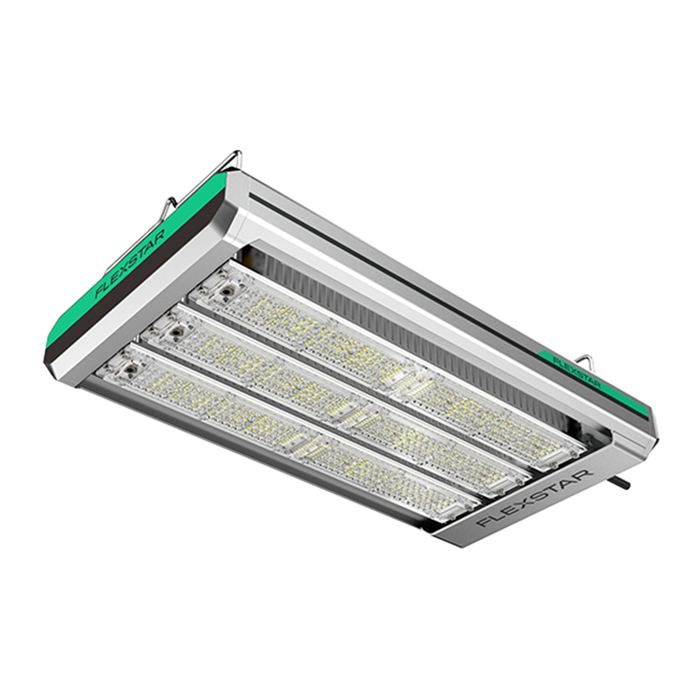
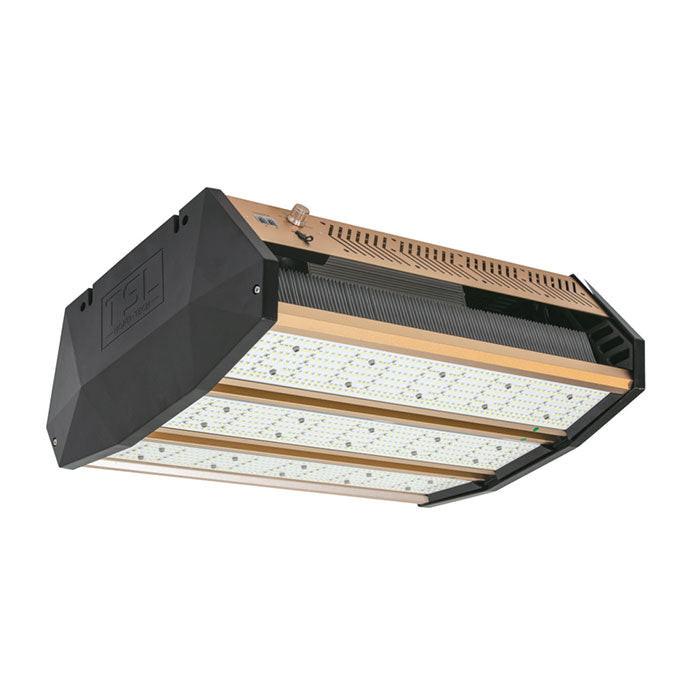
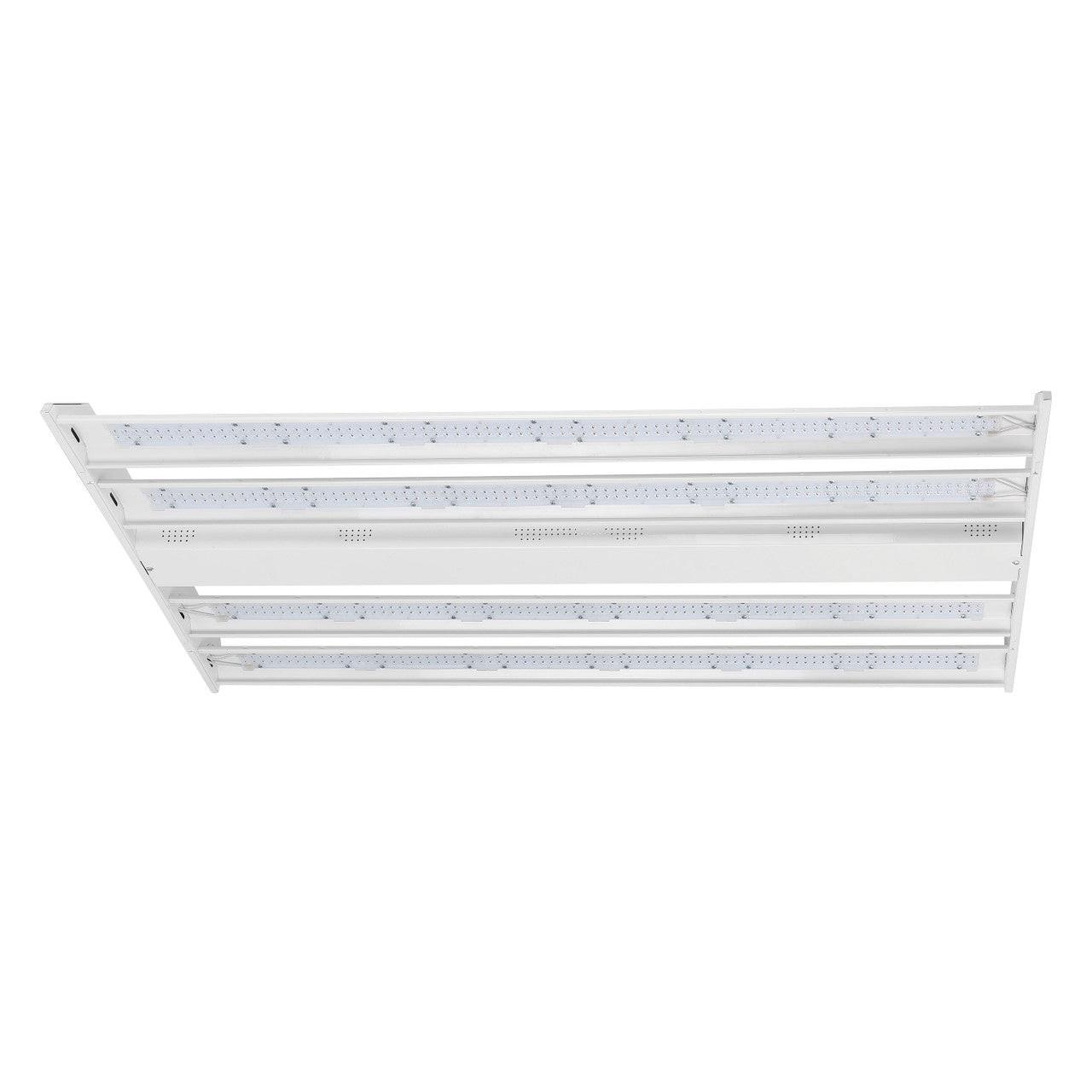
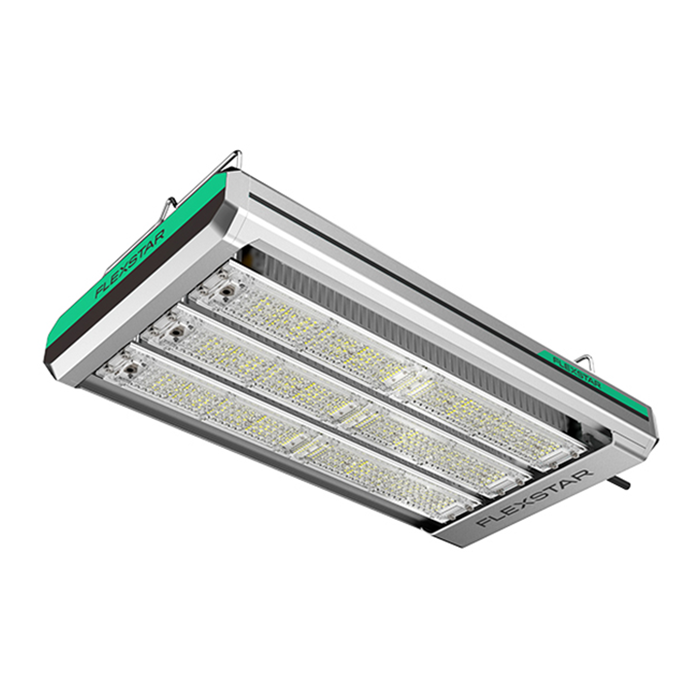
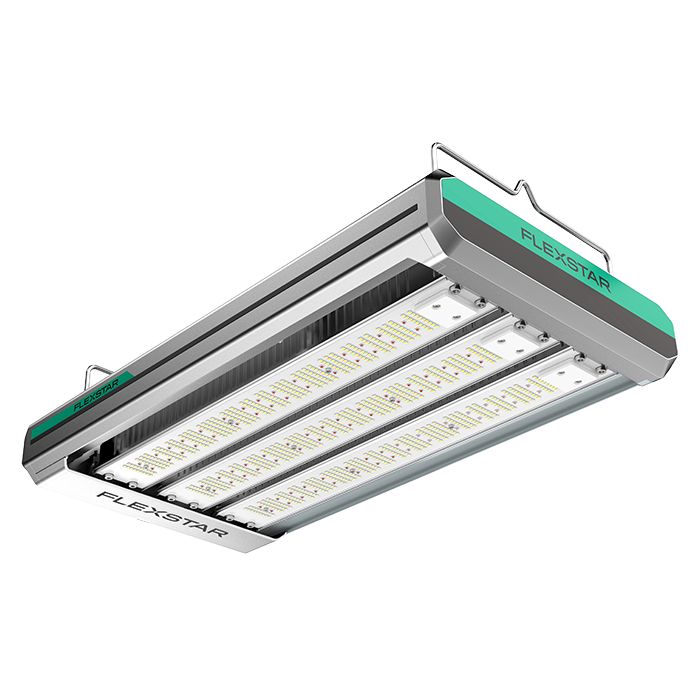
The primary tradeoff between LED panels and bar array LEDs is coverage uniformity vs. simplicity. Bar arrays distribute multiple LED bars across a wider footprint, producing more even PPFD distribution across large canopies and reducing intensity hot spots at the center. Panels concentrate output from a single source, which can create a gradient of higher PPFD at the center tapering toward the canopy edges -- less uniform across a wide footprint, but well-matched to smaller canopies where the center-heavy distribution covers the productive zone. For a 2x2 to 3x3 canopy, a quality panel delivers comparable results to a bar array; for 4x4 and larger, bar arrays typically outperform panels on uniformity. Use our PPFD & Light Coverage Calculator to compare any specific fixture to your canopy dimensions.
Quantum Board Panel LEDs
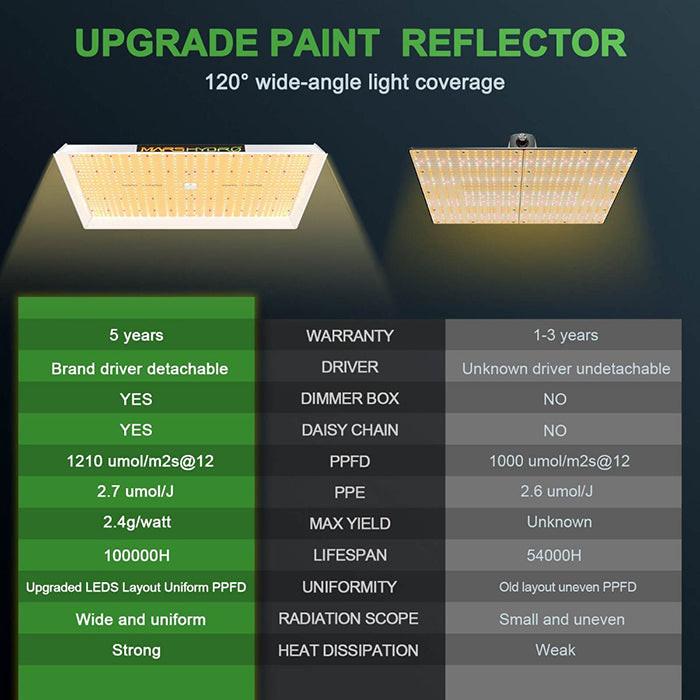
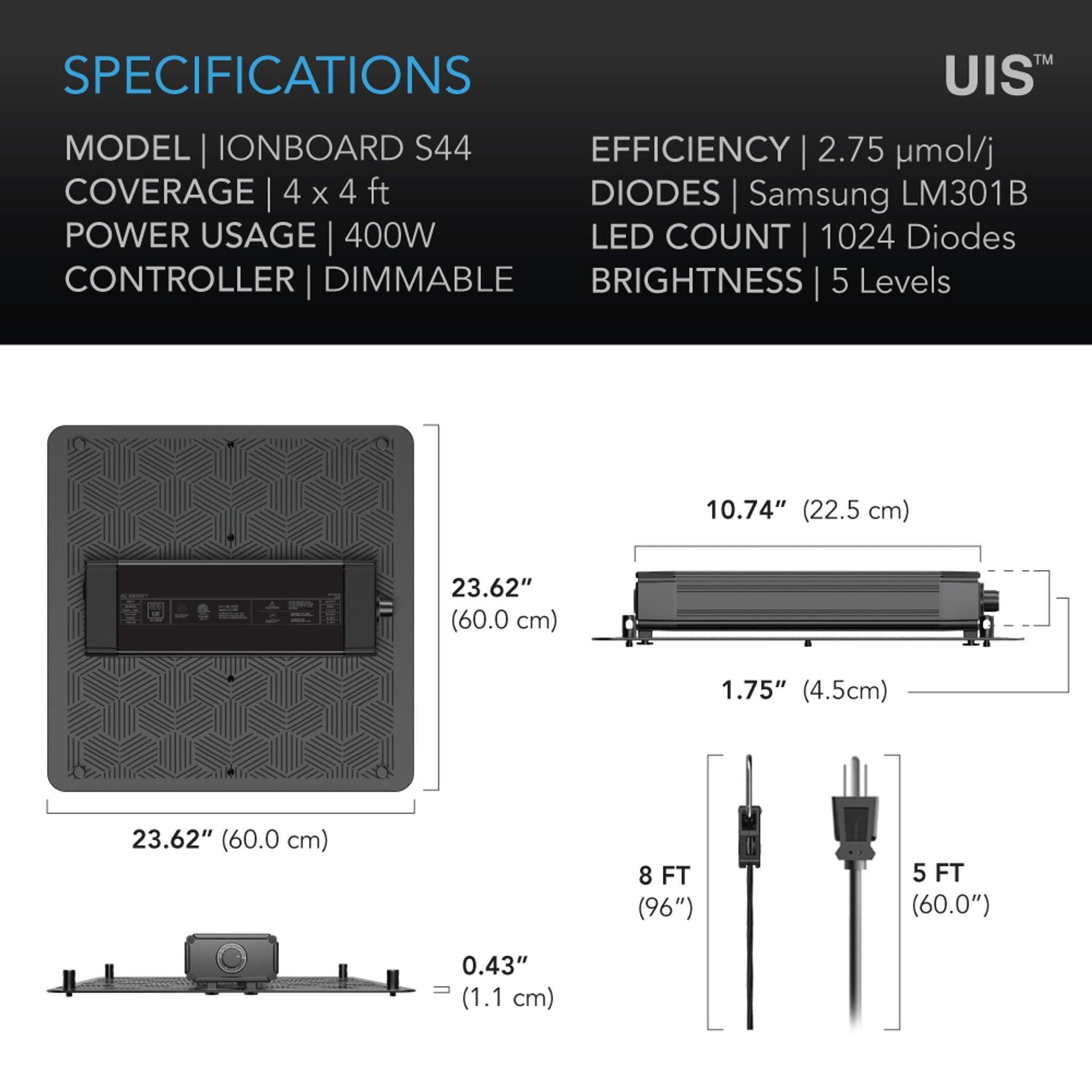
Modern panel LEDs use quantum board design -- a printed circuit board densely populated with high-efficiency white LEDs (Samsung LM301B or LM301H series and equivalents) spread across the full panel surface rather than concentrated at a single point. Quantum boards achieve 2.5-2.9+ umol/joule efficiency -- comparable to the best bar arrays -- by spreading the thermal load across many lower-intensity diodes rather than running fewer high-intensity emitters. The result is lower operating temperature per diode (extending lifespan) and more even distribution than older COB (chip-on-board) panel designs. Quantum board panels from Horticulture Lighting Group (HLG), Mars Hydro, Spider Farmer, and other qualified brands in this collection cover the full range from 100W propagation panels to 600W+ single-light canopy fixtures.
LED Panel Wattage Guide
For vegetative growth (400-600 umol/m2/s PPFD target): a 200-300W quality panel covers a 3x3 ft canopy adequately. For flowering (800-1,100 umol/m2/s PPFD target): a 400-500W quantum board panel covers a 3x3 ft canopy; a 600-700W panel covers a 4x4 ft canopy. These estimates apply to panels achieving 2.5+ umol/joule -- lower-efficiency panels require proportionally more wattage for the same PPFD. Always verify using manufacturer PPFD maps and our calculator rather than wattage alone. For commercial operations scaling beyond single-panel configurations, 1000W class LED fixtures and bar arrays provide more efficient large-canopy coverage. Expert support available.
LED Grow Light Panels FAQ
What is the difference between a quantum board LED and a COB LED panel?
Quantum board LEDs use many small, high-efficiency LEDs spread across a large circuit board -- this distributes thermal load, reduces junction temperature per LED, and produces more even light distribution. COB (chip-on-board) LEDs concentrate many LED dies on a single small chip, producing a high-intensity point source that requires significant heat management and creates stronger center-weighted light distribution. Quantum boards have largely replaced COB designs in most applications because they achieve higher efficiency (more photons per watt), run cooler, and produce better canopy uniformity -- particularly in the 400-700W range where COB thermal management becomes challenging.
Are LED panels as good as LED bar arrays for growing?
For smaller canopies (2x2 to 3x3 ft), quality quantum board panels perform comparably to bar arrays -- the single-source distribution is well-matched to the canopy size. For 4x4 ft and larger canopies, bar arrays typically outperform equivalent-wattage panels on uniformity because the distributed bars reduce the center-to-edge PPFD gradient that single-source panels create over wider footprints. If your setup involves multiple overlapping panels to cover a large canopy, bar arrays become more efficient. For a single-light 3x3 setup, a quality panel is the simpler and cost-effective choice.
Can I daisy-chain multiple LED panels together?
Some LED panel brands (particularly HLG and Spider Farmer) support daisy-chain power connections between fixtures, allowing multiple panels to run from a single power cord through the series. Check the specific model's specifications -- maximum chain length (number of fixtures) and total wattage capacity of the power chain vary by model. Daisy-chaining simplifies wiring in multi-panel setups by reducing the number of individual power runs needed from the circuit. For larger arrays, confirm your circuit's total amperage supports the combined wattage of all chained fixtures plus the standard 25% safety headroom.
What LED panel wattage do I need for a 4x4 tent?
For a flowering 4x4 canopy targeting 900-1,100 umol/m2/s PPFD, a 600-700W quantum board panel achieving 2.5+ umol/joule is in the right range. At this efficiency, 600W delivers approximately 1,500 umol/s total output -- sufficient for 4x4 flowering coverage at standard hanging height. Lower-efficiency panels (2.0 umol/joule or below) would need 750-900W to achieve the same PPFD output. Use our PPFD Calculator with the manufacturer's published PPFD map for the specific fixture to confirm coverage for your exact canopy dimensions.