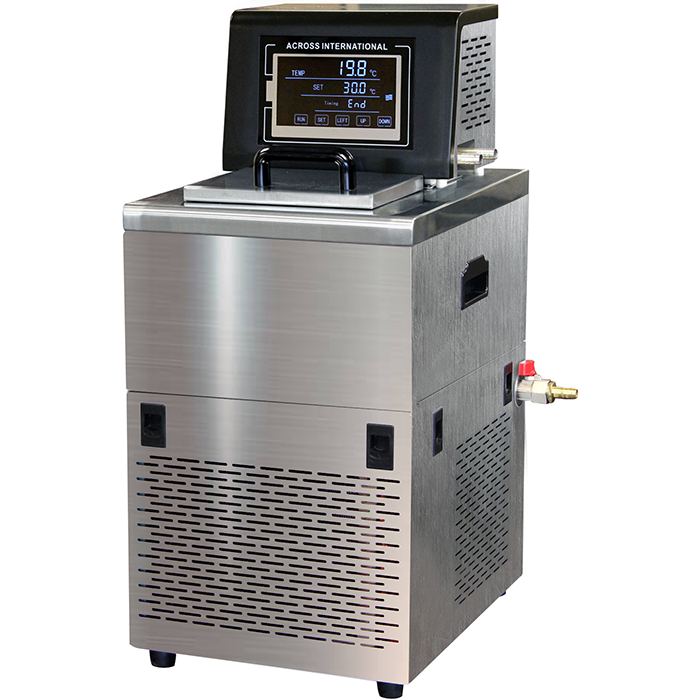
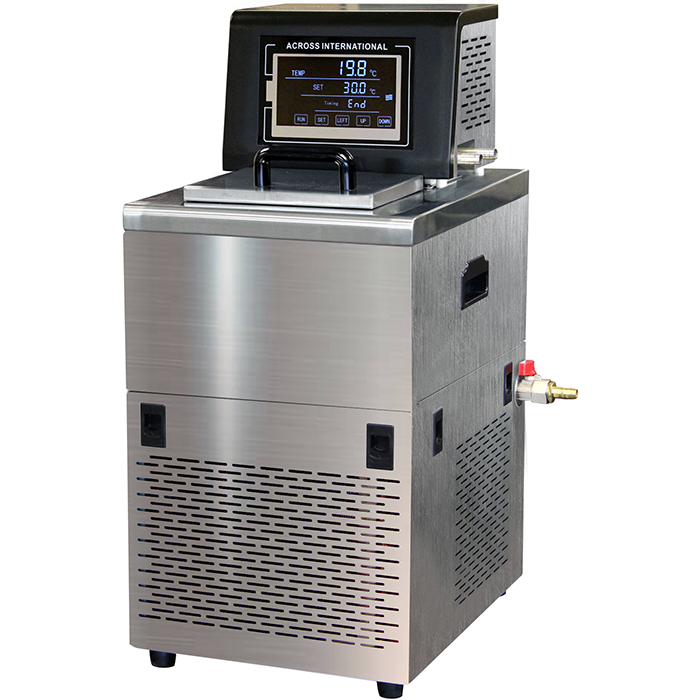
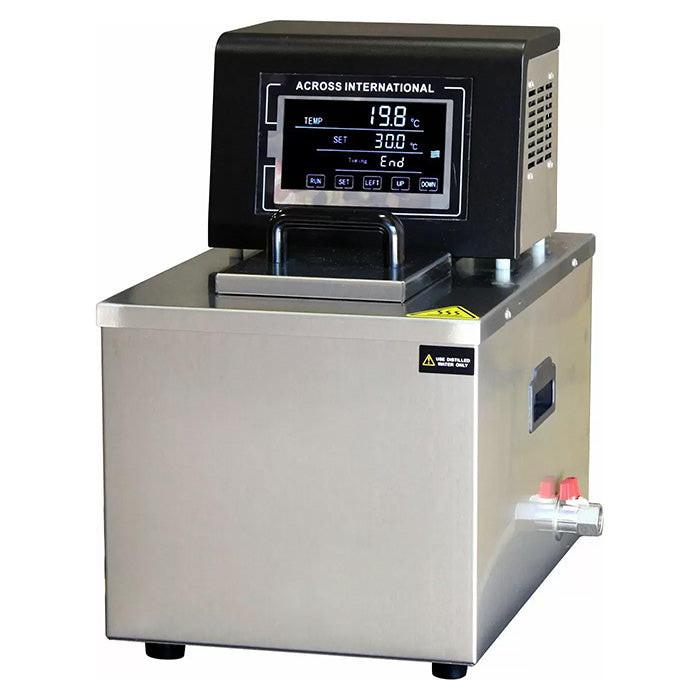
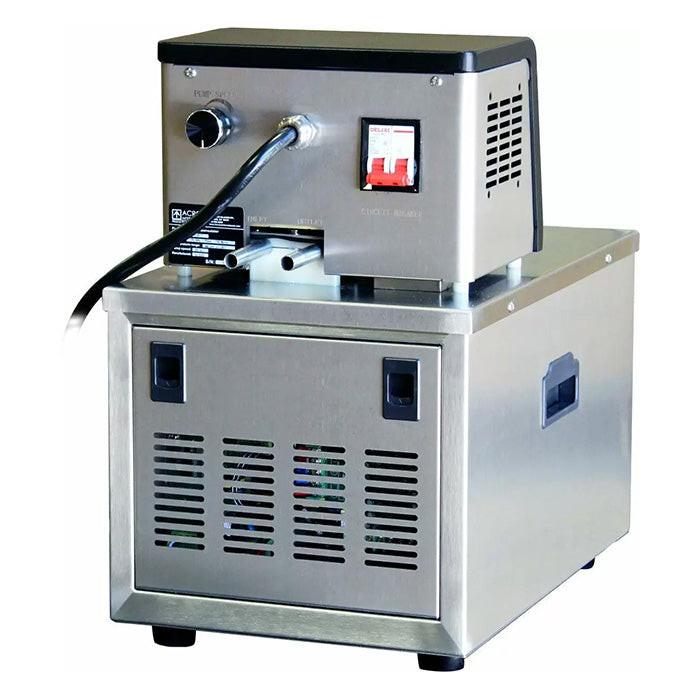
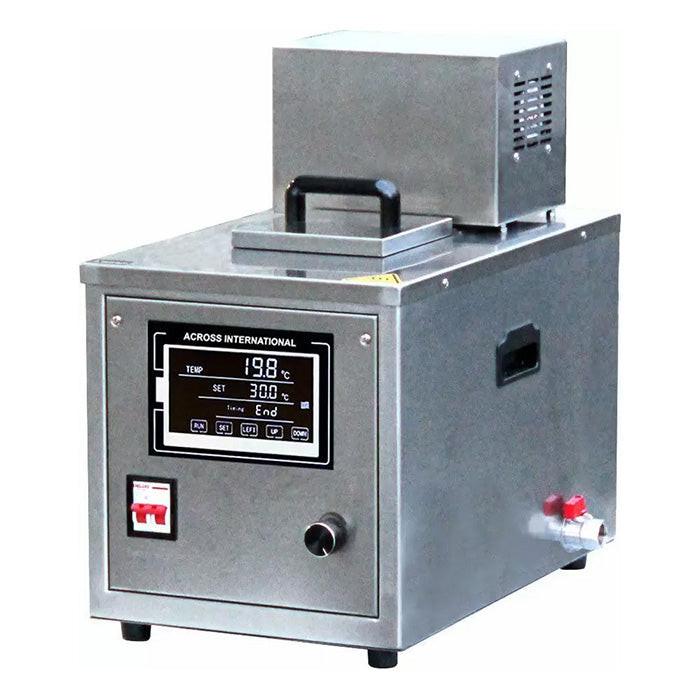
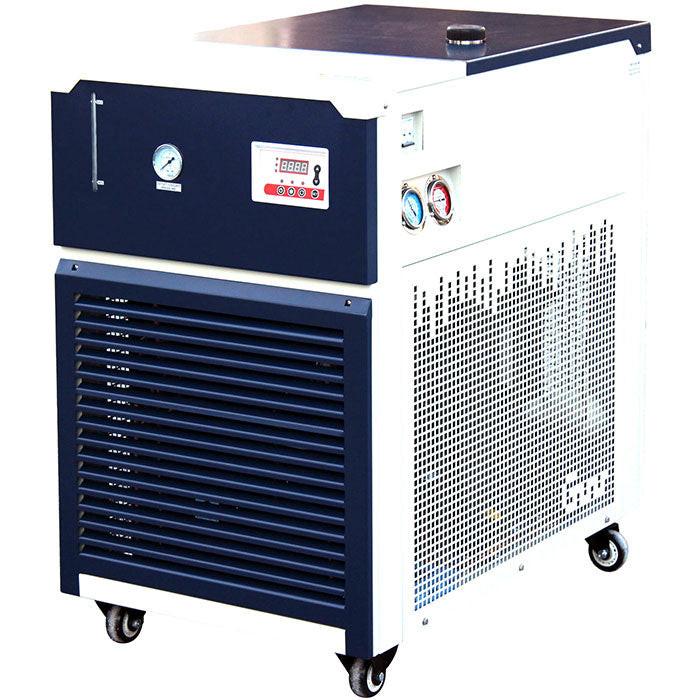
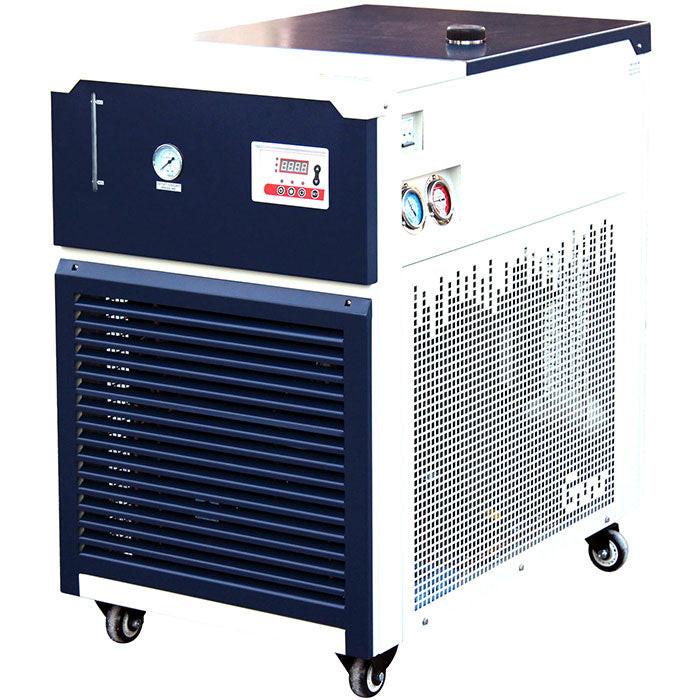
Recirculating Chillers & Heaters for Hydroponics
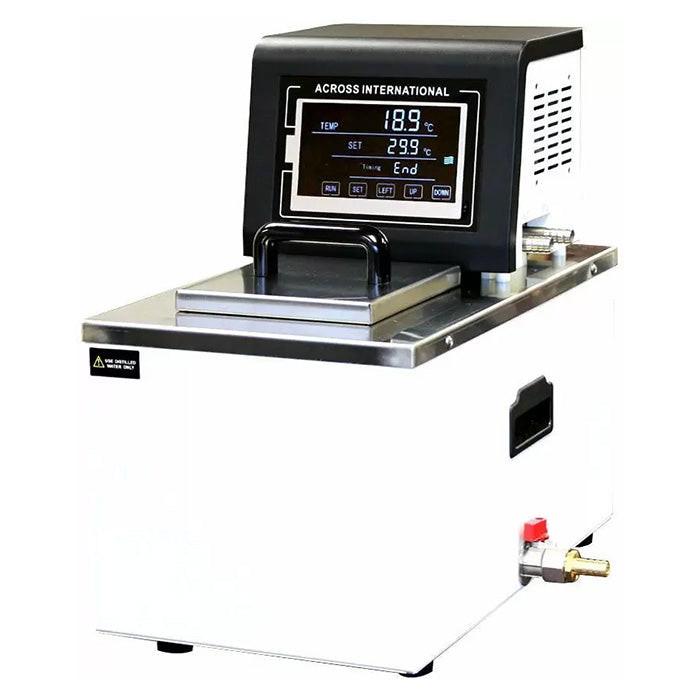
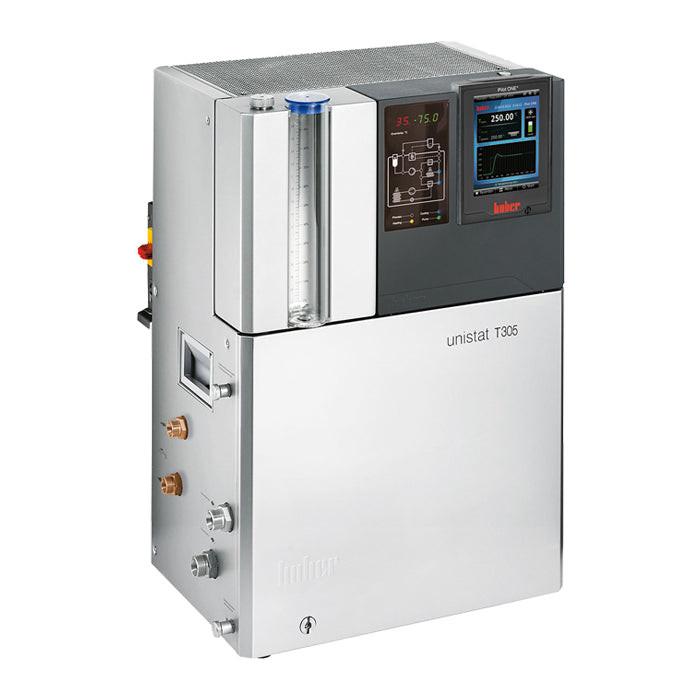
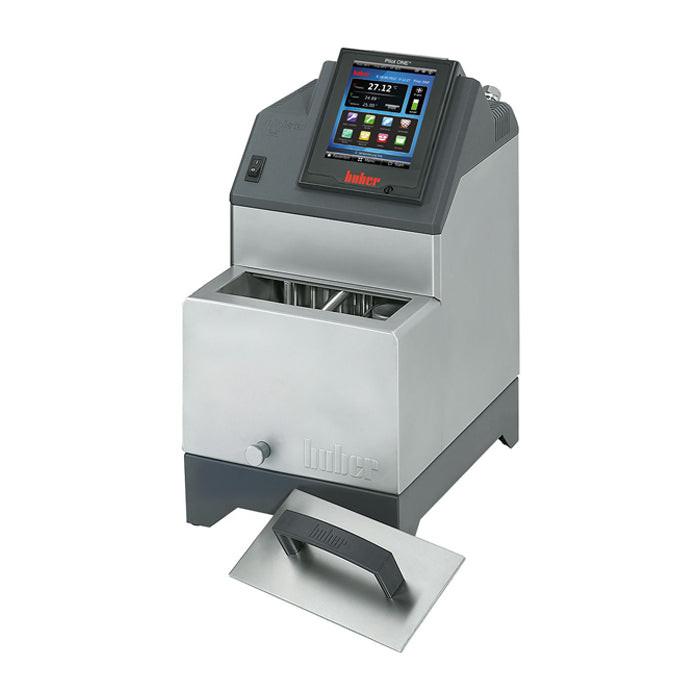
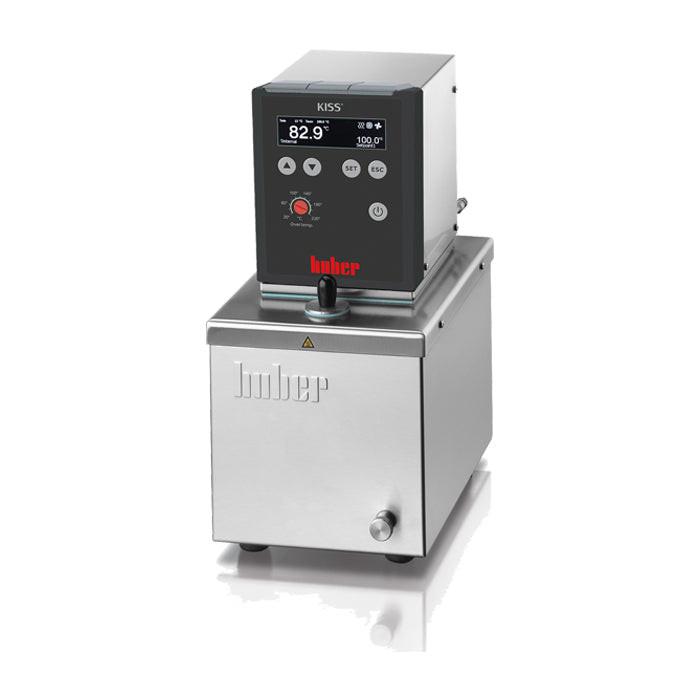
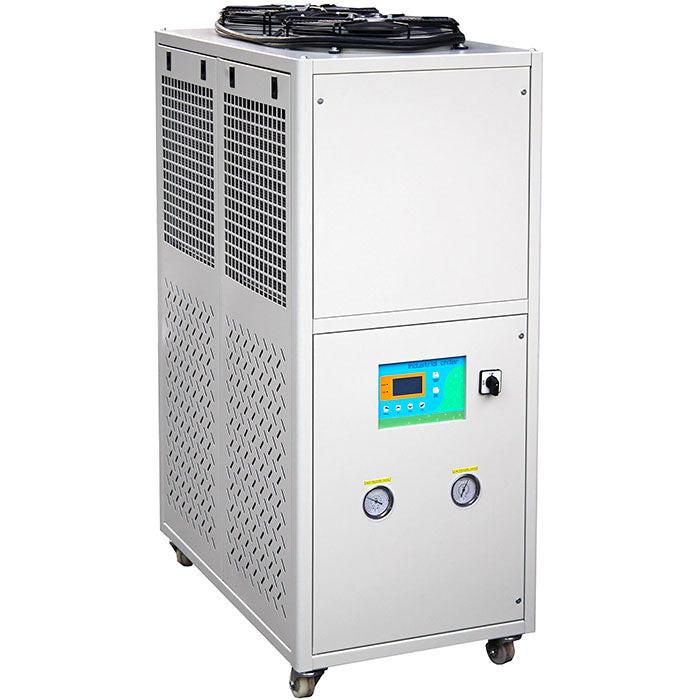
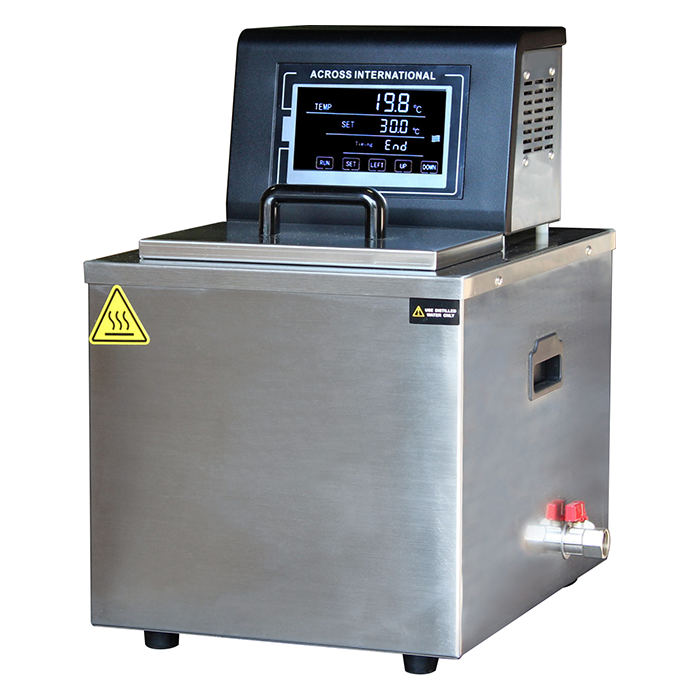
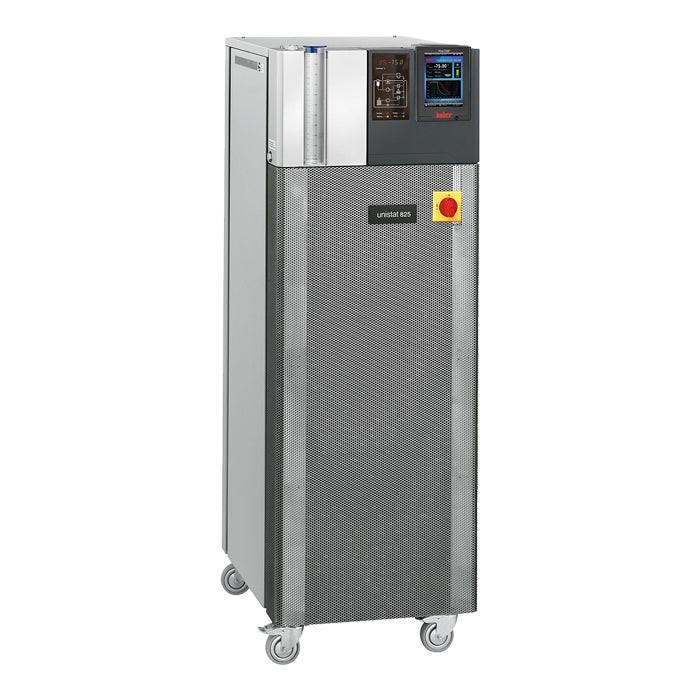
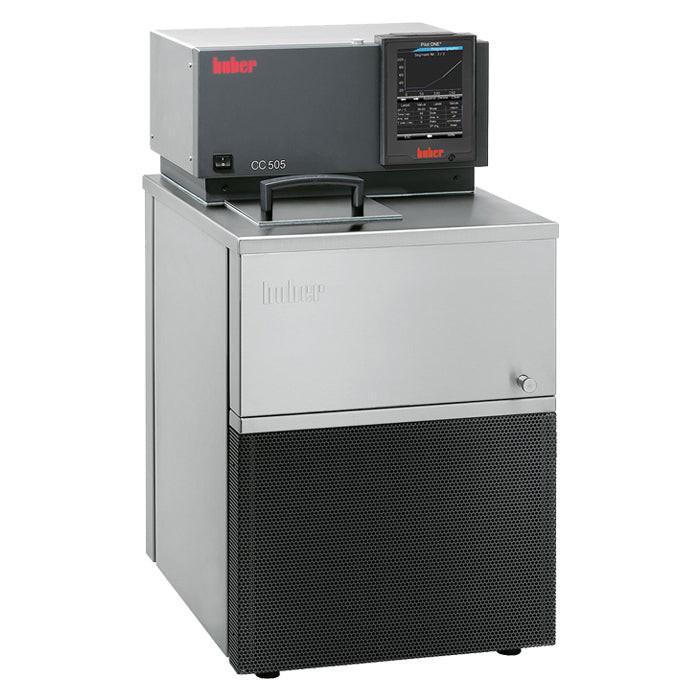
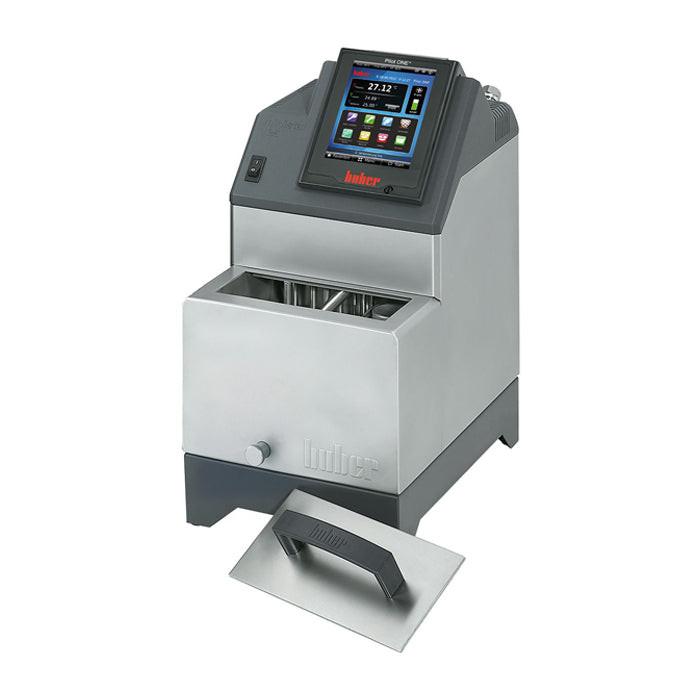
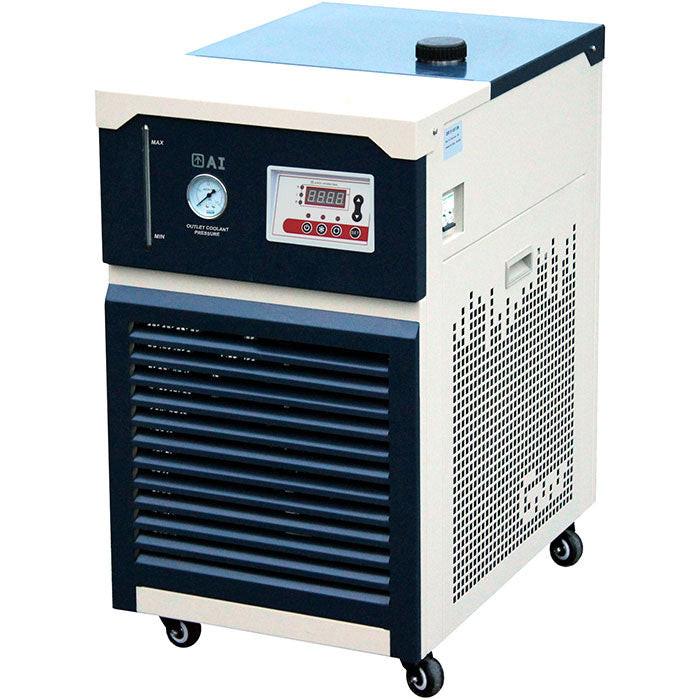
Recirculating chillers and heaters are precision temperature control units that maintain a target water temperature by circulating fluid through an internal heat exchanger -- cooling or heating the fluid to setpoint and recirculating it continuously. In hydroponic applications, they provide the most precise reservoir temperature control available, holding nutrient solution temperature within 1-2 degrees F of setpoint across varying ambient conditions. This level of precision matters most in RDWC and DWC systems where dissolved oxygen levels and root zone temperature are directly tied to reservoir temperature.
Recirculating Chillers for Commercial Hydroponics
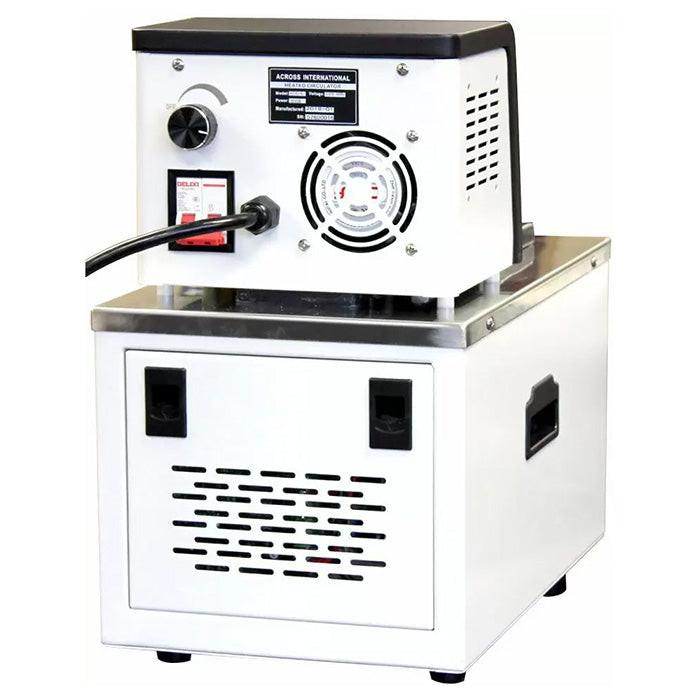
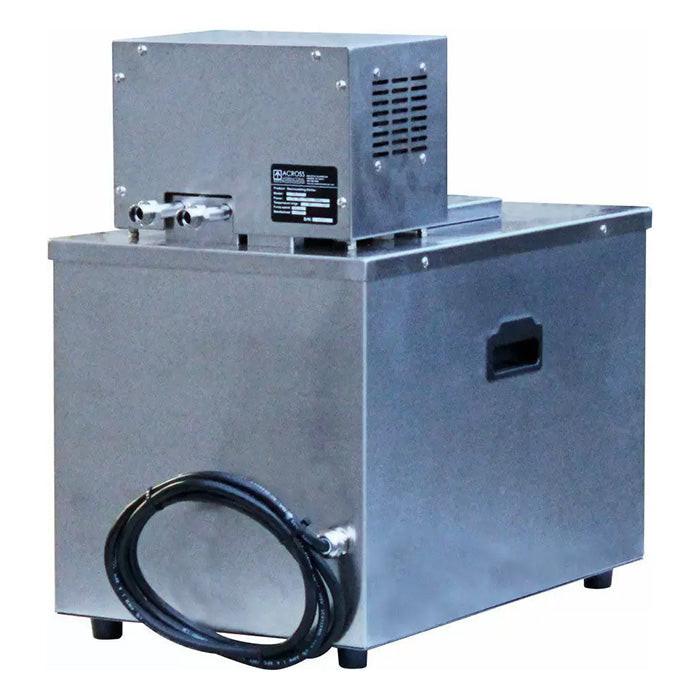
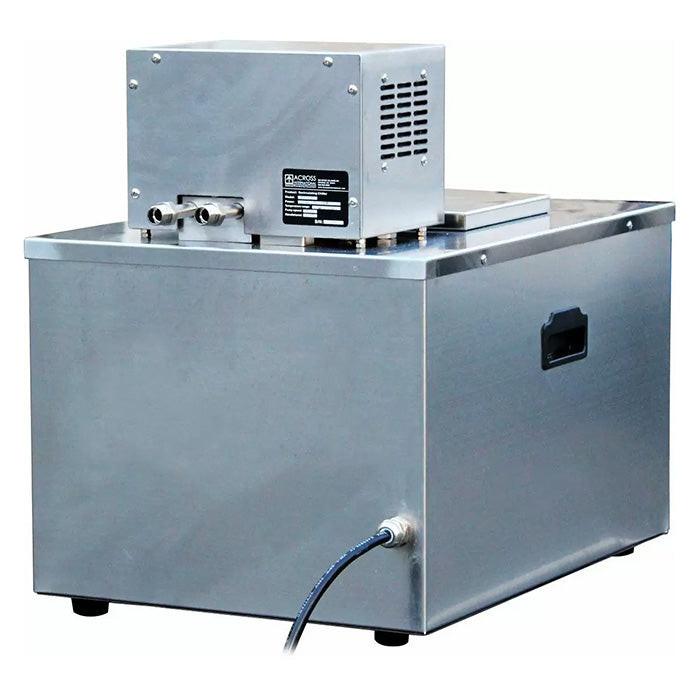
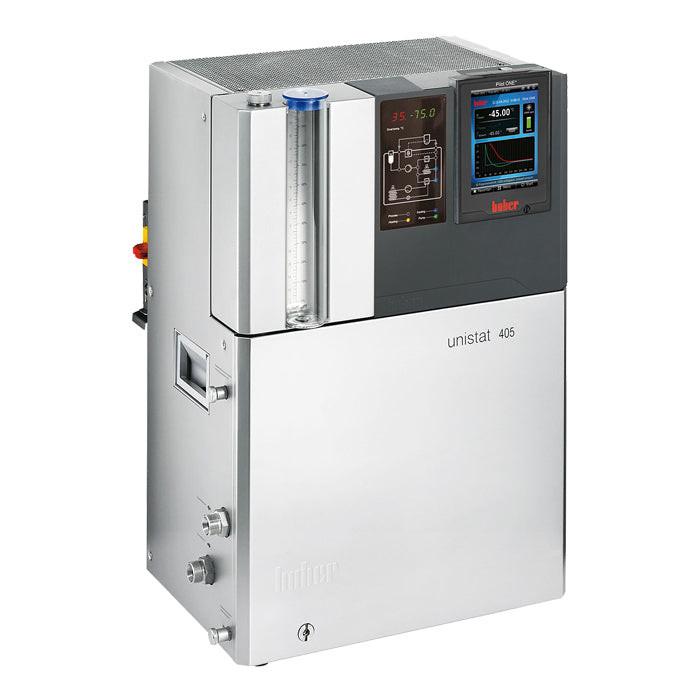
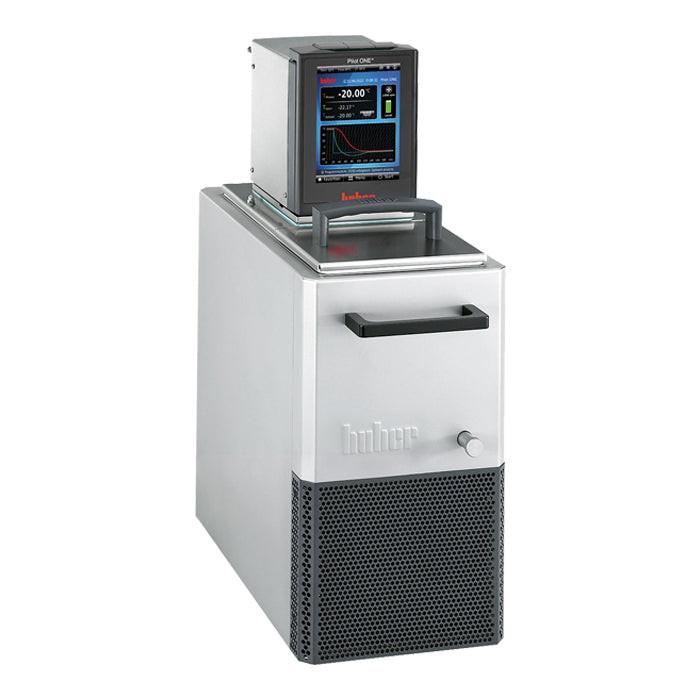
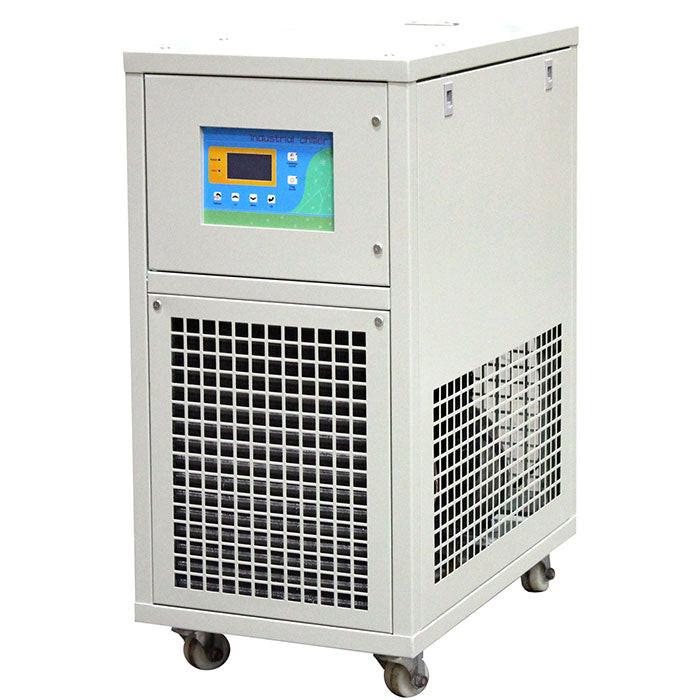
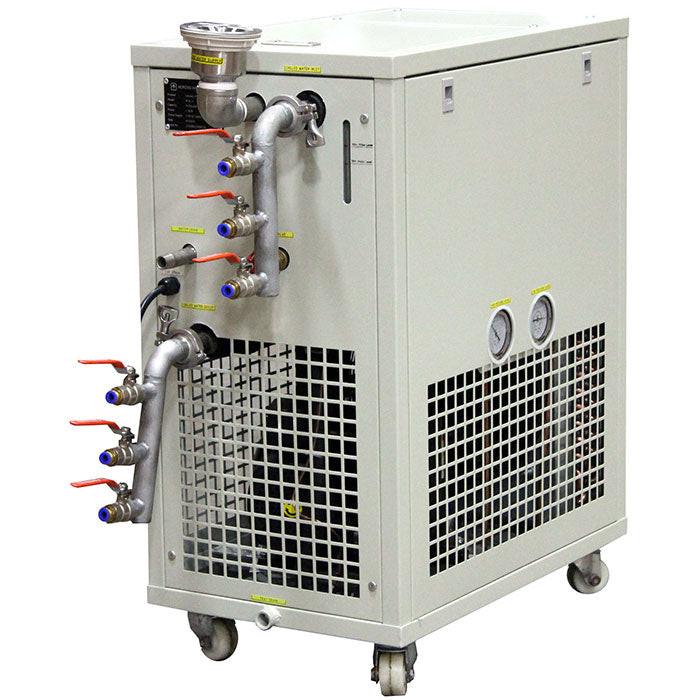
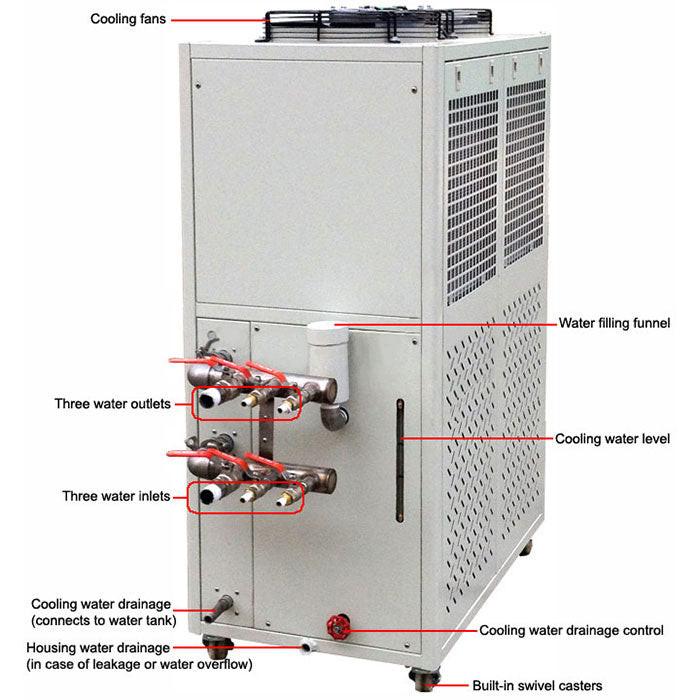
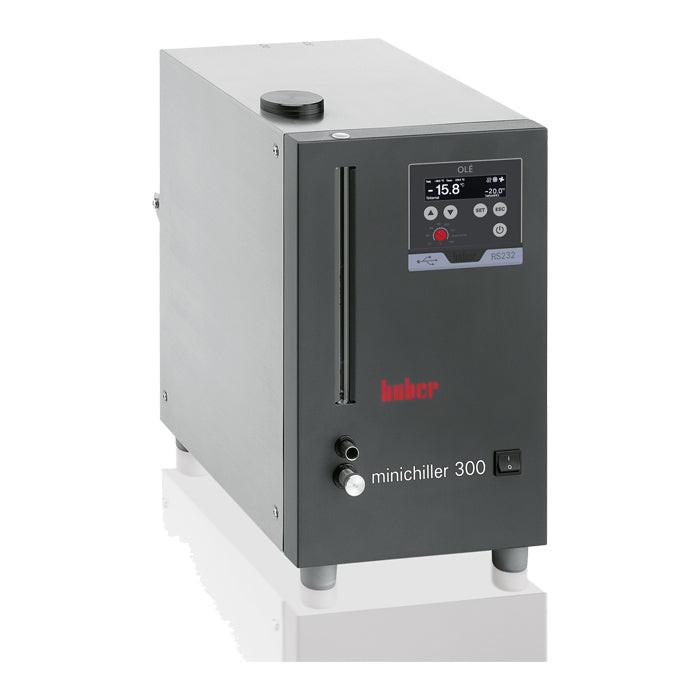
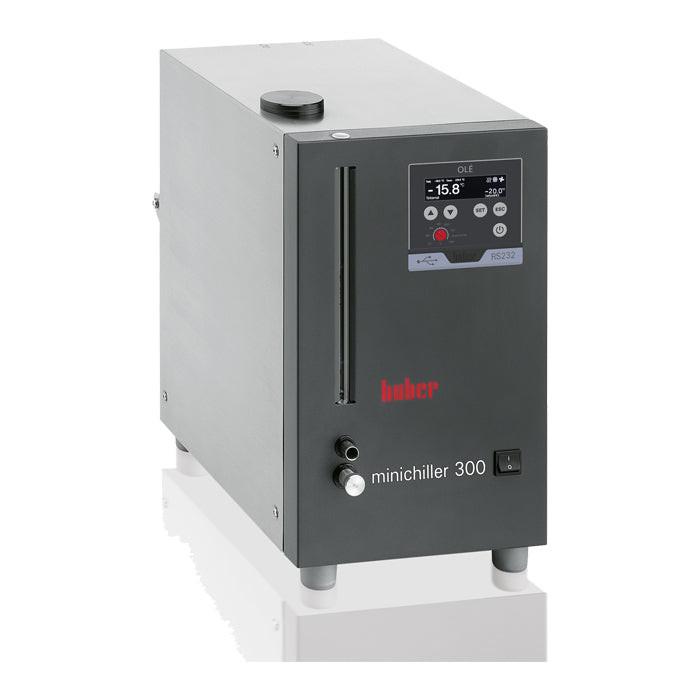
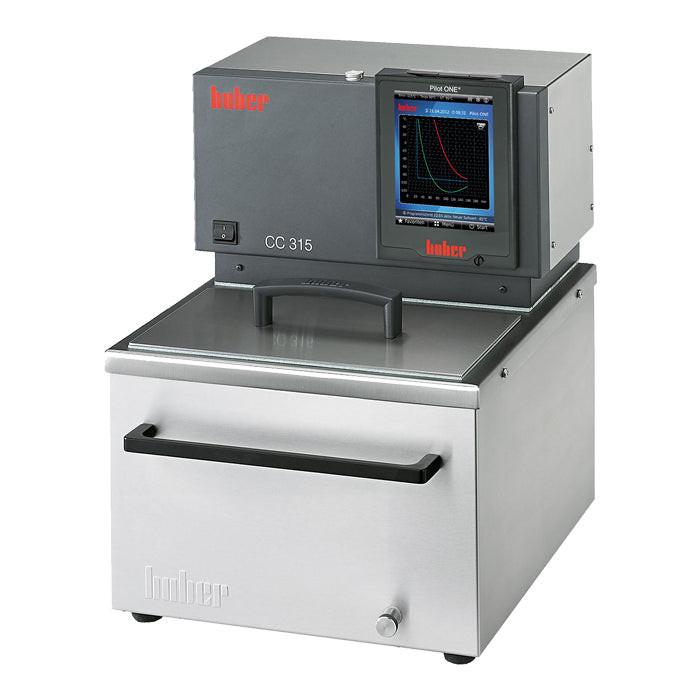
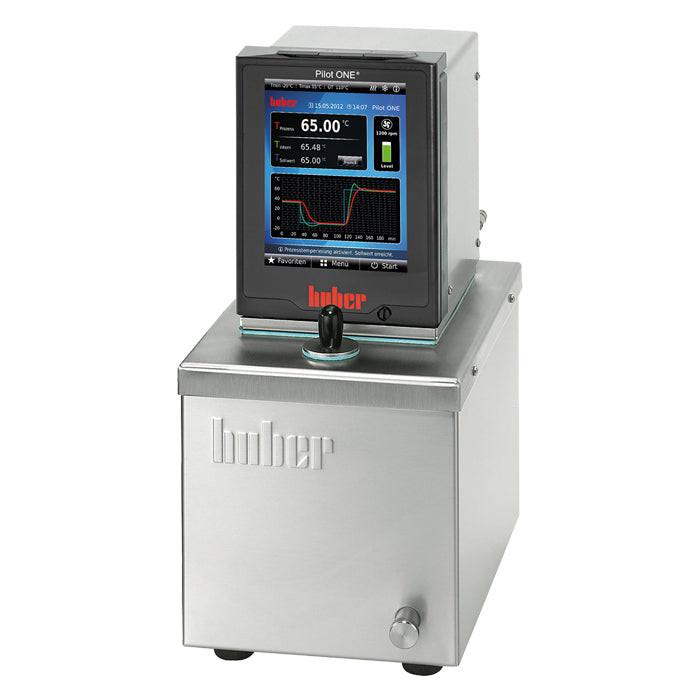
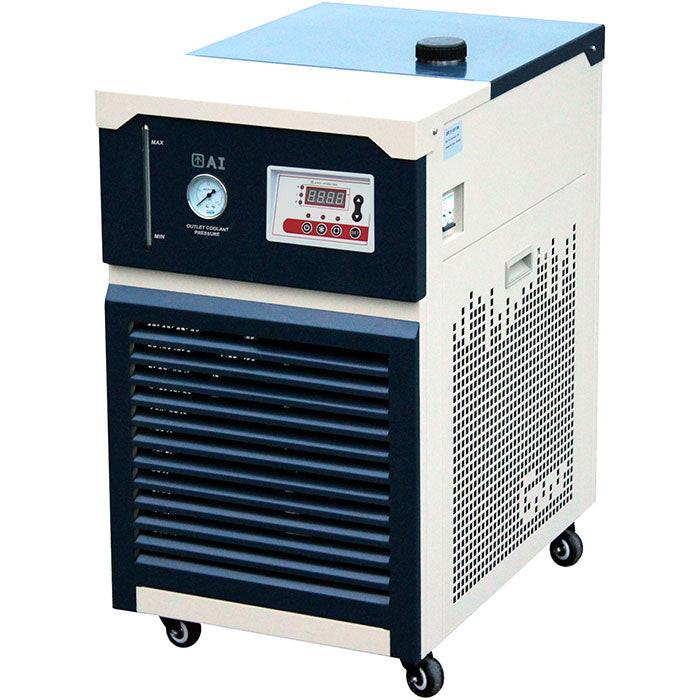
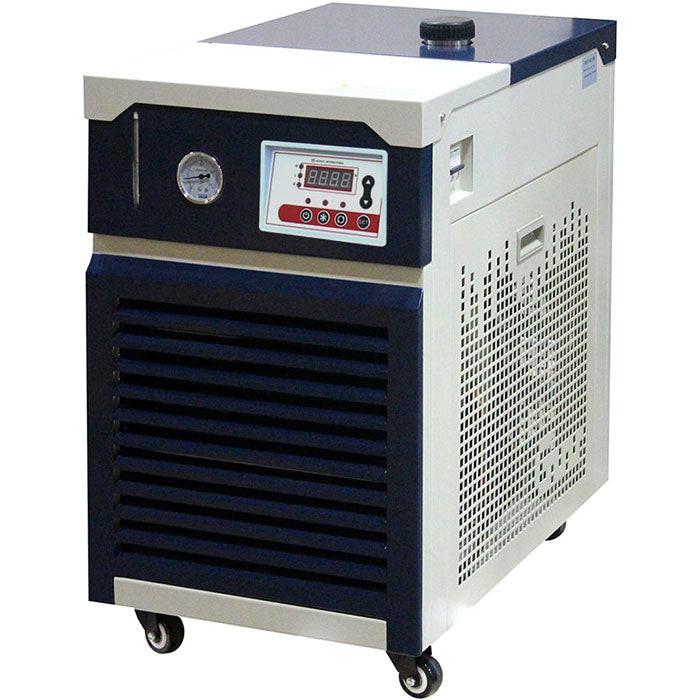
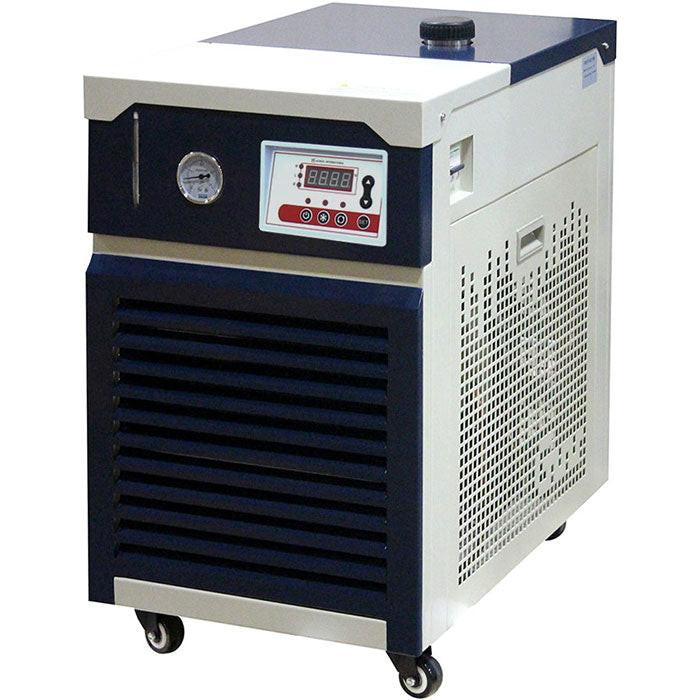
Commercial recirculating chillers (also called water chillers or liquid chillers) are the professional-grade solution for large reservoir temperature management in RDWC systems, commercial DWC operations, and any hydroponic application where maintaining precise water temperature is operationally critical. Units are rated in HP (horsepower) of refrigeration capacity and in BTU/hr. Connect via inlet and outlet ports plumbed into the reservoir recirculation loop -- the chiller draws warm reservoir water, cools it to setpoint, and returns cooled water to the reservoir continuously. Titanium heat exchanger construction is mandatory for nutrient solution contact -- copper and stainless exchange surfaces corrode in hydroponic solution chemistry. Pair with a commercial pump for the circulation loop if one is not integrated. Expert support available.
Temperature Controllers & Integration
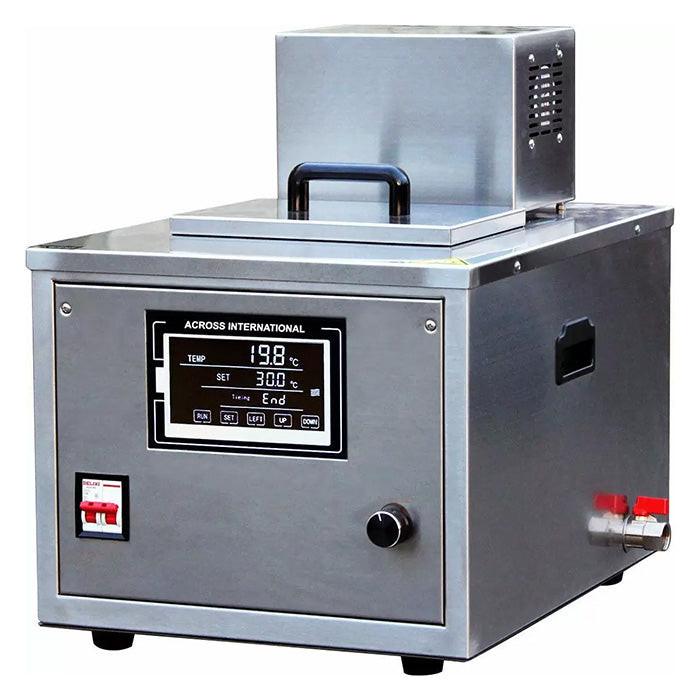
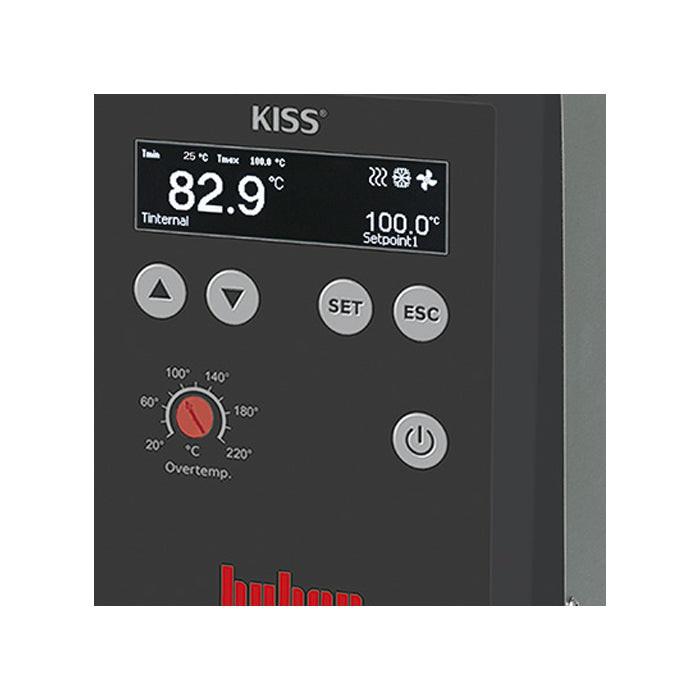
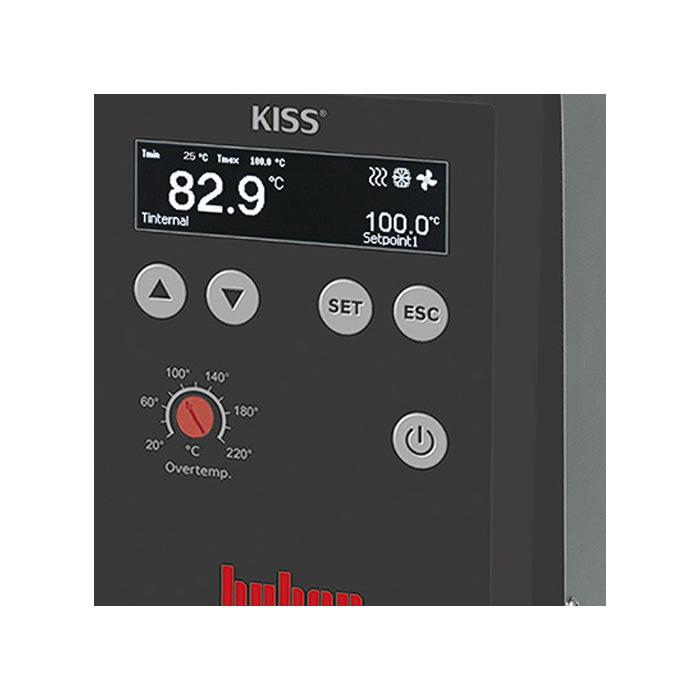
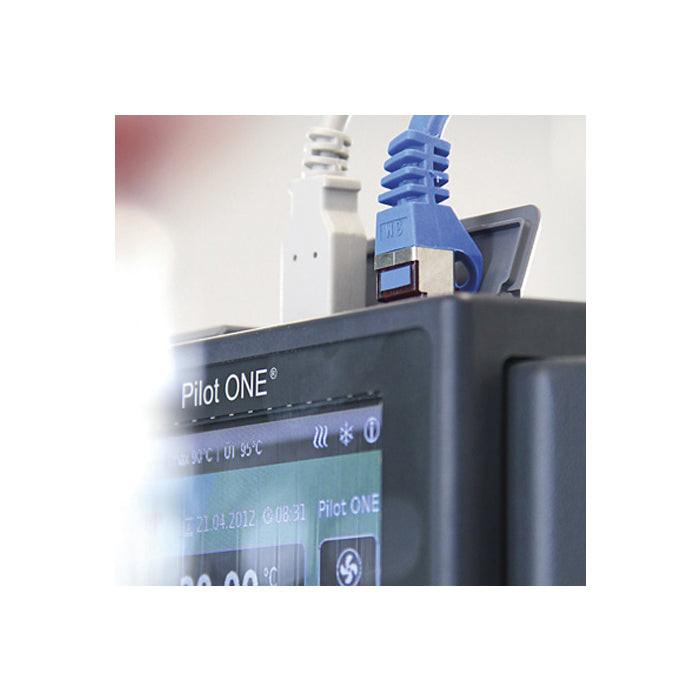
Most quality recirculating chillers include an integrated digital thermostat with setpoint control and temperature display. For operations that want reservoir temperature integrated into a complete environmental monitoring and control system, external temperature probes and relay controllers allow chiller operation to be managed alongside dehumidification, air conditioning, and nutrient dosing from a single environment controller interface. Fast shipping.
Recirculating Chillers FAQ
What is the difference between a hydroponic chiller and a recirculating chiller?
The terms are often used interchangeably in hydroponic applications -- both describe refrigeration units that cool water by circulating it through a heat exchanger. "Recirculating chiller" more specifically describes units with an integrated pump that actively circulates the cooled fluid through a loop, as opposed to passive heat exchange models. In hydroponic use, a recirculating chiller connects inline in the reservoir recirculation loop; the term "hydroponic chiller" describes any chiller designed specifically for nutrient solution contact with titanium heat exchanger construction. Most units marketed for hydroponic use are recirculating designs.
What HP chiller do I need for my RDWC system?
Match chiller capacity to reservoir volume and heat load. General guidelines: 1/10 HP for 25-40 gallons; 1/4 HP for 40-80 gallons; 1/2 HP for 80-150 gallons; 1 HP for 150-300 gallons. These estimates assume a climate-controlled grow room maintained below 75 degrees F. In warm environments or rooms with significant heat load, size up. For large commercial RDWC systems above 300 gallons, consult our commercial team for multi-chiller configurations -- call 888-815-9763. Commercial accounts available.
Why does my hydroponic reservoir get warm?
Reservoir warming has several common sources: ambient room temperature above 72 degrees F warming the reservoir passively; pump heat (submersible pumps dissipate motor heat into the reservoir water); light heat entering uncovered or clear reservoirs; and in warm climates, conduction through reservoir walls from warm floor surfaces. Covering reservoirs (eliminating light entry and reducing convective heat exchange with warm room air), using an external inline pump instead of a submersible (keeps motor heat out of the reservoir), and active chilling with a recirculating chiller address the various heat sources systematically.
Can I use a fish tank chiller for hydroponics?
Yes -- aquarium/fish tank chillers work for hydroponic reservoir temperature management provided they use titanium heat exchanger construction. Copper and stainless steel heat exchangers (common in cheaper aquarium chillers) corrode rapidly in nutrient solution chemistry and can introduce toxic metal ions into the solution. Always verify the heat exchanger material before purchasing a chiller for hydroponic use. Titanium construction is the industry standard for hydroponic chillers and should be explicitly specified in the product description.
What temperature should I set my recirculating chiller?
Target 65-68 degrees F (18-20 degrees C) for most DWC and RDWC crops. This range maximizes dissolved oxygen content (9+ mg/L), keeps root pathogens like Pythium at competitive disadvantage, and maintains adequate enzyme activity for active root nutrient uptake. Setting the chiller to 65 degrees F provides 2-3 degrees of thermal margin before reaching the upper limit of 68 degrees F on warm days. Some growers prefer 62-65 degrees F for even higher DO in high-density commercial operations -- this is effective but increases chiller operating hours and electricity consumption.