Flower & Bud Sorters for Post-Harvest Processing
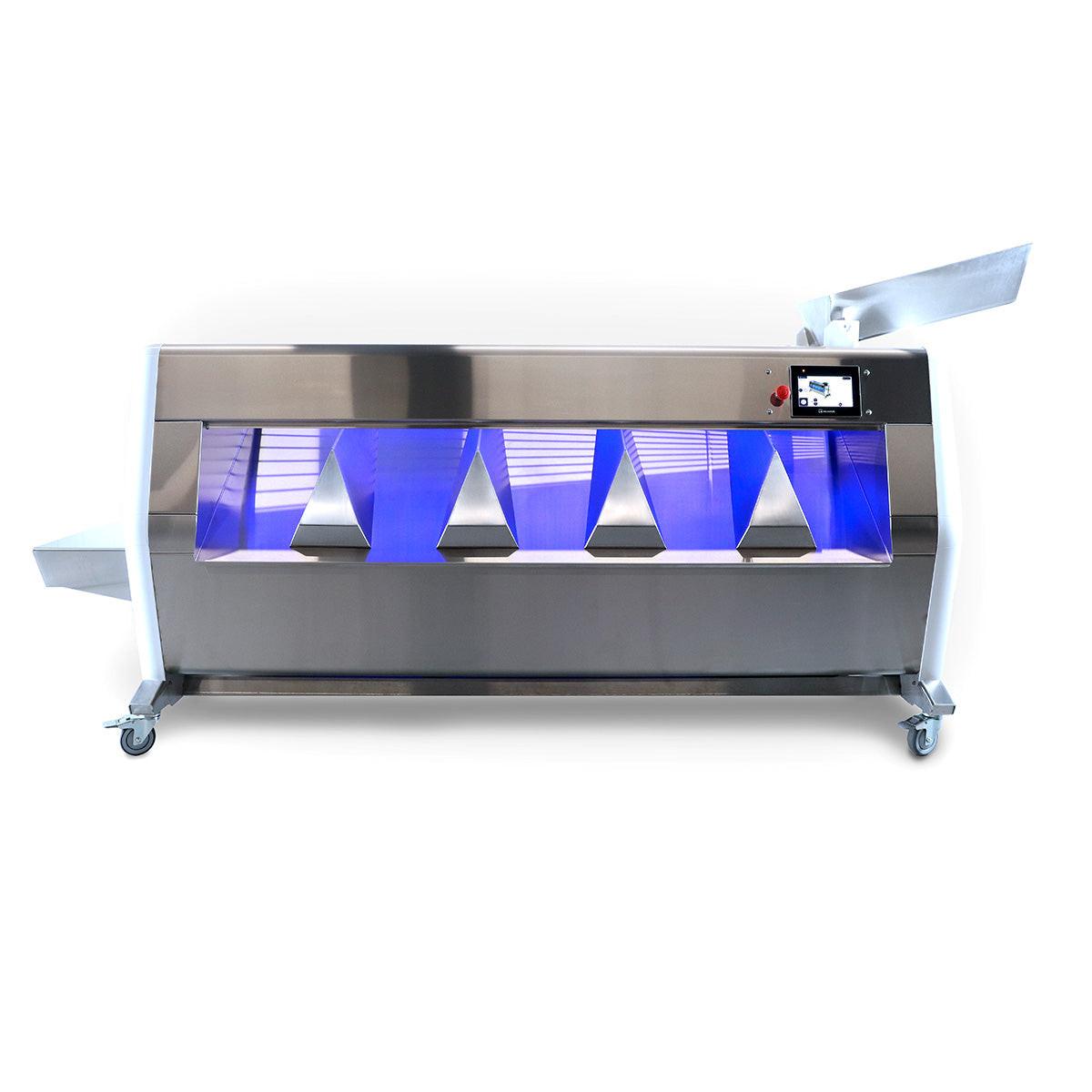
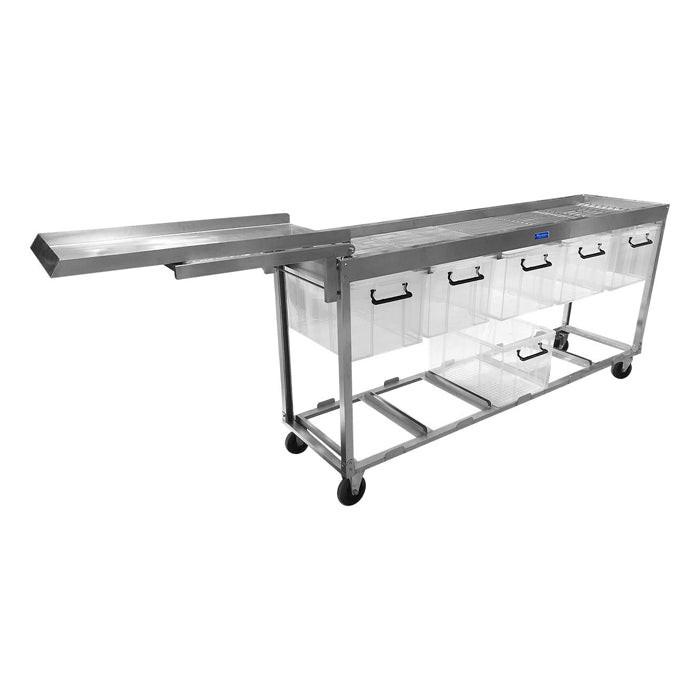
Flower and bud sorters are post-harvest grading machines that separate harvested material by size -- using vibrating screens, tumbling drums, or tiered mesh trays to sort smaller material (trim, shake, smalls) from larger premium flower. In commercial harvest processing workflows, sorting by size follows machine trimming and precedes final packaging -- separating premium large-flower product from smaller material that commands different pricing or has different downstream applications. Consistent size grading improves uniformity and visual quality of the final packaged product.
Mechanical Sorter Types
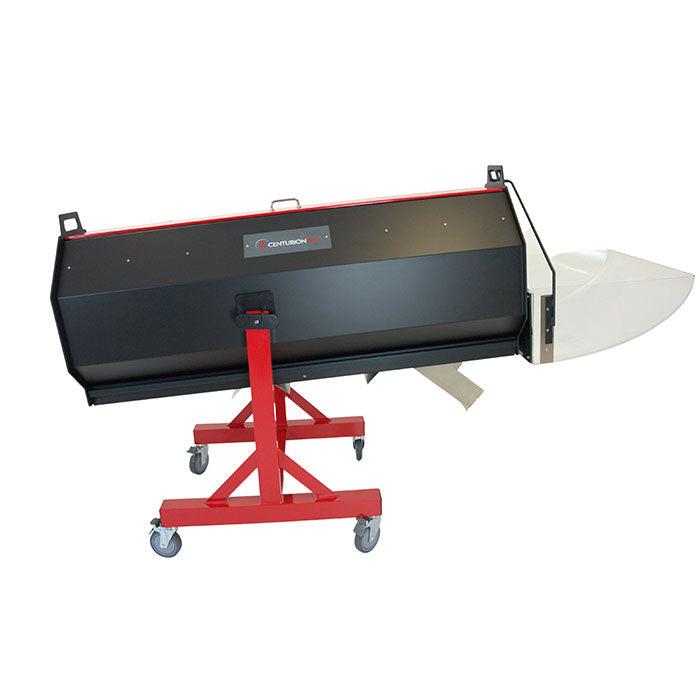
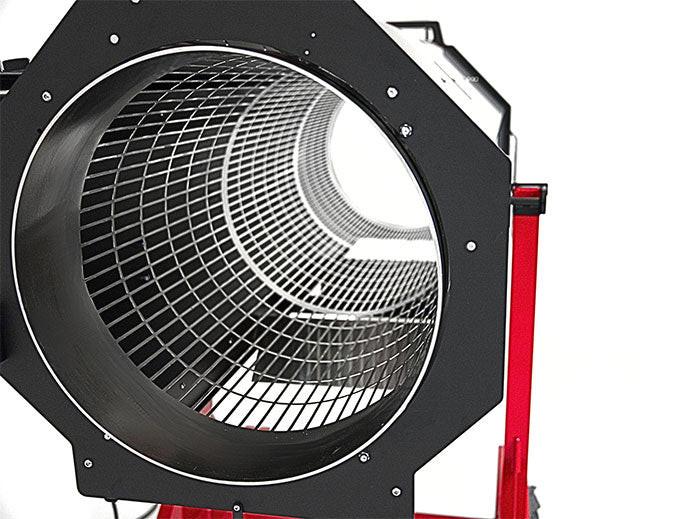
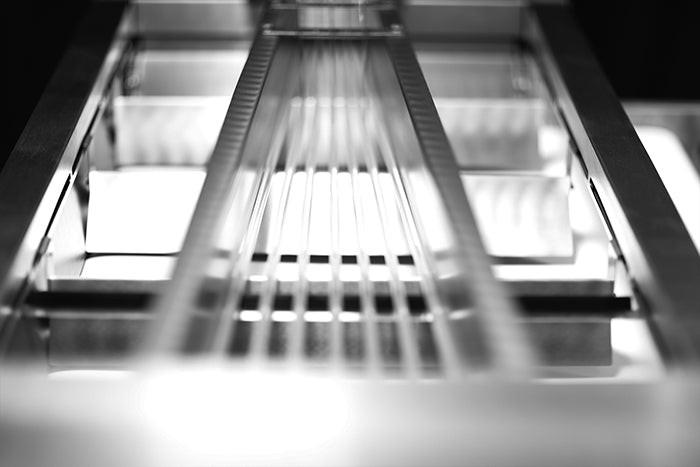
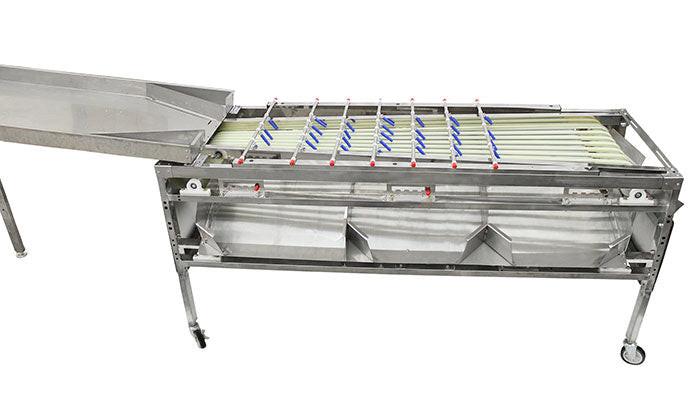
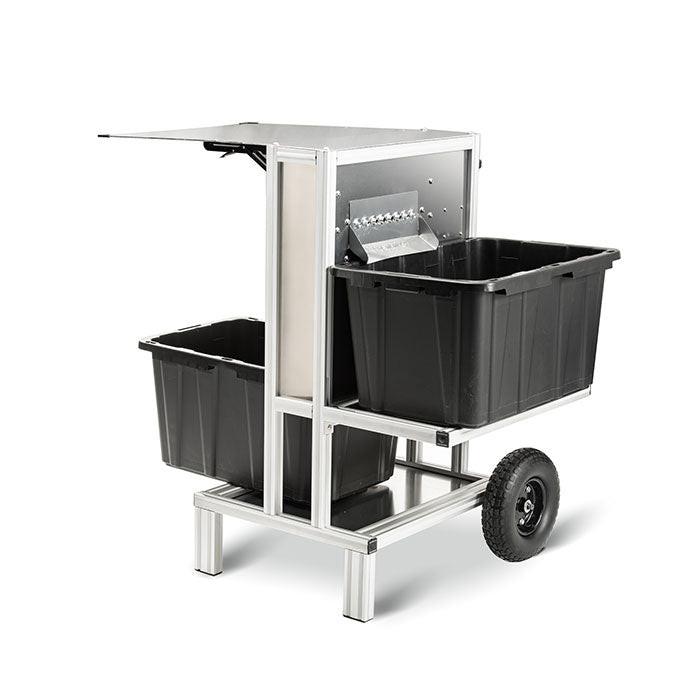
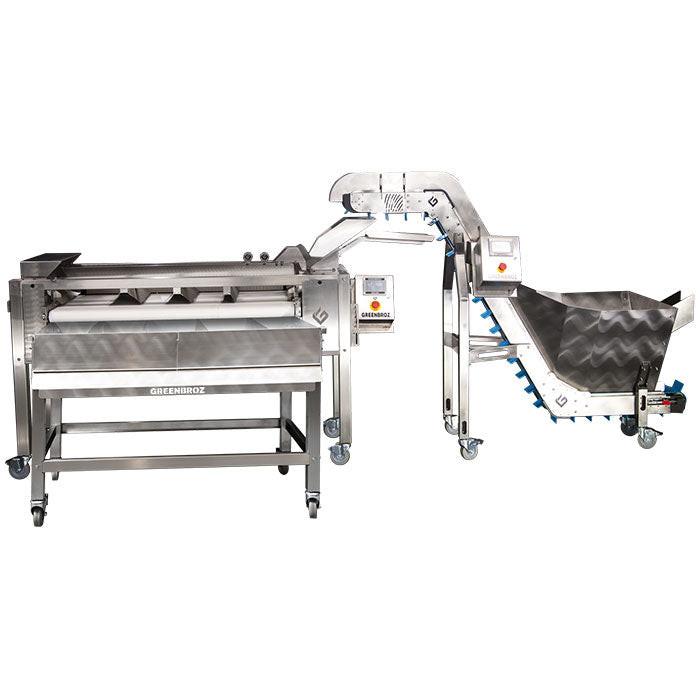
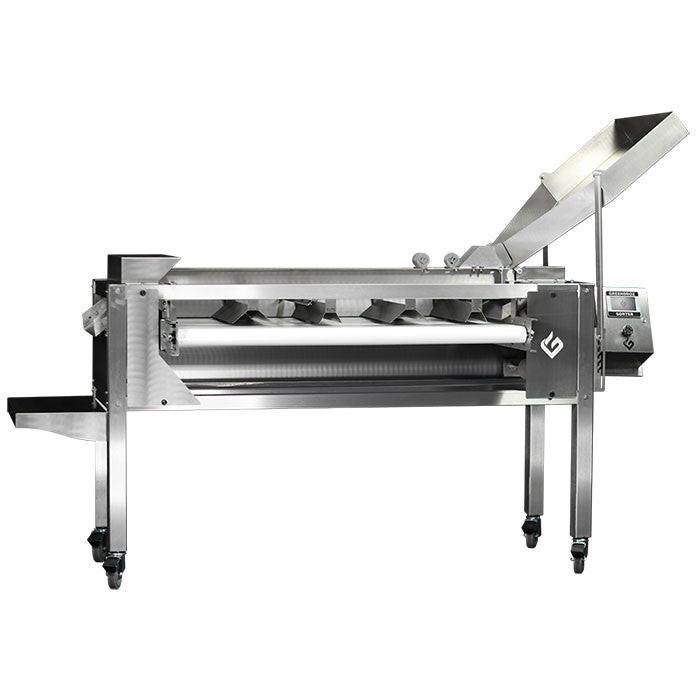
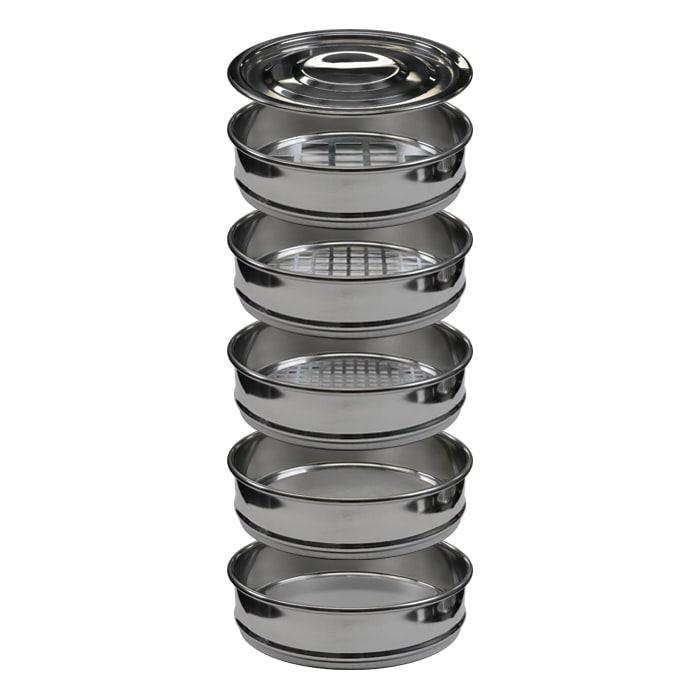
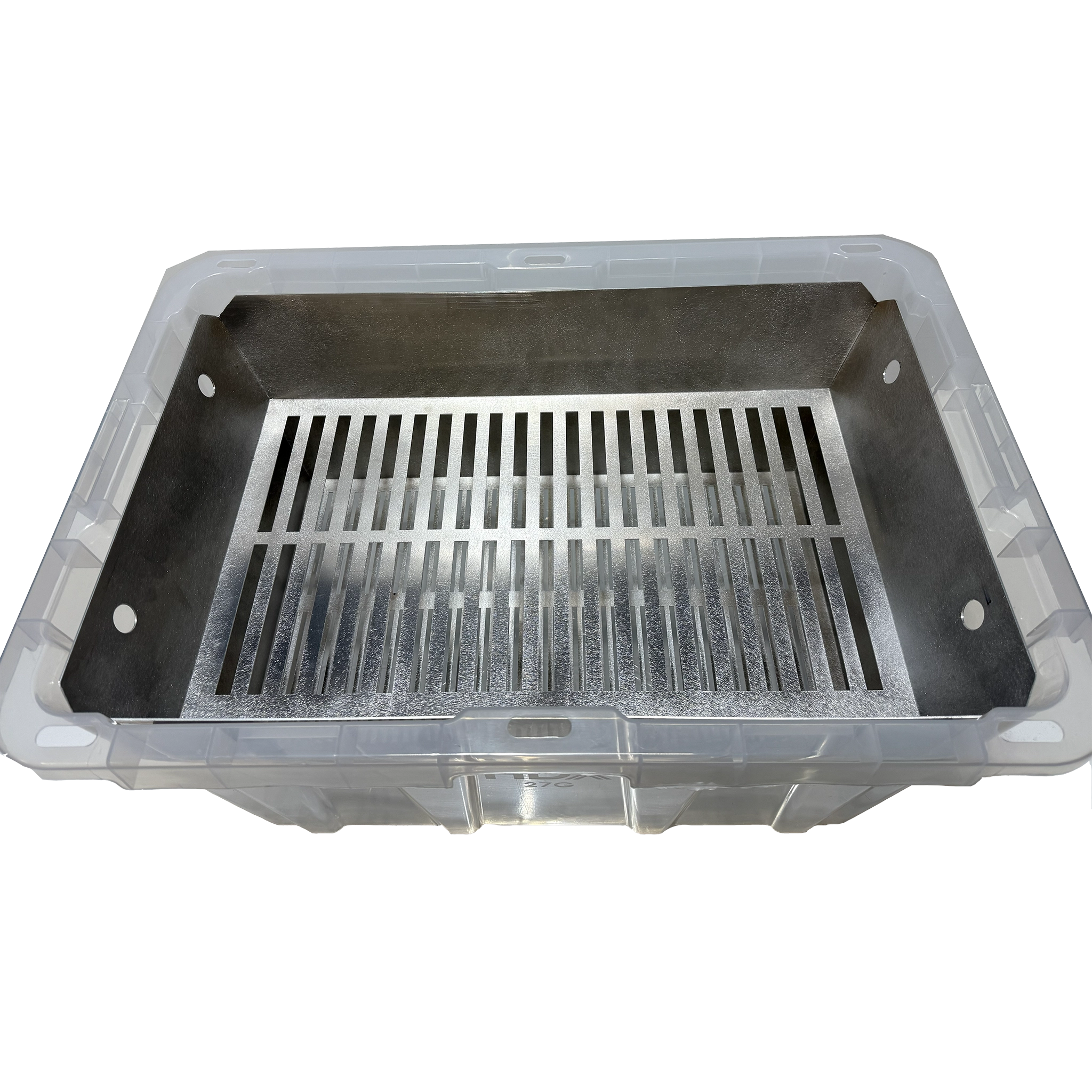
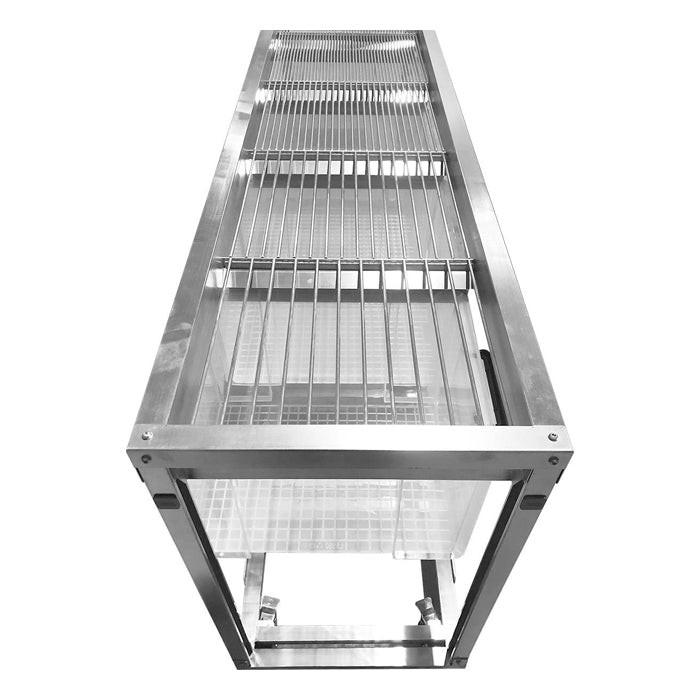
Vibratory screen sorters use motor-driven vibration to move material across a series of mesh screens with progressively smaller openings -- material larger than each screen opening is retained and diverted to its size category while smaller material falls through to the next stage. This gentle mechanical action minimizes physical damage to delicate flower material compared to tumbling approaches. Tumble drum sorters use a rotating perforated drum -- material smaller than the holes falls through while larger material is discharged at the drum exit. Multi-stage configurations with two or three drum sizes sort into three or more size grades in a single pass. Pair with a bucking machine and trimmer upstream for a complete post-harvest line.
Plant-Neutral Applications
Flower and bud sorters are used in commercial herb, floral, and specialty crop processing wherever consistent size grading of harvested floral material is a quality requirement. Lavender, chamomile, calendula, hops, and other specialty crop processors use the same sorting technology to separate large whole flower heads from smaller broken material and leaf fragments. The mechanical sorting principles are identical across all crop types -- only the screen mesh sizes and drum hole diameters change to match the specific size range of the crop being processed. Fast shipping.
Flower & Bud Sorters FAQ
How does a bud sorter work?
Bud sorters use mesh screens or perforated drum surfaces to separate harvested flower material by size. Material moves across the mesh surface -- through vibration (screen sorters) or rotation (drum sorters). Flower larger than the mesh opening is retained and exits at one end; smaller material falls through to a collection tray below. Multi-stage sorters stack two or three screen sizes to sort material into small, medium, and large categories in a single pass.
At what point in the harvest workflow does sorting happen?
Sorting follows trimming and precedes final packaging. The typical commercial sequence: (1) harvest and de-stem with a bucking machine, (2) machine trim for primary leaf removal, (3) hand-finish premium product, (4) sort by size to separate large whole flower from smaller material, (5) weigh and package by size grade. Sorting can also occur after drying -- dried material is more brittle and requires gentler handling, so vibratory screen sorters at lower vibration intensity are preferred over tumble drum approaches for dry material.
What mesh size should I use for sorting?
Mesh size determines the cutoff between size grades. Common commercial configurations: 1/2-inch screen retains large whole flower (the premium grade) while smalls and shake fall through; 1/4-inch screen retains medium-size pieces while fine trim and leaf fragments pass through. Two-screen setups sorting into three grades typically use 1/2-inch and 1/4-inch screens in series. The appropriate mesh sizes depend on the target crop variety and how the different size grades will be used downstream.
Can I sort both wet and dry material with a bud sorter?
Most commercial flower sorters handle both wet (freshly trimmed) and dry material with adjustments. Wet material is denser, stickier, and more fragile -- lower vibration intensity or slower drum rotation reduces mechanical damage and prevents wet material from clumping and blocking screen mesh. Dry material flows more freely but is more brittle -- screens should be clean and in good condition to prevent breakage. Check your specific sorter manufacturer's recommendations for wet vs. dry material handling.
Do I need a bud sorter or can I sort by hand?
For small hobby harvests, hand-sorting is practical -- visually separating large flower from trim and smalls by hand takes 20-30 minutes for a 1-2 lb batch. At commercial scale processing 50-500+ lbs per harvest, hand-sorting becomes a bottleneck that mechanical sorting eliminates. A mid-scale vibratory screen sorter processing 30-60 lbs per hour pays back quickly in labor savings at harvest. For operations processing 100+ lbs per cycle where consistent size grading is a quality requirement, a commercial sorter is a standard workflow component.