Coco Blocks & Coco Grow Bags
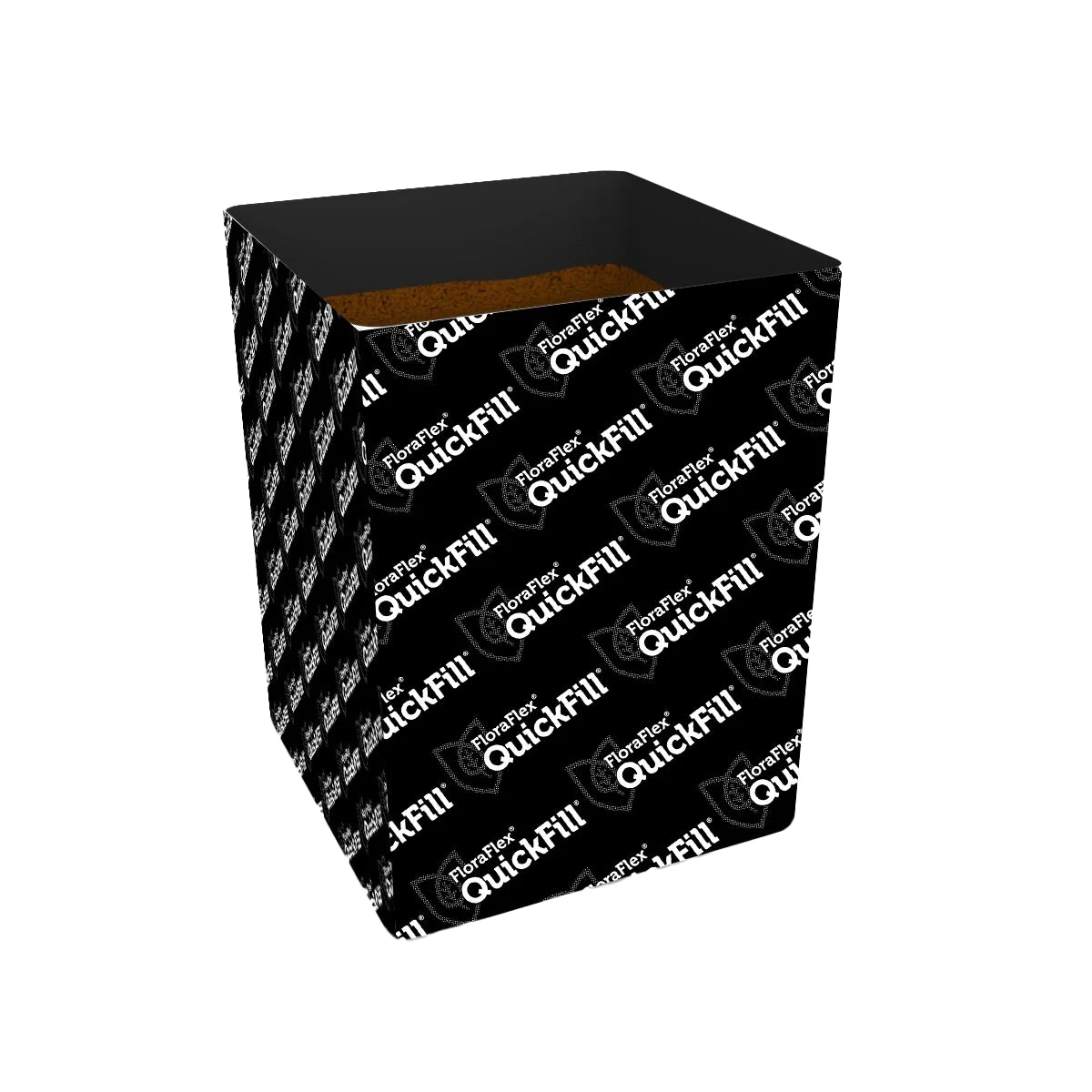
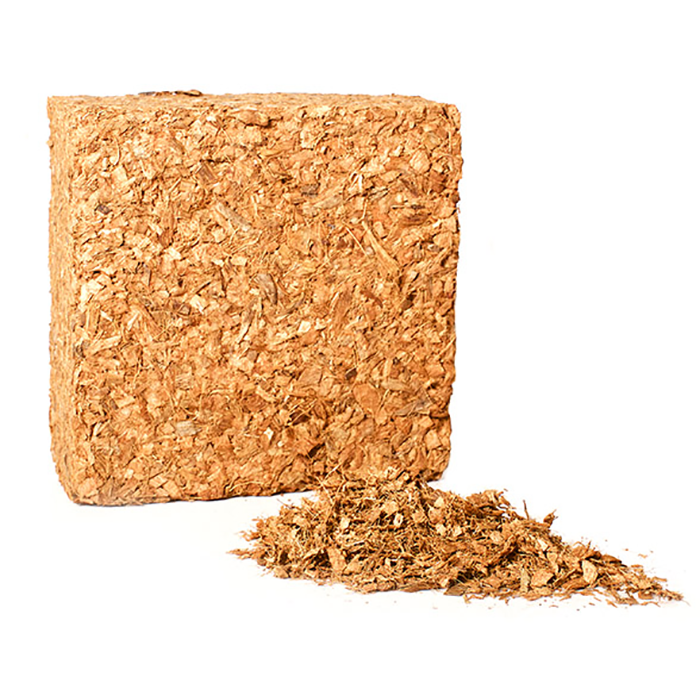
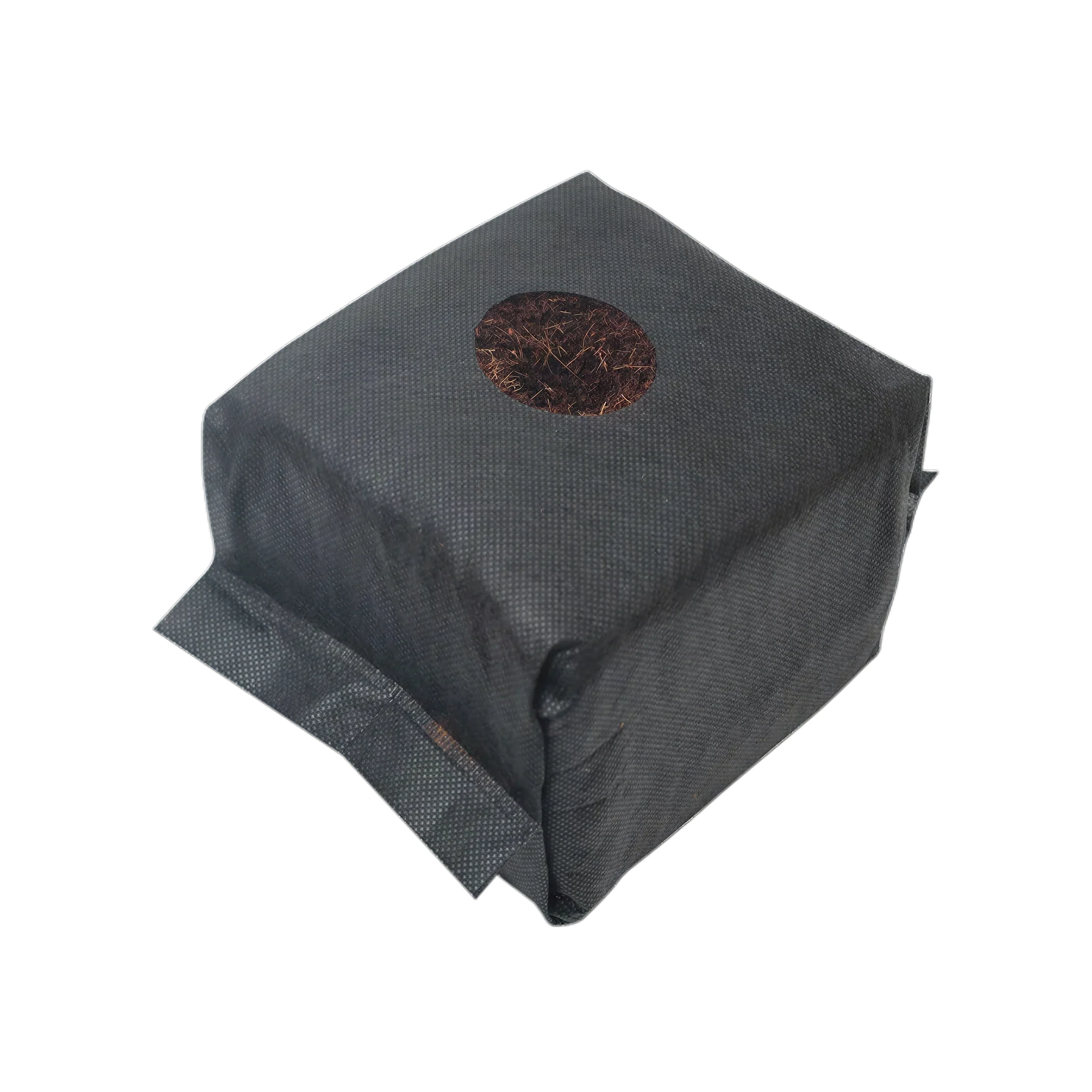
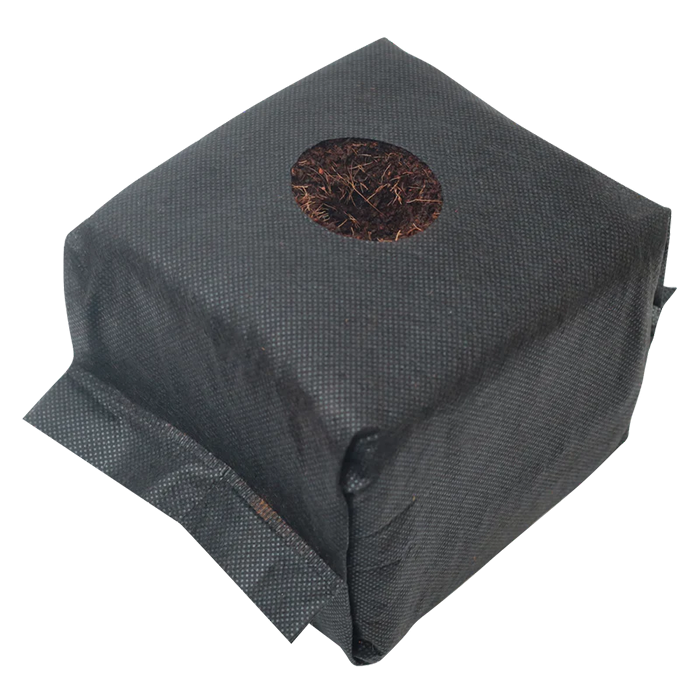
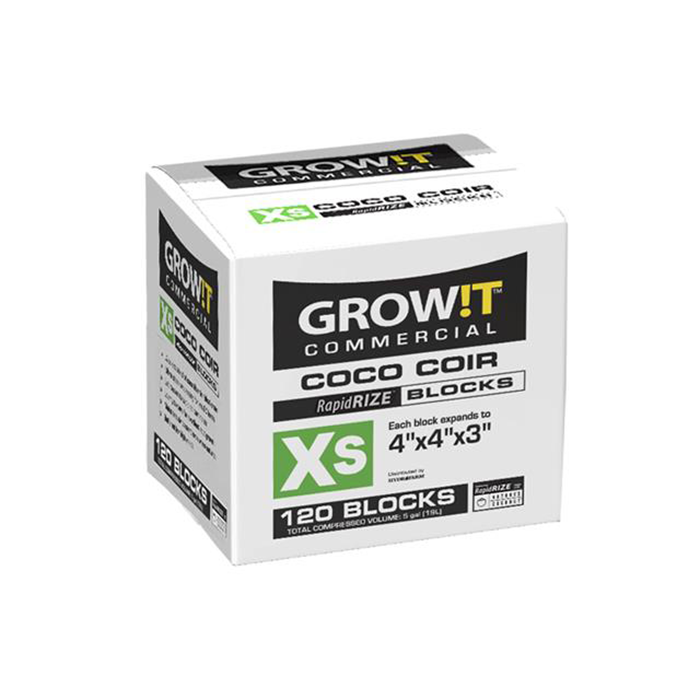
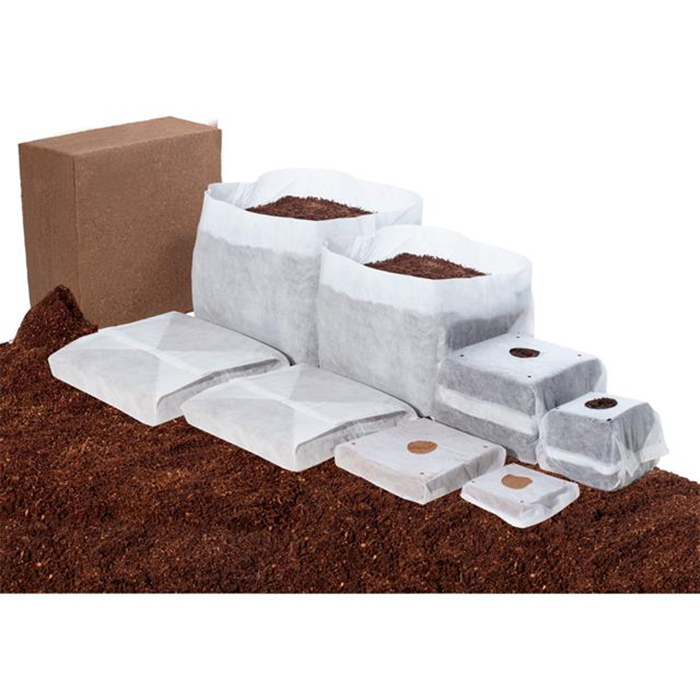
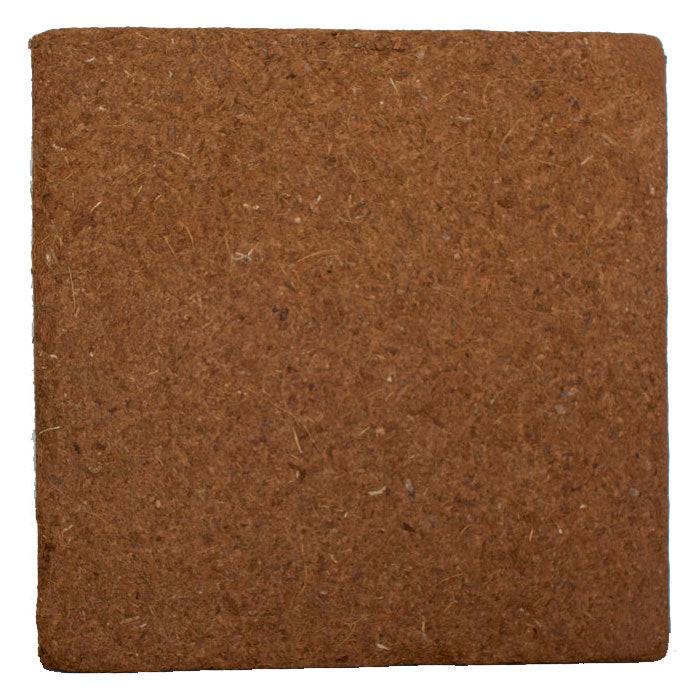
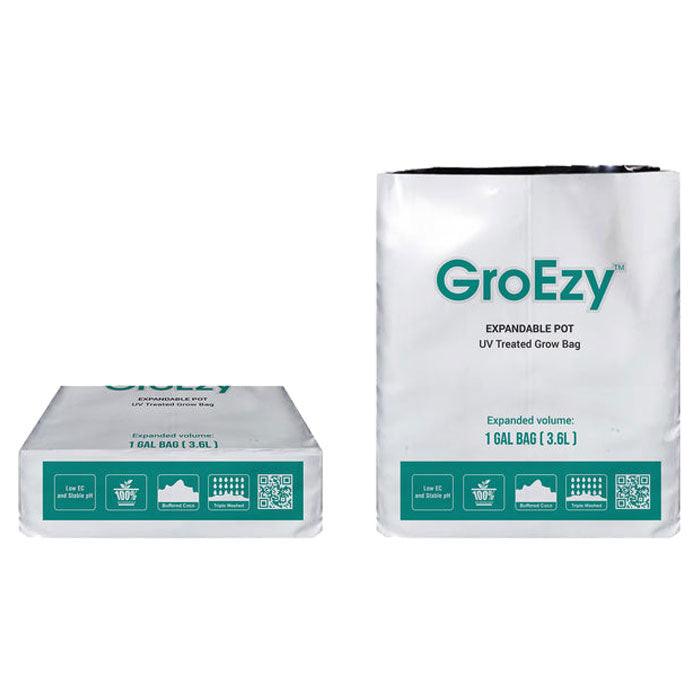
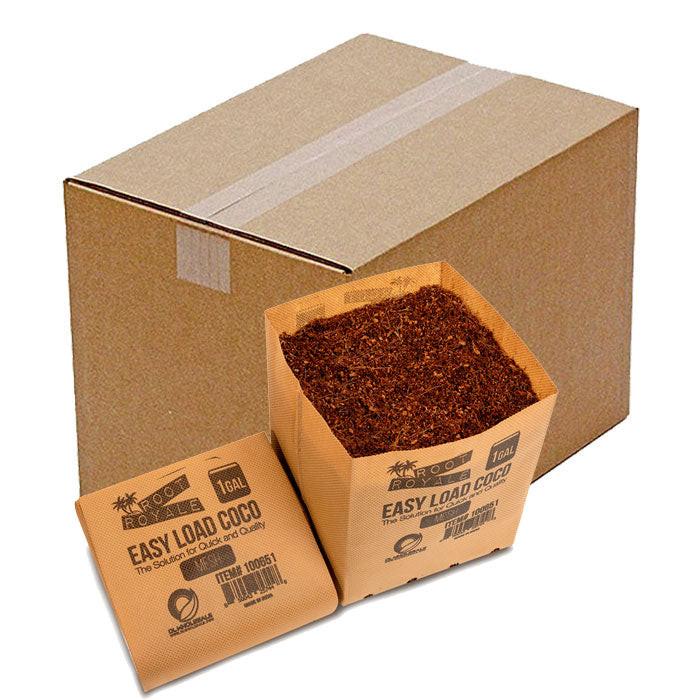
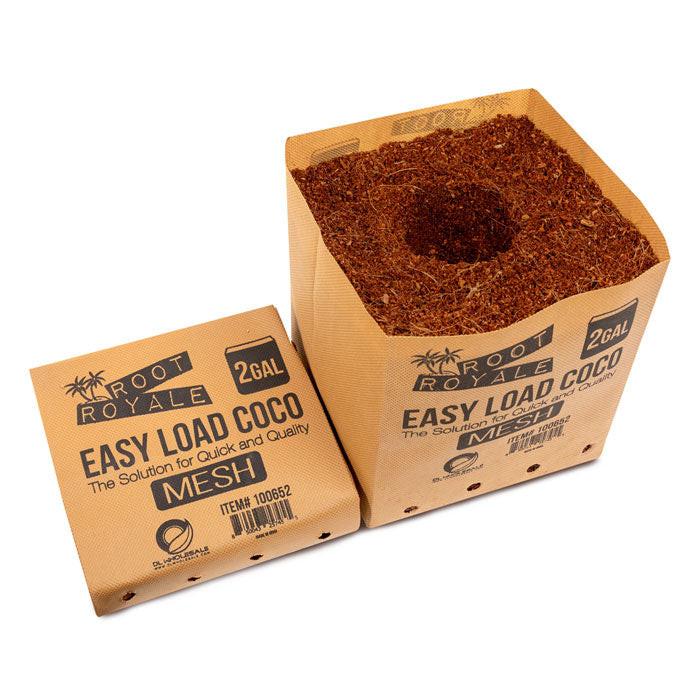
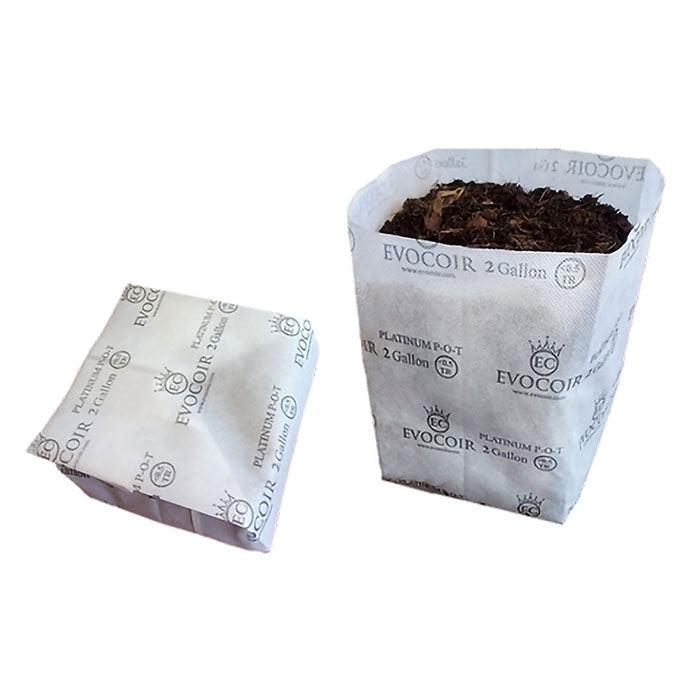
Coco blocks and coco grow bags are pre-formed coco coir formats that offer convenience advantages over loose coco for specific growing applications. Coco blocks are compressed coco coir bricks that expand when hydrated -- a single brick typically expanding 8-12 times in volume when soaked in water, from a compact 5x5x2 inch compressed block to 4-8 liters of ready-to-use loose coco. Coco grow bags are pre-filled fabric or plastic bags of buffered, hydrated coco coir in a ready-to-plant format -- eliminating the mixing, buffering, and filling steps required with loose coco. Both formats simplify the setup process for growers who prefer a faster path to a coco-filled growing container.
Coco Blocks for Flexible Volume
Compressed coco blocks are the most space-efficient coco format -- multiple cycles of coco substrate store in a compact block form before expansion. This makes them practical for growers with limited storage space and for those who want to calibrate exactly how much coco they prepare per cycle. Expansion volume varies by block size and brand: small 1.4 lb bricks expand to 8-10 liters; large 11 lb bricks expand to 65+ liters. Soak in pH-adjusted water (pH 5.8-6.0) with added calcium and magnesium (100-200 ppm Ca/Mg) for 30-60 minutes for full expansion and initial buffering. Most coco bricks require additional pH and Cal-Mag buffering beyond the initial soak for optimal performance -- follow the buffering protocol appropriate for the specific block format you are using. Browse our complete coco coir growing media collection for all coco formats.
Coco Grow Bags for Ready-to-Plant Convenience
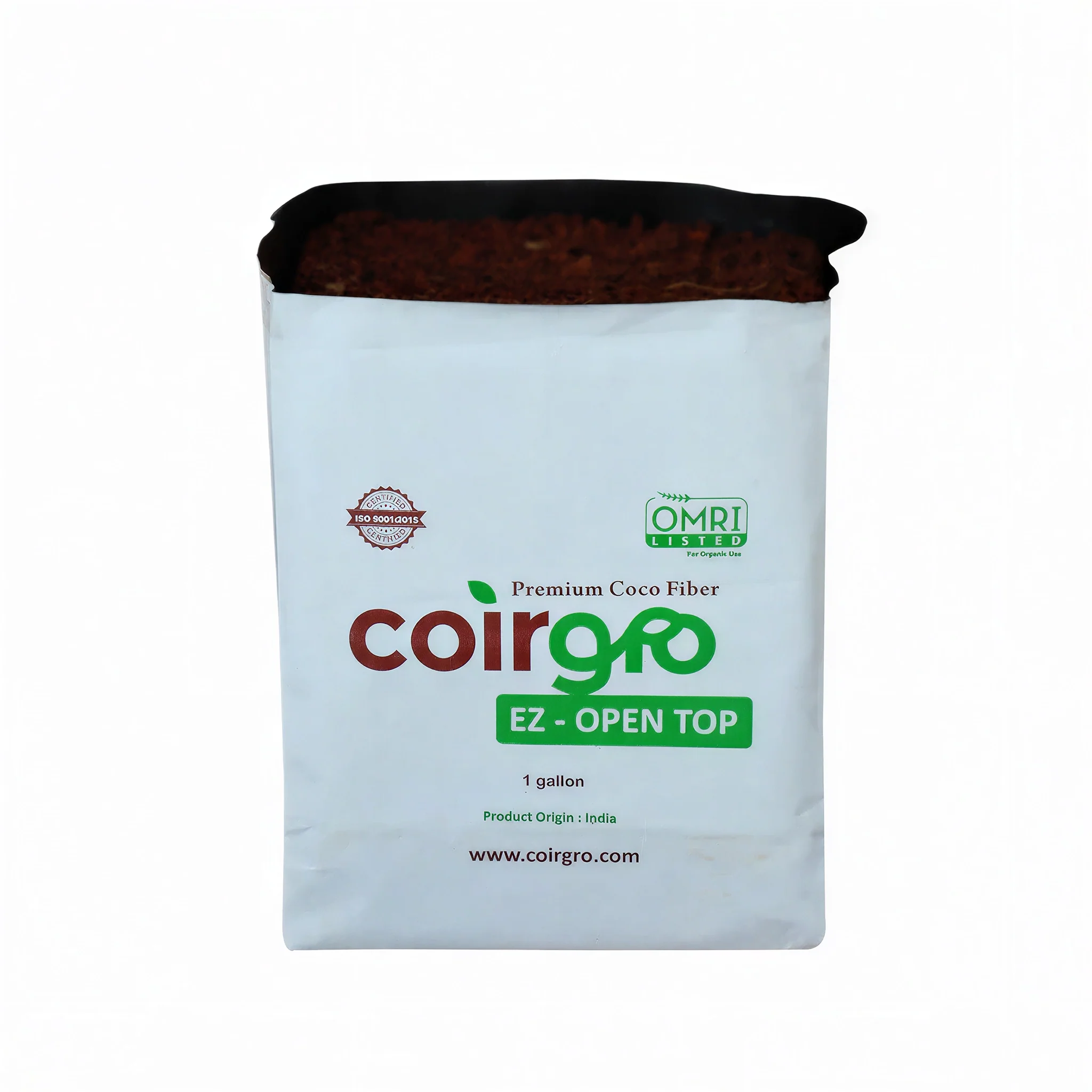
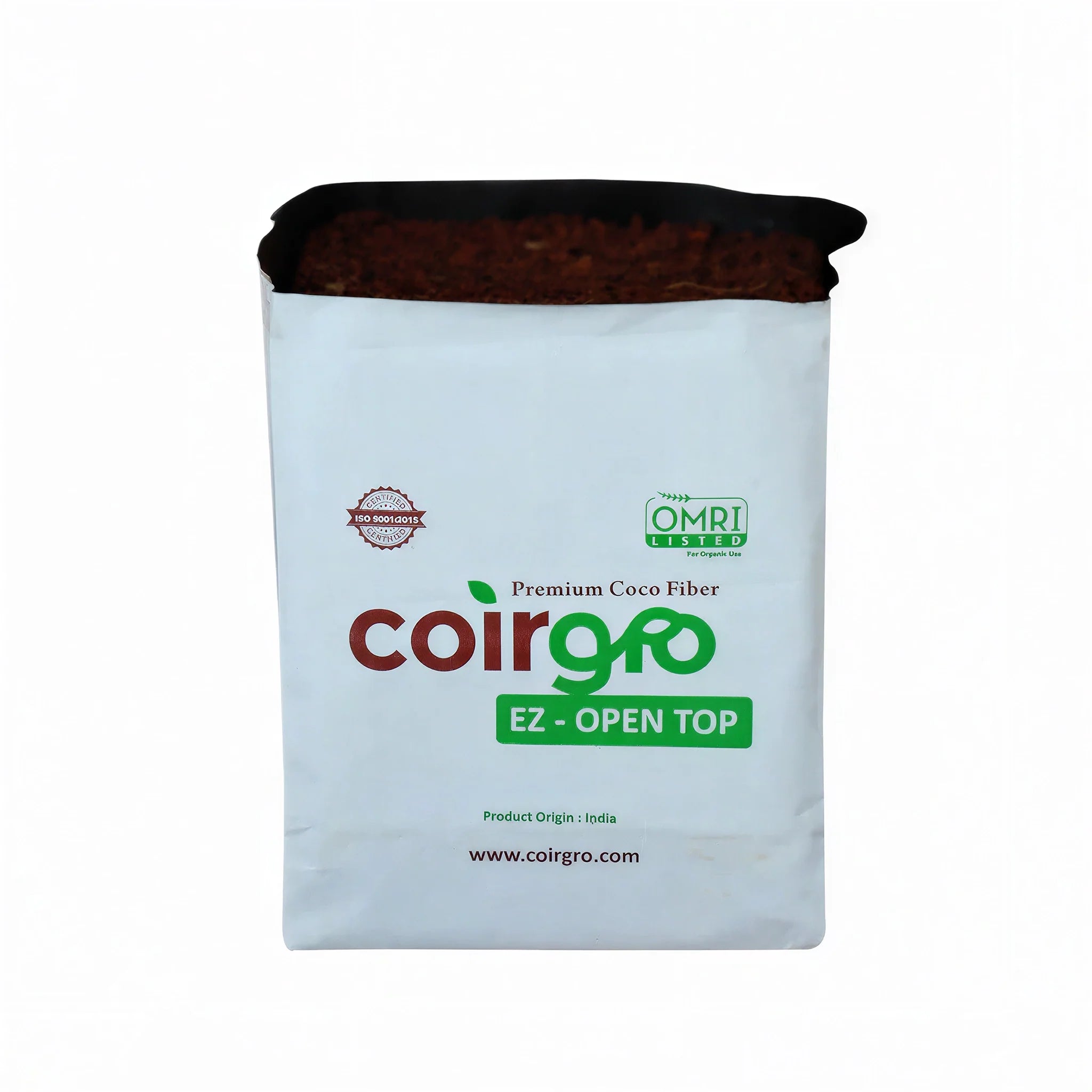
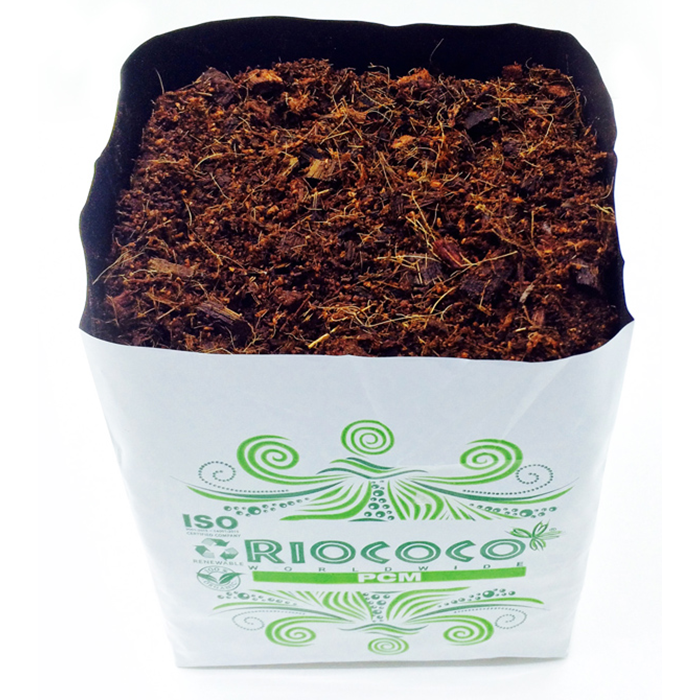
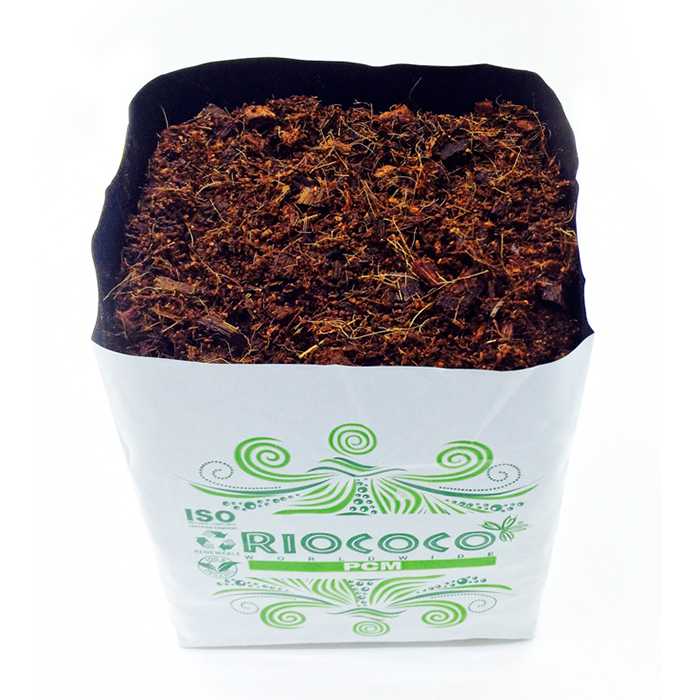
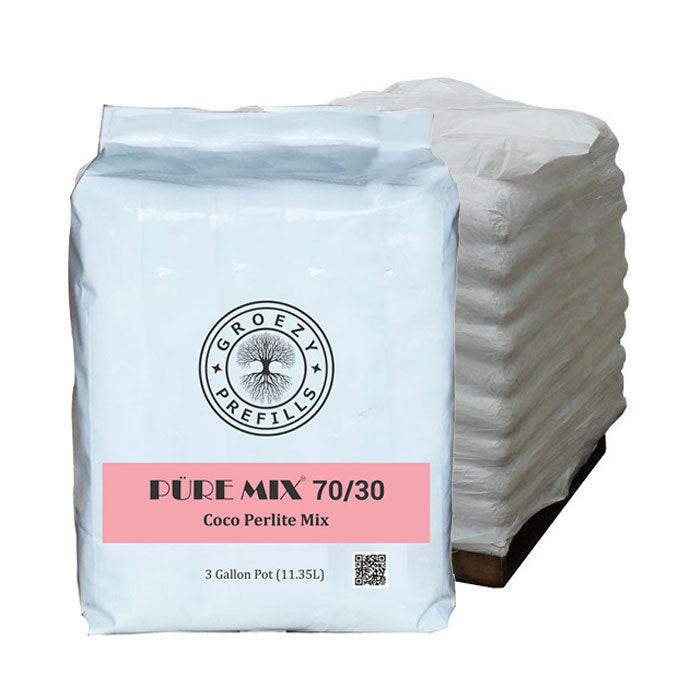
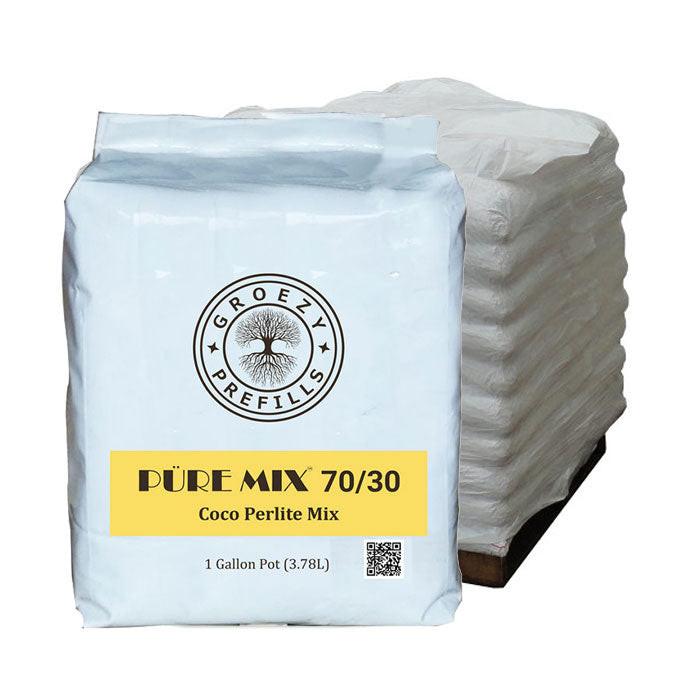
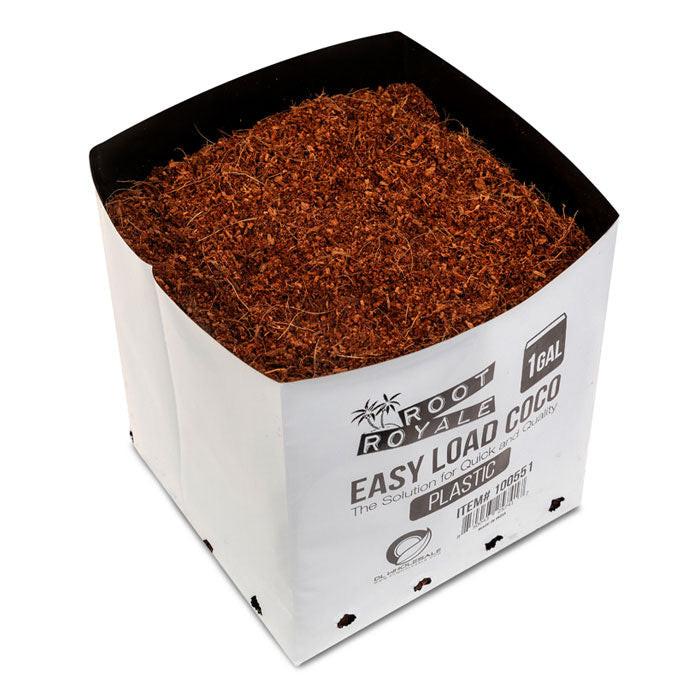
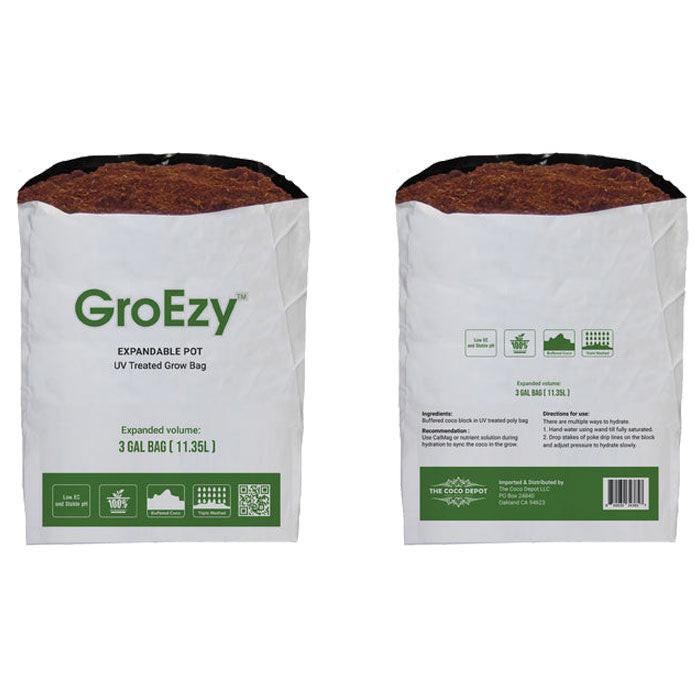
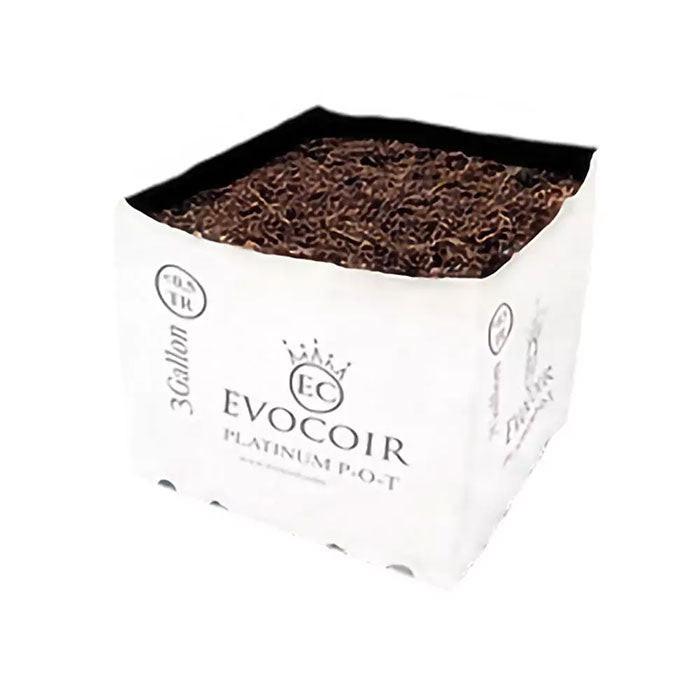
Pre-filled coco grow bags arrive buffered and hydrated, ready to plant with minimal preparation. Slabs and grow bags are the commercial standard in drip-irrigated greenhouse coco programs -- the defined bag volume provides consistent substrate per plant and the integrated bag structure allows direct planting without a separate container. For hobby growers, coco grow bags in 5-15 liter sizes simplify setup and eliminate the need to fill individual containers. Fast shipping.
Coco Blocks & Coco Grow Bags FAQ
How do I hydrate and use a coco block?
Place the compressed coco block in a large container. Add warm water slowly -- most blocks absorb 4-8 liters before fully expanding. Add calcium and magnesium to the soak water (Cal-Mag at 1-2 ml per liter) to begin buffering the coco's natural cation exchange sites, which otherwise pull Ca and Mg from your nutrient solution. Allow 30-60 minutes for full expansion and initial water absorption. Break up any remaining dense chunks, then continue with your normal coco preparation and pH adjustment process. pH target for expanded coco: 5.8-6.2 before planting.
Do I need to buffer coco blocks before use?
Yes -- coco coir (including compressed blocks) naturally has a high cation exchange capacity that binds calcium and magnesium ions from nutrient solution, causing Ca/Mg deficiency in plants if unbuffered. Buffering pre-saturates these exchange sites with calcium and magnesium before planting so the substrate does not compete with the plant for these nutrients. Buffer by soaking expanded coco in a Cal-Mag solution (300-600 ppm Ca/Mg from a dedicated Cal-Mag supplement) for several hours, drain, and repeat once or twice. Pre-buffered coco products (marked as "pre-buffered" or "charge") skip this step for you.
What is the difference between a coco grow bag and a rockwool slab?
Coco grow bags and rockwool slabs are both drip-irrigated container formats for commercial and semi-commercial growing, but with different substrate properties. Coco coir is organic, biodegradable, and supports beneficial microbial life in the root zone -- compatible with organic nutrient programs and living root zone biology. Rockwool is an inert sterile mineral fiber with no CEC and no microbial activity -- providing precise, fast-responding substrate moisture control suited to synthetic nutrient programs and commercial crop steering. Both work with drip emitters and produce excellent results; the choice depends on your nutrient program approach and the specific crop management style you prefer.
How many plants per coco grow bag?
Standard coco grow bag sizing: 10-15 liter bags support 1 plant for most veg-to-flower programs. 20-25 liter bags support 1 large plant or 2 smaller plants in a SOG configuration. Commercial slab-format coco bags in 25-30 liter sizes support 2-3 plants depending on crop spacing and training. Match bag volume to your expected root development over the crop cycle -- undersized bags limit root zone development and require more frequent irrigation events to prevent drying out between waterings. For automated drip programs, smaller bags work well because irrigation frequency compensates for reduced volume.
Can I reuse coco grow bags?
Technically yes, but it carries biosecurity risk. Reused coco retains root fragments, organic matter, and potentially pathogen residue from the previous cycle. In commercial operations where disease pressure is a significant production risk, fresh substrate each cycle eliminates the carryover risk from reused media. For hobby growers with low pest and disease pressure, reusing coco grow bags for 1-2 additional cycles with a thorough rinse and dilute H2O2 treatment between cycles can work adequately. Commercial single-use formats are priced for one cycle -- factor substrate replacement into your operating cost budget rather than risking crop loss from carryover pathogens.